Maintaining flexibility is crucial for a healthy and active lifestyle. A daily flexibility routine can greatly enhance overall well-being by improving mobility, reducing injury risk, and even boosting mental health. However, with so many options and conflicting advice, how do you design an effective and sustainable flexibility routine? This guide will cover the essentials of daily flexibility exercises to help you stay limber and agile.
Understanding Flexibility
What is Flexibility?
Flexibility is the ability of your muscles and joints to move through their complete range of motion. It’s more than just being able to do the splits or touch your toes; it’s about moving your body freely and without restriction.
Types of Flexibility
There are two main types of flexibility:
Dynamic Flexibility: This involves moving muscles and joints through their full range of motion during active movements, like swinging your leg forward and backward.
Static Flexibility: This involves holding a stretch in one position, such as touching your toes and maintaining that position.
Why Flexibility Matters
Enhances Mobility and Range of Motion
Being flexible allows for smoother movement in daily activities, sports, or recreation. Increased mobility results in less stiffness and more fluid motion.
Reduces Risk of Injury
Stretching and flexibility exercises help keep muscles healthy and reduce the likelihood of strains and tears. Improved flexibility prepares muscles for sudden movements, decreasing the risk of injury.
Improves Posture and Balance
Tight muscles can cause poor posture and imbalance. Regular stretching helps align the body properly, improving posture and balance and reducing chronic pain, particularly in the lower back.
Promotes Relaxation and Reduces Stress
Flexibility routines often involve controlled breathing and mindful movement, which can help reduce stress and anxiety, promoting a calm and relaxed state of mind.
Key Principles for a Flexibility Routine
Warm-Up Before Stretching
Always begin with a light warm-up, like jogging in place or doing jumping jacks, to increase blood flow to your muscles. Stretching cold muscles can lead to injuries.
Consistency is Key
Flexibility improvement takes time and regular practice. Just 10-15 minutes of daily stretching can lead to noticeable improvements over time.
Breathe Through the Stretches
Deep, consistent breathing during stretches helps relax the body and enhances the effectiveness of the stretch. Exhale as you deepen the stretch to go further safely.
Listen to Your Body
Avoid pushing a stretch to the point of pain. Discomfort is normal, but pain indicates potential overstretching, which can cause injury.
Best Flexibility Exercises for a Daily Routine
Neck Stretches
Side-to-Side Neck Stretch: Gently tilt your head toward each shoulder, holding for 15-20 seconds on each side.
Forward and Backward Neck Stretch: Lower your chin to your chest, then tilt your head back, holding each position for 15-20 seconds.
Shoulder and Upper Back Stretches
Cross-Body Shoulder Stretch: Pull one arm across your body with the other, stretching your shoulder for about 20-30 seconds.
Cat-Cow Stretch: This yoga pose stretches both the upper and lower back. Arch and round your back alternately while on all fours, coordinating with your breath.
Lower Back and Hip Stretches
Seated Spinal Twist: Sit with your legs extended, cross one leg over the other, and twist your upper body toward the bent knee. Hold for 20-30 seconds on each side.
Hip Flexor Stretch: Kneel on one knee, push your hips slightly forward, and feel the stretch in your hip. Hold for 20-30 seconds on each side.
Leg and Hamstring Stretches
Standing Hamstring Stretch: Place one leg on a chair or similar surface and lean forward, keeping your back straight. Hold for 15-20 seconds on each leg.
Butterfly Stretch: Sit with the soles of your feet together and gently press your knees toward the floor. Hold for 20-30 seconds.
Full-Body Stretching
Downward Dog: A classic yoga pose that stretches the back, shoulders, hamstrings, and calves. Hold for 30 seconds, focusing on deep breathing.
Child’s Pose: Another yoga staple that stretches the lower back, hips, and thighs. Sink back onto your heels with your arms extended forward, holding for 30 seconds.
How to Incorporate Flexibility Exercises into Your Daily Routine
Morning Stretching Routine
Start your day with gentle stretches to wake up your muscles and joints. Focus on dynamic stretches that increase in intensity gradually.
Mid-Day Office Stretches
If you sit at a desk all day, take short breaks to stretch your neck, shoulders, and back. Even a few minutes can help relieve tension and improve concentration.
Evening Relaxation Stretches
End your day with calming, static stretches that help relax your body and mind, preparing you for a restful sleep.
Tips to Maximize Flexibility Gains
Combine Flexibility with Strength Training
Building strong muscles supports your joints and improves your ability to stretch further.
Stay Hydrated
Muscles require water to function properly and prevent cramps. Staying hydrated is crucial for flexibility.
Use Props like Stretching Bands and Blocks
Props can help deepen stretches safely and offer support, making exercises more effective.
Common Mistakes to Avoid in a Flexibility Routine
Overstretching and Injuries
Avoid forcing a stretch. Overstretching can cause muscle strains and joint injuries.
Neglecting the Warm-Up Phase
Stretching cold muscles is a common mistake. Always warm up first to prepare your muscles.
Inconsistent Practice
Flexibility requires regular practice. Skipping days can hinder progress, so aim for consistency.
Conclusion
Flexibility is a key element of overall fitness that shouldn’t be ignored. By incorporating a daily flexibility routine, you can improve mobility, reduce injury risk, and enhance both physical and mental well-being. Start small, be consistent, and listen to your body—you’ll soon experience the benefits of staying flexible.
FAQs
How long should I hold each stretch?
Generally, holding each stretch for 15-30 seconds is effective, but it varies based on comfort and goals.
Is it okay to stretch every day?
Yes, daily stretching is safe and beneficial for most people as long as you avoid overstretching or causing pain.
Can flexibility exercises help with back pain?
Yes, regular stretching can relieve tension and improve alignment, often helping with back pain.
What’s the difference between dynamic and static stretching?
Dynamic stretching involves movement-based stretches, while static stretching involves holding a position.
How quickly can I see improvements in flexibility?
This varies by individual, but many people notice improvements within 3-4 weeks with consistent practice.
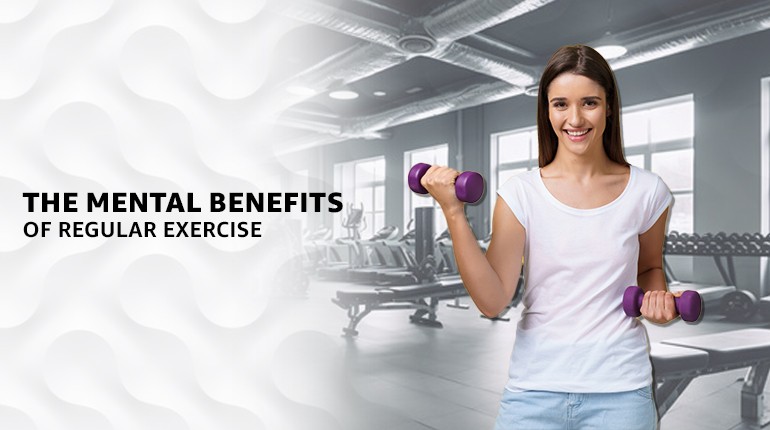
When people think about exercise, they often focus on physical benefits like muscle tone, weight loss, or improved stamina. However, regular exercise does more than just keep you in shape—it’s also a powerful way to boost mental health. Exercise has been proven to elevate mood, reduce anxiety and depression symptoms, and provide numerous other mental health benefits. This article will delve into the strong link between physical activity and mental wellness, revealing how regular exercise can profoundly impact your mental health.
The Science Behind Exercise and Mental Health
What happens in our brains when we exercise? The science is quite intriguing. Physical activity triggers the release of chemicals like endorphins, dopamine, norepinephrine, and serotonin—often called “feel-good” neurotransmitters that can lift your mood. Additionally, exercise encourages neurogenesis, or the growth of new brain cells, particularly in regions associated with memory, learning, and emotions. This combination helps to enhance mood, sharpen cognitive abilities, and lower stress levels.
Exercise as a Natural Antidepressant
One of the most significant benefits of exercise is its ability to help combat depression. Research shows that regular physical activity can be as effective as antidepressant medications in treating mild to moderate depression. This is because exercise encourages the growth of neurons and connections in the brain, especially in the hippocampus—a region that often shrinks in those with depression. Additionally, exercise boosts endorphin levels, which work as natural antidepressants. Unlike medication, exercise does not have negative side effects, making it an attractive option for many. For those who prefer a holistic approach, combining exercise with traditional therapies can lead to substantial improvements in well-being.
Anxiety Relief Through Physical Activity
If you’re feeling anxious, exercise can help. Anxiety disorders are among the most prevalent mental health issues globally, but exercise has been shown to reduce anxiety levels. Activities like running, cycling, or brisk walking can lower tension, increase energy, and lift your mood. The repetitive nature of these exercises provides a calming, meditative effect on the mind. Research indicates that aerobic exercises like swimming or jogging are particularly effective in managing anxiety because they reduce cortisol (the stress hormone) and increase endorphins, promoting relaxation.
Improved Mood and Emotional Well-being
Exercise is known to elevate mood. Physical activities—whether it’s a 30-minute jog or a session of weight-lifting—stimulate the production of endorphins, which are often referred to as “happy hormones.” These chemicals interact with brain receptors to reduce pain perception and create feelings of positivity. Consistent exercise has been linked to better emotional regulation, reduced mood swings, and overall emotional balance.
Boosting Self-Esteem and Confidence
Regular exercise not only improves physical health but also enhances self-esteem and confidence. This boost comes from achieving fitness goals, feeling stronger, and looking healthier. Exercise provides a sense of accomplishment and mastery, which is especially helpful for those struggling with self-image. Social exercises like group classes or team sports also build a sense of community, further enhancing self-esteem.
Enhanced Cognitive Function and Memory
Exercise isn’t only beneficial for the body; it’s also great for the brain. It enhances cognitive function and memory by increasing blood flow to the brain and releasing growth factors that aid in forming new neural connections. Regular physical activity can delay the onset of age-related cognitive decline and improve focus and concentration. Aerobic exercises such as running, swimming, or dancing are particularly effective in boosting memory retention and learning abilities.
Stress Reduction and Relaxation
Stress is a common part of life, but exercise can help manage it effectively. Physical activity lowers stress hormones like adrenaline and cortisol while increasing endorphin levels, which help elevate mood. Activities like yoga, pilates, or simply walking in nature can help you relax and relieve the tension from everyday life.
Better Sleep and Mental Recovery
If you’re struggling with sleep, regular exercise may offer a solution. Physical activity has been shown to improve sleep quality, which is crucial for mental recovery and overall health. Exercise helps regulate the body’s internal clock and increases deep sleep, the most restorative sleep phase. Better sleep leads to improved mood, concentration, and mental health, helping you better handle daily challenges.
Social Benefits of Group Exercise
Exercising with others not only keeps you motivated but also provides valuable social support, which is vital for mental health. Group activities like Zumba, cycling classes, or team sports promote social interaction and build a sense of community. These connections help reduce loneliness and isolation, particularly for those facing mental health challenges.
Combating Loneliness and Social Isolation
Exercise can also help combat loneliness. Participating in team sports, group fitness classes, or local walking clubs fosters social connections and friendships. Being part of a group can reduce feelings of isolation and create a sense of belonging, which is important for mental health.
Mindfulness and Mental Clarity Through Exercise
Exercise isn’t just about physical movement; it can also be a mindfulness practice. Activities like yoga, tai chi, and Pilates combine physical activity with mindfulness, keeping you present and focused. This blend has been proven to enhance mental clarity, reduce stress, and improve overall mental well-being.
Creating a Sustainable Exercise Routine for Mental Health
To gain mental health benefits from exercise, consistency is essential. Start with small, manageable goals that fit your lifestyle, such as daily walks, some yoga poses, or joining a local sports team. The best exercise is one that you enjoy and can stick with over time.
Challenges and Barriers to Regular Exercise
While the benefits are clear, many people struggle to maintain a regular exercise routine. Common obstacles include lack of time, motivation, or access to facilities. To overcome these barriers, try incorporating small amounts of physical activity into your day, such as taking the stairs, walking during breaks, or doing home workouts.
Conclusion
Regular exercise is a powerful tool for enhancing mental health, providing benefits from reducing anxiety and depression to boosting self-esteem and cognitive function. The key is finding an activity you enjoy and making it a regular part of your life. Remember, it’s not about being perfect but making progress. Start moving today and experience how exercise can transform your mental well-being.
FAQs
What types of exercise are best for mental health?
Aerobic exercises like jogging, swimming, cycling, and yoga are particularly beneficial for mental health as they help reduce anxiety and depression.
How often should I exercise to see mental health benefits?
Aim for at least 150 minutes of moderate-intensity exercise per week, such as 30 minutes a day, five days a week.
Can exercise replace medication for depression or anxiety?
For mild to moderate cases, exercise can be as effective as medication. However, consult a healthcare provider for personalized advice.
Are there specific exercises for improving focus and cognitive function?
Aerobic exercises like running and dancing, as well as mindfulness-based exercises like yoga and tai chi, have been shown to enhance cognitive function.
How can someone with limited mobility still benefit from exercise?
Chair exercises, resistance band workouts, and water aerobics are excellent options for those with limited mobility to enjoy the mental health benefits of exercise.
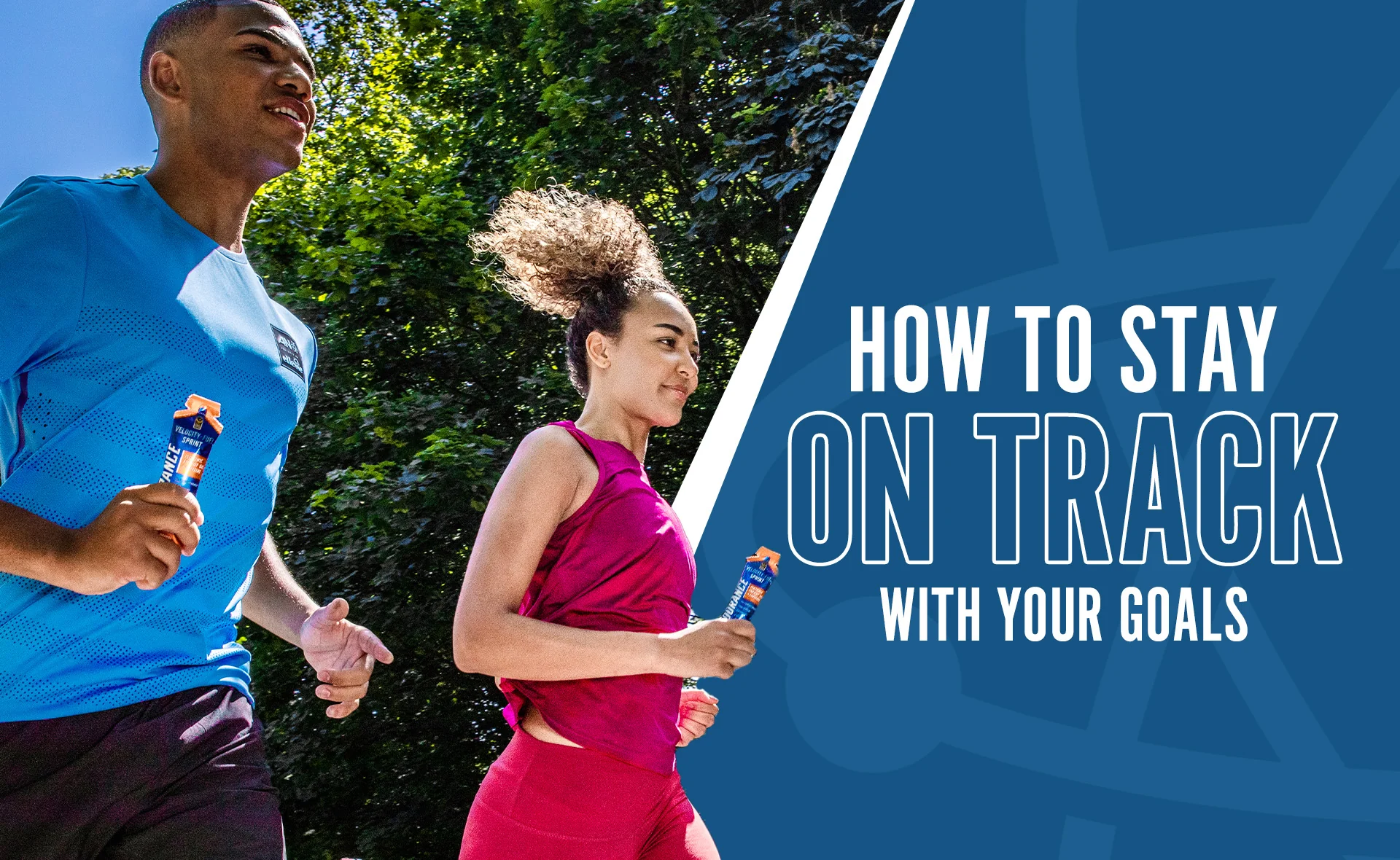
Maintaining motivation throughout your fitness journey can feel like trying to keep a fire burning in the rain—it requires effort, planning, and a little creativity. We all know how easy it is to start a new fitness routine with enthusiasm, only to lose momentum after a few weeks. The real challenge lies not in beginning but in staying consistent. This guide offers the best fitness motivation tips to help you stay on track, turning your fitness journey into a sustainable lifestyle rather than a temporary endeavor.
Understanding Your “Why”
Motivation begins with understanding why you embarked on this journey in the first place.
Finding Your Purpose
Reflect on why you want to be fit. Is it to feel more energized, boost your self-esteem, or simply to live a healthier life? Understanding your core reason gives you a strong foundation to rely on when your motivation fades. This purpose serves as your anchor, reminding you of your initial goal whenever you feel like quitting.
Setting Long-term and Short-term Goals
Once you’ve identified your “why,” it’s important to establish clear, achievable goals. Long-term goals provide a vision, while short-term goals help you stay motivated on a daily basis. For instance, if your long-term goal is to run a marathon in a year, your short-term goal might be to run three miles without stopping by the end of the month. Breaking down larger goals into manageable steps makes them less daunting and more achievable.
Visualizing Your Success
Visualization is a powerful technique used by athletes worldwide. Close your eyes and imagine yourself achieving your goals—crossing the marathon finish line or fitting into your favorite jeans. The more vivid and detailed your vision, the more motivated you’ll be to turn it into reality.
Creating a Personalized Fitness Plan
A well-designed fitness plan that suits your needs can significantly boost your motivation.
Assessing Your Fitness Level
Begin by assessing your current fitness level. Understanding where you are now helps you set realistic goals and avoid burnout. Simple tests like push-ups, sit-ups, or timed runs can help gauge your strength and endurance.
Choosing Activities You Enjoy
The best workout is the one you enjoy doing. If you dislike running, don’t force yourself to run daily. Explore various activities like swimming, cycling, or even dancing. When you enjoy what you’re doing, staying motivated becomes more of a pleasure than a chore.
Scheduling Your Workouts
Treat your workouts like crucial appointments that can’t be missed. Put them on your calendar, set reminders, and plan your day around them. Consistency is vital, and having a set schedule helps build a routine that becomes second nature.
Building a Support System
You don’t have to navigate this journey alone. Having a support system can significantly enhance your motivation.
Finding a Workout Buddy
A workout partner can be a game-changer. They can keep you accountable, make workouts more enjoyable, and motivate you on days when you’d rather skip the gym.
Joining a Fitness Community
Whether it’s a local running club, a CrossFit gym, or an online fitness group, being part of a community provides a sense of belonging. Sharing experiences, challenges, and achievements with like-minded individuals can give a considerable motivational boost.
Hiring a Personal Trainer
If you need more tailored guidance, consider hiring a personal trainer. They can create customized workout plans, ensure you’re performing exercises correctly, and provide that extra push when needed.
Keeping Your Workouts Fun and Engaging
Boredom is a major motivation killer. To keep things interesting, it’s important to add variety to your workouts.
Mix Up Your Routine
Variety keeps workouts exciting. Alternate between cardio, strength training, and flexibility exercises to maintain a well-rounded fitness routine. This not only keeps things fresh but also prevents boredom and plateaus.
Try New Workouts or Classes
Have you ever tried kickboxing or Pilates? How about a dance class or rock-climbing session? Trying new workouts can reignite your passion for fitness and keep you eager for your next session.
Use Music and Podcasts to Stay Motivated
Sometimes, all you need is the right playlist to get you moving. Create a high-energy workout playlist or listen to motivational podcasts while exercising. Music and engaging content can make your workouts feel quicker and more enjoyable.
Tracking Your Progress
Nothing is more motivating than seeing real progress.
Using Fitness Apps and Wearables
Fitness apps and wearables, like smartwatches, can help track your progress. From counting steps to monitoring calorie burn and workout logs, these tools give a clear picture of your achievements, helping you stay focused.
Keeping a Workout Journal
Recording your workouts, how you felt, and the progress you’ve made is another effective way to stay motivated. It allows you to see how far you’ve come and helps you set new goals.
Celebrating Milestones
Did you complete your first 5K without stopping? Or perhaps you reached a new personal best at the gym? Celebrate these milestones, no matter how small. Rewards don’t have to be extravagant; a new workout outfit or a relaxing spa day can be the perfect incentive to keep moving forward.
Staying Positive and Focused
Your mindset plays a critical role in your fitness journey.
Practicing Self-Compassion
It’s easy to be hard on yourself over a missed workout or indulging in a treat. However, self-compassion is key. Remember, fitness is a lifelong journey, not a race.
Using Affirmations and Visualization
Positive affirmations can help keep you focused. Statements like “I am strong,” “I can do this,” or “I am committed to my fitness journey” can change your mindset and help maintain motivation.
Rewarding Yourself for Achievements
Always remember to celebrate your achievements, whether big or small. Rewards can be powerful motivators that help maintain a positive mindset.
Overcoming Common Obstacles
Life can throw obstacles in your path, but being prepared can make all the difference.
Dealing with Lack of Time
Lack of time is a common excuse for missing workouts. Overcome this by finding small pockets of time for mini-workouts or opting for high-intensity interval training (HIIT) sessions that are quick but effective.
Handling Plateaus in Progress
Plateaus are a normal part of any fitness journey. When progress stalls, switch up your routine or try a new workout to break through the plateau and keep moving forward.
Staying Motivated During Bad Weather or Mood
Sometimes, the weather or your mood can demotivate you. On such days, try home workouts or use motivational videos and apps to help you stay active.
The Power of Rest and Recovery
Fitness isn’t just about working hard; it also involves allowing your body to recover.
Importance of Rest Days
Rest days are essential for muscle recovery and preventing burnout. They help rejuvenate both body and mind, keeping you ready and motivated for your next workout.
Proper Sleep and Nutrition
Getting enough sleep and maintaining balanced nutrition are crucial for staying energized and motivated. Make sure to fuel your body with the right nutrients and get adequate rest.
Benefits of Stretching and Yoga
Incorporate stretching and yoga into your routine. These activities not only improve flexibility and prevent injuries but also have a calming effect that can recharge your motivation.
Conclusion
Staying motivated on your fitness journey can be tough, but with the right strategies, it’s entirely achievable. Remember to understand your “why,” build a support system, keep your workouts engaging, and celebrate your progress. Stay focused on your goals and take things one step at a time. You’ve got this!
FAQs
How do I find motivation when I don’t feel like working out?
Try quick workouts or change your routine to make it more exciting. Listening to motivational podcasts can also help.
What are some quick ways to boost my workout motivation?
Create an upbeat playlist, reward yourself after a workout, or follow fitness influencers on social media.
How often should I change my fitness routine?
Generally, it’s recommended to change your routine every 4-6 weeks to keep it fresh and avoid plateaus.
How important is a support system in staying motivated?
A strong support system can offer accountability, encouragement, and shared experiences, making it vital for long-term motivation.
Can tracking my progress really help in staying motivated?
Absolutely! Seeing measurable progress can boost confidence and encourage you to keep pushing forward.
Introduction
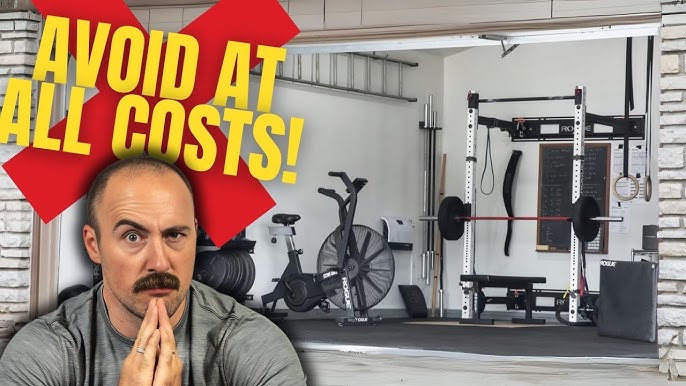
In recent times, setting up a home gym has gained popularity, especially for those wanting to stay fit without the inconvenience of visiting a busy gym. Whether you’re interested in creating a high-tech workout space or just starting with a few basics, it’s possible to design a home gym that suits any budget. In this article, we’ll explore the best home gym equipment based on different budgets, ensuring you can stay in shape without overspending.
Why Invest in Home Gym Equipment?
Investing in home gym equipment comes with several benefits. First, it saves time—no more traveling to the gym or waiting for machines. Second, it’s cost-effective. Though the initial cost may seem high, the equipment eventually pays for itself by eliminating monthly gym fees. Plus, you have the flexibility to work out whenever you want, without time constraints.
Understanding Your Budget
Before selecting equipment, it’s essential to determine your budget. Think about how much you can afford and consider your fitness goals, available space, and workout preferences. Are you focusing on strength training, cardio, or a combination of both? Answering these questions will help you prioritize the equipment that best fits your needs.
Budget-Friendly Home Gym Essentials (Under $100)
You don’t need to break the bank to start building your home gym. Here are some affordable essentials:
Resistance Bands
These are perfect for strength training, flexibility, and mobility exercises. Available in various resistance levels, they’re great for targeting different muscles and cost less than $30.
Jump Rope
For just a few dollars, a jump rope provides an effective cardio workout. It’s excellent for improving endurance, coordination, and burning calories quickly.
Dumbbells (Adjustable or Fixed)
A pair of light dumbbells (5-20 lbs) works well for beginners and can be used as your strength grows. Basic sets are available for under $50, or you can opt for adjustable dumbbells that offer more flexibility over time.
Yoga Mat
A yoga mat isn’t just for yoga—use it for stretching, core exercises, or bodyweight movements. These cost between $15 and $30, making them an affordable and versatile addition.
Mid-Range Home Gym Equipment ($100 – $500)
If you have a bit more to spend, here are some mid-range options that provide added functionality:
Kettlebells
Kettlebells are ideal for dynamic movements like swings, squats, and snatches. A set with varying weights can be purchased for $100 to $150.
Adjustable Dumbbells
Costing around $300, adjustable dumbbells are a space-saving solution that lets you switch between weights easily.
Pull-Up Bar
A pull-up bar can be mounted in a doorway, providing a convenient upper body workout. They usually range from $50 to $100.
Folding Bench
A folding bench is a great tool for various strength exercises, such as chest presses and step-ups. High-quality folding benches typically cost between $150 and $300.
High-End Home Gym Equipment ($500 and Above)
For those with a higher budget, premium equipment with advanced features and durability is available:
Treadmill
A treadmill is a staple for home cardio workouts. Modern models include features like virtual runs and fitness classes, with prices ranging from $500 to $1,500.
Exercise Bike
Bikes like Peloton offer low-impact cardio along with an immersive experience through guided classes. These start around $700.
Rowing Machine
A rowing machine offers a full-body workout, engaging your arms, legs, and core. High-quality models cost between $700 and $1,500.
Power Rack
For those serious about strength training, a power rack is essential. It allows for safe heavy lifting and exercises like squats and bench presses. Prices start at $500.
Combination Equipment for Multi-Use
All-in-One Home Gym Machines
These machines provide multiple exercises in one setup, ideal for small spaces. Though pricey (starting at $1,000), they offer full-body workouts.
Suspension Trainers (e.g., TRX System)
These portable trainers allow for a variety of bodyweight exercises and typically cost under $200.
Space-Saving Equipment for Small Homes
Compact Cardio Machines
Mini ellipticals or foldable treadmills are great for tight spaces and still provide effective cardio workouts.
Foldable Strength Training Equipment
Look for benches or racks that fold for easy storage when not in use.
Tech-Integrated Fitness Equipment
Smart Mirrors
Smart mirrors like Mirror or Tonal offer interactive workouts and AI-driven personal training, though they come at a premium price, starting around $1,500.
Virtual Reality Fitness
For a unique and immersive workout, VR fitness systems are emerging, with prices ranging from $400 to $1,000.
DIY Home Gym Solutions
If you’re on a tight budget, get creative with DIY options. Use household items like water bottles as weights or make your own equipment, such as sandbags for resistance training.
How to Maximize Limited Space
To make the most of small spaces, consider vertical storage solutions like wall-mounted racks or under-the-bed storage for compact equipment like kettlebells and dumbbells.
Tips for Choosing the Right Equipment
When selecting equipment, focus on items that align with your fitness goals. Choose versatile pieces that can serve multiple purposes and resist the urge to buy unnecessary gadgets.
Maintenance and Care for Home Gym Equipment
To ensure your equipment lasts, clean it regularly and store it properly. Follow the manufacturer’s maintenance guidelines and avoid exposing equipment to sunlight or moisture.
Where to Find Affordable Home Gym Equipment
Online retailers like Amazon and fitness-specific stores often offer affordable equipment. Don’t overlook secondhand stores or local classifieds for great deals on used items.
Conclusion
Creating a home gym doesn’t have to be expensive. Whether you’re on a strict budget or ready to invest in top-tier equipment, there are plenty of options available. Start with the basics and expand as your fitness journey and budget grow.
FAQs
What’s the best equipment to start a home gym on a tight budget?
Resistance bands, dumbbells, and a jump rope are cost-effective options.
Can I set up a home gym in a small apartment?
Yes, compact and foldable equipment like resistance bands and mini ellipticals work well in smaller spaces.
How can I save money when buying gym equipment?
Look for secondhand deals, shop during sales, and prioritize multi-functional items.
What’s the most important piece of equipment for beginners?
Dumbbells or resistance bands are versatile and ideal for starting strength training.
Do I need expensive equipment to get fit at home?
No, with minimal equipment like a jump rope and resistance bands, you can still achieve an effective workout.
Providing your body with the right nutrition before a workout is like fueling your car before a road trip. You want to be fully powered to enhance your performance, minimize fatigue, avoid muscle breakdown, and promote quicker recovery after your session. This guide explores pre-workout meal ideas designed to keep you energized and performing at your best.
Understanding Pre-Workout Nutrition
What is a Pre-Workout Meal?
A pre-workout meal refers to the food consumed before exercise, providing essential energy and nutrients to ensure optimal performance. A balanced pre-workout meal usually contains carbohydrates, proteins, and fats, each playing a vital role in sustaining energy and muscle function.
Timing of Pre-Workout Meals
Timing is crucial for pre-workout nutrition. A large meal immediately before exercise can lead to discomfort or bloating. Ideally, eat a well-rounded meal 2-3 hours before your workout. For shorter timeframes, a light snack 30-60 minutes prior is advisable. Liquid-based options, like smoothies, digest quickly and are ideal for last-minute energy boosts.
The Three Macronutrients: Core Components
The Importance of Carbohydrates
Carbohydrates are the primary energy source for your body. During workouts, muscles utilize glycogen derived from carbs to fuel activity. Complex carbs such as oatmeal, whole grains, and fruits offer sustained energy throughout your session.
The Function of Protein
Protein is essential for muscle repair and growth. Consuming protein before exercise can jumpstart muscle recovery and help reduce soreness afterward. Sources like lean meats, eggs, and plant-based proteins such as tofu provide excellent pre-workout nutrition.
Healthy Fats for Long-Lasting Energy
While healthy fats supply sustained energy, moderation is key before workouts. Foods like avocados, nuts, and seeds are excellent sources, but overconsumption can slow digestion and leave you feeling heavy during your workout.
The Crucial Role of Hydration
Importance of Water Consumption
Staying hydrated is just as important as food for enhancing workout performance. Water helps regulate body temperature, lubricate joints, and transport nutrients, preventing dehydration-induced cramps and fatigue. Make hydration a regular habit, not just before exercise.
Hydrating Foods to Include
In addition to drinking water, hydrating foods such as watermelon, cucumbers, and oranges provide extra hydration along with essential vitamins and minerals.
Top Pre-Workout Meals for Different Exercises
Strength Training
For strength training, combine protein and moderate carbohydrates to fuel muscle performance. A chicken breast with sweet potatoes or a protein smoothie with a banana are excellent choices.
Endurance Sports
Endurance workouts require high-carb meals to sustain energy over time. Oatmeal with berries or whole grain pasta can provide the fuel needed for longer sessions like running or cycling.
High-Intensity Interval Training (HIIT)
HIIT demands quick bursts of energy, making fast-digesting carbs ideal. A banana paired with peanut butter delivers the perfect balance of energy and endurance.
Yoga and Low-Intensity Workouts
For low-intensity activities like yoga, lighter meals are preferable to avoid feeling weighed down. Greek yogurt with honey or a handful of nuts and fruit works well for these sessions.
Quick Pre-Workout Snack Suggestions
Fruit and Greek Yogurt – A refreshing and energizing blend of carbs and protein.
Peanut Butter on Whole Grain Toast – A simple, classic snack packed with healthy fats and carbs.
Oatmeal with Berries – A slow-releasing carb source that provides consistent energy.
Pre-Workout Smoothie Ideas
Green Power Smoothie
Blend spinach, banana, almond milk, and protein powder for a nutrient-packed energy boost.
Banana and Almond Butter Smoothie
This creamy smoothie combines banana, almond butter, oats, and almond milk for sustained energy.
Berry Protein Smoothie
Mix berries, Greek yogurt, chia seeds, and almond milk for a refreshing, protein-rich drink.
What to Eat 30 Minutes Before Exercising
Quick-Digesting Carbs
When time is short, opt for easily digestible carbs like bananas, rice cakes, or raisins to provide a quick energy boost without slowing you down.
Liquid-Based Alternatives
Smoothies or coconut water mixed with protein are quick, efficient fuel sources for those crunched for time before a workout.
Foods to Avoid Before Exercising
High-Fat Meals: Can slow digestion and leave you feeling sluggish.
Sugary Snacks: May lead to an energy crash mid-workout.
Processed Foods: Lacking in essential nutrients, they can negatively impact performance.
Pre-Workout Meals for Early Morning Routines
Fast-Digesting Options for Early Workouts
For early risers, a light, energizing snack such as a smoothie, a handful of nuts, or toast with honey can be ideal.
Hydration Tips for Morning Sessions
Start your day with a glass of water to rehydrate, especially if your workout involves heavy sweating.
How Pre-Workout Nutrition Affects Recovery
The Relationship Between Pre- and Post-Workout Meals
Your pre-workout meal helps set the foundation for recovery. Consuming protein and carbs before exercise ensures your muscles have the necessary nutrients to repair efficiently afterward.
Preparing for Quicker Muscle Recovery
Including protein-rich foods with amino acids in your pre-workout meal can reduce muscle soreness and accelerate recovery.
Vegan and Vegetarian Pre-Workout Meals
Plant-Based Protein and Carbohydrate Sources
Vegan and vegetarian athletes have numerous pre-workout meal options. Try a tofu stir-fry with quinoa, almond butter on toast, or a lentil soup with rice for a nutrient-dense meal.
Examples of Vegan Pre-Workout Meals
Sweet potato and black bean wraps
Hummus with veggies and pita bread
Overnight oats with chia seeds and almond milk
Supplements and Pre-Workout Nutrition
Protein Powders
If you’re short on time or require extra protein, a quick shake with protein powder is a convenient solution.
Creatine and Pre-Workout Drinks
Creatine is popular for enhancing performance in short, intense workouts, while pre-workout drinks can give an energy boost, but watch the caffeine content.
Customizing Pre-Workout Meals for Your Goals
Fat Loss vs. Muscle Gain
For fat loss, prioritize low-carb, high-protein meals, while muscle gain may require higher carb intake to fuel intense lifting.
Tailoring Macronutrient Intake for Your Body Type
Different body types and fitness goals require adjusting your intake of carbohydrates, proteins, and fats to optimize your performance.
Conclusion
Choosing the right pre-workout meal is essential for maximizing performance. From meal timing to food choices, proper nutrition can help you reach your fitness goals more efficiently, recover better, and maintain energy throughout your workouts. Be open to experimenting with different options and listening to what your body responds to best.
FAQs
How long before my workout should I eat? Ideally, 2-3 hours before, but a light snack 30-60 minutes prior works if you’re short on time.
Can I work out on an empty stomach? While some may benefit, exercising fasted could lead to low energy or dizziness for others. It’s best to eat something if possible.
Is coffee okay before a workout? Yes, coffee acts as a stimulant and can enhance focus and performance.
Should I prioritize carbs or protein pre-workout? A balance of both is best—carbs for energy and protein for muscle support.
Are pre-workout supplements necessary? Not essential, but they can be a convenient option if whole foods aren’t accessible.
H3: Top Plant-Based Protein Sources for Muscle Growth
Lentils and Beans: A Fiber-Rich Protein Source
Quinoa: A Complete Plant Protein
Chickpeas: Nutritious and Versatile
Tofu and Tempeh: Soy-Based Protein Powerhouses
Nuts and Seeds: Compact Protein and Healthy Fats
H4: Advantages of Plant-Based Proteins
High in Fiber and Micronutrients
Low in Saturated Fats
H2: Combining Protein Sources for Best Results
Complementary Proteins: Blending Plant Proteins
Balancing Animal and Plant Proteins
H2: Timing and Protein Intake for Muscle Growth
Importance of Consuming Protein Post-Workout
Spreading Protein Intake Throughout the Day
H2: Protein Supplements for Muscle Growth
Whey Protein: Rapid Absorption and High Leucine Content
Casein Protein: Slow-Digesting for Overnight Muscle Recovery
Plant-Based Protein Powders: Pea, Rice, Hemp
H3: Pros and Cons of Protein Supplements
Convenience and Nutrient Density
Potential Issues with Additives
H2: Tips for Maximizing Protein Consumption
Meal Planning for Balanced Protein Intake
Ensuring Protein is Part of Every Meal
H2: Common Misconceptions About Protein and Muscle Growth
Myth: More Protein Always Means More Muscle
Myth: Plant Proteins Aren’t Effective for Muscle Building
H2: Conclusion
Recap of the Best Protein Sources for Muscle Growth
The Importance of Customizing Protein Choices
H2: FAQs
What are the top protein sources for vegans building muscle?
How much protein should I consume daily for muscle growth?
Can muscle gain rely solely on protein supplements?
Is immediate post-workout protein intake necessary?
Are animal proteins superior to plant proteins for muscle gain?
Top Protein Sources for Optimal Muscle Growth
Introduction
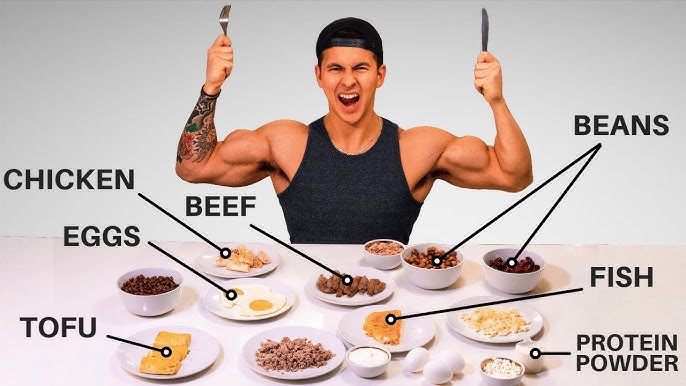
When it comes to building muscle, protein is a key player. But what exactly is its role? Protein is essential for muscle recovery, growth, and repair. During workouts, tiny tears occur in muscle fibers, and protein helps repair these tears, making muscles stronger and bigger over time. So, which protein sources are best for maximizing muscle growth? Let’s explore!
The Role of Protein in Muscle Development
How Protein Aids Muscle Recovery
When engaging in resistance training or weightlifting, muscles undergo wear and tear. Protein provides amino acids, the building blocks needed for repairing and rebuilding these muscles, enhancing their strength and size.
Daily Protein Needs for Muscle Growth
The amount of protein needed depends on various factors like body weight, activity level, and fitness goals. Generally, experts suggest 1.2 to 2.2 grams of protein per kilogram of body weight daily for those looking to build muscle.
Different Types of Protein Sources
Not all protein sources are the same when it comes to muscle building. Protein can be derived from both animal and plant sources, each offering unique benefits.
Animal-Based Proteins
Animal-based proteins are often termed complete proteins because they provide all nine essential amino acids that our bodies can’t produce naturally.
Plant-Based Proteins
Plant-based proteins are often rich in fiber and essential nutrients but may lack one or more essential amino acids. However, combining different plant proteins can result in a complete amino acid profile.
Best Animal-Based Protein Sources for Muscle Growth
Chicken Breast: A Popular Choice for Bodybuilders
Chicken breast is a go-to for many in fitness because it’s high in protein and low in fat. A 100-gram serving provides about 31 grams of protein and is packed with essential amino acids ideal for muscle growth.
Lean Beef: Packed with Essential Amino Acids
Lean beef is another top choice, offering about 26 grams of protein per 100 grams. It also contains creatine, which helps increase muscle mass and strength.
Fish: Quality Protein with Healthy Fats
Fish like salmon, tuna, and cod are excellent sources of high-quality protein and omega-3 fatty acids, which reduce inflammation and support muscle recovery. For example, a 100-gram serving of salmon provides about 25 grams of protein and essential fats.
Eggs: A Complete Protein Source
Eggs are often called “perfect protein” because they contain all essential amino acids in ideal proportions. One large egg provides about 6 grams of high-quality protein.
Dairy products like milk, Greek yogurt, and cottage cheese are rich in both whey and casein proteins, providing a quick release of amino acids (whey) and a sustained release (casein) for prolonged muscle building.
Advantages of Animal-Based Proteins
Animal proteins generally have a high Biological Value (BV), meaning they are easily digestible and complete with all essential amino acids, making them highly effective for muscle growth and repair.
Top Plant-Based Protein Sources for Muscle Growth
Lentils and Beans: A Fiber-Rich Protein Source
Lentils and beans are excellent sources of plant-based protein. A cup of lentils provides about 18 grams of protein along with plenty of fiber, iron, and magnesium.
Quinoa: A Complete Plant Protein
Quinoa is one of the few plant-based proteins considered complete, containing all nine essential amino acids. One cup of cooked quinoa offers around 8 grams of protein, along with essential vitamins and minerals.
Chickpeas: Nutritious and Versatile
Chickpeas, also known as garbanzo beans, provide about 15 grams of protein per cup when cooked, making them a versatile option for various dishes, from salads to stews.
Tofu and Tempeh: Soy-Based Protein Powerhouses
Tofu and tempeh, both made from soy, are great protein sources for vegans and vegetarians. A 100-gram serving of tofu contains about 8 grams of protein, while tempeh offers even more, around 19 grams per 100 grams.
Nuts and Seeds: Compact Protein and Healthy Fats
Nuts and seeds, such as almonds, walnuts, chia seeds, and flaxseeds, provide compact protein and healthy fats. A handful of almonds (about 23 nuts) contains around 6 grams of protein.
Advantages of Plant-Based Proteins
Plant-based proteins are generally high in fiber and essential nutrients, such as vitamins, minerals, and antioxidants, and are lower in saturated fat compared to animal proteins.
Combining Protein Sources for Best Results
Complementary Proteins: Blending Plant Proteins
Mixing different plant-based proteins, like rice and beans or hummus with whole-grain pita, can provide a complete profile of essential amino acids.
Balancing Animal and Plant Proteins
Combining both animal and plant proteins in a balanced diet can deliver a wide range of nutrients, promote muscle recovery, and support overall health.
Timing and Protein Intake for Muscle Growth
Importance of Consuming Protein Post-Workout
Eating protein after a workout is vital for muscle recovery. The “anabolic window”—the 30-60 minute period after exercise—is when muscles are most receptive to protein and other nutrients.
Spreading Protein Intake Throughout the Day
Instead of consuming all your protein in one meal, it’s more effective to spread intake throughout the day to maximize muscle protein synthesis.
Protein Supplements for Muscle Growth
Whey Protein: Rapid Absorption and High Leucine Content
Whey protein is favored for its quick absorption and high leucine content, an essential amino acid crucial for muscle protein synthesis.
Casein Protein: Slow-Digesting for Overnight Muscle Recovery
Casein protein digests slowly, making it perfect for a sustained release of amino acids during sleep, aiding overnight muscle recovery.
Plant-Based Protein Powders: Pea, Rice, Hemp
For those who prefer plant-based options, protein powders made from peas, rice, and hemp are great alternatives. They are hypoallergenic and offer a balanced amino acid profile.
Pros and Cons of Protein Supplements
While protein supplements are convenient and nutrient-dense, some may contain unwanted additives or fillers. It’s important to check labels for quality ingredients.
Tips for Maximizing Protein Consumption
Meal Planning for Balanced Protein Intake
Planning meals can help ensure a balanced protein intake, making it easier to get enough from different sources throughout the day.
Ensuring Protein is Part of Every Meal
Incorporate protein into every meal, whether it’s eggs for breakfast, chicken for lunch, or tofu for dinner, to maintain muscle protein synthesis.
Common Misconceptions About Protein and Muscle Growth
Myth: More Protein Always Means More Muscle
While protein is crucial for muscle growth, excessive consumption doesn’t necessarily lead to more muscle gain. Balance and moderation are key.
Myth: Plant Proteins Aren’t Effective for Muscle Building
Contrary to popular belief, plant-based proteins can be just as effective as animal proteins for muscle building when properly combined.
Conclusion
To maximize muscle growth, it’s best to include a variety of protein sources, both animal-based and plant-based, in your diet. A well-rounded protein intake can help you achieve your muscle-building goals while also promoting overall health. It’s important to tailor protein choices to fit your specific needs and dietary preferences.
FAQs
1. What are the top protein sources for vegans building muscle?
Lentils, quinoa, chickpeas, tofu, tempeh, and plant-based protein powders like pea and rice protein are excellent options for vegans.
2. How much protein should I consume daily for muscle growth?
Experts typically recommend 1.2 to 2.2 grams of protein per kilogram of body weight daily, depending on your activity level.
3. Can muscle gain rely solely on protein supplements?
While protein supplements can be useful, it’s best to get protein from a variety of whole foods to ensure a balanced intake of nutrients.
4. Is immediate post-workout protein intake necessary?
Consuming protein within 30-60 minutes after a workout can optimize muscle recovery and growth.
5. Are animal proteins superior to plant proteins for muscle gain?
Both animal-based and plant-based proteins can effectively support muscle growth when consumed in the right combinations and amounts.
Brief overview of cardio exercises and their role in fat burning.
Importance of cardio for overall fitness and weight loss.
Summary of what the article will cover – top 10 cardio exercises.
1. The Science Behind Cardio and Fat Burning
Explanation of how cardio exercises help in burning fat.
The role of heart rate and metabolism in fat loss.
2. Benefits of Cardio Exercises
Improves heart health.
Boosts metabolism.
Enhances mood and energy levels.
Supports weight management.
3. How to Choose the Right Cardio Exercise
Consider your fitness level and goals.
Balance between high-intensity and low-intensity exercises.
The importance of variety in workouts.
4. Top 10 Cardio Exercises to Burn Fat Fast
4.1 Running
Benefits of running for fat loss.
Tips for beginners and advanced runners.
4.2 Jump Rope
Effectiveness of jumping rope as a cardio workout.
Tips to maximize fat burn with jump rope.
4.3 Cycling
Indoor vs. outdoor cycling.
Benefits and variations to increase intensity.
4.4 High-Intensity Interval Training (HIIT)
Overview of HIIT workouts.
Why HIIT is one of the best for fat burning.
4.5 Swimming
Full-body benefits of swimming.
Techniques to increase fat burning in the pool.
4.6 Rowing
Benefits of rowing for fat loss and muscle building.
Tips for getting started with rowing.
4.7 Stair Climbing
How stair climbing helps in burning fat.
Effective techniques and variations.
4.8 Dancing
Fun and engaging way to burn fat.
Different types of dance workouts and their benefits.
4.9 Kickboxing
Combining strength and cardio in kickboxing.
Tips to get the most out of a kickboxing session.
4.10 Walking
Importance of walking as a low-impact cardio exercise.
Ways to make walking more effective for fat burning.
5. Tips to Maximize Fat Burning with Cardio
Incorporating strength training.
Maintaining a balanced diet.
Staying consistent and motivated.
6. Mistakes to Avoid in Cardio Workouts
Overtraining and burnout.
Neglecting warm-ups and cool-downs.
Not varying workouts.
7. How Often Should You Do Cardio for Fat Loss?
Recommended frequency and duration for beginners and advanced fitness enthusiasts.
Balancing cardio with other forms of exercise.
Conclusion
Recap of the importance of cardio exercises for fat burning.
Encouragement to try different exercises and find what works best.
FAQs
What is the best time of day to do cardio for fat loss?
Can cardio alone help in losing belly fat?
How long should a cardio session last for effective fat burning?
Is it okay to do cardio every day?
Which is better for fat loss: running or HIIT?
“Top 10 Cardio Exercises to Burn Fat Fast”
Introduction If you’re aiming to lose weight and tone your body, cardio exercises are essential. They not only help you burn fat but also boost heart health, speed up metabolism, and lift your spirits. This guide will explore the top 10 cardio exercises that can help you burn fat quickly. Get ready to sweat and shed those extra pounds!
1. The Science Behind Cardio and Fat Burning Cardio exercises, which raise your heart rate and breathing, are designed to challenge your cardiovascular system. When you perform cardio, your body uses stored fat for energy. The more intense the workout and the higher your heart rate, the more calories you burn, aiding in fat loss. Additionally, regular cardio boosts your metabolism, so you continue burning calories even when resting.
2. Benefits of Cardio Exercises Cardio exercises provide numerous advantages beyond burning fat:
Improves Heart Health: Strengthens the heart and lungs, lowering the risk of heart disease.
Boosts Metabolism: Increases your metabolic rate, helping you burn more calories throughout the day.
Enhances Mood and Energy Levels: Releases endorphins, the “feel-good” hormones that reduce stress and anxiety.
Aids in Weight Management: Helps balance calorie intake and expenditure, maintaining a healthy weight.
3. How to Choose the Right Cardio Exercise Not every cardio workout is suitable for everyone. Consider these points:
Assess Your Fitness Level: Beginners may prefer low-intensity exercises like walking or cycling, while more experienced individuals might opt for high-intensity workouts like HIIT.
Balance High and Low Intensity: High-intensity workouts burn more calories in less time, but low-intensity exercises are sustainable for longer periods and reduce injury risk.
Variety is Key: Mixing up different exercises prevents boredom and works different muscle groups.
4. Top 10 Cardio Exercises to Burn Fat Fast
4.1 Running One of the simplest and most effective ways to burn fat, running can be done almost anywhere. Start with a combination of walking and running if you’re a beginner, while advanced runners can add sprints and hill training to maximize fat burning.
4.2 Jump Rope A powerful cardio workout that burns calories rapidly and improves coordination. To increase fat burn, use interval training—jump quickly for short bursts, followed by brief rest periods.
4.3 Cycling Cycling offers a low-impact cardio option. Outdoor cycling provides varied terrain challenges, while indoor cycling classes often incorporate resistance training, both excellent for burning fat.
4.4 High-Intensity Interval Training (HIIT) HIIT alternates between high-intensity exercise bursts and low-intensity recovery periods. This type of workout is great for burning calories quickly and keeping your metabolism elevated for hours post-exercise.
4.5 Swimming A low-impact, full-body workout that burns fat and builds muscle. Different swimming strokes target various muscle groups, and water resistance increases workout intensity.
4.6 Rowing A great cardio option that also works the back, shoulders, and core. Focus on proper form and gradually increase resistance to boost fat-burning potential.
4.7 Stair Climbing Simple yet effective, stair climbing strengthens your legs and core while burning fat. Increase intensity by taking two steps at a time or adding weights.
4.8 Dancing An enjoyable way to burn calories, improve coordination, and boost mood. Dance workouts like Zumba, hip-hop, or salsa keep you moving while burning fat.
4.9 Kickboxing Combines cardio and strength, making it a powerful fat-burning exercise that also reduces stress. Focus on proper form and powerful movements to maximize results.
4.10 Walking Often overlooked, walking is a great low-impact cardio exercise, especially for beginners or those with joint concerns. Make walking more effective by increasing pace, walking uphill, or carrying weights.
5. Tips to Maximize Fat Burning with Cardio
Incorporate Strength Training: Builds muscle, which increases calorie burn.
Maintain a Balanced Diet: A diet with lean proteins, healthy fats, and whole grains supports fat loss.
Stay Consistent and Motivated: Set goals, track progress, and diversify workouts to stay engaged.
6. Mistakes to Avoid in Cardio Workouts
Overtraining: Avoid excessive cardio without enough rest to prevent burnout and injuries.
Neglecting Warm-Ups and Cool-Downs: Proper preparation and recovery are crucial to avoid injuries.
Not Varying Workouts: Mix up your routine to avoid plateaus.
7. How Often Should You Do Cardio for Fat Loss? Aim for 3-5 cardio sessions per week for effective fat loss. Beginners should start with shorter sessions, while advanced individuals may benefit from more intense or longer workouts. Balance cardio with strength training and rest days for best results.
Conclusion Cardio exercises are a cornerstone of any fat-loss regimen. With a range of options, from running to dancing, there’s a cardio workout for everyone. The key is finding what you enjoy and staying consistent. Remember, the most effective workout is the one you’ll stick to!
FAQs
What is the best time of day to do cardio for fat loss? Morning workouts may boost metabolism, but consistency is key.
Can cardio alone help in losing belly fat? Cardio helps reduce overall body fat, but combining it with strength training and a healthy diet is more effective.
How long should a cardio session last for effective fat burning? At least 30 minutes of moderate to high-intensity cardio, 3-5 times a week.
Is it okay to do cardio every day? Yes, but incorporate rest days to prevent overtraining.
Which is better for fat loss: running or HIIT? Both are effective; choose based on your preferences and fitness level.
Dispelling common misconceptions about women and muscle building
What is Strength Training?
Defining strength training
The benefits beyond muscle growth
Myths About Women and Strength Training
Misconception 1: Weightlifting leads to bulkiness in women
Misconception 2: Women should focus only on cardio
Misconception 3: Strength training is unsuitable for older women
Advantages of Strength Training for Women
Boosted metabolism and fat burning
Enhanced bone health
Improved mental well-being and self-esteem
Greater functional strength for daily activities
Beginning Strength Training
Evaluating your current fitness level
Setting clear and achievable goals
Choosing the right workout environment (home versus gym)
Key Strength Training Exercises for Women
Squats for lower body strength
Deadlifts for a strong back and core
Bench Press for upper body muscle development
Rows and Pull-Ups for a stronger back
Core workouts like planks and leg raises
How to Develop a Strength Training Program
Understanding repetitions, sets, and rest periods
Structuring a beginner-friendly workout plan
The concept of progressive overload
Nutrition for Building Muscle
The significance of protein in muscle development
Balancing carbohydrates and fats
Effective pre- and post-workout nutrition strategies
Rest and Recovery in Strength Training
Why rest days are crucial for muscle recovery
Methods of active recovery like stretching and yoga
Recognizing overtraining and how to prevent it
Monitoring Progress in Strength Training
Effective ways to track progress
Using apps or journals to stay on track
Celebrating achievements and setting new goals
Breaking Through Strength Training Plateaus
Recognizing a plateau
Strategies to overcome it: changing exercises, adjusting weights, etc.
Balancing Cardio with Strength Training
Finding the right balance between cardio and strength workouts
Cardio exercises that support muscle building
Avoiding Common Strength Training Mistakes
The importance of maintaining proper form
Avoiding repetitive routines
Not skipping warm-ups and cool-downs
Strength Training Considerations for Women Over 40
Special considerations for older women
The benefits of strength training for aging women
Conclusion
Recapping the importance of strength training for women
Encouraging women to embrace strength training
FAQs
How often should women do strength training?
Best strategies for building muscle without adding bulk?
Is strength training safe during pregnancy?
Can women over 60 start strength training?
What equipment is ideal for beginners?
Strength Training for Women: Build Muscle (Paraphrased)
Introduction
Many believe strength training isn’t suitable for women, but in reality, it’s incredibly beneficial. Strength training not only builds muscle but also boosts overall health, confidence, and challenges societal norms. If you’ve been avoiding weights, it’s time to rethink your approach to fitness.
What is Strength Training?
Strength training uses resistance to cause muscle contraction, enhancing strength, endurance, and muscle size. This resistance might come from weights, bands, or your body weight.
It’s not solely about building strength; it also improves metabolism, bone health, posture, and overall vitality.
Myths About Women and Strength Training
Misconceptions about women and strength training are widespread. Let’s address some:
Myth 1: Weightlifting makes women bulky. Unlike men, women have lower testosterone levels, making it harder to gain significant muscle mass. Strength training usually results in a toned look rather than bulkiness.
Myth 2: Women should stick to cardio. Cardio is excellent for heart health but doesn’t build muscle. Strength training, on the other hand, burns fat while increasing muscle mass.
Myth 3: Strength training is only for young women. Strength training is beneficial for all ages, particularly for older women to maintain muscle and bone density and mobility.
Advantages of Strength Training for Women
Strength training offers numerous benefits, such as:
Increased Metabolism and Fat Burning: Muscle tissue burns more calories than fat, even at rest, aiding weight management.
Better Bone Density: Weight-bearing exercises can prevent osteoporosis by enhancing bone strength, especially important for aging women.
Boosted Mental Health and Confidence: Achieving strength goals builds a sense of accomplishment and boosts self-esteem.
Improved Functional Strength: Everyday tasks, such as lifting or climbing stairs, become easier with enhanced muscle strength.
Beginning Strength Training
Starting strength training may feel overwhelming, but here’s a simple guide:
Evaluate Your Fitness Level: Assess your current strength and endurance with basic exercises.
Set Achievable Goals: Decide whether you want to build muscle, improve fitness, or tone up, and set SMART goals accordingly.
Select the Right Training Environment: Choose a setting—whether at home or a gym—where you feel comfortable and driven.
Key Strength Training Exercises for Women
For effective muscle building, focus on compound exercises that engage multiple muscle groups:
Squats: Target the lower body muscles, including the glutes and quads.
Deadlifts: Strengthen the posterior chain—your back, glutes, and hamstrings.
Bench Press: Essential for building chest, shoulder, and tricep strength.
Rows and Pull-Ups: Develop a strong back and promote good posture.
Core Exercises: Planks, Russian twists, and leg raises enhance core stability.
How to Develop a Strength Training Program
A solid routine involves understanding key concepts:
Reps and Sets: Beginners should aim for 3 sets of 8-12 reps for each exercise.
Rest Periods: Rest for 30 seconds to 2 minutes between sets.
Progressive Overload: Gradually increase resistance or weight to continue making progress.
Nutrition for Building Muscle
Strength training is most effective with proper nutrition:
Protein is Key: Essential for muscle repair and growth. Aim for 0.7-1 gram of protein per pound of body weight.
Balanced Carbs and Fats: Include enough carbs for energy and healthy fats for hormonal health.
Pre- and Post-Workout Nutrition: Fuel up before exercise and recover afterward with a mix of protein and carbs.
Rest and Recovery in Strength Training
Recovery is as important as training itself:
Importance of Rest Days: Rest allows muscles to repair and grow. Aim for 1-2 rest days per week.
Active Recovery: Incorporate activities like stretching, yoga, or light walking to reduce soreness.
Avoid Overtraining: Pay attention to your body’s signals and rest as needed.
Monitoring Progress in Strength Training
Tracking your journey helps maintain motivation:
Measure Progress: Focus on strength improvements, body measurements, and progress photos.
Tools: Use fitness apps or a workout journal to log your progress and stay motivated.
Breaking Through Strength Training Plateaus
Plateaus are a common challenge:
Spotting a Plateau: If progress stalls, it might be time to adjust your routine.
Overcoming Plateaus: Mix up exercises, change weights, or try new techniques.
Balancing Cardio with Strength Training
Cardio complements strength training when balanced properly:
Moderation is Crucial: Excessive cardio can inhibit muscle growth. Aim for moderate sessions 2-3 times weekly.
Complementary Cardio: HIIT or cycling can improve cardiovascular health without affecting muscle mass.
Avoiding Common Strength Training Mistakes
Avoid these frequent errors:
Incorrect Form: Prioritize proper technique to prevent injury.
Lack of Variety: Sticking to the same routine can lead to stagnation. Regularly update your workouts.
Skipping Warm-Up/Cool-Down: Warm-ups prepare your body, while cool-downs aid in recovery.
Strength Training Considerations for Women Over 40
As women age, strength training remains crucial:
Special Considerations: Focus on exercises that protect joints and support recovery.
Benefits for Aging Women: Better balance, reduced disease risk, and improved strength.
Conclusion
Strength training is a fundamental part of a fitness regimen for women. It’s about becoming healthier, stronger, and more self-assured. Start your strength training journey today!
FAQs
How frequently should women do strength training? Aim for 2-3 sessions per week for best results.
How can women build muscle without getting bulky? Use moderate weights and higher reps with a protein-rich diet.
Is it safe for pregnant women to strength train? Yes, but always consult a doctor to customize workouts.
Can women over 60 begin strength training? Absolutely! It helps maintain muscle, bone density, and mobility.
What equipment is needed for beginners? Basic gear like dumbbells, resistance bands, and a stability ball will suffice.
If you’re looking for an effective way to get fit without long gym sessions, HIIT (High-Intensity Interval Training) could be perfect for you. HIIT workouts are quick, intense, and effective, making them ideal for beginners who want results without a lengthy time investment. But what exactly is HIIT, and why is it so beneficial? Let’s explore!
What is HIIT (High-Intensity Interval Training)?
Definition and Key Concepts HIIT involves alternating between short bursts of intense activity and periods of rest or lower-intensity exercise. The goal is to push your body to its maximum during the high-intensity intervals, followed by recovery periods.
Differences Between HIIT and Regular Cardio Unlike traditional cardio workouts, which maintain a steady pace, HIIT focuses on maximizing effort in short bursts. This approach makes workouts more time-efficient and increases calorie burn, even after the session ends.
Misunderstandings about HIIT Many believe HIIT is only for advanced athletes. However, HIIT can be customized for any fitness level, making it accessible to beginners. You don’t need to be highly fit to start—you just need the drive to push yourself.
The Science of HIIT
How HIIT Affects the Body HIIT is effective because it activates both aerobic and anaerobic systems. The intense phases boost heart rate and cardiovascular endurance, while the rest periods aid recovery and build strength.
HIIT’s Role in Fat Burning HIIT is particularly good for fat loss. Studies show that HIIT can burn more fat than steady-state cardio due to its afterburn effect, where the body continues burning calories post-workout.
Benefits for Cardiovascular Health HIIT is excellent for heart health. The varying intensities challenge the cardiovascular system, improving heart function and lowering heart disease risks over time.
Beginning Your HIIT Journey
Evaluating Your Current Fitness Level Before diving into HIIT, assess your fitness level. This helps in selecting appropriate exercises and intensities, reducing injury risks.
Creating Achievable Goals Set realistic and attainable goals, whether for weight loss, endurance, or general activity. Clear objectives help maintain motivation.
Essential Equipment for Starting HIIT HIIT requires minimal equipment. A mat, dumbbells, and some space to move are usually enough. You can also perform bodyweight exercises without any equipment.
Simple HIIT Exercises for Beginners
Bodyweight Movements: Jumping Jacks, Squats, Push-Ups These fundamental exercises are staples in HIIT. Jumping jacks elevate heart rate, squats target the lower body, and push-ups strengthen the upper body and core.
Basic Cardio Moves: High Knees, Butt Kicks High knees and butt kicks quickly elevate heart rates and require no equipment, making them ideal for at-home workouts.
Importance of Rest Periods and Timing Rest periods are vital in HIIT. They allow recovery for maximum effort in the next interval. Rest times typically range from 10 seconds to a minute, depending on workout intensity.
Planning Your First HIIT Session
Warming Up: Getting Ready for Intense Workouts A proper warm-up is essential. It prepares muscles and joints, reducing injury risk. Spend 5-10 minutes on light cardio and dynamic stretches.
Sample 20-Minute HIIT Workout for Beginners A basic 20-minute HIIT workout could include:
30 seconds of Jumping Jacks
30 seconds rest
30 seconds of Squats
30 seconds rest
30 seconds of Push-Ups
30 seconds rest
30 seconds of High Knees
30 seconds rest
Repeat 3 times
Cooling Down: Why It’s Essential for Recovery After exercising, cool down with gentle stretches to relax muscles and prevent stiffness. Cooling down helps the body transition back to a resting state.
Adapting HIIT for Various Fitness Levels
Modifying Exercises for Less Impact For those who find high-impact moves too intense, there are low-impact alternatives, like step-touches or marching in place, that still offer a good workout.
Gradually Increasing Workout Intensity As you get more comfortable, you can increase intensity by adding weights, reducing rest periods, or incorporating more challenging exercises. Progress slowly to avoid overexertion.
Understanding Your Limits to Prevent Injuries HIIT is intense, so it’s crucial to listen to your body. Modify exercises or rest if needed. Ignoring pain can lead to injury.
Strategies for HIIT Success
Consistency: Ideal Frequency for HIIT For beginners, 2-3 HIIT sessions per week are ideal. Regularity is more important than intensity initially, as it helps establish a routine and improves overall fitness.
Monitoring Progress: Key Indicators Track metrics like heart rate, perceived exertion, and recovery time. These indicators help you see how your fitness is improving.
Staying Engaged and Overcoming Obstacles HIIT can be challenging. Maintain motivation by varying workouts, setting small goals, and rewarding yourself for progress.
Common HIIT Mistakes to Avoid
Recognizing Overtraining and How to Avoid It Avoid overtraining by not doing too much too soon. Overtraining can lead to burnout, fatigue, and injury. Ensure you take rest days.
Importance of Proper Form to Prevent Injuries Good form is crucial in HIIT to avoid injuries. Focus on proper technique rather than speed.
Don’t Skip Warm-Ups or Cool Downs Warm-ups and cool-downs are vital for preventing injuries and aiding recovery, even when time is limited.
HIIT and Proper Nutrition
Pre-Workout Fueling Tips Eat a light snack with carbs and protein, like a banana with peanut butter, to fuel your workout.
Post-Workout Nutrition for Recovery Post-workout, consume a meal or snack with protein and carbs, like a smoothie or turkey sandwich, to replenish energy and aid muscle recovery.
Staying Hydrated During HIIT Stay hydrated by drinking water before, during, and after workouts to maintain optimal body function.
Tracking Progress in HIIT
Using Apps to Monitor HIIT Workouts Many apps can help you time intervals, track heart rate, and monitor progress, ensuring you’re on
track.
Keeping a Workout Journal Logging your workouts, feelings, and progress helps keep you motivated and track your fitness journey.
Celebrating Small Wins Celebrate milestones like completing workouts or reaching new fitness levels to keep motivated and committed.
Recovery and Rest in HIIT
The Value of Rest Days Rest days are essential for muscle recovery and growth, which is critical for progress.
Difference Between Active and Passive Recovery Active recovery involves low-intensity activities like walking or yoga, while passive recovery involves complete rest. Both are important for recovery.
Signs That You Need More Rest If you feel unusually tired or notice a decline in performance, take additional rest. Recovery is as important as the workout.
Beginner’s Weekly HIIT Routine Example
Sample Weekly Plan for Beginners A beginner’s weekly routine could include 2-3 HIIT sessions with a mix of cardio and strength exercises, complemented by light activities.
Combining HIIT with Other Exercises Incorporating strength training, yoga, or swimming alongside HIIT can provide a balanced fitness routine.
Modifying the Routine as You Get Stronger As fitness improves, you can add more HIIT sessions, increase workout length, or try more advanced moves, ensuring continued progress without burnout.
Safety Tips for HIIT Beginners
When to Seek Professional Guidance If you’re new to exercise or have health concerns, consult a trainer or healthcare provider before starting HIIT for personalized guidance.
Knowing Your Limits and Preventing Overexertion While it’s good to challenge yourself, it’s important to recognize when to stop to avoid injury.
Managing Muscle Soreness and Fatigue Muscle soreness is normal when starting HIIT. Proper rest, hydration, and nutrition help manage it. If pain persists, seek professional advice.
Conclusion
HIIT is an excellent way for beginners to start their fitness journey. It’s time-efficient, effective, and adaptable for all fitness levels. Starting slow, being consistent, and listening to your body will help you enjoy the benefits of HIIT and integrate it into your lifestyle long-term.
Frequently Asked Questions (FAQs)
How many times a week should a beginner do HIIT? For those new to HIIT, 2-3 sessions a week are recommended to allow adequate recovery.
Is HIIT suitable for all ages? HIIT can be adapted for all ages and fitness levels, but it’s best to consult a healthcare professional if you have concerns.
Can HIIT help with weight loss? HIIT is highly effective for weight loss because it burns a lot of calories in a short period and continues to burn calories afterward.
What should I eat before and after a HIIT workout? A light snack with carbs and protein before the workout, and a meal or snack with protein and carbs after, is ideal for energy and recovery.
How long should a beginner HIIT workout last? A beginner HIIT workout typically lasts between 10 to 20 minutes, with gradual increases in duration as fitness improves.
This paraphrased content provides a clear and comprehensive guide for beginners looking to start with HIIT workouts!
Personal training has become an integral part of many people’s fitness journeys, offering personalized guidance, motivation, and expertise that can significantly enhance the effectiveness of workouts. Whether you’re a seasoned athlete or just starting your fitness journey, a well-structured personal training program can provide the support you need to achieve your goals safely and efficiently.
In today’s fast-paced world, where fitness trends are constantly evolving, finding the right personal training program can make all the difference. With a variety of programs available, each catering to different fitness levels, goals, and preferences, it’s essential to choose a program that aligns with your needs.
Why Finding the Right Program Matters
Selecting the right personal training program is not just about convenience; it’s about finding a program that resonates with your personal goals and lifestyle. A program tailored to your specific needs can lead to more significant, long-lasting results, while a poorly matched program might leave you frustrated and unmotivated.
The right program will provide you with the tools, guidance, and support necessary to stay committed and see real progress. It will also offer flexibility, allowing you to adapt your training as your needs and goals evolve over time. Whether you’re looking to lose weight, build muscle, improve your overall fitness, or prepare for a specific event, the right personal training program can help you get there.
2. What to Look for in a Personal Training Program
Certification and Accreditation
When selecting a personal training program, one of the first things to consider is the certification and accreditation of the trainers involved. A certified trainer has undergone rigorous training and has met industry standards, ensuring they possess the knowledge and skills necessary to guide you safely and effectively.
Look for certifications from reputable organizations such as the National Academy of Sports Medicine (NASM), the American Council on Exercise (ACE), or the International Sports Sciences Association (ISSA). These certifications indicate that the trainer is qualified to create and oversee a personalized training plan that aligns with your fitness goals.
Experience and Specialization of Trainers
Experience matters in personal training. Trainers with years of experience have likely encountered a wide range of client needs and challenges, making them better equipped to handle your unique situation. Additionally, consider the trainer’s specialization. Some trainers focus on specific areas such as weight loss, bodybuilding, or rehabilitation. Choosing a trainer with expertise in your area of interest can enhance the effectiveness of your training program.
Availability and Location Convenience
The convenience of your training program is another crucial factor. Consider the location of the training facility and the availability of the trainers. A program that is close to your home or work and offers flexible scheduling will make it easier for you to stay consistent with your workouts. Consistency is key to achieving long-term results, so choose a program that fits seamlessly into your daily routine.
Cost and Pricing Structures
Personal training can be a significant investment, so it’s important to understand the cost and pricing structures before committing. Some programs offer pay-as-you-go sessions, while others require a long-term commitment. Additionally, some trainers offer package deals that can reduce the overall cost. It’s essential to find a program that fits within your budget without compromising on the quality of training.
Program Flexibility and Customization
A good personal training program should be flexible and customizable to suit your specific needs. Whether you have a hectic schedule, unique fitness goals, or specific health considerations, the program should be adaptable. A personalized approach ensures that the training program evolves with you, providing continued support as you progress.
Client Testimonials and Success Stories
Finally, look for client testimonials and success stories. These provide insight into the effectiveness of the program and the trainer’s ability to deliver results. Positive testimonials and before-and-after stories can give you confidence in your choice and provide motivation as you embark on your fitness journey.
3. Types of Personal Training Programs
Picture Credit – iStock photo
One-on-One Training
One-on-one personal training offers the most personalized experience, with the trainer’s full attention focused solely on you. This type of training is ideal for those who prefer individualized guidance and support. The trainer can tailor each session to your specific needs, making adjustments in real-time to ensure you are progressing towards your goals.
Group Training
Group training programs involve multiple participants working with a trainer simultaneously. These programs offer a more social and cost-effective option compared to one-on-one training. Group sessions can be highly motivating, as you work alongside others with similar goals. However, the downside is that the trainer’s attention is divided among the group, which may limit the level of personalized guidance.
Online Personal Training
Online personal training has gained popularity in recent years, offering the convenience of training from anywhere. These programs typically involve virtual sessions with a trainer, who provides workout plans, monitors your progress, and offers support remotely. Online training can be a great option for those with busy schedules or who prefer the flexibility of training at home. However, it requires a high level of self-discipline and motivation.
Specialized personal training programs focus on specific fitness goals, such as weight loss, strength training, or rehabilitation. These programs are designed to address particular needs, making them ideal for those with clear, targeted objectives. A specialized program ensures that every aspect of your training is aligned with your desired outcomes, increasing the likelihood of success.
Corporate Fitness Programs
Corporate fitness programs are designed for employees within a company, offering group training sessions at the workplace. These programs are a great way to promote health and wellness in the workplace, boost morale, and improve productivity. Corporate programs are usually tailored to accommodate varying fitness levels and schedules, making them accessible to all employees.
Mobile and In-Home Training
For those who prefer not to visit a gym or training facility, mobile and in-home training programs bring the trainer to you. These programs offer the convenience of training in your own space, with the trainer providing all necessary equipment. In-home training is ideal for those with busy lifestyles or who prefer a more private setting.
4. Benefits of Personal Training
Personalized Attention and Goal Setting
One of the primary benefits of personal training is the personalized attention you receive. A good trainer will take the time to understand your fitness goals, assess your current fitness level, and design a program that is tailored specifically to you. This individualized approach ensures that your training is aligned with your goals, making your workouts more effective.
Motivation and Accountability
Staying motivated can be challenging, especially when you’re training alone. A personal trainer provides the motivation and accountability needed to keep you on track. Knowing that someone is monitoring your progress and pushing you to achieve your best can make all the difference in your fitness journey.
Injury Prevention and Rehabilitation
A knowledgeable trainer can help you avoid common workout injuries by ensuring you use proper form and technique. They can also assist with rehabilitation if you’re recovering from an injury, designing a program that promotes healing while maintaining your fitness.
Nutrition Guidance and Support
Many personal trainers offer nutrition guidance as part of their services. Understanding the role of nutrition in achieving your fitness goals is crucial, and a trainer can help you develop a balanced diet plan that complements your workouts. Some trainers may also offer meal planning and preparation tips, helping you stay on track with your nutrition.
Long-Term Success and Lifestyle Changes
Personal training is not just about short-term results; it’s about creating long-term success and sustainable lifestyle changes. A good trainer will help you develop healthy habits that you can maintain long after your training sessions are over. They provide the tools and knowledge you need to make fitness a permanent part of yourlife, ensuring that the progress you make during your training program becomes a lasting part of your routine. This approach not only helps you achieve your current fitness goals but also sets the foundation for ongoing health and well-being.
5. How to Choose the Right Trainer for You
Assessing Your Fitness Goals
Before selecting a personal trainer, it’s important to clearly define your fitness goals. Are you looking to lose weight, build muscle, improve endurance, or simply maintain overall health? Understanding your goals will help you find a trainer whose expertise aligns with your needs. A trainer who specializes in weight loss, for example, may not be the best fit if your primary goal is to increase muscle mass.
Understanding Different Training Styles
Trainers often have different approaches to fitness, and understanding these styles is crucial in finding the right match. Some trainers may focus on high-intensity interval training (HIIT), while others might emphasize strength training, flexibility, or endurance. Consider what type of training resonates with you and what methods will best support your goals. Don’t be afraid to ask potential trainers about their training philosophy and techniques.
Importance of Trainer-Client Compatibility
A strong rapport between you and your trainer is essential for a successful training experience. Compatibility goes beyond just liking your trainer’s personality; it also includes communication style, motivational methods, and overall approach to fitness. You’ll be spending a significant amount of time with your trainer, so it’s important that you feel comfortable and supported. Many trainers offer trial sessions or consultations, which can be a great way to assess compatibility before making a commitment.
Questions to Ask Potential Trainers
When interviewing potential trainers, be prepared with a list of questions that can help you gauge their qualifications and approach. Some key questions might include:
What certifications do you hold?
How many years of experience do you have?
Can you provide references or client testimonials?
What is your approach to nutrition and diet planning?
How do you tailor programs to individual clients?
What is your availability, and how do you handle scheduling? Asking these questions can give you a better understanding of the trainer’s expertise and whether they are the right fit for your needs.
Trial Sessions and Consultations
Many trainers offer trial sessions or initial consultations, which provide an excellent opportunity to experience their training style firsthand. During these sessions, pay attention to how the trainer interacts with you, their level of attentiveness, and whether they seem genuinely interested in helping you achieve your goals. A good trial session should leave you feeling confident in the trainer’s abilities and excited about working together.
6. Top Personal Training Certifications
NASM (National Academy of Sports Medicine)
The National Academy of Sports Medicine (NASM) is one of the most respected organizations in the fitness industry, offering a widely recognized certification for personal trainers. NASM-certified trainers are known for their expertise in corrective exercise, which focuses on identifying and addressing muscle imbalances and movement dysfunctions. This certification is particularly valuable for trainers who work with clients recovering from injuries or those looking to prevent them.
ACE (American Council on Exercise)
The American Council on Exercise (ACE) is another leading certifying body, known for its comprehensive approach to fitness education. ACE-certified trainers are well-versed in designing programs that cater to a wide range of clients, from beginners to advanced athletes. This certification emphasizes creating safe, effective, and client-centered workout plans, making it a strong choice for those seeking a well-rounded trainer.
NSCA (National Strength and Conditioning Association)
The National Strength and Conditioning Association (NSCA) is a top choice for trainers who specialize in strength and conditioning. The NSCA’s certification is particularly popular among trainers who work with athletes, focusing on improving performance through strength, power, speed, and agility training. If you’re looking to enhance your athletic performance, an NSCA-certified trainer might be the best fit.
ISSA (International Sports Sciences Association)
The International Sports Sciences Association (ISSA) offers a globally recognized certification that covers a broad range of fitness topics, including exercise science, nutrition, and coaching techniques. ISSA-certified trainers are equipped to work with a diverse clientele, making this certification a versatile option for those seeking a trainer who can address multiple aspects of fitness and health.
ACSM (American College of Sports Medicine)
The American College of Sports Medicine (ACSM) is renowned for its focus on research-based fitness practices. ACSM-certified trainers often have a strong background in exercise physiology and are skilled in designing programs that enhance cardiovascular health, strength, and flexibility. This certification is particularly valuable for clients with specific health concerns or those looking for a science-based approach to fitness.
Comparing Certification Requirements and Reputations
When choosing a personal trainer, it’s important to consider not just the certification they hold, but also the reputation and rigor of the certifying body. Some certifications require extensive study and hands-on experience, while others may be easier to obtain. Research the requirements for each certification and consider how they align with your needs and expectations. A trainer with a reputable certification is more likely to have the knowledge and skills necessary to help you achieve your goals safely and effectively.
7. Finding Personal Training Programs Near You
Picture Credit – iStock photo
Utilizing Online Directories and Reviews
One of the easiest ways to find personal training programs near you is by using online directories and review platforms. Websites like Yelp, Google Reviews, and specialized fitness directories can provide a wealth of information about local trainers and training programs. Look for trainers with high ratings and positive reviews that mention specific successes or attributes that are important to you.
Visiting Local Gyms and Fitness Centers
Local gyms and fitness centers are often home to a variety of personal trainers, each offering different specialties and training styles. Visiting these facilities allows you to meet trainers in person, observe their training methods, and even participate in trial sessions. Many gyms also have bulletin boards or flyers advertising personal training services, making it easy to explore your options.
Asking for Recommendations from Friends and Family
Personal recommendations can be invaluable when searching for a personal trainer. Ask friends, family, or colleagues if they have worked with a trainer they would recommend. Hearing about someone else’s positive experience can give you confidence in your choice and help you find a trainer who is a good fit for your personality and goals.
Exploring Social Media and Online Communities
Social media platforms like Instagram, Facebook, and LinkedIn are excellent resources for finding personal trainers and fitness programs. Many trainers use these platforms to showcase their expertise, share client success stories, and offer fitness tips. Following trainers who align with your goals can give you insight into their training style and philosophy before you commit. Additionally, online fitness communities and forums can provide recommendations and reviews from people who have tried various programs.
Attending Fitness Events and Expos
Fitness events, expos, and workshops are great places to meet personal trainers and learn about different training programs. These events often feature demonstrations, classes, and Q&A sessions where you can interact with trainers and other fitness professionals. Attending these events allows you to see trainers in action and ask questions directly, helping you make an informed decision.
8. Evaluating Online Personal Training Programs
Pros and Cons of Online Training
Online personal training offers a flexible and convenient alternative to traditional in-person sessions, but it also comes with its own set of advantages and challenges. One of the main benefits of online training is that it allows you to work out from the comfort of your own home, making it easier to fit sessions into your schedule. Additionally, online programs often offer a wider range of trainers and specialties, giving you access to expertise that may not be available locally.
However, online training requires a high level of self-motivation and discipline. Without the physical presence of a trainer, it can be harder to stay accountable and maintain proper form during exercises. Technical issues, such as poor video quality or connectivity problems, can also disrupt sessions. It’s important to weigh these pros and cons and determine whether online training aligns with your lifestyle and fitness goals.
Key Features to Look for in an Online Program
When evaluating online personal training programs, consider the following key features:
Customization: The program should offer personalized workout plans tailored to your fitness level and goals.
Communication: Look for programs that provide regular communication with your trainer, whether through video calls, messaging, or email.
Progress Tracking: A good online program will include tools for tracking your progress, such as workout logs, fitness assessments, and goal-setting features.
Support and Accountability: Ensure that the program includes mechanisms for keeping you accountable, such as scheduled check-ins, progress reports, or a dedicated support community.
Flexibility: Choose a program that allows you to adjust your training schedule and adapt to changes in your routine or goals.
Popular Online Training Platforms
There are several online platforms that offer personal training services, each with its own unique features and benefits. Some popular options include:
Trainerize: A comprehensive platform that connects you with certified trainers who provide personalized workout plans, nutrition advice, and progress tracking tools.
My PT Hub: An all-in-one platform that allows trainers to deliver customized programs, track client progress, and offer virtual support through a user-friendly app.
Fitbit Coach: An app-based platform that provides personalized workouts based on your fitness level and goals, with the added benefit of integrating with Fitbit devices for real-time tracking.
Noom: While primarily a weight loss app, Noom also offers personalized coaching and fitness plans that can be tailored to your specific needs and goals.
How to Ensure Accountability in Online Training
Maintaining accountability is one of the biggest challenges of online training. To stay on track, consider the following strategies:
Join Online Communities: Participate in online fitness communities or forums where you can share your progress, ask questions, and receive support
Set Clear Goals: Work with your trainer to establish specific, measurable goals that you can track over time.
Schedule Regular Check-Ins: Arrange regular video calls or messaging sessions with your trainer to discuss your progress, challenges, and any adjustments needed.
Balancing Online and In-Person Training
For some individuals, a hybrid approach that combines online and in-person training might be ideal. This allows you to benefit from the convenience and flexibility of online training while still receiving the hands-on guidance and motivation of in-person sessions. Balancing both types of training can provide a comprehensive fitness experience, helping you stay committed and achieve your goals effectively.
9. Success Stories: Real People, Real Results
Transformations and Achievements
Personal training success stories can be incredibly inspiring and motivating. Many clients have achieved remarkable transformations through dedicated personal training programs. These stories often highlight the incredible progress individuals have made, from significant weight loss to muscle gains and overall improved fitness. Seeing real-life examples of success can provide the encouragement you need to start your own fitness journey.
How Personal Training Changed Lives
Personal training has the power to change lives in profound ways. Clients often report improvements in physical health, increased confidence, and enhanced mental well-being. These changes can have a ripple effect, impacting other areas of life such as relationships, career, and overall happiness. Personal training not only helps with physical transformation but also fosters a positive mindset and a healthier lifestyle.
Interviews with Satisfied Clients
Interviews with satisfied clients can offer valuable insights into the personal training experience. These interviews often feature clients sharing their stories, discussing their goals, challenges, and the impact of working with their trainer. Hearing directly from those who have benefited from personal training can help you understand what to expect and how a trainer can support you in achieving your own goals.
Before and After Photos
Before and after photos are a powerful way to visually represent the progress made through personal training. These photos provide tangible evidence of the results achieved and can serve as motivation for those considering starting a personal training program. When reviewing before and after photos, look for images that reflect real, sustainable results rather than extreme transformations that may not be typical.
10. Cost Considerations
Average Costs of Personal Training
The cost of personal training can vary widely based on factors such as location, trainer experience, and program type. On average, personal training sessions range from $30 to $100 per hour. One-on-one sessions tend to be more expensive than group sessions, while online training programs can offer more affordable options. It’s important to research and compare costs to find a program that fits within your budget.
Budgeting for Fitness
When budgeting for personal training, consider the long-term investment in your health and well-being. While personal training can be a significant expense, it is an investment in your overall quality of life. Determine how much you can realistically spend and explore options that offer flexibility, such as package deals or discounts. Remember that the benefits of personal training extend beyond the gym, contributing to your overall health and fitness.
Finding Discounts and Special Offers
Many personal trainers and fitness centers offer discounts or special promotions, especially for new clients. Look for introductory offers, package deals, or seasonal promotions that can help reduce the cost of personal training. Additionally, some programs may offer referral bonuses or discounts for committing to a longer-term program. Be sure to inquire about any available discounts or special offers when selecting a personal training program.
Cost vs. Value in Personal Training
When evaluating the cost of personal training, consider the value you receive in return. A higher price doesn’t always guarantee better results, and a lower price doesn’t necessarily mean lower quality. Focus on finding a program that provides a good balance between cost and the quality of training. Look for trainers who offer personalized attention, effective programs, and a supportive approach, as these factors contribute to the overall value of the training experience.
11. In-Depth Look at Different Training Styles
Picture Credit – iStock photo
Strength Training
Strength training, also known as resistance training, focuses on building muscle and increasing strength through exercises that challenge the body’s muscles. This type of training typically involves using weights, resistance bands, or bodyweight exercises. Strength training can improve muscle tone, boost metabolism, and enhance overall physical performance. It’s an essential component of a well-rounded fitness program.
Cardiovascular Training
Cardiovascular training, or cardio, emphasizes improving heart and lung health through activities that increase your heart rate. Common forms of cardio include running, cycling, swimming, and rowing. Cardiovascular training helps burn calories, improve endurance, and support overall cardiovascular health. Incorporating cardio into your fitness routine can also aid in weight loss and enhance stamina.
Flexibility and Mobility Training
Flexibility and mobility training focuses on improving the range of motion in your joints and muscles. This type of training often involves stretching exercises, yoga, or Pilates. Flexibility training can help prevent injuries, reduce muscle soreness, and improve overall movement efficiency. Incorporating flexibility and mobility exercises into your routine can enhance performance in other types of training and daily activities.
High-Intensity Interval Training (HIIT)
High-Intensity Interval Training (HIIT) involves alternating between short bursts of intense exercise and periods of rest or lower intensity. HIIT workouts are known for their effectiveness in burning calories, improving cardiovascular fitness, and building strength. This training style is time-efficient and can be adapted to various fitness levels, making it a popular choice for those looking for quick and effective workouts.
Functional Fitness
Functional fitness focuses on exercises that mimic everyday movements and improve overall functionality. This type of training emphasizes core strength, balance, and coordination, helping you perform daily tasks more efficiently. Functional fitness exercises often involve bodyweight movements, stability exercises, and functional equipment. This approach is beneficial for enhancing overall physical performance and preventing injuries.
CrossFit and Other Popular Styles
CrossFit is a high-intensity training program that combines elements of weightlifting, cardio, and functional movements. It is known for its competitive nature and community-focused approach. Other popular training styles include boot camps, circuit training, and sports-specific training. Each style offers unique benefits and can be tailored to suit individual fitness goals and preferences.
12. Injury Prevention and Safe Training Practices
Common Workout Injuries and How to Avoid Them
Workout injuries can occur for various reasons, including improper form, overuse, or inadequate warm-up. Common injuries include strains, sprains, and joint problems. To avoid injuries, focus on using proper technique, gradually increasing exercise intensity, and allowing adequate rest between workouts. It’s also essential to listen to your body and address any discomfort or pain promptly.
Importance of Warm-Up and Cool-Down
Warming up before exercise and cooling down afterward are crucial practices for injury prevention and overall fitness. A proper warm-up increases blood flow to the muscles, preparing your body for the demands of exercise. Cooling down helps gradually lower your heart rate and prevent muscle stiffness. Incorporate dynamic stretches during your warm-up and static stretches during your cool-down to promote flexibility and recovery.
Proper Form and Technique
Maintaining proper form and technique during exercises is essential for preventing injuries and maximizing effectiveness. Work with your trainer to ensure you perform exercises correctly and focus on quality over quantity. Using proper form helps target the intended muscle groups and reduces the risk of strain or injury.
Listening to Your Body
Pay attention to how your body feels during and after exercise. If you experience pain, discomfort, or unusual symptoms, it’s important to stop and assess the situation. Communicate with your trainer about any issues and make adjustments to your program as needed. Listening to your body helps prevent overtraining and ensures a safe and effective fitness experience.
Role of a Trainer in Injury Prevention
A skilled personal trainer plays a vital role in injury prevention by guiding you through exercises with proper form, monitoring your progress, and adjusting your program as needed. Trainers can also help identify potential risks and provide modifications to accommodate any limitations or pre-existing conditions. By working with a trainer, you can reduce the likelihood of injuries and ensure a safe and effective training experience.
13. Nutrition and Personal Training
Role of Nutrition in Fitness
Nutrition plays a critical role in achieving fitness goals and supporting overall health. A balanced diet provides the necessary nutrients and energy to fuel your workouts, aid in recovery, and promote muscle growth. Understanding the importance of macronutrients (proteins, carbohydrates, and fats) and micronutrients (vitamins and minerals) is essential for optimizing your fitness results.
How Trainers Can Help with Nutrition
Many personal trainers offer nutrition guidance as part of their services. Trainers can help you develop a personalized meal plan that aligns with your fitness goals, whether you’re looking to lose weight, build muscle, or improve overall health. They can also provide advice on portion sizes, meal timing, and healthy food choices.
Creating a Balanced Diet Plan
A balanced diet plan should include a variety of nutrient-dense foods from all food groups. Aim to incorporate lean proteins, whole grains, fruits, vegetables, and healthy fats into your meals. Proper hydration is also crucial for maintaining energy levels and supporting overall health. Work with your trainer to create a diet plan that complements your training program and meets your specific needs.
Supplements: What You Need to Know
Supplements can support your fitness goals, but it’s important to use them wisely. Common supplements include protein powders, creatine, and branched-chain amino acids (BCAAs). Before incorporating supplements into your routine, consult with your trainer or a healthcare professional to ensure they are appropriate for your needs and won’t interfere with any medical conditions or medications.
Meal Planning and Preparation Tips
Meal planning and preparation can help you stay on track with your nutrition goals. Plan your meals in advance, create shopping lists, and prepare meals or snacks ahead of time to ensure you have healthy options readily available. Consider batch cooking and using meal prep containers to simplify the process and save time during busy weeks.
14. Long-Term Fitness and Lifestyle Changes
Creating Sustainable Habits
The key to long-term fitness success is creating sustainable habits that become a natural part of your lifestyle. Focus on making gradual changes to your routine, setting realistic goals, and finding activities you enjoy. Consistency is crucial for maintaining progress and achieving lasting results.
Overcoming Plateaus in Training
Plateaus are a normal part of the fitness journey and can occur when progress stalls or slows down. To overcome plateaus, consider adjusting your workout routine, increasing intensity, or trying new exercises. Working with your trainer to identify potential issues and make changes can help you break through plateaus and continue progressing.
Importance of Recovery and Rest
Recovery and rest are essential components of a successful fitness program. Allow your body time to rest and repair between workouts to prevent burnout and support muscle growth. Incorporate rest days, adequate sleep, and recovery techniques such as stretching or foam rolling into your routine.
Balancing Fitness with Other Life Priorities
Finding balance between fitness and other life priorities is important for maintaining a healthy lifestyle. Make time for exercise, but also prioritize other aspects of your life, such as work, relationships, and personal interests. Strive for a balanced approach that allows you to achieve your fitness goals while enjoying a fulfilling life outside the gym.
15. Conclusion
Personal training offers numerous benefits, from personalized attention and goal setting to injury prevention and nutrition guidance. By choosing the right trainer, understanding different training styles, and considering factors such as cost and program features, you can find a personal training program that meets your needs and helps you achieve your fitness goals. Whether you opt for in-person or online training, the key to success lies in commitment, consistency, and a willingness to invest in your health and well-being.
With the right support and resources, you can embark on a transformative fitness journey and enjoy the long-term benefits of a healthier, more active lifestyle.