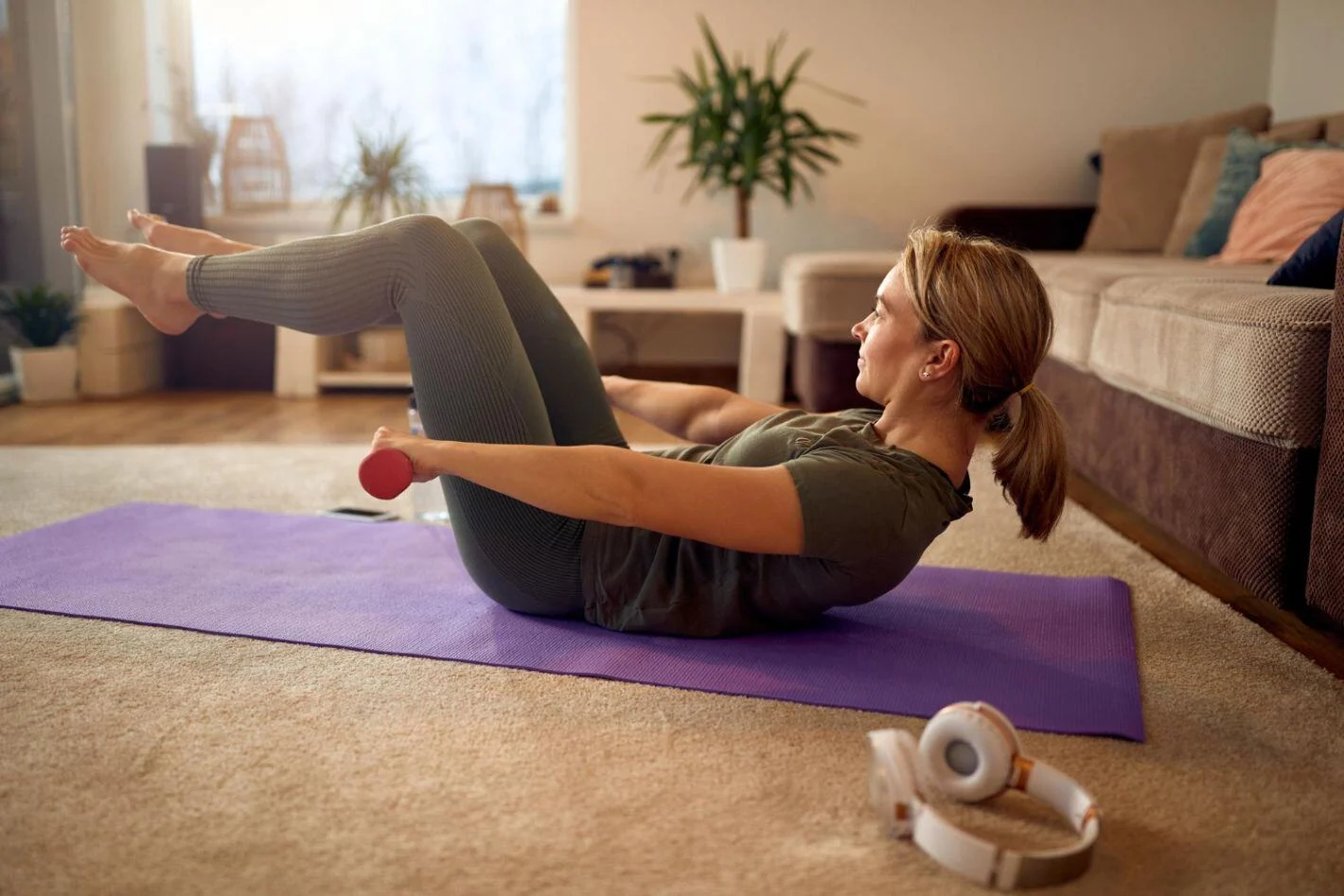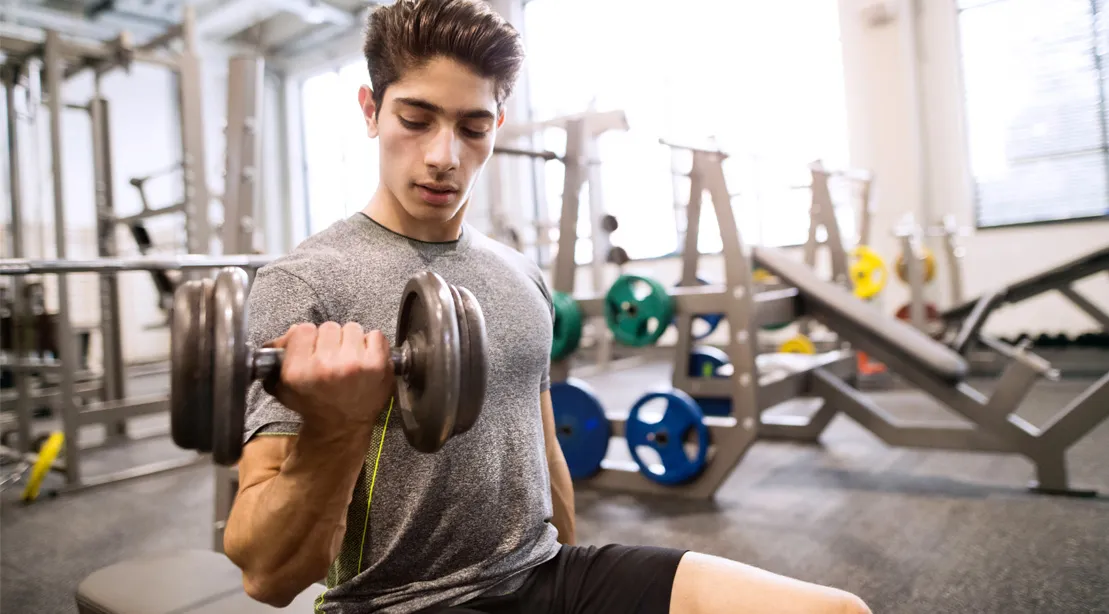
Strength Training for Beginners: A Comprehensive Guide

So, you’ve decided to start strength training? Excellent choice! Whether your goal is to tone up, build muscle, or simply get stronger, strength training is one of the best ways to boost overall fitness. However, if you’re new to it, the terminology and techniques may seem confusing. Don’t worry—this guide will help you start with confidence.

Let’s explore what strength training is and why it’s a game-changer for beginners.

What is Strength Training?

Strength training involves exercises that develop and enhance muscle strength, typically using resistance like weights, resistance bands, or even your own body weight. As you increase resistance over time, your muscles adapt by becoming stronger and more defined.

Why Strength Training is Essential for Beginners

Many think strength training is only for bodybuilders, but it’s for everyone! Whether you want to lose fat, tone up, or improve health, strength training offers numerous benefits.

Common Misconceptions About Strength Training

A common myth is that strength training makes you “bulky.” In reality, beginners primarily build lean muscle, aiding fat loss and improving definition. Another myth is that it’s only for younger individuals, but strength training benefits people of all ages by maintaining mobility and independence.

Benefits of Strength Training for Beginners

Physical Health Benefits

  • Muscle Development and Toning: Strength training builds lean muscle, improving both your appearance and functionality, making daily tasks easier.
  • Boosted Metabolism and Fat Loss: More muscle means your body burns more calories even at rest, helping with weight management.
  • Improved Bone Density: Weightlifting strengthens bones, reducing the risk of osteoporosis and fractures as you age.

Mental and Emotional Benefits

  • Increased Confidence and Mental Toughness: As you grow stronger, you’ll feel more empowered both in and out of the gym.
  • Reduced Stress and Anxiety: Like other exercises, strength training releases endorphins, helping you de-stress and feel better.

Basic Terminology in Strength Training

Before starting, learn these key terms:

  • Reps and Sets: A rep (repetition) is one complete movement of an exercise, while a set is a group of reps (e.g., 10 squats is 10 reps; doing that 3 times is 3 sets).
  • Compound Exercises: These engage multiple muscle groups (e.g., squats, deadlifts).
  • Isolation Exercises: These target a single muscle (e.g., bicep curls).

How to Start Strength Training: A Step-by-Step Guide

  • Setting Realistic Goals: Start with simple, measurable goals to stay motivated.
  • Assessing Your Fitness Level: Try bodyweight exercises to gauge your current strength, helping you choose the right weights and exercises.
  • Selecting a Training Plan: Choose between a full-body routine (working all muscle groups in one session) or a split routine (targeting different muscles on different days).

Essential Equipment for Strength Training

  • Free Weights: Dumbbells, barbells, and kettlebells form the base of strength training. Beginners should start with lighter weights (5-15 lbs) to learn proper form.
  • Resistance Bands: Affordable and versatile, these are great for beginners, especially for home workouts.
  • Weight Machines vs. Bodyweight Exercises: Machines guide movements and are safer for beginners, while bodyweight exercises (e.g., push-ups, lunges) are perfect for starting without equipment.

Warm-up and Cool-down Essentials

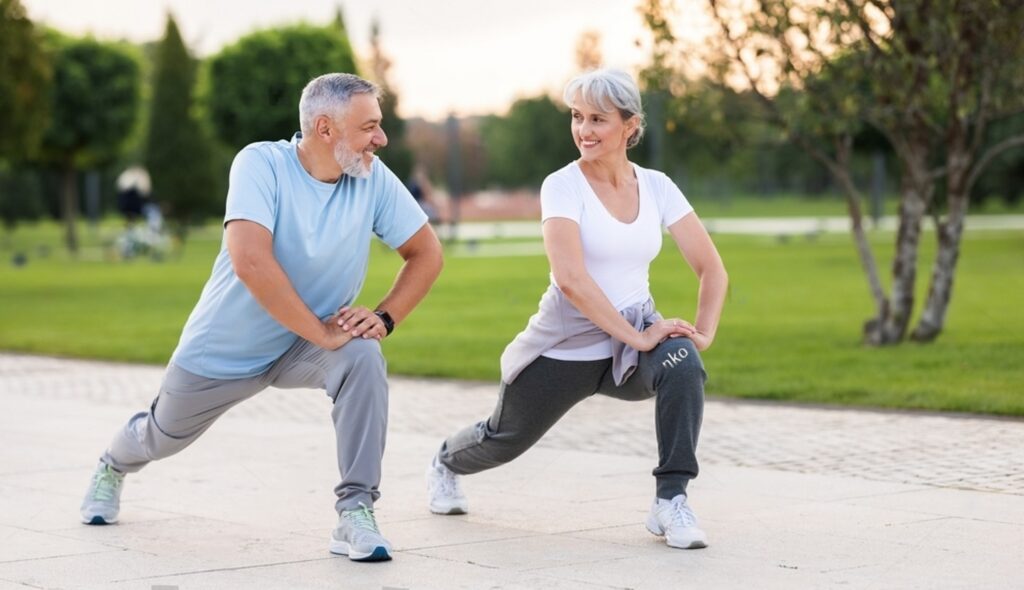
  • Dynamic Warm-up: A 5-10 minute warm-up, like jogging or leg swings, prepares your body for lifting.
  • Importance of Stretching: Cooling down with stretches helps prevent injuries and improves flexibility.

Key Strength Training Exercises for Beginners

  • Squats: Target legs and glutes, providing a full-body challenge.
  • Deadlifts: Strengthen the back, glutes, and hamstrings.
  • Bench Press: Works the chest, shoulders, and triceps.
  • Rows: Strengthen the back and improve posture.
  • Overhead Press: Focuses on shoulders and upper arms.

Creating a Strength Training Routine

As a beginner, aim for 2-3 sessions per week, allowing 48 hours between workouts for muscle recovery. Each session should last 45-60 minutes, focusing on both upper and lower body exercises.

Avoiding Common Mistakes in Strength Training

  • Lifting Too Much Too Soon: Start with lighter weights to focus on form before progressing.
  • Neglecting Proper Form: Correct form prevents injury and ensures you’re targeting the right muscles.

Rest and Recovery: Key to Progress

  • Importance of Sleep: Aim for 7-9 hours of sleep to allow muscles to recover.
  • Active Recovery: Light activities like walking or yoga can help reduce soreness between strength training sessions.

Diet and Nutrition for Strength Training

  • Protein for Muscle Growth: Protein aids muscle repair and growth after training. Include lean meats, eggs, or plant-based sources in each meal.
  • Carbs and Fats for Energy: Carbohydrates and healthy fats provide the energy needed for optimal workout performance.

Tracking Your Progress

  • Measuring Strength Gains: Track your weights, sets, and reps. Watching your progress is a great motivator!

Conclusion

Strength training may feel intimidating at first, but every pro was once a beginner. With a simple routine, focus on proper form, and consistency, you’ll see progress quickly. Enjoy the process of getting stronger—it’s empowering!

FAQs

  • How long to see results?: You’ll see strength improvements within 4-6 weeks, though visible muscle growth may take a bit longer.
  • Can I train without a gym?: Yes! Bodyweight exercises or resistance bands work great for at-home strength training.
  • What’s the best age to start?: There’s no “best” age. Strength training benefits everyone, whether you’re 16 or 60.
  • How much weight should I start with?: Begin with weights that allow you to do 8-12 reps with proper form, then gradually increase.
  • When to increase weight?: Once you can easily complete your target reps with good form, it’s time to add more weight.

A Step-by-Step Guide to Begin Working Out

Starting a workout routine might feel overwhelming, but with the right approach, it’s entirely manageable. Whether your goal is to get healthier, feel stronger, or increase daily movement, the key is to start wisely and remain consistent. This guide will take you through each step, showing you how to begin and, most importantly, how to stick with it!

Why You Should Begin Exercising Starting a workout routine offers numerous benefits, not just physically but also mentally and emotionally. It’s about more than just getting in shape or shedding weight.

Physical Benefits of Regular Exercise Frequent exercise improves heart health, builds muscle, strengthens bones, and helps maintain a healthy weight. You’ll notice increased stamina, a stronger body, and more energy to handle daily tasks.

Mental Health Benefits Exercise also greatly benefits the mind. Physical activity releases endorphins, known as “feel-good” hormones, which help lower anxiety, manage stress, and alleviate symptoms of depression.

How Exercise Enhances Your Everyday Life Working out can improve focus, boost mood, and promote better sleep. It’s also an opportunity to meet new people, build a sense of community, and improve self-confidence.

Identifying Your Fitness Goals Before diving into a workout plan, it’s important to define what you want to accomplish.

The Importance of Setting Clear Goals Clear fitness goals keep you motivated. Whether it’s losing weight, building muscle, or enhancing endurance, knowing your objectives will guide your workout routine.

Short-Term vs. Long-Term Goals Short-term goals act as stepping stones toward larger long-term objectives. For instance, running a mile without stopping could be a short-term goal, while completing a 5K race might be your long-term aim.

Tailoring Workouts to Your Goals Align your workout plan with your goals. Want to gain muscle? Focus on strength training. If improving cardio is your priority, engage in heart-pumping activities like running or cycling.

Selecting the Right Workout Program Not every workout program suits everyone, so it’s important to find one that works for you.

Strength Training, Cardio, and Flexibility A balanced workout routine should include strength training for muscle and bone health, cardio for heart health, and flexibility exercises to prevent injury.

Which Type of Exercise Is Right for You? Choose something you enjoy, whether it’s lifting weights, running, swimming, or yoga. If you don’t enjoy it, you’re less likely to stick with it.

Balancing Various Workouts It’s vital to mix up your routines. Focusing too much on one type of exercise can lead to burnout or injury. A well-rounded plan improves overall fitness and keeps things exciting.

Building a Consistent Workout Routine Consistency is crucial for progress. It’s better to exercise regularly at a moderate intensity than to push too hard occasionally.

How Frequently Should You Exercise? Beginners should aim for three to four workout days per week. This allows your body to adapt without feeling overwhelmed.

Creating a Weekly Workout Plan Start simple, with two days of cardio, two days of strength training, and one day for flexibility exercises like yoga. Adjust the plan as your fitness level improves.

The Value of Rest Days Rest days are essential for muscle recovery and injury prevention. They also help you recharge mentally.

The Role of Nutrition in Your Fitness Journey Exercise is only part of the equation; proper nutrition is equally important.

How Diet Affects Workout Results Without the right nutrition, your body won’t have the energy it needs for exercise. A balanced diet supports muscle growth, recovery, and fuels your body for workouts.

Pre- and Post-Workout Nutrition Eat a small meal with protein and carbs before exercising, and after your workout, consume protein to help repair and build muscle.

Staying Hydrated Water is vital for your body, especially when working out. Make sure to hydrate before, during, and after exercise.

Warming Up and Cooling Down Skipping warm-ups and cool-downs can lead to injury.

Why Warming Up is Important Warming up prepares your muscles for activity by increasing blood flow, reducing the risk of strains or pulls.

Effective Warm-Up Routines Light cardio and dynamic stretches are great ways to get your body ready for exercise.

Benefits of Cooling Down After Exercise Cooling down helps lower your heart rate and relax your muscles, aiding recovery.

Starting Small: The Key to Progression You don’t need to dive in with intense workouts right away.

Preventing Burnout by Pacing Yourself Pushing too hard too soon can cause exhaustion or injury. Start with light exercises and gradually increase intensity as you improve.

Increasing Intensity Gradually As you become stronger, add more weight, reps, or workout time. This gradual progression helps build endurance without overwhelming your body.

Tracking Your Progress Keep a workout log or use an app to track your progress. Watching how far you’ve come can be a strong motivator.

Staying Motivated and Overcoming Obstacles Starting is easy, but staying consistent is the real challenge.

How to Stay Consistent When Motivation Dips Stick to a schedule. Working out with a partner or joining a class can help keep you accountable.

Breaking Through Plateaus If progress stalls, mix up your routine, try new exercises, increase intensity, or tweak your diet to push past plateaus.

Celebrating Successes Reward yourself when you hit milestones. Whether it’s a new piece of workout gear or a cheat meal, celebrating helps maintain motivation.

The Importance of Proper Form Good form is crucial for safe and effective workouts.

Preventing Injuries Proper technique prevents injuries like strains and joint pain. If unsure, consult a trainer or watch instructional videos.

Learning from Experts (Personal Trainers or Online Resources) Hiring a trainer or using reputable online programs can ensure proper form and help you stay safe.

Common Form Mistakes to Avoid Common mistakes include arching your back during squats or locking knees during weightlifting. Always prioritize form over heavy weights.

Workout Gear: What You Need You don’t need fancy equipment to start, but some basic gear can help.

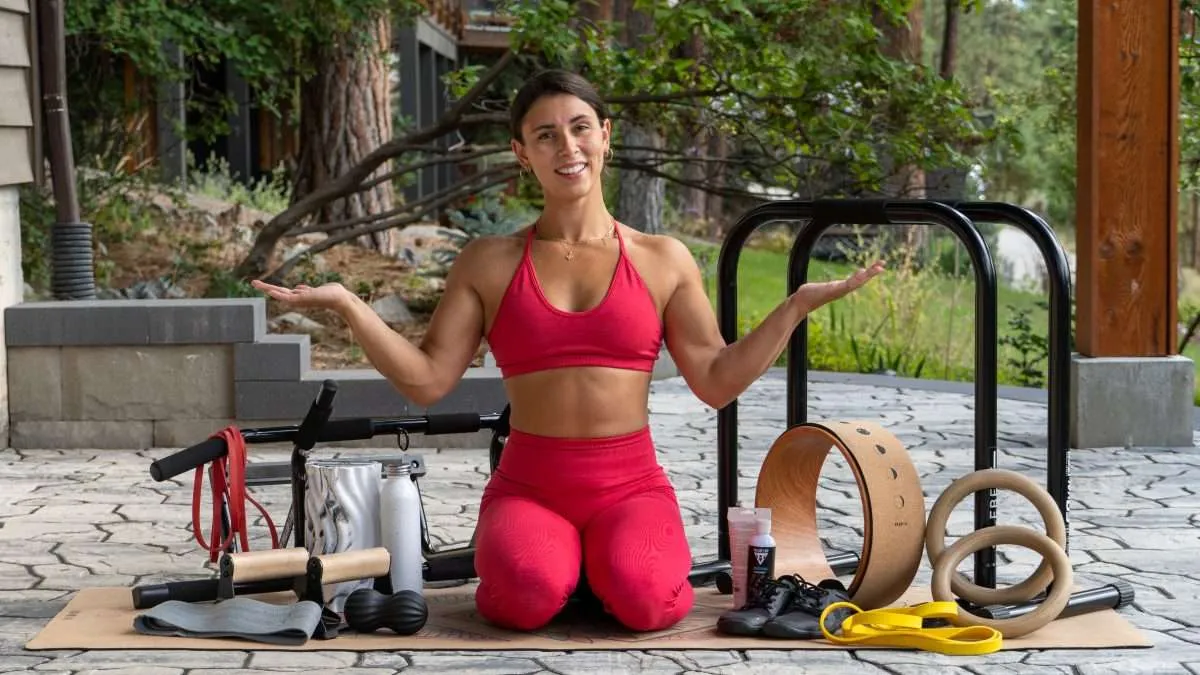
Essential Home Workout Equipment A yoga mat, dumbbells, and resistance bands are good starting tools. If you prefer bodyweight exercises, all you need is space.

Choosing Equipment for Different Workouts Depending on your goals, you might consider a kettlebell, jump rope, or exercise ball. Pick gear that aligns with your routine.

Wearing Comfortable Clothing and Footwear Wear clothes that allow you to move freely and shoes that offer proper support, especially for activities like running or weightlifting.

Tracking Progress and Adjusting Workouts Monitoring progress helps you stay on track.

Why Tracking Progress is Important Tracking allows you to see when it’s time to adjust your workouts. Improvements in strength or endurance boost confidence and keep you motivated.

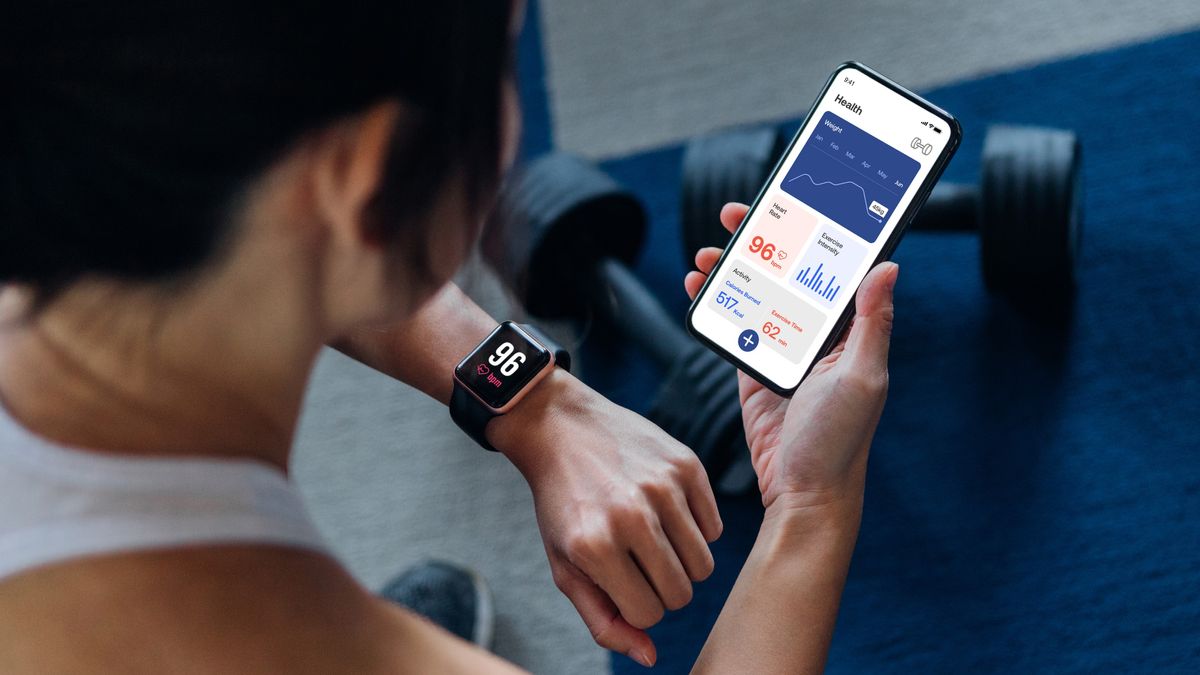
Tools for Monitoring Progress Fitness apps and watches can help track workouts, diet, and progress in real-time.

Adjusting Your Workouts As you get fitter, add more weight, increase reps, or try new exercises to continue challenging your body.

Dispelling Workout Myths There are many common misconceptions about working out that can be discouraging.

Debunking the “No Pain, No Gain” Myth Effective workouts don’t require extreme pain. Some muscle soreness is normal, but sharp pain signals something is wrong.

Spot-Reduction Doesn’t Work You can’t target fat loss in specific areas. Full-body workouts and overall weight loss are key.

The Cardio vs. Strength Debate Both cardio and strength training are essential. Cardio improves heart health and burns calories, while strength training builds muscle and boosts metabolism.

Finding Supportive Communities Having a support system can make a big difference in sticking to your routine.

Accountability and Success When someone holds you accountable, you’re less likely to skip workouts. Share your goals with a friend or join an online fitness group.

Exercising with a Partner Working out with someone else can make exercise more enjoyable and help you stay committed.

Conclusion Starting a workout routine is one of the best things you can do for your health. Though it may seem intimidating at first, taking small, consistent steps will help you build a sustainable and enjoyable fitness habit. Set realistic goals, be consistent, and don’t hesitate to seek help or change things up as needed. Stay patient, stay positive, and most importantly, enjoy the journey to becoming stronger and healthier.

10 Effective Home Workout Routines for All Fitness Levels

Home workouts have become a popular substitute for gym routines, appealing to fitness enthusiasts worldwide. Whether you’re a beginner or more advanced, home workouts provide flexibility, convenience, and cost savings. The best part? You don’t need expensive equipment or a large space. This guide will cover 10 effective home workout routines suited to all fitness levels, helping you stay fit from the comfort of your home.

Benefits of Home Workouts There are several reasons home workouts are a staple in modern fitness. First, they save time and money—no more gym commutes, membership fees, or waiting for equipment. Exercising at home offers the flexibility to fit workouts into your daily routine with ease.

Additionally, home workouts can be tailored to your goals. Whether you’re focusing on fat loss, muscle gain, or staying active, there’s a workout to suit your objectives. The key is consistency. You don’t need fancy equipment to see results—just a good plan and the discipline to stick to it.

Understanding Fitness Levels Before starting, it’s important to assess your fitness level. Are you a beginner, intermediate, or advanced? This ensures you’re selecting the appropriate routines for your current ability.

  • Beginner: You’re new to exercise or haven’t worked out in a while. Begin with low-impact exercises that build basic strength.
  • Intermediate: You’ve been working out regularly and can handle more intense exercises.
  • Advanced: You’ve been training for a while and are looking for more challenging routines.

Essential Equipment for Home Workouts While many home workouts use just bodyweight, some exercises benefit from basic equipment. Resistance bands, dumbbells, or a kettlebell are excellent investments that don’t require much space but can enhance your workouts. For those on a budget, household items like water bottles or a sturdy chair can be used as substitutes.

Routine 1: Bodyweight Circuit (Beginner) This routine is perfect for beginners as it requires no equipment and focuses on fundamental movements.

Exercises:

  • Squats: 3 sets of 12 reps
  • Push-ups: 3 sets of 10 reps (modified if necessary)
  • Lunges: 3 sets of 10 reps per leg
  • Plank: 3 sets of 30 seconds

This circuit targets several muscle groups, building overall strength and endurance. Adjust reps or sets based on your ability.

Routine 2: HIIT (High-Intensity Interval Training) (All Levels) HIIT alternates between bursts of intense activity and short rest periods, making it suitable for all fitness levels.

Sample Routine:

  • Burpees: 30 seconds on, 15 seconds rest
  • Mountain Climbers: 30 seconds on, 15 seconds rest
  • Jumping Jacks: 30 seconds on, 15 seconds rest
  • High Knees: 30 seconds on, 15 seconds rest

Repeat for 3-5 rounds. Beginners can reduce intensity or time, while advanced users can increase rounds or add tougher exercises.

Routine 3: Yoga Flow (Beginner to Intermediate) Yoga enhances flexibility, balance, and core strength. It’s a gentle way to start your fitness journey or complement more intense exercises.

Key Poses:

  • Downward Dog
  • Warrior II
  • Child’s Pose

Hold each pose for 20-30 seconds, focusing on breathing and alignment.

Routine 4: Strength Training with Dumbbells (Intermediate) If you have dumbbells, this routine helps build strength and muscle tone.

Exercises:

  • Deadlifts: 3 sets of 12 reps
  • Shoulder Press: 3 sets of 10 reps
  • Bicep Curls: 3 sets of 12 reps
  • Bent-over Rows: 3 sets of 12 reps

Start with lighter weights and increase as you gain strength.

Routine 5: Pilates Core Workout (Beginner to Intermediate) Pilates is ideal for improving core stability and strength without adding bulk.

Exercises:

  • Leg Circles: 2 sets of 10 per leg
  • Planks: 3 sets of 30 seconds
  • Hundred: 1 set of 100 pulses
  • Rolling Like a Ball: 2 sets of 10 reps

These exercises focus on deep core muscles, enhancing posture and body strength.

Routine 6: Cardio Kickboxing (All Levels) Cardio kickboxing combines punches and kicks for a fun, full-body workout that boosts your energy.

Moves:

  • Jab, Cross, Hook, Uppercut: 30 seconds each
  • Front Kicks and Side Kicks: 30 seconds each

Repeat for 3-5 rounds. This workout improves cardiovascular fitness, coordination, and agility.

Routine 7: Plyometrics (Advanced) For advanced fitness enthusiasts, plyometrics provide explosive power and agility.

Exercises:

  • Box Jumps: 3 sets of 10 reps
  • Jump Squats: 3 sets of 12 reps
  • Plyo Push-ups: 3 sets of 8 reps

These exercises enhance muscle strength, speed, and endurance.

Routine 8: Resistance Band Workout (Intermediate to Advanced) Resistance bands add tension to your workout without needing heavy weights.

Exercises:

  • Lateral Band Walks: 3 sets of 12 steps each direction
  • Band Pull-aparts: 3 sets of 15 reps
  • Chest Press: 3 sets of 12 reps

The bands engage muscles in ways that dumbbells can’t, increasing muscle activation.

Routine 9: Stretch and Mobility Routine (All Levels) Stretching promotes flexibility, mobility, and injury prevention.

Dynamic Stretches:

  • Hip Circles
  • Arm Swings
  • Leg Swings

Always finish your workout with 5-10 minutes of stretching to aid recovery.

Routine 10: Full-body Kettlebell Workout (Intermediate to Advanced) Kettlebell workouts build strength, endurance, and coordination.

Exercises:

  • Kettlebell Swings: 3 sets of 15 reps
  • Goblet Squats: 3 sets of 12 reps
  • Kettlebell Deadlifts: 3 sets of 12 reps

Prioritise good form to prevent injury and get the most from this full-body routine.

Tips for Staying Consistent with Home Workouts Consistency is crucial to achieving results. Create a routine that fits your lifestyle and stick to it. Set reminders, prepare your workout clothes ahead of time, or follow online workout videos for added motivation. The key is to keep moving!

Conclusion Home workouts offer an effective and convenient way to maintain fitness, no matter your experience level. From bodyweight circuits to kettlebell exercises, there’s something for everyone. Whether your goal is strength, endurance, or flexibility, consistency and gradual progression will lead to great results. Remember, fitness is a journey, and you can make fantastic progress from your living room.

FAQs

  • How often should I do these workouts?
    Aim for 3-5 sessions a week, depending on your goals and recovery.
  • Can I build muscle without heavy equipment?
    Yes, bodyweight exercises and resistance bands are effective for muscle building.
  • What if I have limited space?
    Most routines require minimal space—a yoga mat-sized area is often sufficient.
  • How long should each workout be?
    Ideally, 30-45 minutes, including warm-up and cool-down.
  • Do I need to follow a specific order?
    No, feel free to mix and match routines, but ensure variety to target different muscles.

Best Wearable Fitness Tech of the Year

In today’s fast-paced fitness world, wearable technology is more vital than ever in helping people meet their health and fitness goals. These devices have advanced from simple trackers to essential tools that combine both style and functionality. With so many options available, how can you choose the right one? This article explores the best wearable fitness technology of the year, focusing on key features and ease of use.

What Makes a Wearable Fitness Device Stand Out?

Not all fitness wearables are equal, and the top ones excel in several key areas. Here’s what defines the best wearable fitness tech:

  • Accuracy: Accurate tracking of metrics like steps, heart rate, and sleep is essential, and the best wearables use advanced sensors to ensure precision.
  • Ease of Use: Navigating the device and its companion apps should be straightforward and user-friendly.
  • App Integration: Smooth syncing with popular apps like Strava, Apple Health, and Google Fit is a must.
  • Battery Life & Durability: A good wearable should last through long workouts and be durable enough for daily use.
  • Design & Comfort: Wearables are now fashion items as much as functional tools, so comfort and appearance are important too.

Top Wearable Fitness Devices for 2024

Based on these key criteria, here are the top wearable fitness tech devices of the year.

  1. Apple Watch Series 9
    The Apple Watch Series 9 is a top contender, offering a balanced mix of health tracking, fitness monitoring, and smart features.
    • Features: Includes ECG, blood oxygen monitoring, mindfulness tools, GPS, and fall detection.
    • Tracking: Monitors basic activity as well as advanced health data like VO2 max.
    • Pros: Excellent integration with Apple products and a highly intuitive interface.
    • Cons: Higher price, especially for models with cellular connectivity.
    • Best For: Those invested in the Apple ecosystem and looking for a premium, versatile fitness tracker.
  2. Garmin Fenix 7
    Designed for serious athletes, the Garmin Fenix 7 is a rugged device with comprehensive tracking capabilities.
    • Advanced Tracking: Specialized metrics for activities like running, swimming, and cycling.
    • Battery Life: Lasts up to two weeks in smartwatch mode, and 57 hours with GPS.
    • Ideal For: Ultra-athletes and outdoor adventurers who need durable, reliable performance.
  3. Fitbit Charge 6
    The Fitbit Charge 6 is a budget-friendly option packed with features.
    • Features: Tracks heart rate, sleep, GPS, and Active Zone Minutes.
    • Why It Stands Out: Affordable, with a simple interface ideal for beginners or casual users.
  4. WHOOP 4.0
    The WHOOP 4.0 focuses on recovery and performance, offering in-depth health insights through a subscription model.
    • Pros: Excellent data on recovery, strain, and sleep.
    • Cons: Monthly subscription fees can add up.
    • Best For: Serious athletes focusing on recovery and performance improvement.
  5. Oura Ring Gen 3
    For those seeking a minimalist fitness tracker, the Oura Ring Gen 3 is a discreet and stylish choice.
    • Focus: Primarily tracks recovery, wellness, and sleep in a sleek ring design.
    • Best For: Users who prioritize recovery and want a subtle, unobtrusive wearable.

Wearables for Specialized Fitness Needs

  1. Polar Vantage V2
    Perfect for endurance athletes, the Polar Vantage V2 excels in accuracy and offers customized training programs.
    • Key Feature: Polar’s Training Load Pro, which helps optimize workout intensity.
  2. Suunto 9 Peak Pro
    Built for adventurers, the Suunto 9 Peak Pro is designed to endure extreme conditions like high altitudes and freezing temperatures.
    • Best For: Mountain athletes and trail runners who need robust navigation and long-lasting battery life.

Trends Shaping the Future of Wearable Fitness Tech

  • AI Integration: Wearables are becoming smarter, using AI to provide personalized coaching, predict injuries, and tailor workout recommendations.
  • Advanced Health Monitoring: Devices now offer more than just activity tracking, monitoring vital metrics like blood oxygen levels, ECG, and stress, helping with preventive health care.
  • Sustainability: Companies are increasingly using eco-friendly materials and designs, including solar-powered devices and recyclable packaging.

Choosing the Right Wearable for Your Needs

It’s essential to select a device that matches your fitness goals. Runners may prioritize GPS accuracy, while casual users may prefer simple activity tracking and sleep monitoring.

  • Compare Prices: Balance cost with features you’ll actually use.
  • Comfort: Since you’ll wear the device daily, comfort and how it fits into your lifestyle are important considerations.

Wearables and Long-Term Health

Wearables aren’t just for fitness—they’re also great tools for long-term health management. They track vital health metrics, encourage consistency, and help manage chronic conditions.

Conclusion

The best wearable fitness tech of the year offers something for everyone, whether you’re looking for a high-end device like the Apple Watch Series 9 or a specialized tool like the Oura Ring Gen 3. With ongoing advancements in AI, health monitoring, and sustainability, wearables are only going to become more integral to our fitness routines. Whether you’re a beginner or a professional athlete, wearable fitness tech can help boost your performance and well-being.

FAQs

  1. What’s the best wearable for casual users?
    The Fitbit Charge 6 is an affordable, user-friendly option for casual fitness tracking.
  2. How long do fitness wearables last?
    Most last 3-5 years, depending on use and maintenance.
  3. Can wearables help with health management?
    Yes, they track vital signs and promote healthy habits that help manage chronic conditions.
  4. Are wearables accurate?
    Top devices offer highly accurate data, though accuracy can vary based on factors like fit.
  5. Do wearables require a subscription?
    Some, like WHOOP, require a subscription for full access to insights, but many others don’t.

Top Tips for Avoiding Workout Injuries

When you’re working towards your fitness goals, the last thing you want is an injury to derail your progress. Injuries can be frustrating and set you back, but with the right knowledge and approach, most can be avoided. Whether you’re a beginner or a seasoned athlete, preventing injuries should always be a priority. In this guide, we’ll outline the top tips to help you avoid common workout injuries, allowing you to stay focused on achieving your fitness goals safely.

Know Your Limits A key cause of workout injuries is pushing yourself too hard, too soon. While it’s tempting to go all out when you’re motivated, knowing your limits is essential to avoid unnecessary strain.

Understand Your Fitness Level Before starting a new workout plan, assess your current fitness level. Are you a beginner, intermediate, or advanced? Understanding where you stand will help you choose exercises and intensity levels suited to your body.

Start Slow and Build Gradually When starting a new exercise routine or returning after a break, don’t rush. Starting slowly and building up gradually allows your body to adapt to new movements, much like learning a new skill.

Listen to Your Body Your body sends signals when something isn’t right, such as pain, soreness, or fatigue. Ignoring these signs can lead to injury. If something feels off, stop, rest, or modify the exercise.

Warm-Up and Cool Down Warming up and cooling down are vital parts of a workout, yet they’re often overlooked. Skipping these steps can lead to muscle stiffness and injury.

Importance of a Warm-Up A proper warm-up boosts blood flow to your muscles, preparing them for the workout ahead. It’s like preheating an oven—without it, cold muscles are more prone to injury.

Effective Warm-Up Techniques Dynamic warm-ups that get your body moving, like light jogging or jumping jacks, increase your heart rate and mobilise your joints, preparing you for more intense activity.

Cool Down to Aid Recovery Cooling down helps your muscles and heart rate return to normal. Gentle stretches and slower movements post-exercise help reduce soreness and aid recovery.

Maintain Proper Form Using the correct form during exercise is crucial in preventing injury. Poor form can put unnecessary stress on muscles, joints, and ligaments.

Why Form is More Important Than Weight Lifting heavier weights can be tempting, but good form is more important than how much you lift. Using incorrect technique to handle heavier weights increases your risk of injury. Focus on form first, and the weight will follow.

Common Form Mistakes Rounding your back during deadlifts or squats, locking your knees, or letting your shoulders slump are common mistakes that can strain your body. Pay attention to posture and ensure the right muscles are engaged.

Consider a Personal Trainer If you’re unsure about your form, consider hiring a personal trainer, even if just for a few sessions. They can guide you on proper technique and help prevent mistakes that lead to injury.

Use the Right Equipment The correct gear and equipment are essential for injury prevention. Poor-quality or improperly adjusted equipment can lead to strains or sprains.

Importance of Good Footwear Wearing the right shoes for your activity is key to avoiding injury. For example, running shoes provide cushioning for impact, while weightlifting shoes offer a stable base. The wrong shoes can lead to issues like shin splints or ankle injuries.

Protective Gear for High-Impact Sports If you’re into high-impact sports like cycling or martial arts, wearing protective gear is vital. Helmets, knee pads, and wrist guards can prevent serious injuries.

Hydrate Properly Hydration is often overlooked but is critical for preventing injury. Dehydration can lead to fatigue, cramps, and poor concentration, all of which can increase the risk of injury.

How Dehydration Raises Injury Risk When dehydrated, muscles become less flexible, making them more prone to injury. Dehydration also affects your focus, which can lead to mistakes in form.

Stay Hydrated Throughout Your Workout Drink water regularly throughout the day, not just when you’re exercising. During your workout, take small sips, especially during long sessions or in hot weather.

Incorporate Strength Training Strength training helps prevent injury by building muscles that support your joints, reducing the likelihood of strains.

Strengthen to Protect Adding strength exercises to your routine balances the muscles around your joints, making them more stable and better at absorbing impact.

Focus on Core Strength A strong core is essential for good posture and balance. Weak core muscles can lead to compensatory movements that cause injury. Exercises like planks or leg raises strengthen your core and prevent lower back pain.

Rest and Recovery Rest is often undervalued, but it’s crucial for preventing injury. Muscles need time to repair and grow, and skipping rest can lead to overuse injuries.

The Importance of Rest Days Rest days allow your body to recover, especially after intense workouts. Without rest, you risk injuries such as stress fractures or tendonitis.

Cross-Training for Balance Focusing too much on one type of exercise can lead to muscle imbalances. Cross-training with different activities helps prevent this and keeps your body balanced.

Avoid Muscle Imbalances Repeating the same exercises can cause some muscles to strengthen while others remain weak, increasing injury risk. Cross-training helps work different muscles and prevents repetitive strain injuries.

Stretch Regularly Stretching improves flexibility, which is crucial for preventing injuries. Flexible muscles are less likely to tear or strain during workouts.

The Role of Flexibility Flexibility allows a greater range of motion, reducing the chance of injury during exercises that involve stretching or wide movements.

Dynamic vs Static Stretching Dynamic stretches (such as leg swings) before a workout help warm muscles up, while static stretches post-workout improve flexibility and reduce stiffness.

Avoid Overtraining Too much exercise without adequate recovery leads to injury. Overtraining causes both physical injuries and mental burnout.

Balance Intensity with Rest Finding a balance between intense workouts and recovery days is key to staying injury-free. Rest and lighter activities should follow high-intensity sessions.

Conclusion Preventing workout injuries is about exercising smartly. By understanding your limits, focusing on form, staying hydrated, and allowing for recovery, you can significantly reduce the risk of injury. Keeping injury-free is essential to maintaining consistency, which is the key to reaching your fitness goals.

FAQs

What is the best warm-up before a workout?
Dynamic movements like jogging or arm circles are great for increasing heart rate and blood flow.

How can I prevent knee injuries while running?
Wearing the right shoes, maintaining good form, and strengthening your leg muscles can help protect your knees.

Is stretching necessary to prevent injuries?
Yes, stretching improves flexibility, which reduces the risk of muscle and joint injuries.

How often should I rest between workouts?
You should aim for one or two rest days per week, depending on your workout intensity.

What should I do if I feel pain during exercise?
Stop immediately if you feel pain. Rest, assess the pain, and seek advice if it persists.

Adjustable Dumbbells Review: Pros and Cons

In today’s fitness world, more individuals are choosing to work out at home, with adjustable dumbbells becoming a key piece of equipment for this trend. They offer flexibility, convenience, and an efficient way to manage your workout routine. But are they really as beneficial as they appear? Let’s explore the pros and cons to determine if they’re a good fit for your workout regimen.

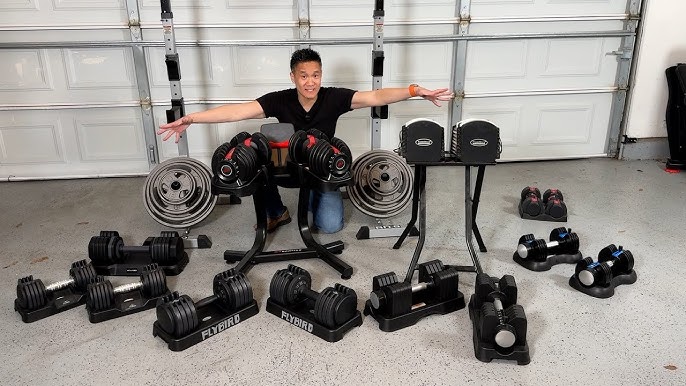
What Are Adjustable Dumbbells? Adjustable dumbbells are a modern form of weightlifting equipment that allows users to alter the weight on a single pair of dumbbells, eliminating the need for an entire rack of fixed-weight ones. Using an adjustment mechanism, such as a dial or pin, you can easily select the desired weight for each exercise. This makes them a practical and space-saving solution for home gyms.

How Adjustable Dumbbells Work The magic of adjustable dumbbells lies in their easy-to-use mechanism. They typically come in two main styles:

  • Dial-a-weight systems: These use a rotating dial to add or remove weight plates. Bowflex is a well-known brand for this model.
  • Plate-load systems: Similar to traditional weight bars, these involve manually adding or removing weight plates on a smaller scale.

Both types allow for quick weight changes, making them ideal for circuit training or exercises that require frequent adjustments.

Benefits of Adjustable Dumbbells

Space-Saving Design Adjustable dumbbells are perfect for those short on space. A traditional set can take up an entire rack, while adjustable dumbbells typically occupy just a small amount of floor space. This makes them ideal for smaller homes, flats, or even a bedroom corner.

Cost-Effective While the initial cost of adjustable dumbbells may be higher, they prove more economical over time. You get a wide range of weights in one compact set, eliminating the need to buy multiple fixed-weight dumbbells.

Versatility Adjustable dumbbells cater to a variety of exercises, whether you’re focused on strength, hypertrophy, or endurance. The ability to quickly change weights allows you to seamlessly move between exercises without needing different sets of dumbbells, making them perfect for full-body workouts.

Customisable Weight Options With a range of weights often starting from as little as 2kg and going up to 25kg or more, adjustable dumbbells are suitable for both beginners and intermediate lifters. The quick adjustment feature is especially useful for high-intensity interval training (HIIT) or supersets.

Ideal for Home Workouts If your aim is to work out at home, adjustable dumbbells are an excellent option. Their compact size means you don’t need a dedicated gym space. Whether you’re doing strength training, cardio, or yoga, adjustable dumbbells can fit into various workout routines.

Build Quality and Durability High-quality adjustable dumbbells are built from robust materials like steel or reinforced plastic, ensuring longevity. Premium models may even come with lifetime warranties, though cheaper versions might not be as durable, potentially showing wear over time.

Cons of Adjustable Dumbbells

Cost Concerns Despite being cost-effective in the long term, the initial investment can be high, particularly for premium brands such as Bowflex or PowerBlock. This could be a limitation for those on a tighter budget.

Durability Issues Some models, especially lower-priced ones, may not be as durable as traditional dumbbells. Parts like the dials or adjustment mechanisms can wear out or malfunction over time. Dropping adjustable dumbbells can also cause damage, unlike fixed-weight versions which tend to be sturdier.

Limited Weight Range for Advanced Lifters Although adjustable dumbbells offer a decent weight range, they may not suffice for advanced lifters. Many models max out around 25-30kg per dumbbell, which could be insufficient for those looking to lift heavier weights.

Comparison with Traditional Dumbbells While traditional dumbbells are simple and highly durable, they require more space and a larger financial commitment for a complete set. Adjustable dumbbells offer a space-saving and cost-efficient alternative, though they may lack the robustness and flexibility required by some lifters.

Types of Exercises You Can Perform with Adjustable Dumbbells With adjustable dumbbells, you can perform a wide range of exercises. Popular options include:

  • Upper Body: Bench press, bicep curls, shoulder press, tricep extensions.
  • Lower Body: Squats, lunges, deadlifts.
  • Full Body: Rows, snatches, and various core exercises.

Adjustable Dumbbells vs Other Home Gym Equipment Compared to other home gym equipment such as kettlebells or resistance bands, adjustable dumbbells provide a balanced combination of strength training and flexibility. While kettlebells are great for functional fitness and resistance bands offer portability, adjustable dumbbells give a more comprehensive strength workout.

Safety Considerations When using adjustable dumbbells, ensure that the weights are securely locked in place before lifting. Avoid dropping them to prevent damage, and conduct regular maintenance, such as cleaning the dials and checking for signs of wear, to keep them in good condition.

Popular Brands of Adjustable Dumbbells Some top brands in the adjustable dumbbell market include:

  • Bowflex: Renowned for its dial-a-weight technology and sleek design.
  • PowerBlock: Known for its block-style design and solid build.
  • NordicTrack: Offers a good weight range at a reasonable price.

Factors to Consider Before Buying When considering adjustable dumbbells, think about:

  • Budget: Higher-end models cost more but offer better durability.
  • Weight Range: Ensure the range suits your fitness needs.
  • Storage: Choose a model that fits the space you have available.
  • Build Quality: Invest in a durable, well-constructed model for long-term use.

Conclusion In conclusion, adjustable dumbbells provide a great balance of convenience, versatility, and cost-effectiveness, making them an ideal choice for home workouts. However, they do come with limitations, particularly concerning durability and weight range for advanced users. If you’re after a flexible and space-saving solution, adjustable dumbbells are well worth considering, though heavy lifters may want to explore other options.

FAQs

  • Are adjustable dumbbells worth the investment? Yes, especially if you’re looking to save space and money over time.
  • How do you maintain adjustable dumbbells? Regularly clean the weight plates and mechanisms, and store them in a dry, safe area.
  • Can adjustable dumbbells replace a full set of weights? For most users, yes, as they offer a broad weight range that suits various fitness levels.
  • What’s the best weight range for beginners? A set ranging from 2kg to 20kg is usually sufficient for beginners.
  • How long do adjustable dumbbells last? With proper care, high-quality models can last for many years or even a lifetime.

Low-Impact Workouts for Seniors: Stay Active Safely

Introduction

Maintaining an active lifestyle as we age is essential for both physical and mental well-being. However, not all exercises are suitable for seniors who may need to be mindful of joint health, balance, and mobility limitations. This is where low-impact workouts come into play. These exercises are gentle on the body but still highly effective in keeping seniors fit, healthy, and mobile. Let’s explore some excellent low-impact workouts designed to help seniors stay active while prioritizing safety.

Why Low-Impact Workouts Are Ideal for Seniors

As the body ages, it undergoes natural changes, making it necessary to choose exercises that accommodate these shifts. Low-impact workouts are ideal because they offer the benefits of exercise without excessive strain on the joints. This is especially important for seniors dealing with arthritis or joint pain.

Low-impact exercises minimize jarring movements, unlike high-impact activities like running or jumping. These gentler exercises carry a lower risk of injury, making them perfect for seniors. They’re easy on the joints yet effective in enhancing cardiovascular health, building strength, and improving mobility.

How Low-Impact Workouts Enhance Overall Health

Besides being joint-friendly, low-impact workouts bring many health benefits. Regular exercise improves cardiovascular health by promoting better blood circulation and heart function. Activities such as yoga or Tai Chi enhance flexibility and mobility, helping to reduce the likelihood of falls.

Physical activity also has mental health benefits. It can boost mood, reduce stress, and improve sleep. Moreover, staying active can help maintain cognitive sharpness, which is vital for seniors looking to preserve their independence.

Safety Tips for Senior Workouts

Before beginning any exercise routine, seniors should consult a healthcare professional. This ensures that the chosen exercises align with their fitness level and any underlying health conditions.

Once approved, it’s important to start slowly and gradually increase intensity. Hydration is crucial, so drinking water before, during, and after exercise is necessary to avoid dehydration or fatigue. Seniors should also be mindful of how their bodies feel during exercise, avoiding pain to prevent injury.

Low-Impact Workouts for Seniors

There are numerous low-impact exercises suited for seniors. Here are a few popular options:

  • Walking: A simple and accessible exercise that improves cardiovascular health, strengthens muscles, and enhances mood without straining the body.
  • Swimming and Water Aerobics: Water exercises are excellent for seniors as water supports the body, reducing joint pressure while providing resistance for a good workout.
  • Cycling: Using a stationary bike or cycling outdoors at a leisurely pace gets the heart pumping without putting stress on the joints.
  • Chair Exercises: Seated exercises are great for seniors with balance concerns. These can range from stretches to strength exercises, like leg lifts or using light weights.

Stretching and Flexibility Workouts

Maintaining flexibility is vital for seniors to prevent injuries and maintain independence. Simple stretching exercises, like reaching for your toes or gentle torso twists, help keep muscles flexible and avoid stiffness.

  • Yoga for Seniors: Gentle yoga is ideal for improving flexibility, balance, and strength. Many yoga studios offer classes tailored to seniors, focusing on safe, gentle poses.

Strength Training with Minimal Impact

Strength training is essential for preserving muscle mass and bone health in seniors. Low-impact strength exercises, such as using resistance bands, light weights, or bodyweight exercises like wall push-ups, help maintain muscle strength without overexertion.

Balance and Coordination Workouts

Balance tends to decline with age, but it can be improved through specific exercises.

  • Tai Chi: This ancient Chinese practice involves slow, deliberate movements and deep breathing, making it perfect for enhancing balance and coordination.
  • Simple Balance Exercises: Practicing standing on one foot or walking heel-to-toe can improve balance. Holding onto a chair can provide extra support if needed.

Core Strength and Stability Exercises

A strong core contributes to better stability and reduces the risk of falls. Low-impact core exercises like seated knee lifts, pelvic tilts, or gentle planks help strengthen the core muscles, enhancing posture and balance.

Using Fitness Aids for Low-Impact Workouts

Fitness tools like resistance bands, stability balls, and foam rollers can add variety to a workout routine. These aids help seniors exercise safely while increasing support or resistance, making the workout more effective.

Home-Based Low-Impact Workouts

One of the best aspects of low-impact workouts is that many can be done at home. Simple routines like seated stretches, walking indoors, or doing chair yoga don’t require special equipment, allowing seniors to stay active from the comfort of home.

Group Classes and Social Benefits

For those seeking social interaction, group fitness classes are a great option. Many gyms and community centers offer senior-specific classes like water aerobics or Zumba Gold, designed to be fun and safe. Group workouts provide motivation and a sense of community.

Tips for Staying Motivated with Low-Impact Workouts

Staying motivated can be challenging, but there are ways to stay on track. Setting small, attainable goals, like increasing daily steps, can boost motivation. Tracking progress helps highlight achievements, and rewarding yourself for sticking to your routine keeps you committed.

Common Pitfalls to Avoid in Senior Workouts

A common mistake is doing too much, too soon. Seniors should listen to their bodies and pace themselves. Overdoing it can lead to injury, so taking rest days and warming up before exercise is essential.

Conclusion

Low-impact workouts are an excellent way for seniors to stay active while protecting their bodies from unnecessary strain. Exercises like walking, swimming, and chair workouts can be easily incorporated into a routine, helping seniors enjoy the benefits of regular physical activity without the risk of injury. The key is consistency, so start slow, stay safe, and keep moving!

FAQs

  • What are the best low-impact exercises for seniors with arthritis? Water aerobics, chair exercises, and yoga are great options, as they are gentle on the joints while improving flexibility and strength.
  • How often should seniors do low-impact workouts? Ideally, seniors should aim for 150 minutes of moderate exercise per week, which can be broken into shorter sessions throughout the week.
  • Can low-impact workouts aid in weight loss? Yes, exercises like walking and swimming can support weight loss when combined with a healthy diet and consistent routine.
  • Is low-impact exercise safe for seniors with heart conditions? After consulting a healthcare provider, many low-impact exercises like walking and cycling are beneficial for heart health and can be safely done.
  • How can seniors make workouts more fun and engaging? Try new exercises, listen to music, or join a group class. Adding social or enjoyable elements can make exercise more engaging.

Top Fitness Trends to Watch in 2024

In the ever-evolving world of health and wellness, fitness trends are constantly changing. Whether you’re a fitness pro or just starting out, staying updated on these trends can keep your workouts fresh, effective, and aligned with your goals. In 2024, the fitness industry is buzzing with innovations, from hybrid workouts to AI-powered fitness plans. This article highlights the key fitness trends to keep an eye on in the upcoming year.

Hybrid Fitness Programs

What Are Hybrid Fitness Programs?
A major trend in 2024 is hybrid fitness programs. These combine in-person training with digital workouts, offering the flexibility to alternate between gym and home sessions. Initially gaining popularity during the pandemic, hybrid programs offer a balanced mix of flexibility and variety.

Benefits of Hybrid Fitness Training
The primary advantage of hybrid fitness is its adaptability. Whether you’re traveling, short on time, or simply prefer working out from home, hybrid programs allow you to maintain your routine with ease, offering both the personal connection of gym sessions and the convenience of at-home workouts.

Popular Hybrid Workouts
Companies like Peloton, F45, and Orangetheory have mastered the hybrid model, blending live and on-demand classes, and allowing users to switch between in-studio and app-based routines.

AI and Personalized Fitness Plans

The Role of AI in Fitness
AI is revolutionizing the fitness world by offering apps and devices that analyze your form, movements, and performance, providing real-time feedback and adjustments to optimize your workout.

Personalized Workouts Through AI
AI uses data from your workouts, body metrics, and fitness goals to create tailored routines. Apps like Freeletics and Future use AI to customize workouts based on your strengths, weaknesses, and progress, ensuring continuous challenge and avoiding plateaus.

Top AI Fitness Apps for 2024
Apps like JaxJox and Tempo combine AI with fitness equipment, offering real-time feedback on form while tracking your progress.

Mental Health-Focused Workouts

Physical Fitness and Mental Well-being
In 2024, there’s a growing focus on workouts that address mental health. While physical activity has long been known to reduce stress, new fitness programs are incorporating mindfulness and stress-relief techniques.

Mindfulness in Workouts
Practices like yoga and Pilates, already known for promoting mind-body connection, are now joined by breathwork classes, meditation-focused strength training, and sound bath sessions, which blend physical exercise with mental clarity.

Leading Mental Health-Focused Fitness Programs
Companies like Calm and Headspace are expanding into fitness, offering programs that combine mental health techniques with physical activity to reduce stress while maintaining fitness.

Wearable Tech for Comprehensive Tracking

Growth of Wearables in 2024
Fitness trackers and smartwatches are advancing rapidly, now offering more than just step counts. These devices track heart rate variability, sleep patterns, and stress levels for a comprehensive health overview.

Latest Fitness Tracker Features
Newer wearables can measure VO2 max, monitor hydration levels, and track oxygen saturation during workouts. Devices like the Apple Watch, WHOOP, and Oura Ring provide valuable insights to optimize training and recovery.

Enhancing Workouts with Wearables
By tracking key metrics, wearables help ensure that you exercise at the right intensity, rest when necessary, and monitor your progress effectively.

Virtual Reality (VR) Fitness

Immersive VR Workouts
Virtual Reality (VR) is transforming fitness by providing an immersive experience that makes exercise more engaging. VR fitness feels like stepping into a game, but you’re getting a full workout.

Benefits of VR Fitness
Beyond being fun, VR workouts improve coordination and balance. They also offer excellent cardio training, often requiring dynamic movements like dodging and jumping.

Top VR Fitness Platforms
Apps like Supernatural and FitXR lead the VR fitness space, delivering gamified experiences that make staying active enjoyable.

Holistic Wellness and Recovery

Emphasis on Recovery in 2024
Recovery is just as important as the workout itself. In 2024, holistic wellness takes center stage, with more focus on practices that enhance rest and recovery.

Popular Recovery Trends
Cryotherapy, infrared saunas, and float therapy are gaining popularity for their ability to accelerate recovery, reduce inflammation, and improve mental clarity.

Incorporating Recovery into Your Routine
Adding foam rolling, stretching, and massage therapy to your post-workout routine can improve muscle recovery and prevent injuries.

Functional Training for Daily Life

What is Functional Training?
Functional training involves exercises that improve your ability to perform daily activities. These workouts mimic movements like squatting, lifting, pushing, and pulling.

Importance of Functional Fitness
As we age, maintaining mobility and strength becomes crucial for overall health. Functional fitness enhances balance, coordination, and strength, helping with everyday tasks.

Simple Functional Movements
Exercises like squats, lunges, and kettlebell swings are excellent for functional fitness, targeting multiple muscle groups and mimicking real-life movements.

Sustainable Fitness and Eco-Friendly Workouts

Sustainable Fitness Explained
Sustainability is becoming a priority in fitness, with more people adopting eco-friendly practices, from using reusable water bottles to supporting gyms that embrace green initiatives.

Eco-Conscious Gyms and Practices
In 2024, many gyms are prioritizing sustainability by using renewable energy, offering eco-friendly products, and using sustainable materials in their design.

Making Your Routine More Sustainable
Small changes like biking to the gym, using eco-friendly workout gear, and exercising outdoors can make your fitness routine more sustainable.

Outdoor Adventure Fitness

Popularity of Outdoor Workouts
More people are taking their workouts outside in 2024. Outdoor adventure fitness, from hiking to paddleboarding, is a fun and effective way to stay fit while connecting with nature.

Examples of Outdoor Fitness Trends
Outdoor boot camps, wilderness retreats, and nature-based yoga classes are just a few examples of the growing outdoor fitness movement.

Benefits of Exercising in Nature
Training outdoors boosts physical fitness while improving mental health, reducing stress, and lifting mood.

Micro Workouts

What Are Micro Workouts?
Micro workouts are short, high-intensity exercises that fit into your day whenever you have time. These short bursts of exercise are perfect for busy individuals.

Effectiveness of Shorter Workouts
Even brief workouts can improve cardiovascular health, strength, and endurance. Micro workouts make it easier to stay consistent, as they can be completed in 5-10 minutes.

Popular Micro Workout Routines
HIIT (High-Intensity Interval Training) and Tabata are popular formats for micro workouts, combining intense exercise with short rest periods for maximum results.

Group Fitness Reimagined

Virtual Group Workouts
With the rise of digital fitness, group workouts are increasingly going virtual. Platforms like Peloton and Zoom offer live group classes, allowing people to join fitness communities from home.

Hybrid Group Classes
Many gyms now offer hybrid group classes, where participants can choose to attend in person or remotely. This model offers flexibility for all preferences.

Community in Group Fitness
Group fitness fosters a sense of community, providing motivation and accountability. This is why it remains a popular choice in 2024.

Strength Training for Longevity

Importance of Strength Training as You Age
Strength training is not only for building muscle; it’s also vital for maintaining bone density, mobility, and overall health as you get older.

Strength Training for Health in 2024
In 2024, strength training is an essential part of fitness programs due to its long-term health benefits, such as improved metabolism, reduced injury risk, and better posture.

Recommended Strength Exercises
Incorporate exercises like deadlifts, bench presses, and rows into your routine to build full-body strength and promote longevity.

Biohacking in Fitness

What is Fitness Biohacking?
Biohacking uses science, technology, and self-experimentation to optimize body performance. In fitness, it involves tracking biometrics, optimizing nutrition, and using data to fine-tune workouts.

How Biohacking is Transforming Fitness
With biohacking tools, you can better understand your body’s needs, tailoring workouts for better performance and faster recovery.

Top Biohacking Trends for 2024
Cold therapy, intermittent fasting, and sleep optimization are a few of the biohacks gaining traction in 2024.

Conclusion

Keeping up with fitness trends can help you make the most of your workouts, embrace new innovations, and work towards a healthier version of yourself. Whether it’s exploring AI-driven fitness plans, focusing on mental health, or trying outdoor workouts, 2024 offers something for everyone.

FAQs

  1. What’s the top fitness trend for 2024? Hybrid fitness programs and AI-powered personalized plans are leading the way.
  2. How can AI improve my workout? AI customizes routines based on your data and provides real-time feedback.
  3. Are wearables worth it for fitness? Yes, they offer valuable insights to optimize your training and recovery.
  4. What’s the best recovery practice to adopt? Foam rolling, stretching, and therapies like cryotherapy and infrared saunas are great for recovery.
  5. How can I make my workouts more sustainable? Use eco-friendly gear, workout outdoors, and join a sustainable gym.

Top 10 Yoga Poses for Beginners

Yoga is an excellent practice to enhance flexibility, balance, and overall mental wellness. For those new to yoga, it’s crucial to start with poses that are safe and accessible. This guide will introduce the top 10 yoga poses for beginners, helping you establish a strong foundation and improve your practice over time.

Understanding the Basics of Yoga

Before diving into specific poses, it’s important to understand what yoga entails. Yoga is more than just contorting your body into various shapes; it’s a holistic practice that combines physical postures, breathing techniques, and meditation to boost overall health. The essence of yoga is maintaining proper alignment and deep, mindful breathing, which maximizes benefits and minimizes injury risk.

Preparing for Your Yoga Practice

Creating a peaceful and comfortable environment for your yoga practice is vital. Ensure you have a good-quality yoga mat, wear loose-fitting clothes, and have props like blocks or straps nearby if needed. These tools can assist beginners in achieving the correct form without strain.

Top 10 Yoga Poses for Beginners

Here are the top 10 yoga poses every beginner should become familiar with:

  1. Mountain Pose (Tadasana)
    • Description: The foundation of all standing poses, teaching stability and alignment.
    • How to Do It: Stand with your feet together, distributing your weight evenly. Lift your chest, roll your shoulders back, and let your arms hang naturally. Engage your thighs and lift your kneecaps.
    • Benefits: Improves posture, strengthens thighs, and eases sciatica.
    • Common Mistakes: Avoid locking your knees; keep weight balanced.
  2. Downward-Facing Dog (Adho Mukha Svanasana)
    • Description: A widely recognized pose that stretches the entire body.
    • How to Do It: Start on your hands and knees, lift your hips to form an inverted “V” shape, with hands shoulder-width apart and feet hip-width apart.
    • Benefits: Strengthens arms, legs, and core, and stretches hamstrings and calves.
    • Common Mistakes: Keep shoulders away from ears; avoid collapsing them.
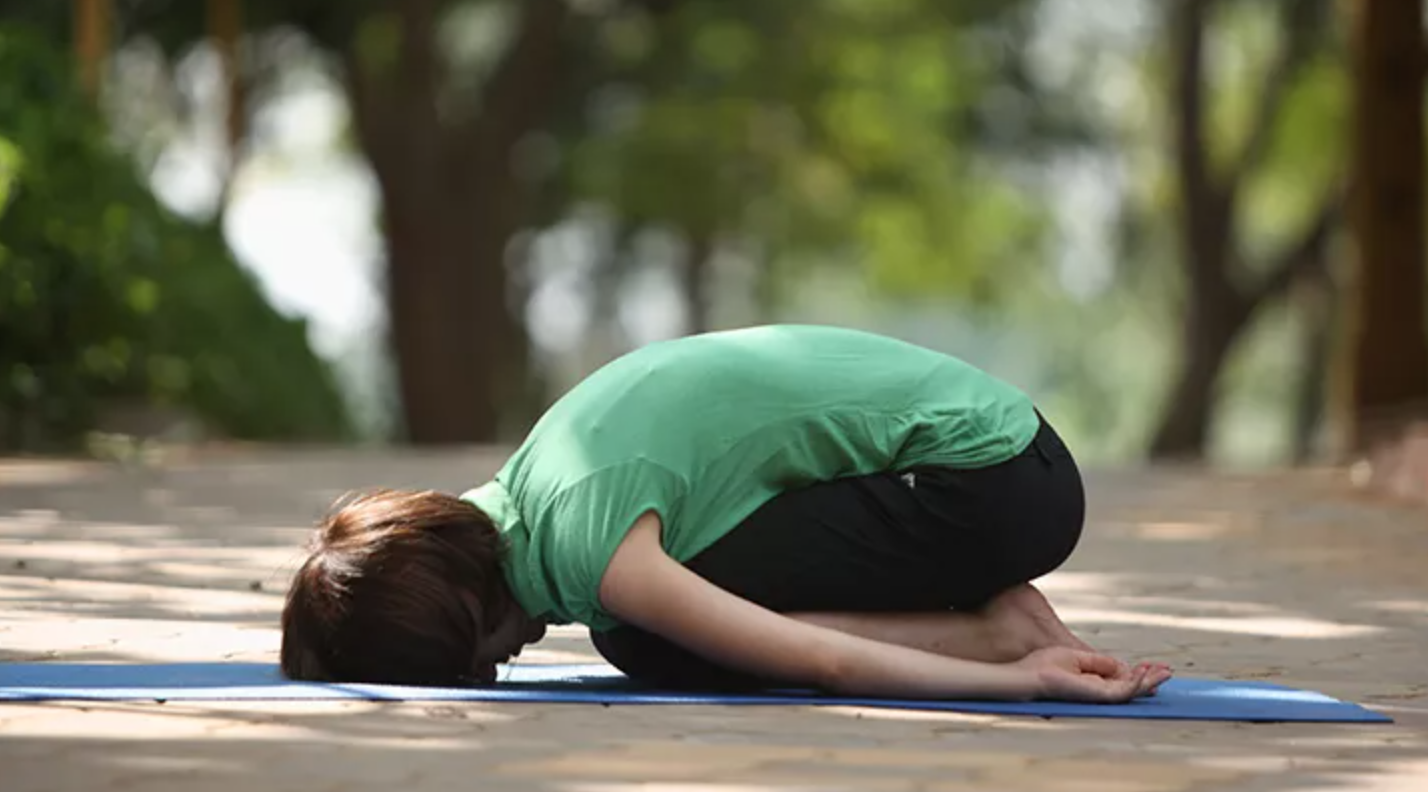
  3. Child’s Pose (Balasana)
    • Description: A restful pose that stretches the back and shoulders; great for breaks.
    • How to Do It: Kneel on the mat, sit back on your heels, extend arms forward, and lower your torso between your thighs.
    • Benefits: Gently stretches hips, thighs, and ankles.
    • Common Mistakes: Avoid putting too much weight on the neck; rest the forehead softly on the mat.
  4. Cat-Cow Pose (Marjaryasana-Bitilasana)
    • Description: A gentle flow between two poses that warms up the spine.
    • How to Do It: Begin on hands and knees, alternating between arching (Cow Pose) and rounding (Cat Pose) your back.
    • Benefits: Enhances spine flexibility and stretches the back and neck.
    • Common Mistakes: Move slowly and synchronize movements with breath.
  5. Warrior I (Virabhadrasana I)
    • Description: A strong standing pose that builds strength and stability.
    • How to Do It: Step one foot back, bend the front knee, raise arms overhead, and keep hips facing forward.
    • Benefits: Strengthens legs, opens chest and shoulders.
    • Common Mistakes: Keep the front knee aligned over the ankle.
  6. Warrior II (Virabhadrasana II)
    • Description: A great pose for boosting balance and endurance.
    • How to Do It: From Warrior I, open your hips and shoulders to the side, extend arms parallel to the floor.
    • Benefits: Strengthens legs, opens hips, and improves concentration.
    • Common Mistakes: Ensure the front knee does not cave inward.
  7. Tree Pose (Vrksasana)
    • Description: A balancing pose that enhances focus and mental clarity.
    • How to Do It: Stand on one leg, place the other foot on the inner thigh, and bring hands together at the chest or overhead.
    • Benefits: Strengthens legs, opens hips, and improves balance.
    • Common Mistakes: Avoid pressing the foot against the knee; place it above or below.
  8. Bridge Pose (Setu Bandhasana)
    • Description: A gentle backbend that stretches the chest, neck, and spine.
    • How to Do It: Lie on your back with bent knees, lift hips off the ground, keeping feet and shoulders grounded.
    • Benefits: Strengthens the back, glutes, and hamstrings.
    • Common Mistakes: Keep knees hip-width apart, don’t let them splay outward.
  9. Seated Forward Bend (Paschimottanasana)
    • Description: A deep stretch for the back and hamstrings.
    • How to Do It: Sit with legs extended, bend forward slowly, reaching for your toes.
    • Benefits: Calms the mind and stretches the spine, shoulders, and hamstrings.
    • Common Mistakes: Keep the spine long; avoid rounding the back.
  10. Corpse Pose (Savasana)
    • Description: A relaxation pose that rejuvenates the body and mind.
    • How to Do It: Lie flat on your back with arms and legs extended, close your eyes, and focus on your breath.
    • Benefits: Relieves stress and promotes deep relaxation.
    • Common Mistakes: Ensure complete relaxation; avoid tensing any part of the body.

Tips for a Successful Yoga Practice

  • Listen to Your Body: Avoid overexertion; yoga is about balance, not competition.
  • Progress Gradually: Start with simpler poses and gradually advance as you build strength and flexibility.

Conclusion

Beginning your yoga journey with these beginner-friendly poses can lay a strong foundation for a consistent and rewarding practice. Remember to practice regularly and listen to your body. Over time, you’ll notice not just physical improvements, but also mental and emotional growth.

FAQs

  • What should I wear for yoga? Wear comfortable, breathable clothing that allows for free movement.
  • How often should beginners practice yoga? Start with 2-3 sessions per week, gradually increasing as you become more comfortable.
  • Can I do yoga if I’m not flexible? Yes! Yoga is for everyone, and flexibility will improve with regular practice.
  • What is the best time to practice yoga? Early morning or evening is ideal, but you can practice whenever it suits you.
  • How can I avoid injuries in yoga? Focus on proper alignment, listen to your body, and use props as needed to avoid strain.

By incorporating these poses and tips, you’re on the path to a fulfilling yoga practice. Enjoy your journey!

Best Recovery Tools for Athletes: Essential Equipment You Need

Recovery is a critical component of athletic training and performance, yet it is often overlooked. Whether you’re a professional athlete or someone who enjoys weekend sports, having the right recovery tools is essential for preventing injuries, promoting muscle repair, and boosting overall performance. This guide provides an in-depth look at the best recovery tools for athletes, helping you speed up recovery and stay at your peak.

Why Recovery Matters for Athletes

Effective recovery is vital for unlocking an athlete’s full potential. It aids in muscle tissue repair, reduces fatigue, and prevents injuries, enabling consistent peak performance. Without proper recovery, the risk of injury increases, which can result in setbacks or even long-term damage. Moreover, recovery isn’t just about rest; it’s about using the right tools and techniques to optimize muscle repair and prepare the body for the next challenge.

Types of Recovery Tools

Various recovery tools cater to different needs:

  • Manual Recovery Tools: Foam rollers, massage balls, and massage guns that manually relieve sore muscles.
  • High-Tech Recovery Devices: Advanced tools like percussive therapy devices, compression therapy systems, and infrared saunas for targeted recovery.
  • Natural Recovery Aids: Essentials like sleep, nutrition, hydration, and stretching for overall well-being and performance.

Manual Recovery Tools

  • Foam Rollers: A staple in many athletes’ routines for self-myofascial release to relieve muscle tightness and enhance flexibility. Options include high-density rollers for deep tissue massage, grid rollers for targeting specific muscle groups, and vibrating rollers.
  • Massage Balls: Compact and portable, massage balls help target specific muscles, especially hard-to-reach areas like the shoulder blades or feet, effectively breaking up muscle knots and tension.
  • Massage Guns: Devices like Theragun or Hypervolt are popular for providing percussive therapy. These handheld tools deliver rapid bursts of pressure that help relieve muscle soreness and boost blood flow.

High-Tech Recovery Devices

  • Percussive Therapy Devices: These devices, including massage guns, offer deep tissue massage through rapid, targeted movements, helping to alleviate muscle soreness and stiffness.
  • Compression Therapy Systems: Devices like Normatec recovery boots use air pressure to massage limbs and enhance blood flow, helping to flush out metabolic waste and reduce muscle inflammation—ideal for runners and endurance athletes.
  • Infrared Saunas: These use infrared light to penetrate deeply into muscle tissues, promoting relaxation, reducing soreness, and speeding up recovery. They operate at lower temperatures than traditional saunas, allowing for longer sessions.

Natural Recovery Aids

  • The Importance of Sleep: Sleep is one of the most effective recovery tools. It’s during sleep that the body repairs muscle tissue, balances hormones, and consolidates memory and learning. Quality sleep is crucial for peak athletic performance.
  • Nutrition and Hydration: A balanced diet rich in proteins, carbs, and healthy fats helps repair muscles and restore energy. Proper hydration ensures efficient nutrient transport and waste elimination.
  • Stretching and Yoga: Stretching and yoga can significantly enhance flexibility and reduce injury risk. Yoga, in particular, helps stretch muscles and promotes relaxation, which is vital for optimal recovery.

Other Recovery Methods

  • Cryotherapy: This involves exposing the body to extremely cold temperatures for short periods, reducing inflammation, alleviating muscle pain, and speeding up recovery. Cryotherapy often outperforms traditional ice baths in effectiveness and recovery time.
  • Electrical Muscle Stimulation (EMS) Devices: EMS devices use electrical impulses to contract muscles, promoting blood flow and recovery. They are particularly useful for muscle rehabilitation and preventing atrophy during inactivity.
  • Recovery Boots and Compression Wear: Recovery boots, like those from Normatec, apply dynamic compression to the legs, enhancing blood flow and reducing soreness. Compression wear, such as tights and sleeves, provides consistent compression and can be worn during or after exercise.
  • Heat Therapy: Using heat, such as heating pads or hot baths, relaxes muscles, improves circulation, and relieves stiffness. Heat therapy is particularly beneficial for chronic muscle pain and tension.

Top Brands and Recommendations

  • Foam Rollers: TriggerPoint, LuxFit, AmazonBasics
  • Massage Guns: Theragun, Hyperice Hypervolt, Achedaway
  • High-Tech Devices: Normatec, RecoveryPump, HigherDose

Choosing the Right Recovery Tool

The best recovery tool for you depends on factors like your sport, injury history, and budget. For example, runners might benefit more from compression therapy systems, while weightlifters might prefer percussive therapy devices.

Common Recovery Mistakes

Some athletes overuse recovery tools or underestimate the importance of rest. It’s crucial to balance active recovery with complete rest for the best results.

Crafting an Effective Recovery Routine

An effective recovery routine should combine various tools and methods, such as foam rolling, stretching, using high-tech devices, and prioritizing sleep and nutrition. Tailoring this routine to your specific needs will yield optimal results.

Conclusion

Investing in the right recovery tools is essential for athletes aiming to improve performance, prevent injuries, and speed up recovery. Whether you opt for manual tools, high-tech devices, or natural methods, consistency and understanding what works best for your body are key.

FAQs

  • What is the best recovery tool for muscle soreness? Foam rollers and massage guns are highly effective for muscle soreness relief.
  • How often should athletes use recovery tools? Depending on training intensity, foam rollers can be used daily, and high-tech devices a few times a week.
  • Can recovery tools replace proper sleep and nutrition? No, they are supplementary; proper sleep and nutrition are fundamental for recovery.
  • Are high-tech recovery devices worth it? Yes, especially for athletes who need targeted and efficient recovery methods.
  • What are the risks of inadequate recovery? Poor recovery can lead to fatigue, injuries, reduced performance, and prolonged recovery times.

By integrating these tools and techniques, you can develop a comprehensive recovery strategy that supports your athletic goals.

Exit mobile version