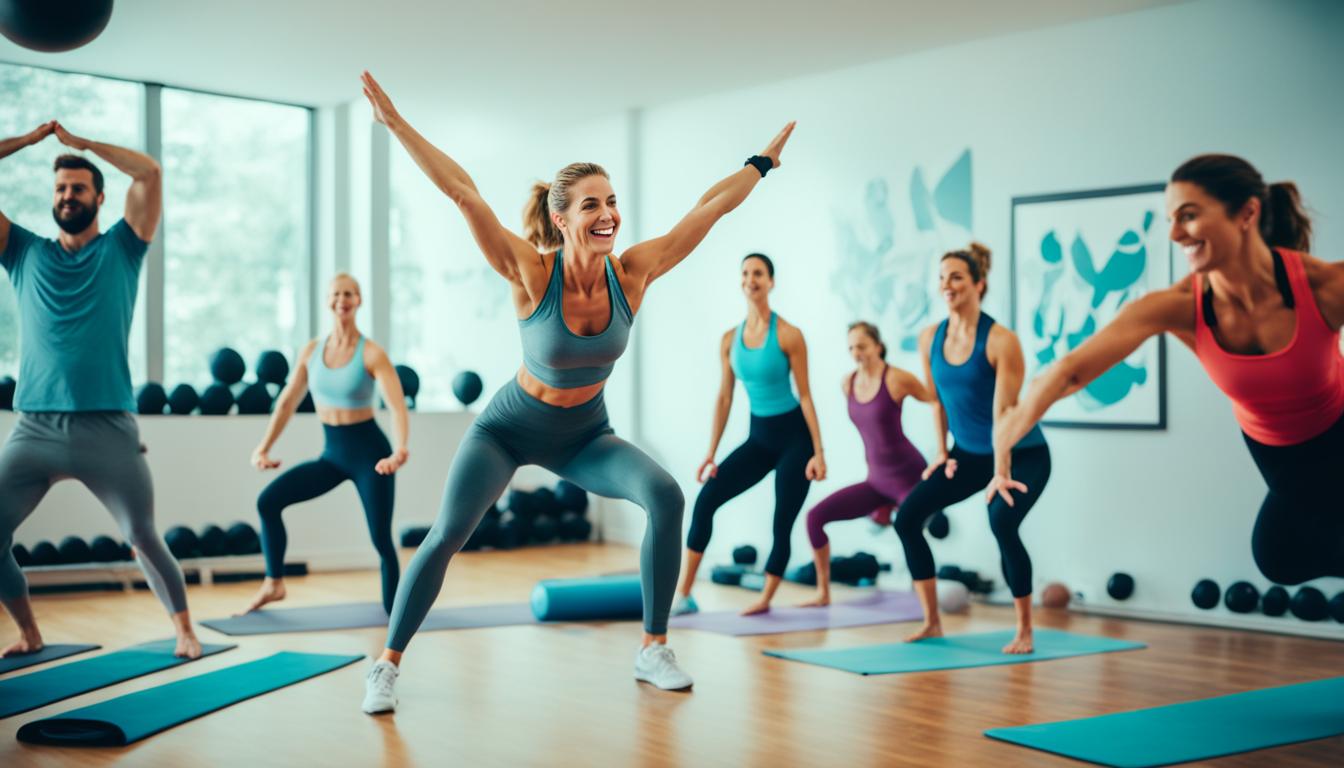
High-Intensity Interval Fitness Training

High-Intensity Interval Fitness Training: The Ultimate Guide

Have you ever wanted a workout routine that delivers maximum results in minimum time? High-Intensity Interval Training (HIIT) is a game-changer in the fitness world. Whether you’re aiming to lose weight, build endurance, or just shake up your routine, HIIT offers a dynamic, effective solution. In this guide, we’ll dive into everything you need to know about HIIT, from its benefits to how you can get started today.


Introduction to High-Intensity Interval Training (HIIT)


What is HIIT?

High-Intensity Interval Training, commonly referred to as HIIT, involves short bursts of intense exercise alternated with periods of rest or low-intensity activity. This workout method can include anything from sprinting to bodyweight exercises. The goal? Push your body to its maximum capacity for short intervals, ensuring you burn calories and improve fitness efficiently.


How HIIT Differs From Traditional Workouts

Unlike steady-state cardio (like jogging), where effort remains consistent, HIIT incorporates fluctuating intensity levels. This variability keeps your heart rate elevated, allowing you to achieve more in less time. Traditional workouts may take an hour; HIIT can yield similar benefits in as little as 20 minutes.


Why HIIT Has Gained Popularity

HIIT’s rise in popularity stems from its flexibility and time efficiency. Busy professionals, parents, and athletes all find HIIT appealing because it delivers quick, visible results. Add in the fact that it doesn’t require fancy equipment, and it’s no wonder HIIT is a favorite among fitness enthusiasts.


Benefits of High-Intensity Interval Training


Efficient Calorie Burn

HIIT workouts torch calories both during and after your session. Research shows that you can burn up to 25–30% more calories during HIIT compared to traditional cardio exercises of the same duration. Plus, the afterburn effect (EPOC) ensures your body continues to burn calories even while resting.


Improved Cardiovascular Health

Regular HIIT sessions strengthen your heart and lungs. Alternating high-intensity bursts with rest periods challenges your cardiovascular system, enhancing its efficiency over time. This makes HIIT particularly beneficial for those looking to improve endurance and overall heart health.


Enhanced Metabolic Rate

HIIT revs up your metabolism like few other workouts. Post-exercise, your body works harder to return to its resting state, burning additional calories in the process. Over time, this can lead to significant weight loss and improved metabolic function.


Building Strength and Endurance

Many HIIT routines incorporate bodyweight or resistance-based exercises, helping you build muscle while improving endurance. It’s a double win for anyone wanting both strength and cardio benefits.


The Science Behind HIIT


Understanding Energy Systems in the Body

During HIIT, your body taps into anaerobic energy systems. This means your muscles work without oxygen for short bursts, relying on stored energy. This pushes your limits, training your body to perform better over time.


EPOC (Excess Post-Exercise Oxygen Consumption) Explained

EPOC, or the afterburn effect, is a hallmark of HIIT. After intense exercise, your body consumes more oxygen to repair muscles and restore balance, leading to increased calorie burn even hours after your workout.


The Role of Intervals in Maximizing Benefits

Alternating between high-intensity and rest allows your body to recover briefly, enabling you to push harder in the next interval. This cyclical approach maximizes effort and results without prolonged fatigue.

Tabata Workouts

Tabata is a popular form of HIIT that involves 20 seconds of all-out effort followed by 10 seconds of rest, repeated for 8 rounds. That’s only four minutes of work, but don’t be fooled—it’s incredibly intense. Tabata can be applied to exercises like squats, push-ups, or sprints, making it versatile and adaptable to your goals.


Sprint Intervals

One of the simplest forms of HIIT, sprint intervals involve running at maximum speed for a set duration (e.g., 30 seconds), followed by a walk or jog for recovery. These workouts are perfect for improving cardiovascular fitness and burning calories.


Bodyweight HIIT Workouts

You don’t need any fancy equipment to get an effective HIIT workout. Bodyweight exercises like burpees, jump squats, and mountain climbers work wonders. These moves engage multiple muscle groups, ensuring a full-body workout while keeping your heart rate elevated.


Weighted HIIT Exercises

Adding weights to your HIIT routine takes your workout to the next level. Incorporate kettlebell swings, dumbbell thrusters, or weighted lunges to build strength while reaping the benefits of interval training.


How to Get Started with HIIT


Assessing Your Fitness Level

Before jumping into HIIT, evaluate your current fitness level. Beginners should start with shorter intervals and lower intensity, while experienced athletes can push harder. Listen to your body to avoid overexertion.


Equipment vs. No Equipment

HIIT can be done with or without equipment. While treadmills, stationary bikes, or kettlebells can enhance your workout, bodyweight HIIT is equally effective. Choose based on your preferences and available resources.


Structuring Your HIIT Routine

A well-structured HIIT routine is crucial for success. Start with a warm-up to prepare your muscles and prevent injury. Next, alternate between high-intensity exercises and recovery periods. For example:

  • 20 seconds of burpees
  • 10 seconds of rest
  • Repeat for 4 rounds

Finish with a cool-down to gradually bring your heart rate back to normal.


Warm-ups and Cool-downs

Never skip a warm-up or cool-down. Dynamic stretches and light cardio prepare your muscles for the intensity ahead, while static stretching post-workout aids recovery and prevents soreness.


Balancing Work and Rest Periods

The key to effective HIIT is the balance between work and rest. Beginners may start with a 1:2 work-to-rest ratio (e.g., 20 seconds of work, 40 seconds of rest). As you progress, aim for a 1:1 ratio or even a 2:1 ratio for advanced HIIT.


Common Mistakes in HIIT and How to Avoid Them


Overtraining and Its Consequences

HIIT is intense, but doing it every day can lead to burnout and injury. Your body needs time to recover and repair. Limit HIIT to 3–4 times per week and include active recovery or low-intensity workouts on other days.


Skipping Proper Recovery

Recovery is just as important as the workout itself. Stretch, hydrate, and prioritize sleep to allow your muscles to repair and grow stronger.


Ignoring Form and Technique

Rushing through exercises can compromise form, increasing the risk of injury. Focus on proper technique, even if it means slowing down slightly. Quality over quantity always wins.


HIIT for Specific Goals


Weight Loss

HIIT is a powerhouse for shedding pounds. The high-intensity intervals burn calories, while the afterburn effect continues torching fat for hours post-workout. Combine HIIT with a healthy diet for optimal results.


Building Muscle

While HIIT is primarily cardio-focused, incorporating strength-based exercises like push-ups, squats, and kettlebell swings can help build and maintain muscle. Ensure adequate protein intake to support muscle growth.


Improving Athletic Performance

HIIT enhances speed, agility, and endurance, making it a favorite among athletes. Sprint intervals and plyometric exercises are particularly effective for boosting athletic performance.


Adapting HIIT for Different Fitness Levels


HIIT for Beginners

Starting HIIT can be daunting, but it doesn’t have to be. Opt for low-impact exercises like marching in place, slow squats, or step-ups. Keep intervals short (e.g., 15 seconds of work) and gradually increase intensity over time.


Advanced HIIT Techniques for Pros

Seasoned fitness enthusiasts can take HIIT to the next level with exercises like box jumps, explosive push-ups, or weighted sprints. Longer work periods and shorter rest intervals will keep you challenged.


Modifying Exercises for Low Impact

For those with joint issues or injuries, low-impact HIIT is a great alternative. Replace high-impact moves like jumping jacks with step touches or squats with wall sits to reduce strain while staying active.


Safety Tips for HIIT Training


Understanding Your Limits

Listen to your body. Pushing too hard can lead to injury or burnout. If you feel dizzy or overly fatigued, stop and rest. Progress comes with consistency, not overexertion.


Preventing Injuries During HIIT

Always prioritize proper form and alignment. Warm-up exercises, proper footwear, and a safe workout environment can go a long way in preventing injuries.


Importance of Hydration and Nutrition

HIIT is physically demanding, so stay hydrated before, during, and after your session. Additionally, fuel your body with nutrient-rich foods to maintain energy and promote recovery.


The Role of Nutrition in Maximizing HIIT Results


Pre-Workout Nutrition

A small meal or snack rich in carbohydrates and protein 1–2 hours before your workout provides the energy needed for high-intensity intervals. Try a banana with peanut butter or a protein shake.


Post-Workout Recovery Foods

After HIIT, your muscles need protein to rebuild and carbohydrates to replenish glycogen stores. Opt for lean protein sources like chicken or tofu and pair them with whole grains or vegetables.


Staying Consistent with a Healthy Diet

HIIT alone won’t yield results without proper nutrition. Focus on whole, unprocessed foods, and balance your macronutrients to support your fitness goals.


Tracking Progress in HIIT


Setting Realistic Goals

Define clear, achievable goals for your HIIT journey, whether it’s losing weight, improving stamina, or gaining muscle. Break these goals into smaller milestones for motivation.


Using Fitness Apps and Wearables

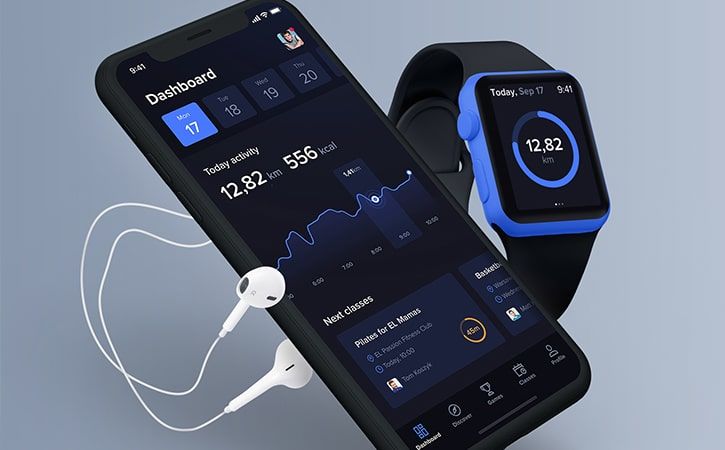
Track your performance with apps and wearables. Heart rate monitors, fitness trackers, or HIIT-specific apps can help you measure progress and adjust your routine accordingly.


Monitoring Performance and Adjusting Workouts

As you become stronger and fitter, challenge yourself with harder exercises, longer intervals, or shorter rest periods. Keeping your workouts dynamic prevents plateaus and keeps progress steady.


HIIT vs. Other Training Methods


HIIT vs. Steady-State Cardio

While steady-state cardio offers benefits, HIIT is more time-efficient and effective for fat loss. However, combining the two can provide a well-rounded fitness routine.


HIIT vs. Strength Training

Strength training builds muscle, while HIIT focuses on cardiovascular fitness and calorie burn. Incorporating both into your weekly schedule ensures balanced progress.


Combining HIIT with Other Fitness Techniques

Pairing HIIT with yoga, Pilates, or functional training adds variety and helps target different fitness areas. This holistic approach keeps workouts exciting and prevents burnout.


Conclusion

High-Intensity Interval Training (HIIT) is an excellent way to transform your fitness journey, offering remarkable benefits in a fraction of the time compared to traditional workouts. From weight loss to muscle building and endurance improvement, HIIT caters to a wide range of fitness goals. By structuring your workouts thoughtfully, staying consistent, and listening to your body, you can unlock the full potential of this powerful training method.


FAQs


1. How often should you do HIIT?
For most people, 3–4 HIIT sessions per week are optimal. This allows for recovery and avoids overtraining.

2. Can HIIT be done every day?
It’s not recommended due to its intensity. Your body needs recovery time to repair muscles and avoid burnout.

3. Is HIIT suitable for older adults?
Yes! Low-impact HIIT modifications can make this workout safe and effective for older adults.

4. Do I need equipment for HIIT?
No. Bodyweight exercises are incredibly effective for HIIT, though equipment can add variety.

5. How long should a HIIT session last?
A typical HIIT session lasts 15–30 minutes. It’s about quality over quantity.

Top Strength Training Exercises to Build Muscle and Power

Key Strength Training Exercises for Building Muscle and Power
Strength training is essential for gaining muscle, enhancing power, and improving overall fitness. Here are some of the most impactful exercises to include in your regimen:

1. Squats

Target Muscles: Quadriceps, hamstrings, glutes, lower back.
Why It Works: A compound movement that enhances lower body strength and stability. Variations like front squats and goblet squats target different muscle groups.
How to Perform:

  • Stand with feet shoulder-width apart.
  • Lower your hips back and down, mimicking sitting in a chair.
  • Maintain a neutral spine and keep your chest lifted.
  • Push through your heels to return to a standing position.

2. Deadlifts

Target Muscles: Hamstrings, glutes, lower back, traps, and core.
Why It Works: Engages the entire posterior chain, building power and overall strength.
How to Perform:

  • Stand with feet hip-width apart and a barbell in front of you.
  • Grip the barbell and hinge at your hips, keeping your back straight.
  • Drive through your heels to lift the bar.
  • Lower it back to the ground in a controlled motion.

3. Bench Press

Target Muscles: Chest, shoulders, triceps.
Why It Works: A classic upper-body exercise for developing pressing strength and muscle mass.
How to Perform:

  • Lie on a bench with feet flat on the floor.
  • Grip the barbell slightly wider than shoulder-width.
  • Lower the bar to your chest, then push it back up.

4. Pull-Ups

Target Muscles: Lats, biceps, shoulders, core.
Why It Works: Ideal for upper body and back strength, also enhances grip strength.
How to Perform:

  • Hold a pull-up bar with palms facing away.
  • Pull yourself up until your chin clears the bar.
  • Lower back down in a controlled motion.

5. Overhead Press (Shoulder Press)

Target Muscles: Shoulders, triceps, upper chest.
Why It Works: Builds upper body strength and stability.
How to Perform:

  • Hold a barbell or dumbbells at shoulder height.
  • Press the weight overhead while bracing your core.
  • Lower the weight back to shoulder level.

6. Barbell Rows

Target Muscles: Lats, traps, rhomboids, biceps, rear deltoids.
Why It Works: Strengthens the back and improves posture.
How to Perform:

  • Hold a barbell with an overhand grip and bend at the hips, keeping your back flat.
  • Pull the bar towards your torso.
  • Lower it back to the starting position.

7. Lunges

Target Muscles: Quadriceps, glutes, hamstrings, calves.
Why It Works: Enhances balance and strengthens individual legs.
How to Perform:

  • Step forward with one leg and lower your hips.
  • Keep your torso upright, bending both knees to 90 degrees.
  • Push back to the starting position.

8. Power Cleans

Target Muscles: Full body, including legs, back, shoulders, and arms.
Why It Works: Develops explosive power and coordination.
How to Perform:

  • Start with a barbell on the floor.
  • Pull the barbell to shoulder height in one motion.
  • Catch it in a front rack position.

Tips for Effective Strength Training

  • Prioritize Form: Focus on proper technique to prevent injuries.
  • Apply Progressive Overload: Gradually increase the weight or intensity to build strength.
  • Rest and Recover: Give muscles time to recover with rest and proper nutrition.
  • Stay Consistent: Follow a regular schedule to achieve long-term results.

Integrate these exercises into your workout plan to enhance muscle growth, power, and overall performance. Adjust weights and repetitions based on your fitness level and goals.

Leading Fitness Trends to Follow This Year

Each year introduces new ways to stay fit and healthy, and this one is no different. With rapid technological advancements and shifting philosophies, the emphasis is moving towards more tailored, inclusive, and efficient approaches. Below are the significant trends transforming the fitness world.


Personalized Fitness Experiences

Custom Workouts Through AI and Fitness Apps

AI has revolutionized fitness by offering individualized workout plans. Apps like Future and Freeletics leverage user data to create customized routines, adapting based on feedback and progress. Whether your focus is fat loss, muscle building, or improving endurance, these AI-driven tools provide the convenience of personal training anytime, anywhere.

The Growing Popularity of Genetic Fitness Testing

Your genetic makeup can influence your fitness outcomes, and genetic testing services like DNAfit and 23andMe are leveraging this insight. By analyzing genetic markers, these services offer personalized diet and workout recommendations, optimizing your fitness journey based on your biology and removing much of the guesswork.


Functional Fitness Training

Real-Life Movement-Based Exercises

Functional fitness improves everyday movements, such as squatting, lifting, and bending, by mimicking these actions in workouts. Unlike traditional gym routines, these exercises enhance balance, coordination, and core strength. Moves like kettlebell swings and bodyweight exercises help build strength for real-world activities.

Preventing Injuries and Building Strength

Functional fitness not only enhances physical ability but also reduces the risk of injuries. By targeting muscles and joints used in daily activities, it’s ideal for athletes and older adults seeking independence and resilience. These exercises can be personalized, making them suitable for all fitness levels.


The Home Fitness Revolution

Surging Demand for Virtual Fitness Classes

The convenience of home workouts has made virtual classes more popular than ever. Platforms like Peloton and Apple Fitness+ provide diverse options, including spin classes, yoga, and strength training, with live and on-demand formats accessible for any schedule.

Smart Home Fitness Equipment on the Rise

Innovative devices like the Mirror and Tonal combine sleek design with technology to enhance home workouts. These tools offer real-time feedback on performance and progress, delivering a gym-like experience from the comfort of your home.


Advancements in Wearable Technology

Smartwatches and Fitness Trackers

Wearable devices like the Apple Watch, Fitbit, and Garmin have become essential for tracking steps, heart rate, calories burned, and more. They offer real-time updates that help users stay motivated and achieve their goals.

Holistic Features for Overall Health

Modern wearables go beyond fitness by integrating features like sleep tracking, stress monitoring, and hydration reminders. These tools help users maintain a balanced approach to health and wellness, making fitness a comprehensive lifestyle choice.


Integrating Mental Wellness

Mind-Body Exercises like Yoga and Pilates

Fitness trends are increasingly addressing mental health, with practices like yoga and Pilates combining mindfulness with physical exercise. These workouts emphasize breathing, posture, and controlled movements, offering a balanced approach to well-being.

Mindfulness Apps and Stress Relief Features

Apps such as Calm and Headspace are integrating fitness-focused mindfulness features, offering meditation and breathwork sessions to complement physical training. This fusion of mental and physical fitness supports a more holistic approach to health.


Conclusion

Fitness trends continue to evolve, offering new ways to enhance physical and mental well-being. From personalized experiences to sustainable and inclusive options, this year’s trends cater to a variety of goals and lifestyles. By embracing these innovations, you can redefine your fitness journey and achieve a more rewarding, effective, and enjoyable routine.

Setting Realistic Fitness Goals That Last

Setting fitness goals is an exciting endeavor. Whether it’s achieving a healthier body, boosting energy, or fitting into your favorite outfit, the journey begins with enthusiasm. However, many fitness plans falter because the goals are overly ambitious. Sound familiar? The key to success lies in setting sustainable and achievable goals, not perfection. By doing so, you pave the way for lasting change that integrates seamlessly into your life.

This guide will show you how to craft fitness goals that stick. You’ll discover practical strategies to make consistent progress, tackle challenges, and enjoy the path to better health. Let’s dive in!


Understanding Realistic Fitness Goals

What Are Realistic Goals in Fitness?
Realistic fitness goals are those you can accomplish based on your current abilities and lifestyle. For example, aiming for 10,000 steps daily is more practical than preparing for a marathon if you’re just starting out. Achievable goals build confidence and provide steady momentum toward long-term success.

Common Misconceptions About Fitness Goals

  • Quick Results: Expecting drastic changes in a short time often leads to frustration.
  • Linear Progress: Fitness improvements are not always steady—some weeks may show faster progress, while others might feel stagnant.

The Psychological Impact of Achievable Goals
Reaching even small goals boosts self-confidence and motivation, creating a cycle of positive reinforcement. Conversely, unattainable goals often lead to disappointment and burnout.


Steps to Create Sustainable Fitness Goals

Step 1: Define Your “Why”
Identify the deeper reason behind your fitness journey. Is it better health, increased energy, or staying active with loved ones? Knowing your “why” adds personal significance and fuels your commitment.

Step 2: Evaluate Your Starting Point
Assess your current fitness level to establish a realistic baseline. Use fitness apps, measure basic metrics, or consult a trainer. Knowing where you stand helps create attainable goals.

Step 3: Set SMART Goals
SMART goals are:

  • Specific: Clearly define your goal (e.g., walk 5,000 steps daily).
  • Measurable: Track your progress using tools like pedometers or apps.
  • Achievable: Ensure the goal is within your reach (e.g., increase steps from 2,000 to 5,000).
  • Relevant: Align goals with broader objectives, like improving heart health.
  • Time-bound: Set a timeframe, such as 30 days, to build consistency.

Aligning Fitness Goals with Your Lifestyle

Identifying Barriers to Consistency
Life’s demands can disrupt fitness routines. Recognizing potential challenges—like busy mornings or unexpected obligations—lets you plan ahead. For instance, if mornings are chaotic, schedule workouts in the evening or during lunch breaks.

Time Management for Busy Schedules

  • Schedule Workouts: Treat them as unmissable appointments.
  • Combine Activities: Take calls while walking or stretch during TV time.
  • Use Short Workouts: High-intensity interval training (HIIT) offers maximum results in minimal time.

Adapting Goals to Life Changes
Fitness goals should evolve with your circumstances. If running becomes unfeasible due to injury, switch to low-impact exercises like swimming or yoga. Flexibility ensures long-term success.


Building a Plan for Success

Choosing the Right Workout
Select exercises that align with your goals:

  • Weight loss: Focus on cardio, like running or cycling.
  • Strength building: Incorporate weightlifting or resistance exercises.
  • Stress relief: Practice yoga or Pilates.

Creating a Balanced Fitness Routine
Incorporate:

  • Cardio: For heart health and calorie burning.
  • Strength Training: To build muscle and enhance metabolism.
  • Flexibility Exercises: To improve mobility and prevent injuries.
  • Recovery: To allow the body to heal and grow stronger.
    A typical week might include three cardio sessions, two strength sessions, and one flexibility-focused day.

Tracking Progress
Monitor progress with apps, wearables, or journals. Celebrate small wins, like lifting heavier weights or completing a longer run, to stay motivated.


Staying Motivated and Accountable

Staying Motivated During Plateaus
Progress isn’t always linear. To maintain motivation:

  • Focus on non-scale victories, like improved energy or better sleep.
  • Try new activities to keep things fresh.
  • Revisit your “why” to stay grounded.

Building a Support System
Share your goals with friends, join fitness groups, or find an accountability partner. Support networks keep you on track and provide encouragement on tough days.

Overcoming Setbacks
Setbacks are inevitable. Missed a workout or indulged too much? Reflect, adjust, and move forward. Treat setbacks as learning opportunities.


Adjusting Goals Over Time

Knowing When to Push Harder
Once you achieve your initial goals, set new challenges to stay engaged. For example, increase walking steps or lift heavier weights as your fitness improves.

Recognizing the Need for Rest
Overtraining can hinder progress. Listen to your body and scale back when necessary to prevent injuries or burnout.

Celebrating Milestones
Reward achievements, no matter how small. Completing your first 5K? Treat yourself to something special. Celebrating reinforces positive habits.


Common Mistakes to Avoid

  • Unrealistic Expectations: Fitness takes time. Avoid comparing your journey to others.
  • Skipping Professional Advice: Beginners benefit from expert guidance to avoid mistakes.
  • Focusing on Quick Fixes: Prioritize habits that promote lasting health over fleeting results.

Conclusion
Realistic fitness goals lay the foundation for lasting change. By aligning your targets with your lifestyle, celebrating progress, and staying flexible, you can enjoy the journey to better health. Remember, it’s about building habits, not chasing perfection. Start small, stay consistent, and keep moving forward!


FAQs

  1. What’s the best way to track fitness progress?
    Use apps, journals, or wearables to log workouts and measurements.
  2. How soon will I see results?
    Most people notice changes within 4-6 weeks with consistent effort.
  3. Can I set fitness goals without a trainer?
    Yes, with reliable resources, apps, and community support.
  4. How do I balance fitness with a busy schedule?
    Incorporate short workouts into daily routines, like walking during breaks.
  5. What if I miss a goal?
    Learn from setbacks, adjust your plan, and continue. Setbacks are part of growth.

Top Outdoor Workout Spots Near You

Imagine starting your day surrounded by fresh air, the melody of birdsong, and warm sunlight streaming through the trees as you step out for your workout. Exercising outdoors offers more than just physical benefits; it’s a refreshing change from the monotony of indoor gyms. Ready to embrace the great outdoors for your fitness journey? Let’s explore why outdoor workouts are so rewarding and discover some of the best spots to get active.


Why Choose Outdoor Workouts?

Health Benefits of Exercising Outdoors

Outdoor exercise engages your body in unique ways. Uneven terrains, like those in parks or hiking trails, activate stabilizing muscles, improving your balance and coordination. Plus, soaking up sunshine provides your body with Vitamin D, crucial for healthy bones and a strong immune system.

Mental Well-being and Connection to Nature

Outdoor fitness nurtures not only your body but also your mind. Research reveals that spending time in nature reduces stress, boosts mood, and enhances creativity. Whether you’re jogging near a serene lake or practicing yoga in a lush park, the natural environment fosters mindfulness and tranquility.

Cost-Effectiveness of Outdoor Fitness

Tired of expensive gym memberships? Outdoor workouts often come at little to no cost. Public parks with fitness stations, running trails, and open spaces for activities like yoga or boot camps provide budget-friendly alternatives.


Key Features of a Great Outdoor Workout Spot

Accessibility and Safety

The ideal workout spot is easy to reach and safe to use. Look for locations with clean surroundings, designated pathways, and well-lit areas for hassle-free exercise. Many urban parks also have dedicated fitness zones.

Availability of Fitness Equipment or Natural Terrain

Some parks feature free equipment, such as pull-up bars or parallel bars, for strength training. Natural elements like hills, sandy beaches, or forest trails offer opportunities for resistance or endurance workouts.

Scenic Views and Aesthetic Appeal

A beautiful view can make a workout more enjoyable. A sunrise at the beach or a cityscape from a rooftop gym can provide that extra dose of motivation.


Top Outdoor Workout Spots in Urban Areas

Parks with Dedicated Fitness Zones

Urban parks like Central Park in New York or Griffith Park in Los Angeles cater to fitness enthusiasts with workout equipment, jogging tracks, and open areas for group activities.

Urban Trails and Pathways for Running or Walking

Cities increasingly prioritize green spaces, offering well-maintained trails such as The High Line in New York City or Atlanta’s BeltLine. These are perfect for running, cycling, or a brisk walk.

Rooftop and Open-Air Gyms

Many cities now have rooftop gyms combining fresh air with urban energy. These often feature diverse classes, from yoga to high-intensity interval training (HIIT).


Best Nature-Focused Workout Spots

Beaches for Sand-Based Exercises

Exercising on the beach challenges your body with sand’s natural resistance, enhancing strength and endurance. Activities like volleyball or running on the sand keep your workouts fun and effective.

Forest Trails for Hiking or Running

Forests offer shaded trails that are peaceful and ideal for cardio. Destinations like Redwood National Park blend natural beauty with varying levels of trail difficulty, suiting both beginners and seasoned hikers.

Mountain or Hilltop Workouts for Added Intensity

Looking for a challenge? Mountain hikes or hill climbs target your lower body muscles and improve cardiovascular health. The stunning views are an added bonus.


Outdoor Workout Ideas to Maximize the Experience

Bodyweight Exercises in Public Parks

Perform exercises like push-ups, squats, and planks in a park. Use benches for tricep dips or step-ups to diversify your routine.

Group Workouts for Extra Motivation

Join local boot camps or running clubs to stay motivated and accountable. Working out with a group fosters camaraderie and makes fitness more enjoyable.

Yoga and Meditation Sessions in Scenic Locations

Find peace and focus with yoga sessions in beautiful outdoor spots like beaches or hilltops. The serene environment complements mindfulness practices.


Essential Tips for Outdoor Workouts

Staying Hydrated and Weather-Prepared

Always carry water to stay hydrated, especially during sunny or humid days. Use sunscreen and protective clothing to guard against UV rays, and dress in layers during colder weather to maintain comfort.

Proper Gear for Outdoor Activities

Invest in sturdy shoes for trail workouts and lightweight, breathable clothes for high-intensity sessions. For nighttime workouts, reflective gear ensures visibility and safety.

Respecting the Environment and Others

Keep shared spaces clean and free of litter. Stay mindful of other visitors by minimizing noise and avoiding obstructing pathways.


Finding the Best Outdoor Workout Spot Near You

Using Apps and Online Resources

Apps like AllTrails or Strava can help you locate nearby trails, parks, or outdoor fitness zones. Google Maps is another valuable tool, often featuring reviews and photos of locations.

Asking Local Fitness Communities

Local fitness groups or online forums are excellent resources for discovering hidden gems. Members often share insights about less-crowded spots or unique locations.

Exploring Lesser-Known Locations

Venture beyond popular parks to find quieter places like riverbanks, abandoned tracks, or secluded hilltop clearings for a unique workout experience.


Benefits of Regularly Changing Workout Spots

Avoiding Workout Plateaus

Switching locations can challenge different muscle groups and keep your mind engaged, preventing workout monotony.

Keeping Fitness Routines Fresh and Exciting

Trying out new environments, like moving from a flat park to a hilly area, introduces variety and enhances your overall fitness.

Discovering Hidden Gems in Your Area

Exploring new spots helps you uncover scenic locations you might not have noticed, adding excitement to your routine.

Why Group Workouts Enhance Your Fitness

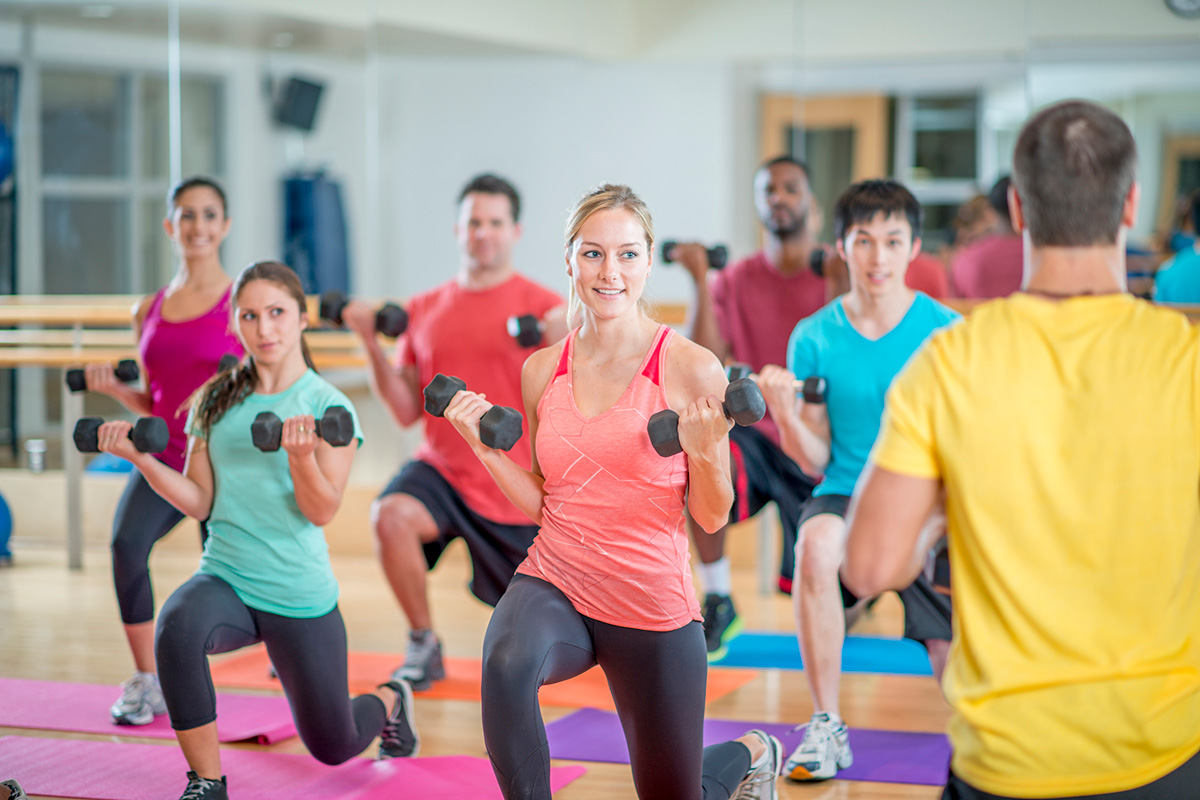
Group workouts involve multiple individuals exercising together, typically under the guidance of a trainer or instructor. These sessions vary widely, including aerobics, strength training, yoga, and Zumba. They combine physical activity with social interaction, helping participants achieve fitness goals collectively. Unlike solo routines, group workouts offer structure and motivation, ensuring a more engaging and consistent fitness experience.

The Growing Popularity of Group Fitness Classes
Group fitness classes have surged in popularity due to their dynamic and community-focused nature. Catering to all fitness levels, they offer modifications for beginners and challenges for advanced participants. With options ranging from spin and dance to martial arts-inspired sessions, there’s something for everyone. Many classes now incorporate technology, such as heart rate monitors and apps, to track progress in real time, making them both effective and interactive.


The Psychological Benefits of Group Workouts

Boosted Motivation and Accountability
Group workouts instill a sense of commitment—you’re less likely to skip a session when others are counting on you. The high energy of the environment, driven by upbeat music and enthusiastic instructors, motivates participants to push their limits. Being part of a group reduces procrastination, as the social dynamic encourages regular attendance.

Positive Peer Influence and Friendly Competition
Exercising alongside others with similar fitness goals fosters inspiration. Watching peers push through tough sets can motivate you to do the same. Healthy competition—whether it’s holding a plank longer or completing an extra rep—can drive better performance while staying enjoyable.

Enhanced Emotional Well-being
Exercise is a natural stress reliever, and doing it in a group amplifies the benefits. Shared experiences and camaraderie foster a sense of belonging, crucial for mental health. Many participants feel happier and more energized after group sessions, thanks to the release of endorphins and support from the fitness community.


The Physical Benefits of Group Workouts

Improved Performance Through Group Energy
Studies reveal that individuals often push harder in group settings. Encouragement from others and collective energy help participants exceed their usual limits, whether lifting heavier weights or running faster. Additionally, instructors ensure proper form, reducing injury risk while optimizing results.

Diverse and Well-Structured Routines
Group classes feature varied exercises targeting different muscle groups, ensuring a balanced workout. Professional instruction removes the guesswork, making sessions efficient and enjoyable. The diversity also prevents monotony, keeping participants engaged and challenged.

Consistency in Training
Regular attendance is crucial for fitness success, and group workouts promote this through scheduled classes. The habit of showing up consistently translates to noticeable improvements in strength, endurance, and overall health over time.


The Social Benefits of Group Workouts

Building a Supportive Community
Group workouts offer opportunities to connect with like-minded individuals. Encouraging each other during sessions or sharing a post-workout meal builds bonds that often extend beyond the gym. Such connections create a motivating and welcoming environment.

Combating Isolation
Exercising with others provides a sense of belonging, countering feelings of loneliness. Group workouts encourage shared experiences and conversations, especially valuable for remote workers or those living alone.

Creating New Friendships
Group fitness classes attract people from diverse backgrounds, fostering opportunities for meaningful friendships. These connections are built on mutual support and shared fitness goals, enriching both social and physical well-being.


Popular Types of Group Workouts

High-Intensity Interval Training (HIIT)
Ideal for those seeking efficiency, HIIT alternates short bursts of intense exercise with brief recovery periods. It enhances cardiovascular health and burns calories quickly.

Yoga and Pilates
For stress relief and improved flexibility, yoga and Pilates offer mindful, low-impact workouts. These sessions emphasize controlled movement and breathing, suiting participants of all fitness levels.

Dance-Based Workouts
Zumba, hip-hop, and other dance classes turn exercise into a fun and rhythmic activity. They improve coordination and stamina while providing a lively, upbeat environment.

Outdoor Group Activities
Outdoor workouts like boot camps, hiking clubs, or cycling meet-ups combine fitness with fresh air and scenic views. These activities often involve team-based exercises, fostering camaraderie and mutual encouragement.


Tips for Getting the Most Out of Group Workouts

  1. Choose the Right Class
    Match the workout to your fitness goals and preferences. For weight loss, try high-energy classes like HIIT. For relaxation, yoga may be ideal.
  2. Be Consistent but Avoid Overdoing It
    Start with 2–3 sessions per week and increase gradually. Balance group workouts with solo exercise and listen to your body to avoid burnout.
  3. Embrace the Social Aspect
    Engage with classmates and instructors to enhance your experience. A friendly atmosphere can make each session more enjoyable and keep you coming back.

Overcoming Common Challenges

  • Intimidation or Fear of Judgment
    Feeling nervous is natural, especially as a beginner. Remember, everyone starts somewhere, and most participants focus on their own progress. Instructors can help ease your concerns.
  • Finding the Right Fit
    Choose classes suited to your fitness level. Many gyms offer beginner-friendly options to help you ease into group workouts.
  • Scheduling Conflicts
    Treat your workout class like a vital appointment. For flexibility, consider virtual classes or ones with adjustable schedules.

Conclusion

Group workouts combine physical, mental, and social benefits, creating a holistic fitness experience. Whether it’s a high-energy HIIT session or a calming yoga class, group settings provide the structure, motivation, and community often missing in solo workouts. By embracing group fitness, you can make exercise an enjoyable and sustainable part of your lifestyle.


FAQs

  1. Are group workouts better than solo workouts?
    Group workouts offer unique benefits like motivation and social interaction. However, combining both can yield the best results.
  2. Can beginners join group workouts?
    Yes, many classes cater to all levels, offering modifications for beginners.
  3. How do I choose the right group class?
    Align the class with your goals and interests. Experiment with different types to find what works best for you.
  4. Are group workouts effective for weight loss?
    Absolutely, especially high-intensity classes that burn calories efficiently.
  5. What should I bring to a group workout?
    Comfortable workout gear, water, and a towel are essentials. Some sessions may require specific equipment like yoga mats.

Benefits of Whey Protein for Fitness

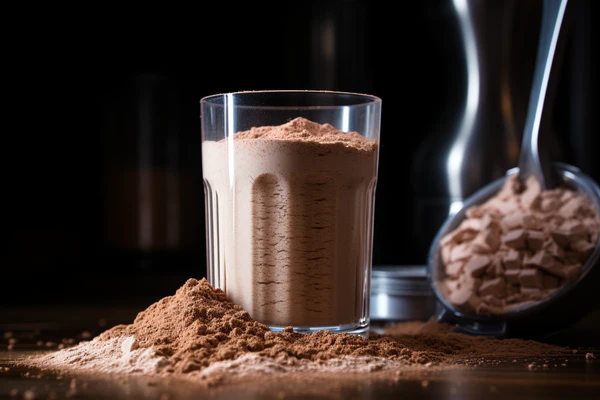
Whey protein is a premium protein sourced from milk during cheese production. It’s the liquid portion that separates from curd, prized for its rich amino acid content and rapid digestion. This makes it a favorite in fitness and nutrition for muscle repair and growth. Its nutrient density extends its benefits beyond fitness, appealing to athletes and casual health enthusiasts alike.

Nutritional Profile of Whey Protein

Whey protein is highly efficient due to its excellent biological value (BV). A typical 30g serving includes:

  • Protein: 20–25 grams
  • Calories: 100–130
  • Fat: 1–3 grams
  • Carbohydrates: 2–5 grams
  • BCAAs (Branched-Chain Amino Acids): ~5 grams

These components synergize to promote muscle development, enhance recovery, and sustain energy levels.


How Whey Protein Benefits Fitness

Muscle Growth and Recovery

Exercise induces microtears in muscles that need repair. Whey protein, rich in BCAAs like leucine, isoleucine, and valine, accelerates muscle recovery and growth. Consuming it post-workout ensures your body has the nutrients required for effective repair.

Weight Management and Fat Loss

Whey protein supports fat loss by promoting satiety, reducing hunger cravings, and increasing calorie burn due to its thermogenic effect. It’s an excellent tool for maintaining lean muscle during weight loss.

Improved Athletic Performance

Athletes use whey protein for its fast absorption, which ensures timely nutrient delivery to muscles. This improves endurance, strength, and recovery, making it essential for those in competitive sports.


Types of Whey Protein

  1. Whey Protein Concentrate:
    Contains 70–80% protein with small amounts of fat and carbs. Ideal for beginners due to its balance and affordability.
  2. Whey Protein Isolate:
    With over 90% protein and minimal fat or carbs, isolate suits those focusing on calorie control or reducing lactose intake.
  3. Whey Protein Hydrolysate:
    Pre-digested for rapid absorption, it’s ideal for elite athletes or individuals with sensitive digestion.

Optimal Timing for Whey Protein

  • Pre-Workout: Boosts endurance and reduces fatigue by supplying essential amino acids.
  • Post-Workout: Fast absorption replenishes glycogen and supports muscle repair within the critical 30-minute recovery window.
  • Meal Replacement: Combine whey protein with fruits, oats, or almond milk for a quick, nutritious option.

Benefits Beyond Fitness

  • Boosting Immunity: Contains compounds like lactoferrin that enhance the immune system.
  • Supporting Bone Health: Its calcium content strengthens bones and supports joint health.
  • Improving Health Markers: Contributes to better cholesterol levels, blood pressure, and antioxidant support.

Who Should Use Whey Protein?

  • Fitness Enthusiasts: Enhances recovery and performance for gym-goers and athletes.
  • Athletes: Meets high protein demands for rigorous training.
  • General Users: A convenient way to improve dietary protein intake and support overall health.

Choosing the Right Whey Protein

  • Protein Content: Opt for isolate or hydrolysate for advanced goals; concentrate is great for general use.
  • Additives: Choose products with minimal artificial ingredients.
  • Budget: Balance cost and quality based on your fitness needs.

Precautions and Side Effects

  • Digestive Issues: For those with lactose intolerance, choose isolate or hydrolysate.
  • Allergic Reactions: Avoid whey if allergic to dairy and consider plant-based alternatives.
  • Overconsumption Risks: Excessive protein can strain the kidneys, so stick to recommended dosages.

How to Use Whey Protein Creatively

  • Smoothies & Shakes: Blend with fruits or nuts for a quick meal.
  • Baking: Add to pancakes, muffins, or cookies for protein-packed treats.
  • Savory Dishes: Use unflavored whey to enhance soups or sauces.

Conclusion

Whey protein is a versatile and effective supplement that supports fitness goals and overall health. Whether used for muscle growth, weight management, or recovery, it fits seamlessly into a balanced diet. Selecting the right type, timing intake, and incorporating it creatively can help you unlock its full potential.

FAQs

  1. Can anyone use whey protein?
    Yes, except for those with milk allergies or severe lactose intolerance.
  2. Is it effective for weight loss?
    Absolutely! It enhances satiety, preserves lean muscle, and boosts metabolism.
  3. How much should I consume?
    Aim for 1.2–2.0 grams per kilogram of body weight, including dietary sources.
  4. How does it compare to plant-based proteins?
    Whey has a superior amino acid profile, while plant-based options may require combining for similar benefits.
  5. Can lactose-intolerant individuals take whey?
    Yes, isolate and hydrolysate are suitable low-lactose options. Always check labels and consult a professional.

Discover the Best Fitness Tracking Apps

Fitness tracking apps have transformed how we manage our health and fitness. With just a smartphone, you can monitor your activity, assess progress, and stay motivated. However, with so many options available, choosing the ideal app can be daunting. Let’s explore some of the best fitness tracking apps designed to help you achieve your wellness goals.

In today’s busy world, staying healthy is about more than appearance—it’s about overall well-being. Fitness tracking apps simplify health management by keeping you accountable and encouraging progress. Whether you’re new to fitness or a seasoned athlete, there’s an app tailored for your needs.

These apps combine convenience and innovation, offering features like step counting, calorie monitoring, and heart rate tracking. Best of all, they fit seamlessly into your pocket and lifestyle.


Essential Features to Consider in a Fitness Tracking App

When selecting a fitness app, focus on the features that align with your goals. Key considerations include:

  1. User-Friendly Design: A simple, intuitive interface ensures a smooth experience, encouraging consistent use.
  2. Diverse Tracking Options: Great apps monitor calories, exercise, sleep, hydration, and even menstrual cycles.
  3. Wearable Integration: Ensure compatibility with devices like Fitbit, Apple Watch, or Garmin for enhanced tracking and insights.

Best Fitness Tracking Apps for Beginners

Starting your fitness journey? Here are two beginner-friendly apps:

  1. MyFitnessPal
    Known for its easy-to-use design and extensive food database, MyFitnessPal excels in calorie tracking and meal logging. Its barcode scanner simplifies food entry, making it ideal for those starting with nutrition and weight management.
  2. Fitbit App
    Perfect for Fitbit users but functional without a device, the Fitbit app tracks steps, sleep, and activity. Its lifestyle tracking features, like water intake monitoring, and motivational challenges make it a great choice for beginners.

Advanced Fitness Apps for Experienced Users

For those ready to take fitness tracking up a notch, consider these options:

  1. Strava
    A favorite among runners and cyclists, Strava’s GPS tracking and performance metrics help map routes and track progress. Its community features, like leaderboards and challenges, add a competitive edge.
  2. Strong
    This app caters to strength training enthusiasts, offering detailed workout logs and a vast exercise library. Its customizable features make it invaluable for advanced users focusing on weightlifting.

Holistic Health and Wellness Apps

For a comprehensive approach to wellness, explore these apps:

  1. Fitbit Premium
    The premium version offers meditation, guided programs, and sleep insights, prioritizing mental clarity and recovery.
  2. Apple Fitness+
    With expert-led workout plans and seamless integration with Apple devices, this app covers everything from yoga to HIIT.

Nutrition-Focused Fitness Apps

For users prioritizing diet and nutrition, these apps stand out:

  1. MyPlate by Livestrong
    This app simplifies meal planning and calorie tracking with an easy-to-navigate interface and customizable nutrition goals.
  2. Cronometer
    Offering detailed tracking of macronutrients and micronutrients, Cronometer is perfect for users seeking precision in dietary insights.

Advantages of Fitness Tracking Apps

Using fitness apps provides several benefits:

  • Gamification for Motivation: Stay engaged through challenges, rewards, and milestones.
  • Personalized Feedback: Get tailored insights based on your habits and progress.
  • Visual Progress Tracking: Regular logs help you celebrate improvements over time.

Tips for Choosing the Right App

Selecting the best app depends on your goals and preferences:

  • Identify Goals: Whether you aim to lose weight, build strength, or enhance endurance, pick an app aligned with your objectives.
  • Device Compatibility: Ensure seamless integration with your wearable devices.
  • Budget: Determine whether the premium features of a paid app are worth the cost or if a free version suffices.

Ensuring Privacy and Security

Protect your personal information with these practices:

  • Review Permissions: Only grant apps the permissions they truly need.
  • Understand Privacy Policies: Opt for apps that are transparent about data usage.
  • Secure Your Account: Use strong passwords and enable two-factor authentication.

Free vs. Paid Fitness Apps

Free Apps are great for basic features but may include ads and limited options.
Paid Apps often offer advanced tools like personalized coaching, detailed analytics, and an ad-free experience.


Staying Consistent with Fitness Tracking

Here’s how to make the most of your app:

  1. Set realistic, incremental goals.
  2. Use reminders to log activities or meals.
  3. Celebrate achievements to stay motivated.

Social Features in Fitness Apps

Engage with others through:

  • Challenges: Participate in friendly competitions to stay inspired.
  • Communities: Connect with fellow users for advice, encouragement, and shared stories.

The Future of Fitness Tracking Apps

Exciting developments are on the horizon, including:

  • AI Integration: Smarter apps that tailor recommendations to your unique needs.
  • Advanced Personalization: Fully customized workouts and recovery plans.
  • Immersive Technology: VR-enabled workouts for engaging, interactive experiences.

Frequently Asked Questions

  1. Do fitness apps work?
    Yes, consistent use can help you stay motivated and achieve your goals.
  2. Are paid apps better?
    Paid apps offer more features but free ones are effective for basic tracking.
  3. Can fitness apps replace trainers?
    While apps provide guidance, they complement rather than replace personal trainers.
  4. How accurate are they?
    Accuracy depends on the app and device used. Wearables often enhance reliability.
  5. What’s the best beginner app?
    MyFitnessPal and Fitbit are excellent for their simplicity and comprehensive features.

Essential Post-Workout Recovery Tips

Achieving fitness goals requires more than just working out; recovery is equally important. Whether you’re an experienced athlete or a beginner, prioritizing post-workout recovery is crucial for enhancing performance, avoiding injuries, and boosting overall well-being.

The Importance of Recovery After Exercise
Exercise creates tiny tears in your muscles that need to heal. Recovery is the process that repairs this damage, strengthens muscles, and prepares your body for the next challenge. Skipping recovery increases the risk of overtraining, fatigue, and stagnation in your fitness progress.

The Science of Muscle Repair and Growth
Recovery hinges on protein synthesis and glycogen replenishment. These processes rebuild muscle fibers for strength and restock energy reserves, ensuring readiness for future workouts.


Critical Steps for Post-Workout Recovery

Cool Down and Stretching
Cooling down after exercise normalizes your heart rate and reduces stiffness.

  • Benefits of Cooling Down: It minimizes muscle soreness, improves circulation, and clears lactic acid, preventing next-day discomfort.
  • Effective Stretching Techniques: Opt for dynamic stretches or yoga-inspired poses like the downward dog to enhance flexibility and mobility.

Hydration Essentials
Proper hydration is vital after a workout to restore fluid and electrolyte balance.

  • Replenishing Lost Fluids: Sweat depletes your body of water and electrolytes; rehydrating aids circulation and muscle recovery.
  • Choosing the Right Hydration Option: While water suffices for most, prolonged or intense workouts may require electrolyte-rich drinks like sports drinks, coconut water, or homemade solutions.

Nutrition for Optimal Recovery
Recovery nutrition fuels the body to repair and revitalize.

  • The Role of Protein: Protein is crucial for muscle recovery, reducing soreness, and accelerating tissue repair.
  • Best Protein Sources Post-Workout: Include lean meats, eggs, dairy, or plant-based options like lentils. Protein shakes or bars are great for convenience.
  • Carbohydrates for Energy Replenishment: Carbs replenish glycogen, your body’s primary energy source.
  • Balancing Carbs and Protein: Aim for a 3:1 or 4:1 ratio of carbs to protein. Examples include pairing a banana with protein powder or a chicken wrap with whole-grain bread.
  • Timing Your Post-Workout Meal: Consume a meal within 30–60 minutes post-exercise for maximum nutrient absorption.

Active Recovery Techniques
Recovery doesn’t mean total rest—light activities can be highly effective.

Light Physical Activity
Gentle movement promotes blood flow and alleviates tightness.

  • Benefits of Low-Intensity Exercises: Activities like yoga, walking, or swimming improve circulation, aid nutrient delivery, and prevent stiffness.
  • Examples of Active Recovery Workouts: Try a short yoga session, leisurely biking, or swimming to keep your body moving without overexertion.

Foam Rolling and Massage Therapy
These techniques speed up recovery by easing muscle tension.

  • Reducing Muscle Soreness: Foam rolling and massages relieve knots, improve flexibility, and reduce soreness.
  • Techniques for Effective Foam Rolling: Focus on large muscle groups like thighs and calves, rolling slowly over tender areas.

Sleep and Long-Term Recovery
Quality sleep is essential for complete recovery and optimal performance.

  • Importance of Quality Sleep: Sleep repairs tissues, produces growth hormones, and replenishes energy.
  • How Sleep Enhances Recovery: Deep sleep focuses on physical and mental restoration. Inadequate sleep can hinder progress and cause fatigue.
  • Creating a Sleep-Friendly Environment: Maintain a consistent sleep schedule, ensure your room is dark and cool, and limit screen time before bed.

Tracking Recovery Progress
Monitoring your recovery helps fine-tune your routine for better results.

  • Using Apps and Wearables: Tools like WHOOP and Garmin track metrics such as heart rate variability (HRV) and sleep quality.
  • Recognizing Signs of Overtraining: Persistent fatigue, irritability, or reduced performance indicate a need for more rest.

Conclusion
Post-workout recovery is a vital part of your fitness journey. By prioritizing hydration, nutrition, active recovery, and sleep, you’ll maximize results and minimize downtime. Remember, recovery isn’t just about rest—it’s preparation for your next success.

FAQs

  1. How soon should I eat after a workout?
    Within 30–60 minutes for optimal nutrient absorption.
  2. Can I skip stretching if I feel fine?
    Stretching prevents stiffness and supports long-term flexibility, making it always worthwhile.
  3. Are protein shakes necessary for recovery?
    They’re not mandatory but offer a convenient way to meet protein needs.
  4. What’s the best way to track recovery?
    Use apps or wearables to monitor sleep, heart rate, and activity levels.
  5. How can I tell if I’m overtraining?
    Look for signs like persistent fatigue, irritability, insomnia, or performance declines.

Master Weightlifting Techniques

Weightlifting isn’t merely about lifting heavy objects—it’s a transformative journey toward enhanced strength, confidence, and overall health. Beyond just muscle-building, it improves fitness, boosts metabolism, and enhances posture. Whether you’re new to weightlifting or looking to refine your skills, this guide will help you master the essentials of the practice.

Understanding the Basics of Weightlifting

What Is Weightlifting?

Weightlifting involves lifting weighted objects such as barbells, dumbbells, or kettlebells to enhance muscle strength and endurance. Unlike bodybuilding, which emphasizes aesthetics, weightlifting focuses on functional strength and performance, making it a versatile activity for athletes and fitness enthusiasts alike.

Benefits of Weightlifting

  • Strength Development: Builds muscle power for easier everyday activities.
  • Increased Metabolism: Helps burn calories even at rest.
  • Improved Posture and Bone Health: Strengthens muscles, supporting better alignment and reducing osteoporosis risk.

Debunking Common Weightlifting Myths

  • “Weightlifting makes you bulky.” False—bulking requires specific training and diets.
  • “It’s only for men.” Not true—women gain strength without excessive bulk.
  • “It’s unsafe.” With proper technique, it’s one of the safest forms of exercise.

Preparing for Weightlifting Success

Setting Achievable Goals

Define clear, realistic objectives—whether for strength, endurance, or overall fitness. Break these into smaller milestones to maintain motivation. Use a journal or app to track progress and celebrate accomplishments.

Nutrition for Weightlifting

Proper nutrition is critical:

  • Proteins: Aid muscle repair.
  • Carbohydrates: Provide energy.
  • Fats: Ensure sustained performance.

Examples:

  • Pre-workout: A banana with peanut butter.
  • Post-workout: Grilled chicken with rice for recovery.

Essential Gear and Apparel

  • Free Weights: Dumbbells and barbells.
  • Weightlifting Shoes: Provide stability.
  • Lifting Gloves: Protect hands and enhance grip.

Mastering Fundamental Weightlifting Techniques

The Squat

An essential lower-body exercise.

  • Steps:
    1. Stand with feet shoulder-width apart.
    2. Lower into a seated position, keeping your back straight.
    3. Return to standing, engaging your glutes.
  • Common Errors: Avoid inward knee movement or excessive forward leaning.

The Deadlift

Targets the back, glutes, and hamstrings.

  • Steps:
    1. Stand with the barbell near your shins.
    2. Hinge at the hips and grip the bar.
    3. Lift the bar by extending your legs and back simultaneously.
  • Safety Tip: Keep a tight core and avoid rounding your back.

The Bench Press

Builds chest and arm strength.

  • Steps:
    1. Lie on the bench with feet planted firmly.
    2. Grip the barbell slightly wider than shoulder-width.
    3. Lower it to your chest and push back up.
  • Safety Note: Use a spotter for heavy lifts.

Advancing Your Weightlifting Skills

Progressive Overload

Gradually increase weight, reps, or intensity to challenge your muscles.

  • How to Progress: Add 5–10% weight when the current load feels manageable.
  • Signs of Progress: Improved strength, endurance, and muscle definition.

Isometric Training

Involves holding positions under tension (e.g., planks with weights).

  • Benefits: Builds stability and activates smaller muscle groups.

Olympic and Powerlifting Moves

  • Snatch: Lift the bar overhead in one motion.
  • Clean & Jerk: Lift the bar to shoulder height, then push it overhead.
    These exercises improve coordination and full-body strength.

Staying Safe and Effective

Warm-Up and Cool-Down

  • Warm-Up: Perform 5–10 minutes of cardio and dynamic stretches.
  • Cool-Down: Use static stretches to aid recovery and prevent stiffness.

Breathing Techniques

  • Inhale during the lowering phase and exhale while lifting.
  • Avoid excessive breath-holding, which can spike blood pressure.

Listen to Your Body

Overtraining risks include persistent soreness and decreased motivation. Rest days are essential for recovery and growth.


Structuring Your Weightlifting Routine

Beginner’s Weekly Plan

  • Day 1: Squats, lunges, planks.
  • Day 2: Rest or light cardio.
  • Day 3: Deadlifts, rows, pull-ups.
  • Day 4: Rest or yoga.
  • Day 5: Bench press, overhead press, dips.

Tailoring Workouts to Goals

  • For Strength: Use heavier weights with fewer reps.
  • For Endurance: Use lighter weights with higher reps.

Importance of Recovery Days

Incorporate both active recovery (walking, swimming) and passive recovery (complete rest).


The Mental Side of Weightlifting

Building Resilience

Heavy lifting requires mental focus and determination. Set small goals and visualize success to stay motivated.

Celebrating Milestones

Reward yourself for achievements—buy new gear or enjoy a non-food treat.


Conclusion

Weightlifting blends science, discipline, and dedication to deliver incredible results. By mastering techniques, setting goals, and prioritizing recovery, you can build strength, endurance, and overall health. Progress gradually, stay consistent, and remember that every lift brings you closer to your objectives.


FAQs

  1. What’s the ideal age to start weightlifting?
    Teens can start with proper guidance; it’s suitable for all ages with appropriate adjustments.
  2. When will I see results?
    Strength improvements happen quickly; visible results take 6–8 weeks of consistent effort.
  3. Can women lift heavy weights safely?
    Yes! Women can safely lift heavy weights, achieving toned muscles and increased metabolism without bulkiness.
  4. Do I need a personal trainer?
    Hiring a trainer is beneficial for beginners to ensure proper form and avoid injury.
  5. Difference between powerlifting and Olympic lifting?
    Powerlifting focuses on squats, deadlifts, and bench presses. Olympic lifting emphasizes dynamic, explosive moves like the snatch and clean & jerk.
Exit mobile version