Get Started with HIIT: Beginner Workouts

High-Intensity Interval Training, or HIIT, is popular for delivering significant fitness benefits in less time. HIIT combines short bursts of intense exercise with brief rest periods, making it an efficient way to burn calories, build endurance, and enhance cardiovascular health. It’s ideal for beginners due to its flexibility—no gym or equipment required, just motivation and a small space!

Why HIIT is Great for Beginners
HIIT’s adaptability and time-efficiency make it a perfect choice for beginners. It offers a complete workout in just 15 minutes, making it ideal for those with limited time but big fitness goals. Alongside burning calories, HIIT improves cardiovascular health, boosts stamina, and tones muscles.

How HIIT Works: The Basics
HIIT relies on intervals that alternate high-intensity exercise with short recovery breaks. For instance, 30 seconds of high knees might be followed by 15 seconds of rest. Repeating this cycle for 10 to 15 minutes allows for maximum exertion and lasting fitness results.

Benefits of HIIT for Beginners

Cardiovascular Health: Boosts heart efficiency and endurance.
Enhanced Metabolism and Fat Loss: Increases calorie burn post-workout.
Muscle Strengthening: Bodyweight exercises engage multiple muscles for overall strength.
Setting Realistic Goals with HIIT
Defining goals—whether it’s weight loss, better endurance, or increased strength—can help you stay motivated. For beginners, two HIIT sessions a week is a great starting point, with room to increase frequency or intensity over time.

Key Tips Before Starting HIIT

Warm-up and Cooldown: Start with a five-minute warm-up to prevent injuries, and cool down to aid recovery.
Hydration and Attire: Stay hydrated and wear comfortable, flexible clothing.
Pace Yourself: Start slowly and focus on building stamina without overexertion.
Beginner HIIT Routine to Try
A simple beginner HIIT workout can be done in 10-15 minutes:

Warm-up (5 minutes): Light cardio, like brisk walking or marching in place.
Workout (10 minutes): Do each move for 30 seconds, with 15 seconds of rest:
Jumping jacks
Bodyweight squats
High knees
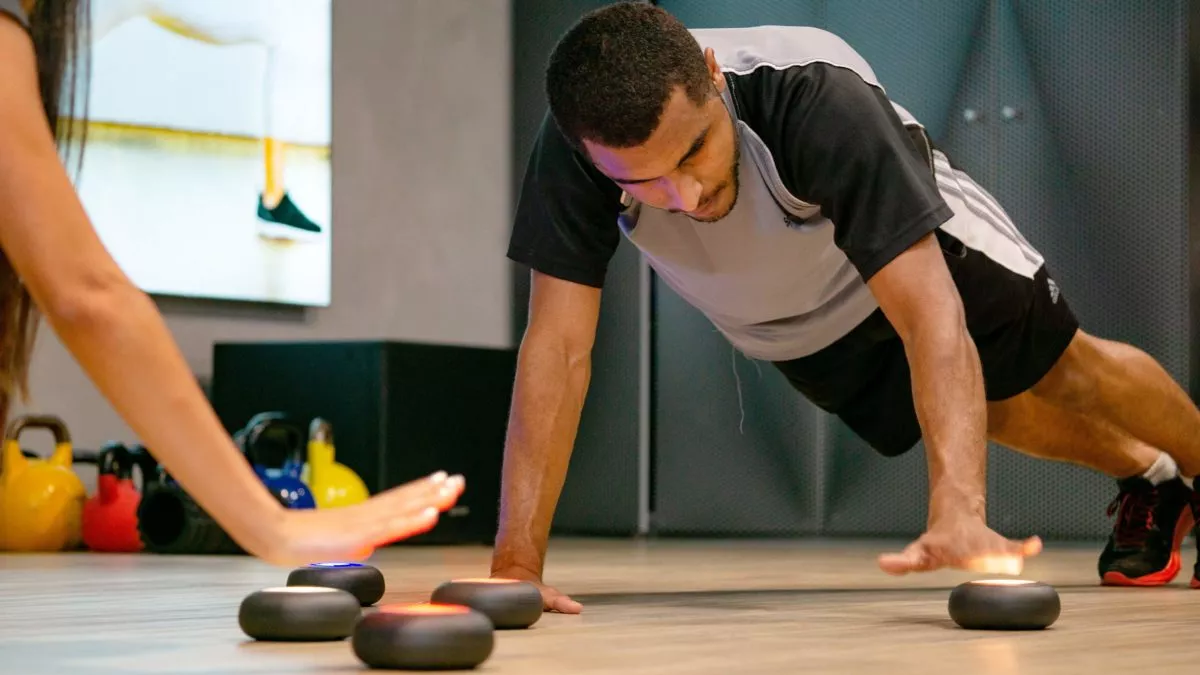
Push-ups (modified if needed)
Mountain climbers
Cooldown (5 minutes): Stretch muscles in the legs, arms, and core.
No-Equipment HIIT Exercises for Beginners
Effective bodyweight moves include:

Jumping jacks for cardio
High knees for core and legs
Bodyweight squats for lower body strength
Burpees for a full-body workout
Adding Equipment to Elevate HIIT
If desired, simple equipment can enhance a HIIT workout:

Resistance Bands: Add resistance to squats and lunges.
Light Dumbbells: Perfect for shoulder presses or bicep curls.
Jump Rope: Excellent for quick cardio intervals.
HIIT Safety Tips for Beginners

Listen to Your Body: Rest if you feel overly fatigued.
Avoid Mistakes: Don’t skip rest intervals or do consecutive HIIT sessions without rest days.
Focus on Form: Proper technique is essential for safety and effectiveness.
Modifying Exercises for Beginners
Adapt HIIT moves as needed:

Squats: Use a chair for support.
High Knees: March in place for a low-impact version.
Burpees: Skip the push-up or jump to simplify.
Sample Weekly HIIT Plan for Beginners
A simple beginner-friendly schedule might look like this:

Monday: 15-minute HIIT
Wednesday: Rest or light stretching
Friday: 15-minute HIIT
Sunday: Rest day
As endurance improves, add an extra day or extend each session.
Importance of Rest and Recovery
Rest days are vital for recovery, as HIIT is demanding on both muscles and the cardiovascular system. Listen to your body and add extra rest days if needed.

Debunking Common HIIT Myths

Myth: HIIT is Only for Advanced Athletes: HIIT can be tailored for any fitness level.
Myth: Longer HIIT Sessions are Better: HIIT’s effectiveness lies in short, intense intervals.
Tracking Progress with HIIT
Track reps, time, or endurance gains to see your progress. Celebrate each milestone, whether it’s an extra rep or faster time.

Conclusion: Start Your HIIT Journey Today
HIIT is an adaptable and effective workout option for beginners, helping with weight loss, cardio fitness, and muscle building. Remember to start slow, prioritize form, and enjoy the journey—your results will follow!

FAQs

How often should beginners do HIIT? Two to three times a week allows for effective rest and recovery.
Is bodyweight-only HIIT effective? Absolutely! Moves like squats, lunges, and push-ups work perfectly.
How will I feel after a HIIT session? You’ll likely feel winded and slightly sore, but also energized.
Are there beginner-friendly HIIT apps? Yes, apps like “7 Minute Workout” and “HIIT Timer” are easy to follow.
Can people with joint issues do HIIT? With modifications, low-impact versions can be beneficial and gentle on joints.

Find the Best Group Fitness Classes Near You

Group fitness classes are an exciting way to stay active while achieving your fitness goals. Whether you’re aiming to lose weight, build strength, or just get moving, there’s a class for everyone. With so many options available, finding the perfect fit for your needs has never been easier. But how do you find the best group fitness classes nearby? In this article, we’ll guide you through everything you need to know.

  1. The Benefits of Group Fitness Classes
    Group fitness classes offer more than just exercise—they create an engaging and supportive environment.
  • Motivation and Accountability: Working out with others makes it easier to stay committed. When workout partners are counting on you, skipping is less tempting.
  • Sense of Community: Group classes foster camaraderie as everyone works towards similar goals, creating a positive, supportive atmosphere.
  • Expert Guidance: Instructors provide professional guidance to ensure you’re using proper form and minimizing injury risk.
  1. Types of Group Fitness Classes
    There are numerous types of group fitness classes to suit different preferences and fitness levels. Here are some popular options:
  • Strength Training Classes: Like BodyPump, these classes focus on building muscle with weights or resistance bands.
  • Cardio Classes: Kickboxing and step aerobics boost heart health by raising your heart rate.
  • Mind-Body Classes: Yoga and Pilates incorporate movement with breathing techniques for physical and mental benefits.
  • Dance-Based Classes: Zumba or Barre provide a fun, calorie-burning workout through dance.
  • HIIT (High-Intensity Interval Training): These classes focus on short bursts of intense exercise followed by rest, maximizing calorie burn in a short period.
  1. How to Choose the Right Group Fitness Class
    Choosing the best class depends on your personal goals and preferences:
  • Fitness Goals: Whether you’re looking to lose weight, gain strength, or increase flexibility, your goals should guide your choice.
  • Current Fitness Level: Beginners may prefer low-impact classes, while advanced participants might explore high-intensity options.
  • Convenience: The best class is one you can attend regularly. Consider location, schedule, and how it fits into your routine.
  1. Top Group Fitness Classes for Beginners
    If you’re just starting out, here are some beginner-friendly options:
  • Yoga and Pilates: Great for improving flexibility and building strength gently.
  • Zumba: A fun, easy-to-follow dance cardio class.
  • Aqua Aerobics: A low-impact class that’s ideal for those with joint issues or recovering from injuries.
  1. Advanced Group Fitness Classes for Enthusiasts
    For those with more experience, these challenging classes might appeal:
  • CrossFit: High-intensity strength and conditioning workouts.
  • Bootcamp: Cardio and strength training combined in a high-energy setting.
  • Spin Classes: Indoor cycling with a motivating, high-energy vibe.
  1. Popular Fitness Studios and Chains Offering Group Classes
    Many fitness chains specialize in group classes:
  • F45 Training: Short, high-intensity classes focused on functional movements.
  • Orangetheory Fitness: Combines cardio, strength, and heart-rate tracking for effective workouts.
  • SoulCycle: Dance-inspired spin classes that are as much about the atmosphere as the workout.
  • Barry’s Bootcamp: A mix of treadmill sprints and strength training for a full-body workout.
  1. How to Find Group Fitness Classes Near You
    To find a great class in your area:
  • Fitness Apps and Websites: Use platforms like ClassPass or Mindbody to browse schedules and locations.
  • Recommendations: Ask friends or colleagues for their favorite spots.
  • Local Gyms: Many gyms offer a wide variety of classes, often included in memberships.
  1. Cost and Membership Options
    The cost of group fitness classes can vary depending on the studio and location:
  • Pay-as-you-go: Perfect for those who want flexibility.
  • Memberships: Monthly plans that often include unlimited classes.
  • Free Trials: Many studios offer discounted or free trial classes, letting you try before committing.
  1. What to Expect in Your First Group Fitness Class
    Feeling a little nervous? Don’t worry! Here’s what you can expect:
  • Class Structure: A warm-up, followed by the main workout, and ending with a cool-down.
  • Equipment: Some classes provide necessary gear, but bring comfortable workout clothes and a water bottle.
  • Getting Comfortable: You might feel awkward at first, but with more classes, you’ll find your rhythm.
  1. Tips for Maximizing Your Group Fitness Experience
    To make the most of your group fitness sessions:
  • Arrive Early: This gives you time to introduce yourself to the instructor and get settled.
  • Focus on Form: Proper technique prevents injury and ensures effective workouts.
  • Set Milestones: Celebrate progress, like mastering new moves or improving endurance.
  1. The Role of Instructors in Group Fitness
    Instructors play a crucial role in group fitness:
  • Customized Workouts: They modify exercises to suit the fitness levels of participants.
  • Motivation: A good instructor inspires and pushes you to do your best.
  1. Common Misconceptions About Group Fitness
    Let’s clear up a few myths:
  • “I need to be fit to join.” False! Group classes cater to all levels.
  • “Classes are too intense.” Many classes offer modifications, allowing you to go at your own pace.
  1. Safety Considerations in Group Fitness
    Safety should always be a priority:
  • Warm-up and Cool-down: These are essential to avoid injury.
  • Listen to Your Body: Don’t push through pain; modify moves when necessary.
  1. Conclusion
    Group fitness classes are an excellent way to stay motivated, improve your fitness, and join a supportive community. Whether you’re a complete beginner or an experienced athlete, there’s a class that suits your goals. Start exploring the group fitness classes near you today and take your first step towards a healthier lifestyle.
  2. FAQs
  • How often should I attend group classes?
    Aim for 3-4 classes per week to balance consistency with recovery.
  • Can beginners join group fitness classes?
    Absolutely! Many classes are beginner-friendly, with modifications for all levels.
  • What should I bring to my first class?
    Bring a water bottle, towel, and comfortable workout clothes. Equipment is usually provided by the studio.
  • Are group classes good for weight loss?
    Yes! Classes like HIIT and cardio are particularly effective for burning calories.
  • Can I try different types of classes at the same gym?
    Most gyms offer a variety of classes, allowing you to mix strength, cardio, and mind-body workouts in one place.

5 Unexpected Benefits of Functional Fitness

Functional fitness has become increasingly popular in recent years, but it’s much more than just a fleeting trend. Unlike traditional workout routines that target isolated muscle groups, functional fitness centers around exercises that mimic real-world movements. Its main purpose is to enhance your ability to perform daily tasks more easily while minimizing the risk of injury. Curious about the benefits? Here are five surprising advantages of functional fitness that you might not anticipate.

  1. Enhanced Everyday Mobility Functional fitness focuses on movement patterns you use in everyday life. Whether it’s picking something up off the floor or reaching for an item on a high shelf, these exercises help improve your body’s overall fluidity in movement.

How Functional Fitness Aids Mobility Rather than isolating muscles like traditional workouts, functional fitness emphasizes compound movements that involve multiple muscle groups working together. This allows your body to move more naturally, enhancing flexibility and overall mobility.

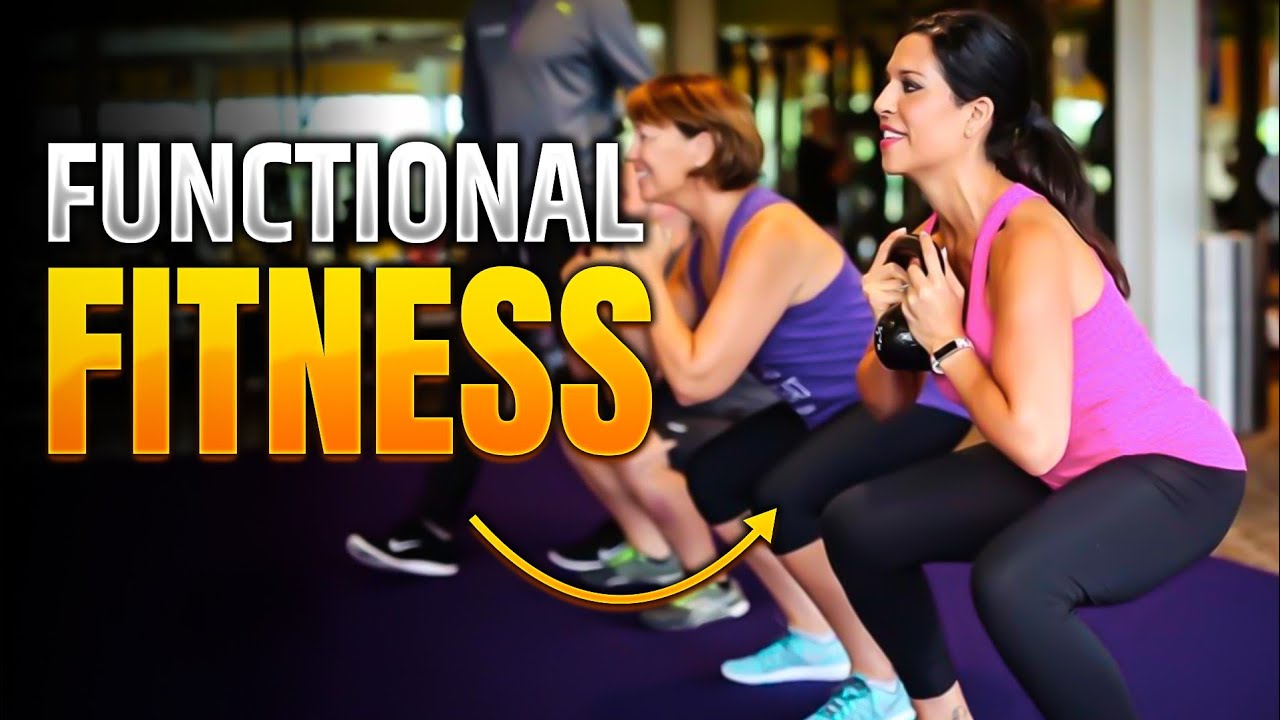
Practical Examples of Mobility Improvements For instance, exercises such as squats simulate sitting and standing, while lunges mimic walking and climbing stairs. Functional fitness makes these everyday actions easier and less strenuous, leading to greater mobility.

  1. Better Balance and Coordination Most people don’t think about balance until they lose it. Whether it’s recovering from a stumble or walking on uneven ground, balance is key in preventing falls and injuries.

The Importance of Balance as We Age As we get older, balance tends to decline, increasing the risk of falls. Functional fitness helps train the body to maintain stability. By engaging core muscles and improving body awareness (proprioception), it helps preserve and even enhance balance.

Exercises That Improve Balance and Coordination Movements such as single-leg deadlifts or squats on a stability ball can significantly improve balance. These exercises challenge your coordination, making your body work harder to stay stable, which benefits real-world movement.

  1. Increased Strength Without Bulking Up A common misconception about strength training is that it leads to bulky muscles. However, functional fitness is designed to build strength that improves your everyday performance, without adding unnecessary muscle mass.

Functional Fitness vs. Traditional Strength Training While traditional weightlifting focuses on hypertrophy (muscle growth), functional fitness strengthens muscles for daily use by targeting multiple muscle groups at once, rather than isolating them.

How Functional Movements Tone Your Body Movements like kettlebell swings, push-ups, and carrying weights involve full-body engagement, building lean, strong muscles. This helps you achieve a toned and fit look without developing the bulky physique often associated with bodybuilding.

  1. Improved Posture and Less Pain Many of us are guilty of poor posture, especially if we spend hours sitting at a desk. Over time, bad posture can cause back, neck, and shoulder pain. Functional fitness helps tackle these problems directly.

The Impact of Poor Posture on Health Bad posture can strain muscles and joints, leading to discomfort and even long-term issues like chronic back pain. Functional fitness strengthens core muscles and corrects body alignment, which helps reduce pain.

Using Functional Fitness to Alleviate Pain Core-strengthening exercises like planks, deadlifts, and bridges improve posture, reducing strain on the body and helping prevent future pain and injury.

  1. Boosted Mental Health and Well-Being Exercise is known to improve mental health, and functional fitness offers additional mental benefits. By focusing on natural, full-body movements, it enhances the connection between the mind and body.

The Mind-Body Connection in Functional Fitness Functional exercises require concentration and awareness of body movement, encouraging mindfulness. This can help relieve stress, improve mental clarity, and create a sense of calm, similar to meditation.

Relieving Stress Through Natural Movements Functional movements not only work your muscles but also release built-up tension. Exercises like yoga flows or bodyweight exercises have a calming effect, leaving you feeling refreshed both physically and mentally.

How to Start Functional Fitness Excited to try functional fitness? It’s suitable for all fitness levels and doesn’t require any fancy equipment. You can start with basic exercises and progress over time.

Simple At-Home Exercises Exercises like bodyweight squats, lunges, push-ups, and planks are excellent starting points. These movements replicate daily actions and build strength in the muscles needed to perform them more effectively.

Tips for Beginners If you’re new to functional fitness, take it slow and focus on proper form. Pay close attention to how your body feels and avoid rushing through exercises. Consistency is key—15-20 minutes a few times a week can yield noticeable results.

Conclusion Functional fitness goes beyond just physical improvements—it enhances your overall quality of life. From better mobility and balance to reduced pain and improved mental well-being, functional fitness helps you feel stronger and more capable in daily activities. Whether you’re a beginner or seasoned fitness enthusiast, incorporating functional exercises into your routine can make a real difference. So why not give it a try and discover these benefits for yourself?

FAQs

Is Functional Fitness Suitable for All Ages? Absolutely! Functional fitness is adaptable for all ages and fitness levels, making it suitable for everyone, including seniors.

How Often Should I Do Functional Fitness? For optimal results, aim for 2-3 sessions per week, allowing your muscles time to recover while building strength and mobility.

Can Functional Fitness Help with Weight Loss? Yes, functional fitness incorporates full-body movements, which can help burn calories and assist in weight loss when paired with a healthy diet.

Do I Need Special Equipment for Functional Fitness? No special equipment is required to get started. Many functional fitness exercises rely on bodyweight, but you can add equipment like resistance bands or kettlebells as you advance.

How Long Before I See Results? You may start noticing improvements in mobility and strength within a few weeks, with more significant changes occurring after 2-3 months of consistent training.

7 Best Stretches to Improve Your Flexibility

Flexibility is an important, yet often neglected, aspect of fitness. Whether you’re an athlete, someone who spends long hours at a desk, or just want to feel more comfortable in your body, enhancing your flexibility offers many advantages. Stretching not only boosts mobility but also helps prevent injuries, reduces muscle tightness, and improves posture. In this article, we’ll highlight seven of the best stretches that you can add to your routine to improve flexibility and overall wellness.

What is Flexibility?
Flexibility refers to the capacity of your muscles and joints to move through their entire range of motion. This ability affects everything from daily movements, like bending down to pick something up, to athletic performance. Greater flexibility allows for smoother movements and helps reduce the chances of pain or stiffness.

Why Stretching is Key to Flexibility
Stretching is essential for enhancing flexibility because it lengthens muscles and supports joint health. Regular stretching boosts blood flow, eases muscle tightness, and enhances posture by ensuring better alignment of muscles and bones. It also helps lower the risk of injuries by reducing the chance of muscle strains during physical activity. Essentially, stretching is a simple yet effective method to keep your body flexible and pain-free.

When and How to Stretch
Knowing the right time and method for stretching is crucial. The best time to stretch is after your muscles have warmed up, such as following a workout or after a quick warm-up session. Stretching can be either dynamic or static. Dynamic stretches, which involve movement, are ideal before exercise. On the other hand, static stretches, where you hold a pose for a set time, are more effective after exercise or for long-term flexibility gains.

7 Best Stretches to Improve Flexibility
Now, let’s explore seven of the top stretches that target various muscle groups, providing a comprehensive flexibility boost.

Stretch #1: Standing Forward Bend (Hamstring Stretch)
This stretch targets the hamstrings and lower back.

How to Do It:

  • Stand with feet hip-width apart.
  • Bend forward at the hips, keeping your legs straight but not locked.
  • Reach towards the ground or your feet.
  • Hold for 20-30 seconds, then rise slowly.

Benefits:

  • Stretches hamstrings and calves
  • Relieves tension in the lower back

Stretch #2: Cat-Cow Stretch (Spinal Flexibility)
A gentle stretch that enhances spinal flexibility and posture.

How to Do It:

  • Start on all fours, hands under shoulders, knees under hips.
  • Inhale as you arch your back (Cow Pose), then exhale as you round your back (Cat Pose).
  • Repeat for 5-10 breaths.

Benefits:

  • Improves spinal flexibility
  • Relieves neck and back tension

Stretch #3: Downward Dog (Full Body Stretch)
This classic yoga pose provides a full-body stretch, targeting multiple muscles.

How to Do It:

  • Begin on hands and knees, then lift hips toward the ceiling in an inverted V-shape.
  • Keep hands shoulder-width apart, feet hip-width apart.
  • Press heels toward the floor and hold for 30 seconds.

Benefits:

  • Stretches shoulders, hamstrings, and calves
  • Improves flexibility in multiple areas

Stretch #4: Butterfly Stretch (Hip Flexibility)
Perfect for opening up the hips and stretching the inner thighs.

How to Do It:

  • Sit on the floor with feet together and knees bent outward.
  • Hold your feet, gently pressing knees toward the floor.
  • Hold for 20-30 seconds.

Benefits:

  • Increases hip flexibility
  • Stretches inner thighs and groin

Stretch #5: Seated Forward Fold (Back and Hamstring Stretch)
A great stretch for loosening the lower back and hamstrings.

How to Do It:

  • Sit with legs extended.
  • Inhale and reach your arms overhead, then exhale and fold forward from the hips.
  • Hold for 30 seconds.

Benefits:

  • Stretches hamstrings and lower back
  • Calms the mind and reduces stress

Stretch #6: Pigeon Pose (Hip and Glute Stretch)
A deeper stretch for the hips, glutes, and lower back.

How to Do It:

  • Start in tabletop, bring your right knee forward behind your wrist.
  • Extend the left leg straight back, lower your torso toward the floor.
  • Hold for 30 seconds, then switch sides.

Benefits:

  • Stretches hips, glutes, and lower back
  • Releases tension in the hips

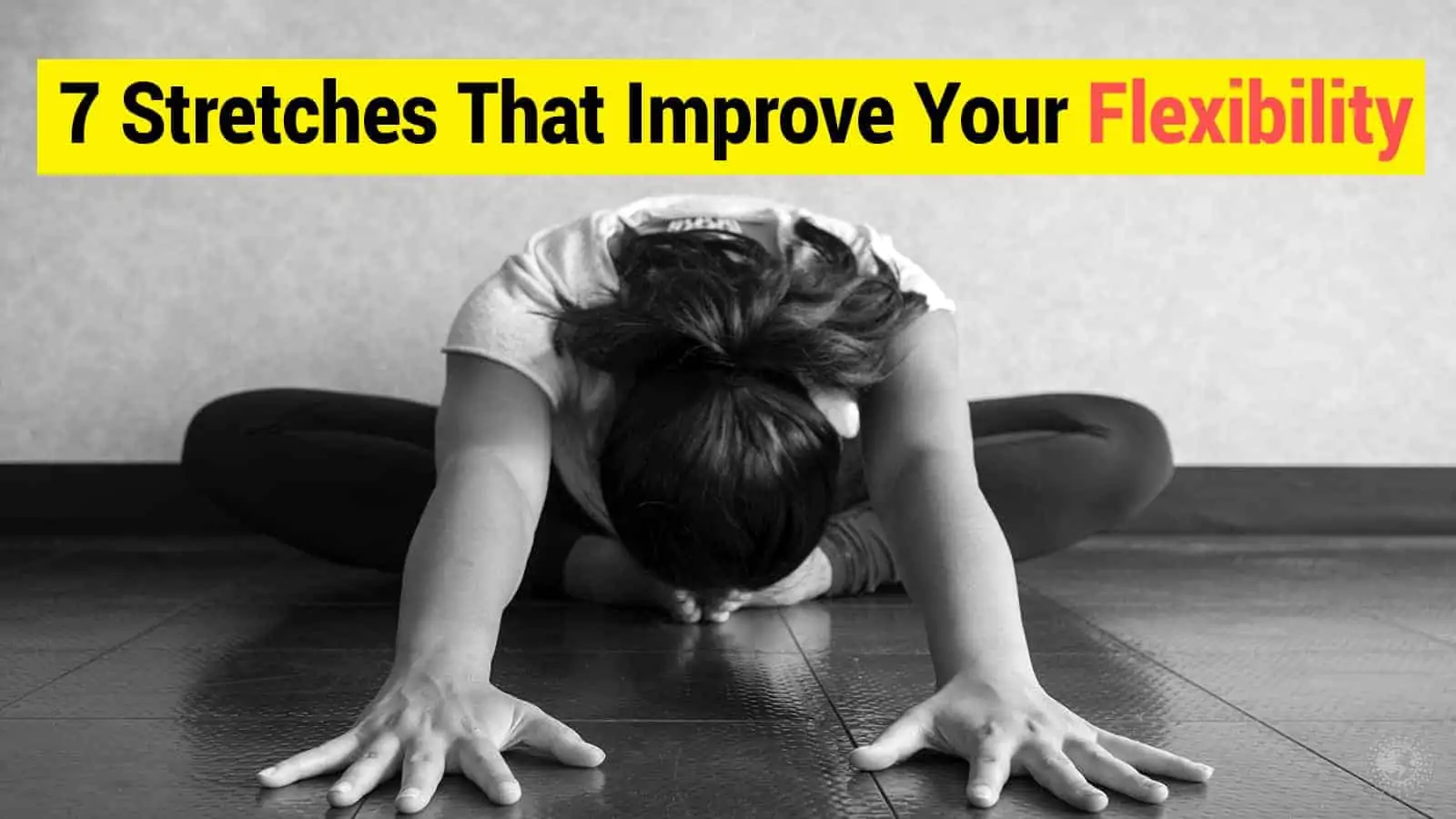
Stretch #7: Child’s Pose (Lower Back and Hips)
A gentle stretch that relieves tension in the lower back and hips.

How to Do It:

  • Start on your knees, sitting hips back toward your heels.
  • Extend your arms forward and rest your forehead on the ground.
  • Hold for 30-60 seconds.

Benefits:

  • Stretches hips, thighs, and lower back
  • Promotes relaxation and stress relief

Tips for Effective Stretching
To maximize your stretching routine, keep these tips in mind:

  • Warm up first: Stretching cold muscles increases the risk of injury.
  • Breathe deeply: Deep breathing helps you relax and stretch more effectively.
  • Stay consistent: Regular stretching is key to gaining flexibility.
  • Avoid pushing too hard: Stretching should be comfortable, not painful.

How Often Should You Stretch?
To see the best results, aim to stretch three to four times per week. However, even a few minutes of daily stretching can gradually enhance your flexibility. Always listen to your body and adjust as needed.

Conclusion
Flexibility plays an essential role in your overall fitness and well-being. By incorporating these seven stretches into your routine, you can gradually increase your range of motion, reduce stiffness, and minimize the risk of injury. Consistency is key, so make stretching a habit and enjoy the benefits of a more flexible, agile body.

FAQs

  1. How long should I hold each stretch?
    Hold each stretch for 20-30 seconds; for deeper flexibility, you can extend it to 60 seconds.
  2. Can stretching replace a warm-up?
    No, it’s best to use dynamic movements for warming up. Stretching is ideal for after a workout.
  3. Is soreness after stretching normal?
    Mild soreness can be normal, but sharp pain should be avoided.
  4. What are signs of overstretching?
    Intense pain or muscle spasms indicate overstretching.
  5. When will I see results from stretching?
    With consistent practice, you could notice flexibility improvements within a few weeks.

How to Lose Weight Without Dieting: 5 Simple Tips

When you think about losing weight, strict dieting often comes to mind—cutting out food groups, obsessively counting calories, and feeling deprived of your favorite foods. However, weight loss doesn’t always require drastic diets or starvation. Instead, you can achieve results by making small, sustainable lifestyle changes.

Here are 5 easy tips to help you lose weight without the need for dieting:

Tip 1: Practice Mindful Eating Mindful eating involves paying full attention to your food and the act of eating. It’s easy to overeat when you’re distracted by the TV or your phone during meals. By eating slowly, savoring each bite, and tuning into your body’s hunger and fullness cues, you can avoid overeating and feel more satisfied with less food.

Tip 2: Stay Active Throughout the Day You don’t need to hit the gym hard to lose weight—simply increase your daily physical activity. This could be as simple as walking more, taking the stairs, or incorporating short bursts of movement into your routine, like stretching or dancing. These small efforts add up over time.

Tip 3: Drink More Water Often, feelings of hunger are actually signs of dehydration. Drinking more water can help curb unnecessary cravings. Try having a glass of water before meals to reduce your portion sizes and aim for at least 8 cups (2 liters) of water a day. You can also make it more enjoyable by adding fruit or herbs to your water.

Tip 4: Get Enough Sleep Getting quality sleep is essential for weight management. Lack of sleep can increase your hunger hormones and lead to cravings for unhealthy, high-calorie foods. Aim for 7-9 hours of sleep per night, and create a relaxing bedtime routine to improve your sleep quality.

Tip 5: Manage Stress Stress triggers the release of cortisol, a hormone that can lead to fat storage and increased appetite, especially for comfort foods. To avoid this, practice stress-reducing techniques like deep breathing, meditation, or yoga. Taking time for yourself is important for both mental and physical well-being.

Small Lifestyle Changes Add Up You don’t need to completely change your life to see results. Small, manageable adjustments—like walking a little more each day, choosing whole foods, or setting a sleep schedule—can lead to significant changes over time.

Healthy Snacking Snacking doesn’t have to derail your weight loss goals if you opt for nutritious choices like fruits, nuts, or vegetables with hummus, instead of processed snacks.

Focus on Whole Foods Eating more whole foods, such as fruits, vegetables, lean proteins, and whole grains, provides essential nutrients and keeps you full for longer, helping you control hunger naturally.

Cut Back on Sugary Drinks Sugary beverages can pack in hidden calories. Swap them for water, unsweetened tea, or black coffee to reduce unnecessary calorie intake.

Portion Control Portions have grown over the years. Pay attention to serving sizes, use smaller plates, and read food labels to avoid overeating.

Consistency is Key Whether it’s mindful eating, staying active, or drinking more water, consistency is crucial. Stay patient, and over time, these habits will yield results.

Celebrate Non-Scale Wins Don’t get too focused on the number on the scale. Celebrate other achievements, like improved energy levels, better sleep, or how your clothes fit.

Be Kind to Yourself Weight loss takes time, so be patient. Focus on making sustainable changes rather than seeking quick fixes, and you’ll be on your way to long-term success.

FAQs:

  • Can I lose weight without dieting? Yes! By making lifestyle changes like mindful eating, staying active, and managing stress, weight loss can happen without strict dieting.
  • How do I stay motivated? Focus on non-scale victories, such as feeling more energetic or sleeping better.
  • How much water should I drink? Aim for at least 8 cups (2 liters) of water daily, and drink a glass before meals to help with portion control.
  • What if I can’t find time to exercise? Small activities count—stretch, walk, or move more throughout the day. Every little bit helps.
  • Are cheat days okay if I’m not dieting? Yes, balance is key. It’s fine to indulge occasionally, as long as you return to your healthy habits.

Best Exercises to Build Muscle Fast

Building muscle quickly isn’t just about lifting heavy weights; it requires a strategic approach that targets various muscle groups while employing techniques like progressive overload to constantly challenge your body. This guide will highlight the most effective exercises for fast muscle growth and explain why they work.

What Does Building Muscle Fast Mean?

Building muscle fast means optimizing your workouts to achieve muscle mass gains in the shortest time. It involves using exercises that activate multiple muscle fibers, maintaining high intensity, and being consistent with both training and proper nutrition.

The Importance of Compound Movements

Compound exercises involve multiple joints and muscle groups, making them essential for muscle-building. They allow you to lift heavier weights and activate more muscle fibers, which accelerates growth.

How Progressive Overload Promotes Muscle Growth

Progressive overload means gradually increasing the resistance or intensity of your exercises. By doing so, you push your muscles to adapt, leading to greater strength and size over time.

Best Exercises to Build Muscle Fast

Upper Body Exercises

  1. Bench Press: A key exercise for the chest, shoulders, and triceps. Use heavy weights and maintain good form to maximize muscle activation.
    • Tip: Gradually increase the weight but keep control of the movement during both the lift and the descent.
  2. Pull-Ups: Excellent for building your back and biceps while also enhancing grip strength. Add weight if bodyweight pull-ups become easy.
    • Tip: Use resistance bands if you’re struggling, then reduce assistance as you get stronger.
  3. Overhead Press: Targets the shoulders and upper chest. Whether you use a barbell or dumbbells, strict form is key to avoid injury.
    • Tip: Keep your core tight and avoid leaning back to protect your lower back.
  4. Bent-Over Rows: A powerful back exercise that targets the upper back, lats, and traps. It helps develop a thick back.
    • Variation: Try single-arm dumbbell rows or T-bar rows for more intense variations.

Lower Body Exercises

  1. Squats: One of the best exercises for leg, glute, and core development. Deep squats that go below parallel engage more muscle fibers.
    • Variation: Front squats, goblet squats, and Bulgarian split squats add variety and target different angles.
  2. Deadlifts: A full-body exercise that strengthens everything from your hamstrings and glutes to your back and traps.
    • Tip: Keep your spine neutral to avoid injury by preventing back rounding.
  3. Lunges: Improve balance and target the quads, hamstrings, and glutes. Adding weights increases difficulty and muscle activation.
    • Tip: Once bodyweight lunges are easy, use dumbbells for added intensity.
  4. Leg Press: A good alternative to squats, especially for beginners or those with lower back issues. It primarily targets the quads and glutes.
    • Tip: Avoid locking your knees at the top to maintain muscle tension.

Core and Stability Exercises

  1. Planks: Planks are effective for building core stability, which is important for performing heavy lifts safely.
    • Variation: Try plank-to-push-up or side planks to target different areas of the core.
  2. Hanging Leg Raises: A challenging but effective exercise for the abs, particularly the lower abs.
    • Progression: Start with knee raises, then work up to full leg raises as you build strength.

Why Compound Movements Are Crucial

  • Engage Multiple Muscle Groups: Compound exercises, like squats and deadlifts, work several muscle groups at once, leading to faster gains.
  • Efficient Workouts: When time is limited, compound lifts let you work more muscles in less time, maximizing efficiency.
  • Boost Hormone Levels: Heavy compound lifts stimulate the release of testosterone and growth hormone, both essential for muscle growth.

Incorporating Isolation Exercises

While compound movements are foundational, isolation exercises like bicep curls, tricep extensions, leg curls, and calf raises help fine-tune specific muscle groups, improving muscle balance and symmetry.

Recovery and Nutrition for Fast Muscle Growth

  • Protein for Muscle Repair: Aim to consume at least 1 gram of protein per pound of body weight each day to aid muscle repair and growth.
  • Rest Days: Muscle growth happens during recovery, so allow your muscles time to rebuild by scheduling regular rest days.
  • Stretching and Mobility: Including stretching and mobility work helps prevent injury, improves flexibility, and aids recovery.

Conclusion

To build muscle fast, focus on compound exercises that engage multiple muscle groups and incorporate isolation exercises for balance. Consistency in training, proper nutrition, and adequate recovery are essential for maximizing your gains.

FAQs

  • How soon will I see results?: Beginners can see noticeable muscle gains within 4 to 6 weeks with consistent effort.
  • Should I lift heavy?: Yes, lifting heavier weights with fewer reps promotes muscle hypertrophy for faster growth.
  • How often should I train?: Aim for 3 to 5 strength training sessions per week.
  • Are supplements necessary?: While helpful, supplements like protein and creatine aren’t essential. A balanced diet is key.

5 Surprising Benefits of Functional Fitness

In the world of fitness, trends often come and go, but functional fitness has established itself as a long-lasting favorite. If you’re bored of repetitive workouts that don’t seem to improve your daily activities, you’re not alone. Many fitness enthusiasts are turning to functional fitness, a flexible approach that aims to enhance real-life movements. But what exactly is functional fitness, and what are some surprising ways it can benefit you? Let’s explore five unexpected perks of this fitness trend.

What is Functional Fitness?

The Basic Idea of Functional Fitness

Functional fitness is a style of exercise that prepares your body for daily activities by mimicking real-world movements. Unlike traditional exercises that isolate specific muscles, functional fitness engages multiple muscle groups simultaneously. This helps improve everyday actions like lifting, pushing, pulling, squatting, and twisting, making it highly relevant to your daily routine.

How Functional Fitness Differs from Traditional Workouts

While traditional workouts focus on strengthening individual muscle groups or improving specific fitness areas, functional fitness emphasizes overall strength, flexibility, coordination, and balance through full-body movements. This holistic approach makes it an efficient workout style that also prepares you for real-life physical challenges.

Now, let’s look at how functional fitness can unexpectedly enhance your life.

1. Better Everyday Movement

Real-Life Applications of Functional Fitness

One of the most surprising benefits of functional fitness is how it improves your ability to move in everyday life. Many exercises are designed to mimic common movements. For example, a squat simulates the action of sitting and standing, while deadlifts prepare you to lift heavy objects, like groceries, from the ground.

Examples of Functional Movements

Exercises like lunges, kettlebell swings, and box jumps not only strengthen your muscles but also train your body to tackle daily tasks more effectively. Whether it’s climbing stairs or reaching for something on a high shelf, you’ll notice these movements become much easier.

Enhanced Mobility for Routine Tasks

From carrying laundry to playing with your children, functional fitness boosts your range of motion and stability. This leads to less stiffness and more comfort when doing mundane activities.

2. Stronger Core Strength

The Role of Core Stability in Functional Fitness

Core strength is central to functional fitness. Instead of targeting only superficial muscles, functional movements work on deep core muscles that stabilize your entire body. A strong core supports almost all your movements, whether you’re bending or standing tall.

The Importance of a Strong Core

Your core does more than give you toned abs; it supports your spine, improves posture, and helps prevent injury. Strengthening it through functional fitness can alleviate lower back pain and improve your overall stability.

Reduced Back Pain

Weak core muscles often lead to back problems. By regularly incorporating core-centric functional exercises such as planks or kettlebell carries, you can reduce strain on your spine and strengthen your back.

3. Better Balance and Coordination

Why Balance is Important for Everyday Life

As we age, our balance and coordination tend to weaken, increasing the risk of falls and injuries. Functional fitness helps maintain and even improve these crucial abilities, ensuring you stay agile and steady well into older age.

Functional Fitness Balance Exercises

Movements like single-leg deadlifts, step-ups, and exercises on balance boards help improve your stability. These exercises activate the muscles that keep you steady, enhancing both your static and dynamic balance.

Faster Reflexes and Better Reactions

Training multiple muscle groups at once can improve your reflexes, making it easier to respond to sudden situations. Whether it’s avoiding a fall or quickly changing direction in a sport, functional fitness sharpens your reactions.

4. Increased Flexibility and Range of Motion

Joint Health and Functional Fitness

Functional fitness helps keep your joints healthy by focusing on exercises that promote full range of motion. Movements that involve bending, reaching, and twisting keep your joints flexible and pain-free.

Mobility and Stretching Drills

Instead of static stretches, functional fitness uses dynamic stretching and mobility drills that prepare your body for movement. This not only improves flexibility but also reduces the risk of injury from stiffness or tight muscles.

Long-Term Flexibility and Health

Flexibility is key to maintaining ease of movement as you age. Functional fitness ensures that your muscles and joints stay flexible, allowing you to move freely and comfortably for years to come.

5. Prevention of Injuries and Improved Longevity

Strengthening Natural Movements

By focusing on exercises that mirror everyday movements, functional fitness strengthens the muscles you use most often, lowering your risk of injuries from overuse or improper movement patterns.

Reducing Strain from Repetitive Movements

Jobs or activities that involve repetitive motions can lead to muscle imbalances or injuries. Functional fitness helps by creating balance in your strength and flexibility, reducing the risk of overusing any one muscle group.

Supporting Longevity in Aging Populations

As you grow older, staying active is crucial for independence. Functional fitness promotes long-term health by improving your ability to perform daily tasks, reducing the likelihood of falls, and keeping you mobile.

Functional Fitness: Suitable for Everyone

Why It’s Great for All Ages and Abilities

The beauty of functional fitness is its adaptability. Whether you’re just starting out or are a seasoned athlete, this fitness approach can be adjusted to fit your fitness level and personal goals.

Tailoring Workouts to Your Needs

No matter your fitness goals—whether to build strength, lose weight, or enhance endurance—functional fitness can be customized to suit your needs. Trainers can help create a plan tailored to your abilities and objectives.

Getting Started with Functional Fitness

Choosing the Right Exercises

To begin, focus on foundational movements like squats, lunges, push-ups, and planks. These exercises engage multiple muscle groups and can be done with or without equipment.

Equipment for Functional Workouts

While many exercises rely on body weight, adding equipment like kettlebells, resistance bands, medicine balls, or balance boards can increase the challenge and variety of your workouts.

Solo Workouts or with a Trainer?

While it’s possible to do functional fitness on your own, working with a trainer can ensure you’re using the correct form and progressing safely. A trainer can also customize your workouts to fit your specific needs.

Conclusion

Functional fitness is more than a passing trend—it’s a comprehensive approach to improving your physical health and ability to tackle daily life. Whether you want to boost your core strength, improve balance, or reduce injury risks, functional fitness offers a range of benefits that go beyond the gym. By incorporating these exercises into your routine, you’ll feel stronger, more agile, and better prepared for whatever life throws your way.

The Top Benefits of Weightlifting for Women

Weightlifting has long been perceived as a male-dominated activity, often associated with big muscles and intense gym routines. However, more women today are turning to weightlifting and reaping its many benefits. Contrary to popular belief, weightlifting isn’t just about building large muscles – it promotes strength, health, and even mental wellness. In this article, we’ll dive into the top reasons why women should embrace weightlifting and debunk the myths surrounding it.

What Is Weightlifting? Weightlifting involves exercises that use resistance, such as dumbbells, barbells, machines, or resistance bands, to strengthen muscles and build muscle mass. Unlike cardio exercises that focus mainly on heart health and endurance, weightlifting targets specific muscle groups, improving strength and overall fitness. A key difference is that while cardio burns calories during the activity, weightlifting offers long-term benefits by boosting metabolism even after the workout is over.

Why Women Should Embrace Weightlifting Traditionally, women were encouraged to stick to light exercises like yoga or aerobics due to the misconception that strength training would make them bulky. But this mindset is changing. More women are discovering that weightlifting can lead to better health, strength, and fitness without making them bulky.

Building Lean Muscle Mass One of the most prominent benefits of weightlifting is developing lean muscle mass. The fear of becoming bulky is unfounded, as women generally produce less testosterone than men, meaning they won’t gain the same muscle mass. Instead, weightlifting helps tone the body, resulting in a firmer, more sculpted look.

Boosting Metabolism A major advantage of weightlifting is its ability to boost metabolism. As you gain muscle, your body burns more calories, even when you’re resting. Muscle tissue uses more energy than fat, which helps promote long-term fat loss. This makes weightlifting a great strategy for boosting metabolism and maintaining a lean body, unlike cardio, which primarily burns calories during the workout itself.

Improving Bone Density Women are more prone to developing osteoporosis, especially post-menopause. Weightlifting is an excellent way to fight this. Lifting weights encourages bones to work harder, leading to increased bone strength and density over time. Studies show that regular weightlifting can significantly improve bone health, making it essential for preventing bone loss and fractures.

Enhancing Mental Health The benefits of weightlifting extend beyond physical improvements. It has significant mental health advantages too. Lifting weights releases endorphins, natural mood enhancers that reduce stress, anxiety, and even symptoms of depression. Additionally, mastering new challenges in the gym boosts self-confidence, leading to greater mental resilience in everyday life.

Supporting Heart Health While cardio exercises are commonly associated with heart health, weightlifting plays a crucial role as well. Strength training can lower blood pressure, improve cholesterol levels, and enhance overall cardiovascular health. Including weightlifting in your fitness routine can reduce the risk of heart disease, the leading cause of death among women.

Injury Prevention and Joint Health Weightlifting doesn’t just strengthen muscles; it also supports joints. Stronger muscles help protect joints, reducing the risk of injury and alleviating joint pain. Weightlifting strengthens tendons, ligaments, and other connective tissues, improving joint health and reducing discomfort in areas like the knees and back.

Functional Strength for Everyday Life An often overlooked benefit of weightlifting is the functional strength it provides for daily activities. Lifting groceries, moving furniture, or playing with kids all become easier with stronger muscles. Weightlifting builds the strength needed for these everyday tasks, leading to less fatigue and a lower risk of injury in daily life.

Weightlifting and Hormonal Balance For women, maintaining hormonal balance is vital at all life stages. Weightlifting can positively influence hormones, including regulating insulin levels, which helps prevent diabetes. It may also ease symptoms of PMS and menopause by reducing hot flashes and mood swings. Additionally, it increases the production of growth hormone, which aids in tissue repair and regeneration.

Tailoring Workouts to Personal Goals One of the best aspects of weightlifting is its flexibility. Women can adjust their routines based on their personal goals, whether they want to build strength, tone their bodies, or increase endurance. Lifting heavier weights with fewer repetitions can build strength, while lighter weights with higher reps focus on toning and stamina.

Overcoming the Intimidation Factor Many women feel intimidated by the weights section at the gym, especially if they’re beginners. But this “gymtimidation” shouldn’t hold you back. Start with lighter weights, bring a friend for support, or work with a trainer to gain confidence. Once you get comfortable, you’ll realize how empowering weightlifting can be.

Weightlifting for Women of All Ages No matter their age, all women can benefit from weightlifting. Younger women can build a strong foundation and improve athletic performance, while middle-aged women can use it to combat aging effects like bone density loss and slower metabolism. Even older women can benefit from improved mobility, balance, and independence through weightlifting.

Conclusion Weightlifting offers a wide range of benefits for women, from building lean muscle and boosting metabolism to improving bone density and mental well-being. It’s a powerful tool for enhancing both physical strength and overall health. Whether you’re 25 or 65, it’s never too late to start. Don’t be afraid to challenge yourself with weights – the confidence and strength you’ll gain are invaluable.

FAQs

  1. Does weightlifting make women bulky?
    No, women don’t produce enough testosterone to bulk up like men. Weightlifting builds lean, toned muscle.
  2. How often should women lift weights?
    It’s recommended to lift weights 2-3 times per week for the best results.
  3. Is weightlifting safe for beginners?
    Yes, beginners can start with lighter weights and focus on proper form, gradually increasing the weight over time.
  4. What should women eat to support weightlifting?
    A balanced diet with plenty of protein, healthy fats, and complex carbs supports muscle growth and recovery.
  5. Can weightlifting help with weight loss?
    Absolutely. Weightlifting builds muscle, increases metabolism, and burns fat long after your workout is done.

5 Proven Tips to Stay Motivated for Exercise

Staying motivated to exercise can be tough. Most of us start a new fitness routine with enthusiasm, but that drive can fade after a few weeks. Whether it’s due to losing interest or life’s demands, maintaining consistent motivation can be challenging. But here’s the good news: with the right strategies, you can make exercise a habit you enjoy. Here are five tips to keep your motivation strong for the long term.

Tip 1: Set Realistic and Achievable Goals
A key to staying motivated is setting goals that are both realistic and achievable. If you set goals that are too ambitious from the start, you might feel discouraged if you don’t see immediate progress. Break your larger goals into smaller, more manageable steps.

For example, if your ultimate goal is to run a marathon, start by aiming to run one mile without stopping. Celebrate each milestone—these small wins will help keep your motivation high and make you feel accomplished.

Tip 2: Build a Consistent Routine
Consistency is crucial for building motivation. When exercise becomes part of your regular schedule, it’s easier to stick to it. Treat your workout like an appointment you can’t miss. Over time, it will become a habit, just like brushing your teeth.

To build consistency, try scheduling your workouts at the same time each day or week. For example, commit to exercising on Monday, Wednesday, and Friday mornings. This routine removes the decision-making process, making it easier to follow through.

Tip 3: Find a Workout Partner or Group
Exercising doesn’t have to be a solo activity. Having a workout buddy or being part of a fitness group can significantly boost your motivation. When someone else is counting on you, it’s harder to skip a workout. Plus, working out with others can make the experience more enjoyable.

If you have a friend with similar fitness goals, team up to keep each other accountable. If that’s not an option, consider joining a fitness class or online community where you can connect with others who share your goals.

Tip 4: Keep Your Workouts Varied
Doing the same exercise repeatedly can get boring. To stay excited about working out, change up your routine regularly. Adding variety not only keeps things interesting but also helps target different muscle groups, improving overall fitness.

You could alternate between cardio, strength training, yoga, or even fun activities like dancing or kickboxing. Switching up your routine can keep you mentally engaged and prevent burnout.

Tip 5: Reward Yourself for Milestones
Rewards are a great way to stay motivated. Every time you reach a goal, no matter how small, give yourself a reward that aligns with your fitness journey. This could be new workout gear, a relaxing massage, or a well-deserved rest day.

Rewards work because they trigger the brain’s reward system, releasing feel-good hormones. Just be sure your rewards support your fitness goals, like a healthy treat instead of junk food.

Overcoming Common Challenges
We all face obstacles when it comes to exercise, such as lack of time, fatigue, or feeling unmotivated. To overcome these, find ways to adapt. For instance, if you’re short on time, aim for 20-30 minute workouts. If you’re feeling tired, opt for something low-impact like walking or yoga. And if boredom strikes, remember to mix up your routine.

Mindset and Motivation
Your mindset plays a huge role in staying motivated. A positive attitude can make it easier to push through tough workouts or recover from a missed session. See exercise as something you get to do, not something you have to do, and it will become more enjoyable.

Be kind to yourself, too. If you skip a workout, don’t be too hard on yourself—just pick up where you left off and keep moving forward.

Tracking Progress
Tracking your workouts can help you stay motivated by giving you tangible evidence of your improvements. Whether it’s lifting more weight, running faster, or feeling stronger, seeing your progress will fuel your motivation to keep going.

Use fitness apps, journals, or calendars to log your workouts and milestones. This will help you stay accountable and track how far you’ve come.

Celebrate Your Successes
Don’t forget to celebrate your accomplishments, whether it’s completing your first 5k or sticking to a workout routine for a month. Acknowledging these victories will boost your confidence and keep you motivated to tackle the next challenge.

Create a Motivating Space
Your environment can have a big impact on your motivation. Set yourself up for success by creating a space that inspires you to work out. This might mean organizing your workout area, setting out your gear in advance, or displaying motivational quotes.

Listen to Your Body
While staying motivated is important, it’s equally crucial to listen to your body. Pushing too hard can lead to injury or burnout. Make sure you rest when needed and adjust your workouts based on how you feel.

Use Technology to Stay Engaged
Fitness apps and devices can help you stay on track by offering challenges, tracking progress, and providing feedback. Popular apps like Strava, Fitbit, or MyFitnessPal can keep you engaged and motivated to hit your goals.

Self-Care and Motivation
Self-care is essential for maintaining motivation. When you nourish your body with proper nutrition, hydration, and rest, you’ll have more energy for your workouts. Balance is key—exercise is only one part of overall wellness.

Conclusion
Staying motivated to exercise doesn’t have to be a constant battle. By setting achievable goals, sticking to a routine, keeping your workouts varied, and celebrating your progress, you can make fitness a rewarding part of your life. Remember, consistency matters more than perfection—find what works best for you and keep moving forward.

Why HIIT Workouts Are So Effective: 7 Key Benefits

High-Intensity Interval Training (HIIT) has become a popular trend in the fitness world, and it’s easy to see why. Whether it’s through social media or conversations with fitness enthusiasts, you’ve likely heard about the effectiveness of HIIT. These workouts are fast-paced and energy-packed, offering maximum benefits in a short period. So what makes HIIT stand out? Let’s explore 7 key benefits that make HIIT workouts a top choice for improving fitness, losing weight, and boosting mental health.

What is HIIT?

Definition of HIIT

HIIT, short for High-Intensity Interval Training, is a workout style that alternates between short bursts of intense exercise and brief periods of rest or low-intensity movements. A typical session may include 20 to 40 seconds of all-out effort followed by 10 to 20 seconds of rest, repeated multiple times.

How HIIT Works

The core effectiveness of HIIT comes from the intensity. By pushing your body to its limits in quick bursts, you challenge yourself more than traditional, steady-paced cardio. The short rest intervals allow you to recover just enough to keep going hard, creating a powerful cycle of effort and recovery that greatly enhances your fitness level.

7 Key Benefits of HIIT Workouts

  1. Time Efficiency

HIIT is incredibly time-efficient, with most sessions lasting just 15 to 30 minutes. This makes it easy to fit in a full-body workout, even on the busiest days. Despite its short duration, the high intensity ensures you’re still getting great results.

  1. Burns More Calories in Less Time

HIIT not only burns calories during the workout but also keeps your metabolism elevated long after you’ve finished. This is due to Excess Post-Exercise Oxygen Consumption (EPOC), which continues to burn calories even while you’re at rest.

  1. Improves Cardiovascular Health

HIIT is excellent for strengthening your heart and lungs. The intense exercise pushes your cardiovascular system to work harder, improving endurance and overall fitness, as well as making your body more efficient at using oxygen.

  1. Fat Loss and Muscle Preservation

One of the unique benefits of HIIT is that it helps burn fat while preserving muscle mass. This combination makes it effective for maintaining a healthy metabolism while reducing body fat, particularly visceral fat, which is linked to serious health risks.

  1. No Equipment Required

HIIT doesn’t need any special equipment. You can perform bodyweight exercises like squats, lunges, or burpees to create an effective routine, making HIIT easy to do anywhere—whether at home, outdoors, or at the gym.

  1. Enhances Endurance and Stamina

HIIT pushes you to go beyond your comfort zone. Over time, this improves your stamina and endurance, helping you perform better in various physical activities.

  1. Boosts Mental Health

HIIT triggers the release of endorphins, the body’s “feel-good” chemicals, which can leave you feeling more energized and refreshed. It also serves as a great stress reliever, helping to reduce anxiety and boost your mood.

Who Can Benefit from HIIT?

Beginners

HIIT is adaptable for all fitness levels, including beginners. Starting with shorter intervals and lower intensity makes it easier for newcomers to gradually build up their endurance.

Advanced Athletes

For experienced athletes, HIIT offers a dynamic and challenging way to push performance to new heights. It can be tailored to increase difficulty by adjusting interval lengths or adding weights.

How Often Should You Do HIIT?

It’s recommended to do HIIT two to three times a week to allow for proper recovery and avoid overtraining. Proper rest is essential for avoiding burnout and injury while ensuring consistent progress.

Conclusion

HIIT is an incredibly effective and efficient way to boost fitness, burn calories, and improve mental health. With its adaptability and ability to deliver results in a short amount of time, incorporating HIIT into your routine can be a game-changer for your overall health and wellness.

Exit mobile version