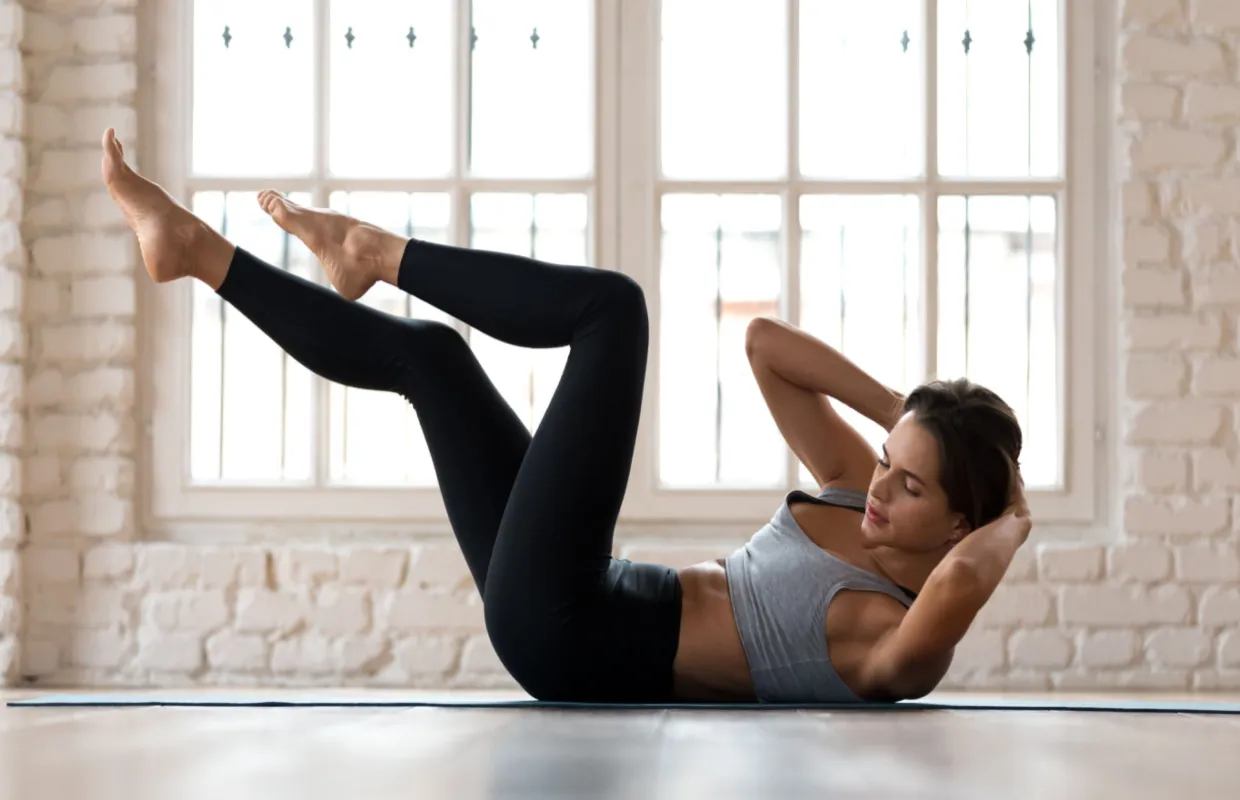
Stay Motivated on Your Fitness Journey

Embarking on a fitness journey can be exciting at first, but maintaining motivation over time can be a challenge. Whether you’re just beginning or have been at it for a while, staying motivated is crucial to achieving your fitness goals. This guide offers practical tips and insights to help you overcome obstacles, keep your enthusiasm alive, and build a sustainable, enjoyable fitness routine.


Understanding Fitness Motivation

Why Staying Motivated Matters

Motivation fuels your commitment to fitness. It gets you out of bed for that early workout and keeps you consistent even when progress seems slow. Without it, you risk losing focus and reverting to old habits.

Intrinsic vs. Extrinsic Motivation

  • Intrinsic Motivation: Comes from within—such as the desire to feel healthier or more confident.
  • Extrinsic Motivation: Stems from external rewards, like compliments, incentives, or friendly competition.
    A balance of both can help you stay on track.

Tackling Common Motivation Challenges

Typical Roadblocks

  • Limited visible progress.
  • Monotony in routines.
  • Life distractions.
    Recognizing these hurdles allows you to address and overcome them effectively.

Setting Clear Fitness Goals

The Importance of Goals

Goals act as a roadmap. Without them, it’s like setting off on a journey without a destination. They help maintain focus and prevent burnout.

Using SMART Goals

Define your objectives using the SMART framework:

  • Specific: Set clear targets, like “run a 5K” instead of “get fit.”
  • Measurable: Track your progress.
  • Achievable: Be realistic about your capacity.
  • Relevant: Align with personal priorities.
  • Time-bound: Set deadlines to stay accountable.

Building Consistent Habits

Establishing Routines

Consistency is more impactful than intensity over time. Commit to a regular schedule, even if it’s just 15 minutes daily, to build lasting habits.

Making Small Changes

Simple adjustments, like taking the stairs or adding a short daily walk, can lead to big improvements.

Habit Stacking

Integrate new habits into existing ones. For instance, do squats while brushing your teeth or stretch during TV breaks.


Finding Community Support

The Power of Connection

Joining a fitness group or community provides encouragement, accountability, and a sense of camaraderie.

Workout Buddies

Exercising with a friend or trainer can make workouts more enjoyable and help you stay consistent.

Online Communities

Platforms like social media and fitness apps connect you with others to share tips, celebrate milestones, and find inspiration.


Keeping Things Fun

Adding Variety

Avoid boredom by exploring new workouts like yoga, cycling, or dancing. Variety keeps you excited and engaged.

Celebrating Wins

Acknowledge achievements—big or small. Whether it’s running an extra mile or lifting heavier weights, celebrating progress boosts morale.

Rewarding Yourself

Treat yourself after reaching milestones—buy new workout gear, enjoy a spa day, or indulge in a favorite treat.


Maintaining a Positive Mindset

The Mental Health Connection

Fitness benefits your mind as much as your body. Exercise releases endorphins that combat stress and boost mood.

Overcoming Self-Doubt

When doubt creeps in, focus on your effort rather than outcomes. Reflect on past successes and remind yourself of how far you’ve come.

Visualization and Affirmations

Picture yourself achieving your goals and use positive affirmations to build confidence and drive.


Adapting to Change

Adjusting Goals

Life changes, and so can your goals. Be flexible and modify them to fit your current situation.

Navigating Setbacks

Injuries or unexpected events can interrupt progress. Instead of giving up, adapt with lighter workouts or focus on recovery.


Tracking Progress

Using Technology

Apps like MyFitnessPal or Fitbit can track workouts, nutrition, and overall progress, giving you valuable insights.

Journaling

Keep a fitness journal to record your activities, moods, and milestones. Reviewing your progress can be highly motivating.

Celebrating Non-Scale Victories

Improvements in energy, strength, or flexibility are just as meaningful as visible results.


Boosting Motivation Through Nutrition

Eating for Performance

A balanced diet fuels your workouts and recovery. Ensure you’re consuming the right mix of nutrients to support your goals.

Meal Prep Tips

Save time and stay consistent by prepping meals in advance. Focus on recipes that are simple, nutritious, and aligned with your fitness plan.

Staying Hydrated

Proper hydration boosts energy and aids recovery. Make it a habit to drink water regularly throughout the day.


Learning from Challenges

Turning Setbacks into Lessons

View obstacles as opportunities for growth. Analyze and adjust your plan instead of getting discouraged.

Overcoming Slumps

Reignite your enthusiasm by trying new activities, revisiting your goals, or taking a short break to refresh.

Staying Resilient

Build resilience by focusing on your “why” and leaning on a supportive network.


Seeking Professional Help

Personal Trainers

A trainer can create personalized routines, correct your form, and keep you motivated.

Nutrition Experts

Dietitians can develop meal plans tailored to your fitness goals and address specific dietary needs.

Regular Checkups

Consult your healthcare provider to ensure you’re progressing safely and address any concerns.


Embracing Lifelong Fitness

Focus on Sustainability

Prioritize habits that you can maintain long-term. Choose activities you enjoy and incorporate them into your lifestyle.

Inspiring Others

Motivate friends and family to join you. Sharing your journey can make it more rewarding.

Celebrating Health

Shift your perspective to appreciate the overall benefits of fitness, like improved energy and mental clarity, rather than just short-term results.


Final Thoughts

Staying motivated in your fitness journey takes dedication, but the rewards are worth the effort. Focus on progress, embrace challenges, and enjoy the process of building a healthier, happier you.

FAQs

  1. How do I regain motivation after a long break?
    Start small, set new goals, and choose activities you enjoy.
  2. What are beginner-friendly motivation tips?
    Join a community, celebrate small wins, and track your progress.
  3. How can I fit fitness into a busy schedule?
    Prioritize short workouts, meal prep, and incorporate movement into daily tasks.
  4. Are fitness apps helpful?
    Yes, they offer progress tracking, reminders, and community support.
  5. What if I don’t see immediate results?
    Focus on non-scale victories and remind yourself that progress takes time.

Strengthen with Bodyweight Exercises

Accessibility and Convenience

One of the biggest advantages of bodyweight exercises is their flexibility. Whether at home, in a park, or traveling, you can easily fit in a workout with no special gear—just some space and your body.

Versatility in Targeting Muscle Groups

Bodyweight exercises allow you to work on various aspects of fitness, including strength, balance, endurance, and flexibility. By adjusting angles or speed, you can modify the intensity to suit your goals.


Preparing for Your Bodyweight Workout

Warm-Up Routines to Prevent Injury

A good warm-up reduces the risk of injury and preps your body for movement. Spend 5–10 minutes on dynamic stretches like arm circles, leg swings, or jumping jacks to improve flexibility and increase circulation.

Essential Tips for Effective Training

  • Focus on form: Proper technique ensures better results and reduces strain.
  • Start slow: Ease into exercises, especially if you’re a beginner.
  • Stay consistent: Regular practice is essential for noticeable progress.

Top Bodyweight Exercises for Strength

Push-Ups: Variations for All Levels

Push-ups are excellent for building upper-body strength. Beginners can start with knee push-ups, while advanced athletes can try diamond or wide-arm push-ups for added challenge.

Squats: Building Lower Body Power

Squats strengthen the glutes, quads, and hamstrings while enhancing balance and mobility. Advanced variations like jump squats or Bulgarian split squats provide a greater challenge.

Planks: Core Stability and Endurance

Though simple in appearance, planks are incredibly effective for core strength. Progress with side planks or dynamic versions like plank jacks to increase difficulty.


Advanced Bodyweight Exercises to Challenge Yourself

Pistol Squats: Ultimate Leg Strength

Pistol squats, or single-leg squats, test your strength, balance, and mobility, making them a staple for advanced lower-body training.

Handstand Push-Ups: Shoulder and Arm Power

Handstand push-ups take shoulder and tricep strength to the next level. Beginners can practice against a wall to develop balance and control.

Muscle-Ups: Combining Strength and Coordination

Muscle-ups blend a pull-up and dip into one fluid motion, requiring significant upper-body strength and precision for execution.

Top Stretches to Boost Flexibility

Flexibility goes beyond simply reaching your toes or performing splits; it’s a vital aspect of overall health and fitness. It affects posture, movement efficiency, and helps prevent injuries. Flexibility refers to the range of motion (ROM) in joints and muscles. A flexible body moves with greater ease, enabling you to perform daily tasks or athletic activities with reduced effort and a lower risk of injury.

Why Stretching Matters for Health

Stretching is a powerful tool for maintaining and enhancing flexibility. Activities like prolonged sitting or intense exercise can cause muscles to tighten over time. Stretching counteracts this by elongating muscles and enhancing their elasticity, allowing for easier, pain-free movement. It also improves blood flow, alleviates stress, and sharpens mental focus. Incorporating daily stretching supports a more mobile, healthy, and flexible body.

The Science of Flexibility

What is Flexibility?

Flexibility is the capacity of a joint or muscle to move through its complete range of motion. Increased flexibility enables muscles and joints to operate without strain. It’s crucial for everyone, not just athletes, as it impacts posture, movement, and overall comfort. Factors like genetics, age, activity level, and regular stretching exercises influence flexibility.

How Stretching Enhances Flexibility

Stretching elongates muscle fibers and connective tissues like tendons, which link muscles to bones. This alignment improves flexibility over time. Stretching can be categorized into:

  • Static Stretching: Holding a position to lengthen muscles.
  • Dynamic Stretching: Involves controlled movement through a full range of motion, ideal for warming up muscles before activity.

Consistent stretching fosters pliable, elastic muscles for freer, more comfortable movement.

Advantages of Regular Stretching

Physical Benefits

Stretching provides numerous physical advantages:

  • Reduces muscle stiffness: Keeps muscles limber and minimizes tightness from sitting or exercise.
  • Improves posture: Helps align the spine and relax tense muscles for better posture.
  • Prevents injuries: Enhances joint and muscle range of motion, reducing injury risks.
  • Relieves pain: Eases back, neck, and headache discomfort caused by muscle tension.

Mental and Emotional Benefits

The perks of flexibility extend to mental and emotional health:

  • Reduces stress: Activates the parasympathetic nervous system, calming the mind and body.
  • Boosts mental clarity: Promotes mindfulness, creating space to relax and refocus.
  • Improves mood: Encourages endorphin release, lifting mood and reducing anxiety or depression.

Clearly, flexibility exercises are a valuable addition to any wellness or fitness routine.

Tips for Stretching Safely and Effectively

General Guidelines

To maximize benefits and minimize risks, follow these safe stretching practices:

  • Warm up beforehand: Light cardio (e.g., walking, jogging) for 5-10 minutes preps muscles for stretching.
  • Avoid bouncing: Stretch slowly and hold for 15-30 seconds; bouncing can strain muscles.
  • Respect your limits: Stretch to a comfortable tension level, not to the point of pain.
  • Be consistent: Flexibility improves gradually with regular stretching (at least 3-4 times a week).

Common Mistakes to Avoid

  • Overstretching: Pushing too hard can lead to injury; stop if you feel pain.
  • Skipping a warm-up: Stretching cold muscles increases strain risk.
  • Holding stretches excessively: Overly prolonged stretches may cause muscle fatigue.
  • Neglecting stretching: Skipping stretches after exercise hampers recovery and flexibility gains.


Why You Need a Personal Trainer

Have you ever felt unsure or overwhelmed while trying to exercise? Perhaps you’ve experimented with various fitness routines but never achieved the results you were aiming for. This is where a personal trainer becomes invaluable. Acting as your guide, coach, and motivator, a personal trainer can help you navigate the path to improved health and fitness. Whether you’re just starting out or have years of experience, they can unlock your potential and help you reach your goals more efficiently and safely.

But why should you consider hiring a personal trainer? Let’s explore the many ways they can elevate your fitness journey and positively impact your lifestyle.


1. Customized Workout Plans

A major benefit of working with a personal trainer is having a fitness plan tailored specifically to you. Unlike the one-size-fits-all routines you find online, a trainer evaluates your current fitness level, strengths, weaknesses, and personal goals to design a plan that suits your needs.

For example, if you’re recovering from a knee injury, they’ll incorporate exercises that strengthen the surrounding muscles while minimizing strain. If your aim is weight loss, they’ll balance strength training and cardio to maximize fat burning. This personalized approach ensures that every moment of your workout is purposeful and effective.


2. Expert Guidance and Knowledge

Navigating the fitness world can feel overwhelming. Should you focus on cardio, strength training, or flexibility exercises? How do you execute a deadlift with proper form? A personal trainer’s expertise eliminates this confusion.

They’ll demonstrate correct techniques, like squatting safely to protect your back, and explain the purpose behind each exercise, helping you understand your body better. Their guidance ensures you make steady progress, avoid injury, and achieve results effectively.


3. Accountability and Motivation

Starting a workout routine is easy—sticking with it is the real challenge. This is where personal trainers excel. Beyond being fitness coaches, they act as accountability partners who ensure you stay consistent.

Knowing that someone is tracking your progress and expecting you to show up can be incredibly motivating. They also celebrate your achievements, no matter how small, boosting your confidence and encouraging perseverance. The consistency that comes with having a trainer often makes the difference between giving up and reaching your goals.


4. Faster and More Efficient Results

Everyone wants to see results as quickly as possible. Personal trainers know how to create efficient workouts that target multiple muscle groups, saving time and maximizing outcomes.

Instead of spending hours on ineffective exercises, they’ll guide you through high-impact routines like HIIT (high-intensity interval training) or compound movements that deliver faster results. This efficiency ensures that your workouts are both productive and aligned with your goals.


5. Injury Prevention and Safety

Exercising without the proper knowledge can lead to injuries that delay progress. A personal trainer acts as a safeguard, ensuring every exercise is performed correctly and safely.

They’ll teach proper techniques, recommend suitable weights, and adjust exercises as needed. For instance, if your hips dip during a plank, they’ll correct your posture to prevent back pain. This attention to detail is invaluable for minimizing risks and keeping you on track, regardless of your fitness level.


A personal trainer isn’t just an investment in your fitness—they’re an investment in your overall well-being. From personalized plans to expert guidance and unwavering support, they provide the tools you need to succeed and maintain a healthier lifestyle. If you’re ready to take your fitness journey to the next level, a personal trainer might just be the key to unlocking your full potential.

Treadmill vs. Outdoor Running: Which Should You Choose?

Running is a globally popular exercise, but the question remains: is treadmill running better, or does outdoor running take the lead? The answer largely depends on individual preferences, fitness goals, budget, and lifestyle. While treadmills offer controlled and convenient environments, outdoor running provides freedom and a connection to nature. Let’s explore the benefits and drawbacks of both to help you make an informed decision.

1. Convenience and Accessibility

Treadmills are incredibly convenient, allowing you to run at any time without worrying about weather conditions or daylight. This is particularly helpful for those with tight schedules or who prefer early morning or late-night workouts.

Outdoor running, while equipment-free, is dependent on external factors like weather, daylight, and access to suitable running paths. Despite these challenges, the ease of simply stepping outside to run appeals to many.

2. Cost and Affordability

Treadmills can be costly, ranging from hundreds to thousands of dollars, plus electricity costs and potential gym membership fees.

In contrast, outdoor running is essentially free. All it requires is a quality pair of running shoes, making it a budget-friendly fitness option.

3. Impact on Joints and Body

Treadmills are designed with shock-absorbing belts that reduce the impact on joints, making them a suitable choice for individuals with knee or joint concerns.

Outdoor running, especially on hard surfaces like concrete, can put more strain on the joints. However, softer surfaces such as trails or grass can help reduce this impact and simultaneously improve balance and stability.

4. Motivation and Mental Engagement

Running indoors on a treadmill can feel repetitive, even with entertainment options like music or TV. This monotony can sometimes reduce motivation.

Outdoor running, on the other hand, offers constantly changing scenery, fresh air, and opportunities to interact with other runners. These elements often make outdoor runs more engaging and mentally stimulating.

5. Customization and Control

Treadmills allow you to tailor your workout precisely with adjustable speed, incline, and pre-set programs, making them ideal for structured training.

While outdoor running doesn’t offer this level of control, it provides a natural experience with varied terrains and inclines, making workouts diverse and challenging.

Health and Fitness Benefits

6. Cardiovascular and Aerobic Fitness
Both treadmill and outdoor running are excellent for improving cardiovascular health, lung capacity, and endurance. The choice between them comes down to personal preference rather than significant differences in benefits.

7. Calorie Burn and Weight Loss
Calorie burn depends on factors like speed, incline, and body weight. Treadmills let you simulate uphill runs consistently, which can enhance calorie expenditure. Outdoor running, however, may burn slightly more calories due to wind resistance and uneven terrains.

8. Mental Health and Stress Relief
Running is a proven stress reliever, but the environment matters. Treadmills suit those who prefer controlled spaces, while outdoor running uniquely enhances mental health by connecting you to nature, providing fresh air, and offering a dose of vitamin D.

9. Strength and Muscle Engagement
Treadmills provide steady resistance, but outdoor running engages stabilizer muscles more effectively due to uneven surfaces. This helps improve overall strength, balance, and coordination.

Conclusion
Both treadmill and outdoor running have unique advantages and drawbacks. If convenience, control, and joint safety are priorities, a treadmill may be the best choice. However, if affordability, mental stimulation, and connecting with nature are important to you, outdoor running might be more suitable. Ultimately, the “better” option depends on your needs, goals, and preferences. Consider mixing both to enjoy the benefits of each!

Relieve Stress with Yoga

Stress is an inevitable aspect of modern living, impacting our physical health, mental clarity, and emotional stability. Whether it stems from demanding work schedules or personal struggles, stress is a constant presence. Thankfully, yoga offers an effective way to combat it. This ancient practice not only calms the mind but also revitalizes the body. Let’s delve into how adopting yoga can help alleviate stress and restore balance in your life.


1. Understanding Stress

What is Stress?

Stress is the body’s natural reaction to challenges or demands. While short-term stress can motivate action, prolonged stress can be detrimental. Stress is typically classified into two types:

  • Acute Stress: Short-lived stress caused by immediate situations.
  • Chronic Stress: Long-term stress that lingers over time.

Common causes of stress include job pressures, financial issues, relationship challenges, and overuse of technology. Identifying the root causes is the first step in managing stress effectively.

How Stress Affects the Body and Mind

Stress triggers the release of hormones like cortisol and adrenaline, activating the body’s fight-or-flight response. While helpful in emergencies, prolonged exposure to these hormones can result in:

  • Headaches and muscle tension.
  • Digestive issues and a weakened immune system.
  • Mental health struggles, such as anxiety or depression.

Effective stress management is essential to prevent these negative outcomes and maintain overall health.


2. Yoga: A Holistic Solution for Stress Relief

What is Yoga?

Yoga, an ancient practice originating in India over 5,000 years ago, integrates physical postures, breathing exercises, and meditation to promote harmony between the mind and body. Popular styles of yoga include:

  • Hatha Yoga: Beginner-friendly, emphasizing gentle poses.
  • Vinyasa Yoga: Dynamic sequences that synchronize movement with breath.
  • Restorative Yoga: Focuses on relaxation with simple, soothing poses.

The Mind-Body Connection

Yoga strengthens the mind-body connection through practices like mindful breathing (pranayama) and meditation. These techniques lower cortisol levels and ease physical tension, fostering a sense of calm and enhancing overall well-being.


3. Yoga Techniques for Stress Relief

Yoga Poses (Asanas) for Relaxation

Certain yoga poses are particularly effective at reducing stress, such as:

  • Child’s Pose (Balasana): A calming posture that stretches the lower back.
  • Cat-Cow Pose (Marjaryasana-Bitilasana): Relieves spinal and neck tension.
  • Legs-Up-The-Wall Pose (Viparita Karani): Alleviates fatigue and improves circulation.

Spending 5–10 minutes daily in these poses can help promote relaxation.

Breathing Techniques (Pranayama)

Controlled breathing is a key aspect of yoga. Two techniques to try are:

  • Diaphragmatic Breathing: Deep belly breathing for instant stress relief.
  • Alternate Nostril Breathing (Nadi Shodhana): Balances the nervous system and calms the mind.

Practice these for about 5 minutes daily or during stressful moments.

Meditation Practices

Meditation improves mental clarity and emotional resilience. Start with:

  • Guided Meditation: Use an app or recording for focus.
  • Visualization: Picture serene settings like a beach or forest.

Just 10 minutes of meditation daily can help reduce stress significantly.


4. Benefits of Yoga for Stress Management

Physical Benefits

Yoga helps alleviate the physical symptoms of stress by:

  • Releasing muscle tension and enhancing flexibility.
  • Boosting blood circulation for relaxation.
  • Supporting heart health and reducing stress-related cardiovascular risks.

Mental and Emotional Benefits

Yoga has profound mental and emotional benefits, such as:

  • Reducing anxiety and depression.
  • Encouraging the release of serotonin, a mood-enhancing hormone.
  • Improving focus and grounding you during challenging times.

5. Incorporating Yoga into Daily Life

Creating a Routine

To maximize the benefits of yoga, consistency is key. Here’s how to get started:

  • Set aside 20–30 minutes daily for practice.
  • Choose a quiet, distraction-free space.
  • Gradually increase intensity as you gain confidence.

Using Technology for Yoga

If attending in-person classes isn’t an option, try:

  • Apps like Down Dog or Yoga for Beginners.
  • Free yoga tutorials on YouTube.
  • Online classes designed specifically for stress relief.

Build Your Dream Home Gym

Imagine the convenience of working out at home without the hassle of traveling to a gym. A home gym can turn this dream into reality, saving you both time and money over the long term. It also provides the freedom to exercise whenever you want and tailor the space to suit your fitness goals. Whether you’re a weightlifting enthusiast, a cardio lover, or someone seeking a balanced regimen, a home gym can become your personal fitness haven.

Setting Your Budget
Before buying equipment, determine your budget. Home gym setups can range from a few hundred dollars to several thousand, depending on your preferences. Start by listing essential items versus nice-to-haves. To save money, consider sales, discounts, or quality pre-owned equipment. Remember, a functional workout space doesn’t require extravagant spending—smart choices can help you achieve a great setup on a budget.

Choosing the Right Space
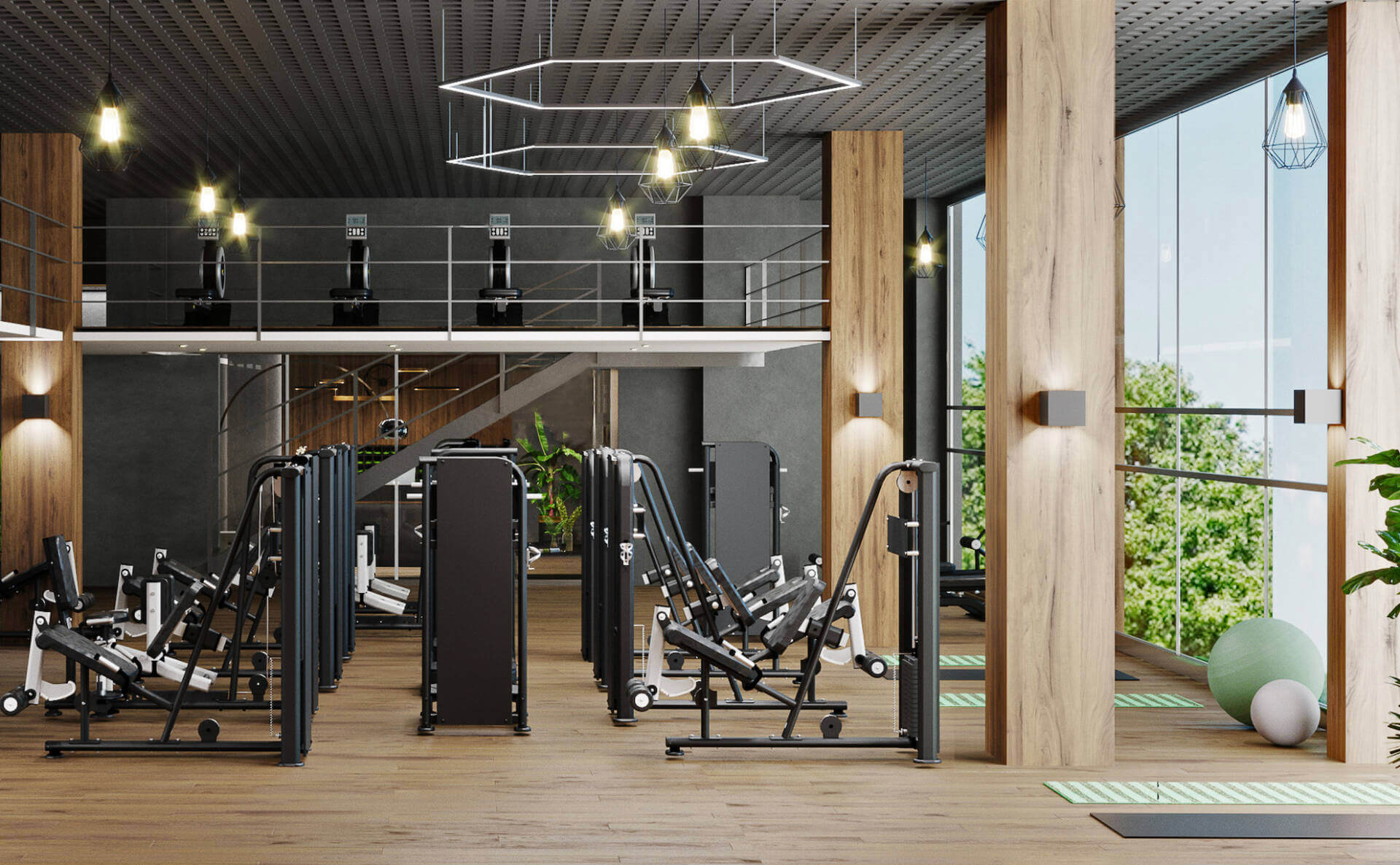
Even if you don’t have a dedicated room for a gym, you can still create an efficient workout area. Use spaces like a garage, basement, or even a corner in your living room. Prioritize areas with good ventilation, enough room for movement, and support for heavy equipment. In smaller homes, wall-mounted racks, foldable machines, and portable gear are excellent space-saving options. Don’t overlook lighting and flooring—durable mats and bright lighting can enhance your gym experience.

Must-Have Equipment for Your Home Gym
Choosing the right equipment is key to building your dream home gym. Here are the essentials:

  • Strength Training: Dumbbells, kettlebells, barbells, and adjustable benches are versatile tools for muscle building.
  • Cardio Equipment: Treadmills, ellipticals, and stationary bikes are great for increasing your heart rate. For limited spaces, consider jump ropes or compact rowing machines.
  • Flexibility Tools: Yoga mats, foam rollers, and resistance bands are ideal for stretching and recovery.

Customizing Your Gym to Fit Your Fitness Goals
Your home gym should align with your workout preferences. Strength training enthusiasts should focus on free weights, racks, and a sturdy bench, while cardio lovers may prefer treadmills or stationary bikes. If your goal is overall fitness, a hybrid setup combining elements of both is a great choice. Keep your goals in focus and design the space to support them effectively.

Home Workouts with Equipment: A Complete Guide

In today’s busy lifestyle, making time for the gym can be tough. This is where equipment-based home workouts come in handy. Whether you’re a beginner or an experienced fitness lover, exercising at home provides unbeatable convenience and flexibility. With just a few essential pieces of equipment, you can achieve an effective workout right from your living room.

Advantages of Home Workouts with Equipment

Home workouts have become incredibly popular for good reasons. They offer a practical and cost-effective way to stay fit without a gym membership. Here are the main benefits:

  • Convenience and Flexibility: You can exercise anytime without worrying about gym hours, making it easier to fit workouts into your schedule.
  • Cost-Effective: Although setting up a home gym may need an initial investment, it’s often cheaper than long-term gym memberships. Plus, you save time and money on travel.
  • Customizable Workouts: With the right equipment, you can tailor your exercises to meet your fitness goals—be it building muscle, losing weight, or increasing flexibility.

Essential Home Workout Equipment

Wondering what gear you need for home workouts? Here are the must-have items:

  • Dumbbells: Versatile for strength training, dumbbells are a great addition. Choose adjustable dumbbells to save space and easily increase weight as needed.
  • Resistance Bands: These are lightweight, portable, and ideal for adding resistance to strength training and mobility exercises.
  • Kettlebells: Perfect for full-body exercises, kettlebells help improve strength, power, and endurance.
  • Yoga Mat: Essential for activities like yoga, Pilates, or floor exercises, a yoga mat provides comfort and prevents slipping.
  • Jump Rope: A simple yet effective cardio tool, a jump rope helps raise your heart rate and enhances coordination and balance.

How to Create a Home Gym

Setting up a home gym is easier than you might think. Follow these steps:

  • Select a Suitable Space: Choose a comfortable spot in your home for workouts, whether it’s a corner of your living room, a spare room, or the garage.
  • Plan Your Budget: Determine your budget and start with essential equipment. You can add more items over time as you progress.
  • Organize Efficiently: Keep your equipment well-organized with storage racks or shelves for dumbbells, bands, and other gear.

Sample Full-Body Workout Routine

A balanced workout should target all major muscle groups. Here’s a sample routine you can do at home:

  • Warm-Up:
    • Jumping Jacks (2 minutes)
    • Dynamic Stretching (5 minutes)
  • Upper Body:
    • Push-Ups (3 sets of 10-12 reps)
    • Dumbbell Shoulder Press (3 sets of 10-12 reps)
  • Lower Body:
    • Squats (3 sets of 15 reps)
    • Lunges (3 sets of 12 reps per leg)
  • Core:
    • Plank (3 sets, hold for 30-60 seconds)
    • Russian Twists with Dumbbell (3 sets of 20 reps)
  • Cool-Down:
    • Stretching Exercises (5-10 minutes)

Cardio Workouts Using Equipment

Cardio exercises are essential for burning calories and boosting heart health. Here are some effective at-home cardio options:

  • Jump Rope Routine:
    • Jump rope for 1-2 minutes, rest for 30 seconds, repeat for 5 rounds.
  • Kettlebell Swings for Cardio:
    • Perform kettlebell swings for 30 seconds, rest for 15 seconds, repeat for 10 rounds.
  • Step Aerobics with a Bench:
    • Use a step bench for step-ups and high-intensity interval training (HIIT).


10 Best Exercises to Lose Belly Fat

Belly fat isn’t just a cosmetic concern—it’s also linked to several serious health risks, including heart disease, diabetes, and certain cancers. Unlike other types of body fat, belly fat can be especially difficult to shed. A mix of targeted exercises and general fitness training is essential for trimming the waistline. These exercises not only burn calories but also build core strength, improve posture, and boost metabolic rate, making them effective tools for reducing belly fat and enhancing overall health.

What Causes Belly Fat?
Belly fat can accumulate due to several factors, including lifestyle choices, diet, genetics, and stress. Consuming high-calorie, low-nutrient foods regularly contributes to fat buildup, especially when paired with a sedentary lifestyle. Additionally, stress hormones like cortisol can promote fat storage around the abdomen. Although genetics may make some people more prone to carrying belly fat, regular exercise and a balanced diet can effectively help manage and reduce it.

Importance of a Balanced Workout Routine
Focusing solely on abdominal exercises won’t effectively burn belly fat. Instead, combining cardio, strength training, and core exercises offers optimal fat-burning results. This approach not only promotes muscle toning but also increases calorie burn, even at rest. For lasting results, consistency is crucial, along with a healthy diet and an active lifestyle.

Exercise 1: Burpees
Burpees are a high-intensity, full-body exercise that combines strength and cardio, making them great for burning calories and building endurance. Here’s how to perform a basic burpee:

  • Stand, then squat, placing your hands on the floor and jumping back into a plank.
  • Perform a push-up, then jump your feet back toward your hands.
  • Stand up and jump with arms overhead.

Since burpees engage multiple muscle groups and elevate the heart rate, they’re excellent for burning fat. Aim for sets of 10-15 reps, resting between sets.

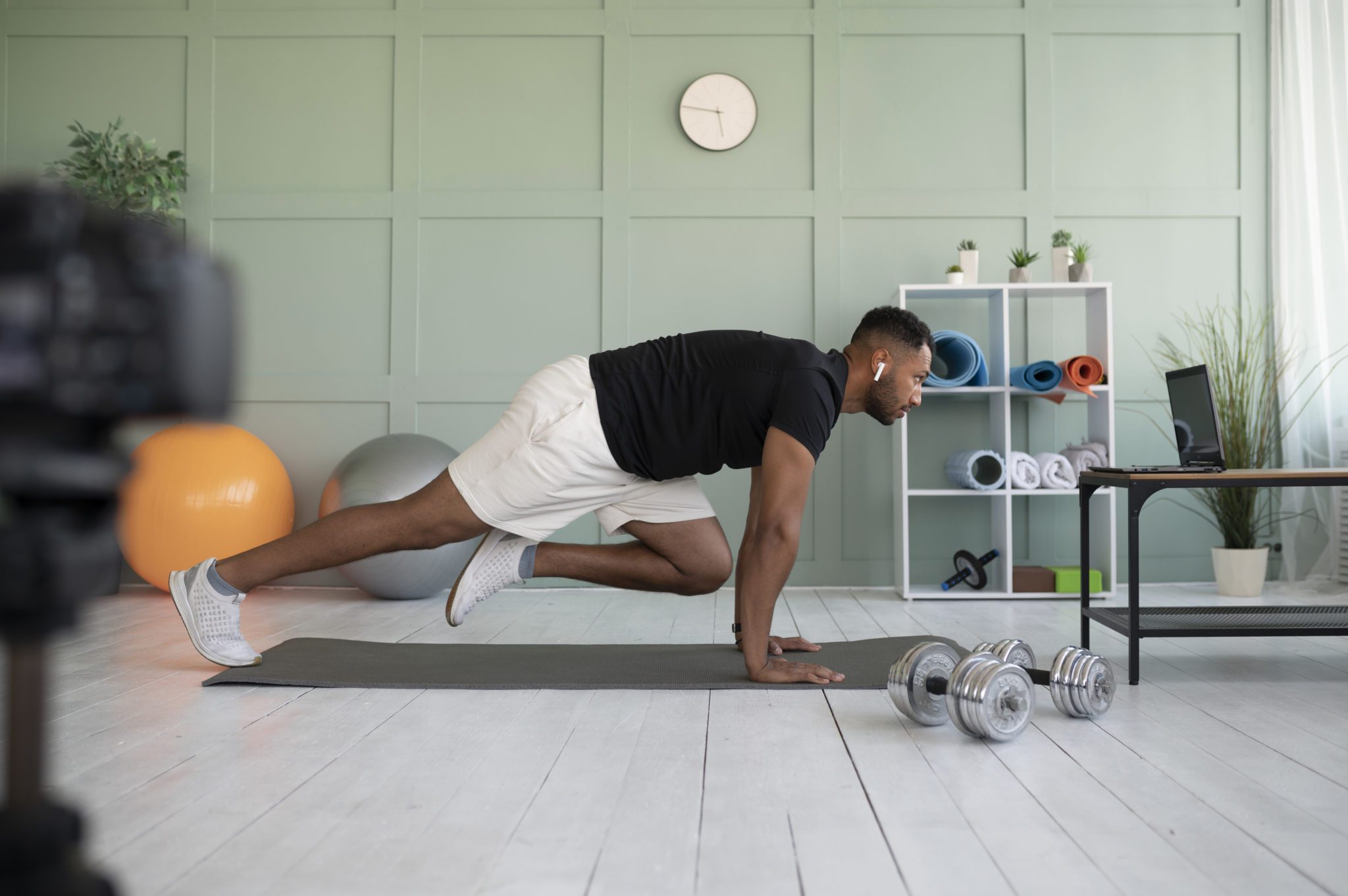
Exercise 2: Mountain Climbers
Mountain climbers are a fast-paced exercise targeting both the core and upper body, ideal for calorie burning and core strength:

  • Begin in a plank position, with arms straight and body aligned.
  • Quickly bring one knee toward your chest, then alternate legs in a running motion.

Mountain climbers strengthen abdominal muscles, enhance endurance, and improve cardiovascular fitness. Start with 30-45 seconds, increasing the duration as fitness improves.

Exercise 3: Russian Twists
Russian twists are excellent for strengthening the obliques, helping to tone the waist:

  • Sit with knees bent and feet flat. Lean back slightly with a straight spine.
  • Hold your hands together or use a weight, twisting your torso side to side and touching the floor on each side.

This exercise can be intensified by lifting the feet or using a heavier weight. Start with 20 twists (10 per side), gradually increasing weight or reps.

Exercise 4: Plank Variations
Planks are a foundational core exercise that strengthens the abs and stabilizes the body. Try different variations for more challenge:

  • Basic plank: Hold a push-up position, keeping the body aligned.
  • Side plank: Shift to one side, stacking your feet and raising the opposite arm.
  • Plank jacks: In plank position, jump feet apart and together.

Planks build core stability and endurance. Start by holding each plank for 30 seconds, increasing the duration as you build strength.

Exercise 5: Bicycle Crunches
Bicycle crunches target both the upper and lower abs:

  • Lie on your back, hands behind your head, and legs raised.
  • Bring one knee to your chest while twisting your opposite elbow toward it.
  • Alternate sides in a cycling motion, engaging the core.

To avoid strain, keep movements controlled and avoid pulling on the neck. Start with 15 reps per side, focusing on quality.

Exercise 6: HIIT Workouts
High-Intensity Interval Training (HIIT) is effective for burning fat, including belly fat, due to its intensity:

  • Choose exercises like jump squats, burpees, or high knees.
  • Perform each for 30 seconds, rest 15 seconds, and repeat for 15-20 minutes.

HIIT boosts metabolism and can continue burning calories after the workout ends. Incorporate HIIT sessions 2-3 times weekly for best results.

Exercise 7: Leg Raises
Leg raises target the lower abdomen:

  • Lie on your back with straight legs.
  • Lift your legs toward the ceiling, then lower slowly without arching your back.

Keep the core engaged. Start with 10-15 reps, increasing as core strength improves.

Exercise 8: Running and Jogging
Running and jogging are simple yet effective cardio exercises for burning belly fat:

  • Running helps reduce overall body fat and boosts cardiovascular health.
  • Aim for 30-45 minutes of jogging or running at least three times a week. Add short sprints or inclines for extra intensity.

Exercise 9: Flutter Kicks
Flutter kicks are excellent for strengthening the lower abs:

  • Lie on your back with straight legs and hands under hips.
  • Lift legs slightly off the ground, kicking alternately.

Keep the core engaged and aim for 30-45 seconds, increasing duration over time.

Exercise 10: Walking
Though basic, walking can significantly contribute to fat loss:

  • Brisk walking burns calories, especially with consistency and a moderate pace.
  • Aim for 30 minutes of brisk walking daily, combined with higher-intensity exercises throughout the week.

Additional Tips for Maximizing Belly Fat Loss
While exercise is crucial, diet plays a key role in belly fat reduction. Opt for whole foods, reduce sugar, and focus on balanced meals. Prioritize quality sleep and stress management, as both help regulate hormones that influence fat storage.

Conclusion
Losing belly fat requires dedication, consistency, and patience. By incorporating these exercises regularly and supporting them with healthy lifestyle choices, achieving a slimmer waistline is achievable. A balanced approach, coupled with persistence, leads to lasting results.

FAQs

  1. Can you lose belly fat with exercise alone?
    Exercise is vital, but diet, sleep, and stress management are also essential for reducing belly fat.
  2. How long does it take to see results?
    With consistent effort, noticeable changes can be seen in 4-8 weeks, depending on individual factors.
  3. What dietary changes help reduce belly fat faster?
    Cutting down on processed foods, sugars, and refined carbs while increasing protein, vegetables, and healthy fats can help.
  4. How often should I perform these exercises?
    Aim to integrate these exercises into a routine 4-5 times weekly for optimal results.
  5. Are there risks to daily exercise without rest?
    Overdoing intense exercises daily without rest may lead to fatigue or injury; rest days are crucial for recovery.

Top Pre-Workout Meals for Maximum Energy

Fueling up with the right pre-workout meal is like putting premium fuel in a sports car: it powers you up, enhances performance, and helps you tackle each part of your workout. Choosing the right foods can provide steady energy, improve endurance, and even aid in recovery.

Understanding the Importance of Pre-Workout Nutrition The foods you eat before exercise directly impact your performance. A well-balanced pre-workout meal includes carbohydrates, proteins, and fats. Carbohydrates supply quick energy, proteins support muscle maintenance, and a small amount of fat provides lasting fuel to keep you going strong.

Timing Your Pre-Workout Meal Timing is crucial for effective pre-workout nutrition. Eating too close to a workout can cause sluggishness, while eating too early may leave you feeling low on energy. Aim for a full meal 2-3 hours before working out, or a light snack 30-60 minutes prior. Consider your workout type as well: high cardio needs more carbs, while strength training benefits from additional protein.

Best Pre-Workout Foods for Optimal Energy For steady energy and to avoid mid-workout fatigue, nutrient-dense, whole foods are ideal. A balance of carbs, protein, and a little fat will keep you fueled throughout your workout.

Top Carbohydrate Sources for Pre-Workout Energy Carbohydrates provide the quick energy boost needed for high-intensity workouts. Here are some effective options:

  • Bananas: Packed with natural sugars and potassium, bananas provide instant energy and help prevent muscle cramps.
  • Oatmeal: A classic pre-workout choice, oatmeal offers complex carbs that digest slowly, giving sustained energy.
  • Rice Cakes: Easy to digest, rice cakes topped with a bit of nut butter or honey provide a quick energy boost.
  • Whole Grain Toast with Honey: Provides long-lasting carbs with a touch of sugar for immediate energy.

Ideal Protein Sources for Pre-Workout Meals Protein supports muscle function and repair, making it a valuable addition to pre-workout meals. Great protein sources include:

  • Greek Yogurt: High in protein and probiotics, Greek yogurt is easy to digest and pairs well with fruit for extra carbs.
  • Cottage Cheese: Low in fat and rich in protein, cottage cheese helps regulate blood sugar and maintain muscle strength.
  • Lean Chicken Breast: Perfect for a larger pre-workout meal, chicken breast offers protein without excess fat.
  • Hard-Boiled Eggs: Convenient and rich in high-quality protein and fats for a balanced snack.

Healthy Fats for Sustained Pre-Workout Energy Healthy fats release energy gradually, aiding sustained performance. While only a small amount is needed, consider these healthy fat options:

  • Avocado: A small serving provides lasting energy with healthy fats and fiber.
  • Nuts and Seeds: Almonds, chia seeds, and flaxseeds offer a blend of fat, protein, and fiber.
  • Coconut Oil: High in medium-chain triglycerides (MCTs), coconut oil is quickly metabolized for a faster energy boost.

Balanced Pre-Workout Meal Ideas for Peak Energy For an ideal mix of carbs, protein, and fat, try these combinations:

  • Banana with Almond Butter: Provides carbs from the banana and fats from the almond butter for steady energy.
  • Greek Yogurt with Berries and Honey: A balance of carbs, protein, and natural sweetness for sustained energy.
  • Whole Grain Toast with Eggs: Carbs from the toast and protein from the eggs make this an excellent pre-workout choice.

Quick Pre-Workout Smoothie Options Smoothies offer a fast, convenient pre-workout meal. Blend fruits, yogurt, and greens for a nutrient-packed boost. Popular combinations include:

  • Banana and Greek Yogurt: High in both carbs and protein.
  • Spinach and Berries: Low-calorie but rich in antioxidants and nutrients.
  • Oats and Almond Milk: Adds fiber and keeps you feeling full.

Pre-Workout Snack Ideas When Time is Tight Pressed for time? Try these easy-to-digest snacks for a quick energy boost:

  • Apple Slices with Nut Butter: Provides natural sugars and healthy fats.
  • Protein Bars: Choose bars with minimal added sugars and balanced macronutrients.
  • Energy Bites: Made with oats, peanut butter, and honey for a balanced carb and fat snack.

Hydration as Part of Pre-Workout Nutrition Proper hydration is essential for peak performance. Water is often enough, but for intense or long workouts, consider adding electrolytes.

Pre-Workout Meals for Morning Workouts For morning workouts, go for a light, energizing meal like:

  • Overnight Oats: Prepared with almond milk, chia seeds, and berries, these are easy to digest and quick to grab.
  • Fruit and Greek Yogurt: A mix of carbs and protein without being heavy.

Pre-Workout Nutrition for Evening Workouts For evening workouts, eat a balanced meal about two hours beforehand, like:

  • Grilled Chicken with Sweet Potatoes: Light and packed with slow-releasing carbs and protein.
  • Quinoa Salad with Vegetables: Easily digestible and rich in complex carbs and protein.

Foods to Avoid Before a Workout Certain foods can hinder performance:

  • High-Fat Foods: Greasy foods are slow to digest and can cause cramps.
  • High-Fiber Foods: Too much fiber can lead to bloating.
  • Sugary Snacks: These can cause an energy spike, followed by a quick drop.

Conclusion The right pre-workout meal can significantly impact your energy, performance, and recovery. Experimenting with foods, timing, and portions helps you find the best fuel for each workout. With the right pre-workout nutrition, you’re prepared to get the most out of every session.

FAQs

  • What should I eat if I work out early in the morning? A light snack like a banana or Greek yogurt provides quick energy without feeling heavy.
  • How long before a workout should I eat? Ideally, eat a full meal 2-3 hours prior or a snack 30-60 minutes before your workout.
  • Can I drink coffee before a workout? Yes, coffee can boost focus and energy. Try to drink it at least 30 minutes before.
  • Are pre-workout supplements necessary? Not necessarily; whole foods can provide plenty of energy, though supplements can be a convenient option.
  • Is it okay to work out on an empty stomach? Some prefer fasted workouts, but experiment to see what works best for your energy and performance.
Exit mobile version