Easy Yoga for Beginners: Start Today with Simple Poses

1. Introduction to Yoga

What is Yoga?

Yoga is a holistic practice that combines physical postures, breathing exercises, and meditation to promote overall well-being. Originating in ancient India, yoga has evolved over thousands of years, becoming a popular form of exercise and relaxation worldwide. The word “yoga” is derived from the Sanskrit root “yuj,” meaning “to unite” or “to join,” symbolizing the union of body, mind, and spirit. Unlike other forms of physical exercise, yoga emphasizes mindfulness and the connection between the mental and physical aspects of our being.

Yoga is not just about bending and stretching; it’s about creating balance in the body through developing both strength and flexibility. This is achieved through the performance of poses or “asanas,” each of which has specific physical and mental benefits. In addition to asanas, yoga incorporates pranayama (breath control), meditation, and ethical principles, making it a comprehensive approach to health.

Brief History of Yoga

The origins of yoga can be traced back to ancient India, over 5,000 years ago, although some researchers believe it could be even older. The earliest references to yoga are found in the Rig Veda, a collection of hymns that dates back to approximately 1500 BCE. The teachings of yoga were initially passed down orally, and it wasn’t until the time of the Upanishads (around 500 BCE) that these teachings were written down.

Patanjali, an ancient sage, is often considered the father of modern yoga. He compiled the Yoga Sutras, a collection of aphorisms that outline the philosophy and practice of yoga. The Yoga Sutras are still regarded as one of the most important texts on yoga and are often studied by practitioners to gain a deeper understanding of the practice.

Over the centuries, yoga continued to evolve, with different schools and styles emerging. In the late 19th and early 20th centuries, yoga began to spread to the West, thanks to the efforts of Indian gurus such as Swami Vivekananda and Paramahansa Yogananda. Today, yoga is practiced by millions of people worldwide and has been adapted into various forms to suit different needs and preferences.

Benefits of Practicing Yoga

Yoga offers a wide range of benefits for both the body and mind. Physically, it helps improve flexibility, strength, and balance. Regular practice can lead to better posture, reduced pain, and increased energy levels. Yoga also supports cardiovascular health, enhances the respiratory system, and can even aid in weight management.

Mentally, yoga promotes relaxation and reduces stress. It encourages mindfulness, helping practitioners stay present and focused. The meditative aspects of yoga can alleviate anxiety, improve mood, and foster a sense of inner peace. Additionally, yoga can enhance concentration, memory, and overall mental clarity.

For beginners, yoga is especially beneficial as it introduces gentle, low-impact exercises that can be adapted to any fitness level. It’s a great way to start building a foundation for a healthier lifestyle.

The Importance of Yoga for Beginners

Starting yoga as a beginner can be both exciting and daunting. The beauty of yoga lies in its accessibility—anyone can begin practicing, regardless of age, fitness level, or experience. For beginners, yoga provides a gentle introduction to physical activity, making it an excellent choice for those new to exercise or recovering from injuries.

Yoga teaches the importance of listening to your body and respecting its limits. This mindful approach helps beginners avoid injury and builds a strong foundation for more advanced practice in the future. Yoga also emphasizes the importance of breathing and relaxation, which can help beginners develop better stress management techniques.

By starting yoga, beginners embark on a journey of self-discovery and personal growth. It’s a practice that not only improves physical health but also nurtures mental and emotional well-being. The key is to approach it with an open mind and a willingness to learn and grow.

2. Understanding the Basics

Picture Credit – iStock photo

Different Types of Yoga

Yoga is a diverse practice with many different styles, each offering unique benefits and approaches. Some of the most popular types of yoga include:

  • Hatha Yoga: Often considered a gentle introduction to the most basic yoga postures. This style is slow-paced, making it ideal for beginners.
  • Vinyasa Yoga: Known for its fluid, dance-like movements. Vinyasa involves a sequence of poses that flow smoothly into one another, coordinated with the breath.
  • Ashtanga Yoga: A more rigorous style of yoga that follows a specific sequence of postures and is physically demanding. It’s suited for those looking for a challenging workout.
  • Bikram Yoga: Also known as “hot yoga,” Bikram is practiced in a heated room and consists of 26 postures. It’s designed to increase flexibility and detoxify the body through sweating.
  • Restorative Yoga: Focuses on relaxation and stress relief, using props to support the body in various poses. It’s perfect for unwinding and promoting deep relaxation.
  • Iyengar Yoga: A form of Hatha yoga that emphasizes precise alignment and the use of props like belts, blocks, and wall ropes. It’s excellent for beginners as it teaches the fundamentals of proper form.
  • Kundalini Yoga: Involves a combination of postures, breath control, chanting, and meditation. It aims to awaken the energy at the base of the spine and bring it up through the chakras.

Understanding the different types of yoga can help beginners choose the style that best suits their goals and preferences.

Common Misconceptions About Yoga

There are several misconceptions about yoga that can deter people from trying it. Here are some of the most common ones:

  • “You need to be flexible to do yoga.” This is perhaps the biggest myth about yoga. Flexibility is not a prerequisite for yoga; it is a result of regular practice. Yoga is accessible to everyone, regardless of their flexibility level.
  • “Yoga is only for women.” While yoga is popular among women, it is equally beneficial for men. Yoga was originally practiced by men in ancient India, and today, many male athletes and fitness enthusiasts incorporate yoga into their routines.
  • “Yoga is a religion.” Although yoga has spiritual roots, it is not a religion. It is a practice that can complement any belief system or be practiced as a purely physical and mental discipline.
  • “Yoga is too easy.” While some styles of yoga are gentle, others can be quite challenging. Yoga offers a range of intensity levels, from restorative sessions to vigorous, strength-building practices.
  • “You need special equipment to start yoga.” All you need to start practicing yoga is a comfortable space and a willingness to learn. While a yoga mat is helpful, it’s not essential, especially in the beginning.

What Makes Yoga Suitable for Everyone?

One of the most appealing aspects of yoga is its adaptability. Yoga can be tailored to fit any individual’s needs, making it suitable for everyone, regardless of age, fitness level, or physical condition. Whether you’re young or old, fit or out of shape, yoga offers modifications and variations that ensure everyone can participate.

Yoga’s focus on mindfulness and breathing also makes it accessible. It’s not just about achieving a perfect pose but about the journey and the awareness you cultivate along the way. This focus on the process rather than the outcome allows individuals of all abilities to benefit from yoga.

Essential Yoga Terminology

For beginners, understanding some basic yoga terminology can make the practice more approachable:

  • Asana: A yoga pose or posture.
  • Pranayama: Breathing exercises or breath control.
  • Namaste: A respectful greeting, often said at the end of a yoga session. It means “I bow to you” or “The light in me honors the light in you.”
  • Chakra: Energy centers in the body. There are seven main chakras, each corresponding to different aspects of physical and emotional health.
  • Mudra: Hand gestures used in yoga and meditation to direct energy flow.
  • Drishti: A focused gaze, used to enhance concentration in poses.
  • Savasana: Also known as the “Corpse Pose,” it is a resting pose typically practiced at the end of a yoga session for relaxation and integration.

Familiarity with these terms will help beginners feel more confident and connected during their practice.

3. Preparing for Your First Yoga Session

Setting Intentions and Goals

Before stepping onto the mat, it’s important for beginners to set clear intentions and goals for their yoga practice. Intentions are the guiding principles that drive your practice, while goals are the specific outcomes you wish to achieve. For instance, your intention might be to cultivate inner peace, while your goal could be to improve flexibility or reduce stress.

Setting intentions helps you stay focused and motivated, especially on days when you may feel less inclined to practice. It also adds a deeper, more meaningful dimension to your yoga journey, turning it into a practice of self-care and personal growth rather than just a physical exercise.

Choosing the Right Yoga Gear

When it comes to yoga gear, simplicity is key. The most essential item is a yoga mat, which provides cushioning and grip, helping you maintain balance in poses. Here’s a quick guide to choosing the right gear:

  • Yoga Mat: Look for a mat with good grip and enough cushioning to support your joints. Mats come in various thicknesses, so choose one that feels comfortable for your practice.
  • Clothing: Wear comfortable, stretchy clothing that allows you to move freely. Avoid clothes that are too loose, as they may get in the way during certain poses.
  • Props: Beginners may benefit from using props such as yoga blocks, straps, and bolsters. These items help you modify poses and provide additional support where needed.
  • Water Bottle: Staying hydrated is important, especially if you’re practicing a more intense style of yoga like Vinyasa or Bikram. Keep a water bottle nearby to sip during breaks.

While it’s possible to practice yoga without any special equipment, investing in a few basic items can enhance your experience and make it more comfortable.

How to Create a Peaceful Space for Yoga at Home

Creating a serene environment for your yoga practice at home can significantly enhance your experience. Here are some tips for setting up a peaceful yoga space:

  • Choose a Quiet Spot: Find a location in your home where you won’t be disturbed. It should be quiet, with minimal distractions.
  • Declutter: Clear the space of unnecessary items. A clean, uncluttered environment helps promote a calm and focused mind.
  • Use Soft Lighting: Dim lighting or natural sunlight creates a soothing atmosphere. You can also use candles or soft lamps to enhance the ambiance.
  • Add Personal Touches: Incorporate elements that bring you peace, such as plants, crystals, or artwork. Aromatherapy with essential oils like lavender or eucalyptus can also help create a calming environment.
  • Play Relaxing Music: Soft, instrumental music or nature sounds can help you relax and get into the flow of your practice.

The Role of Breath in Yoga

Breath is a fundamental aspect of yoga, often referred to as the “bridge” between the body and mind. The way you breathe during yoga affects your energy levels, focus, and the overall effectiveness of your practice. Here’s why breath is so important:

  • Enhances Concentration: Focusing on your breath helps you stay present and connected to your body, preventing your mind from wandering.
  • Supports Movement: Coordinating breath with movement helps you flow smoothly from one pose to another, making your practice more fluid and harmonious.
  • Promotes Relaxation: Deep, mindful breathing activates the parasympathetic nervous system, reducing stress and promoting relaxation.
  • Increases Oxygen Flow: Controlled breathing increases oxygen flow to your muscles, enhancing endurance and performance.

For beginners, it’s important to learn the basics of breath control, or pranayama, and incorporate it into their practice right from the start. Simple techniques like deep belly breathing or Ujjayi breath can make a significant difference in how you experience yoga.

4. Warm-Up Exercises for Beginners

Importance of Warming Up

Warming up is a crucial part of any yoga practice, especially for beginners. It prepares your body for the more challenging poses by increasing blood flow to the muscles, enhancing flexibility, and reducing the risk of injury. A proper warm-up also helps to clear the mind, setting the tone for a focused and mindful practice.

Simple Stretching Routines

Before diving into your main yoga session, spend a few minutes on simple stretching exercises. Here are some beginner-friendly stretches to get you started:

  • Neck Stretches: Gently tilt your head from side to side, forward and back, and rotate it in circles to release tension in the neck.
  • Shoulder Rolls: Roll your shoulders forward and backward in circular motions to loosen up the shoulder joints.
  • Spinal Twists: Sit cross-legged or with your legs extended, and twist your torso to one side, holding for a few breaths before switching sides. This helps warm up the spine.
  • Hamstring Stretches: Sit on the floor with one leg extended and the other bent, reaching towards the toes of the extended leg to stretch the hamstrings.
  • Wrist and Ankle Rotations: Rotate your wrists and ankles in circles to warm up these often-overlooked joints.

These stretches should be done slowly and mindfully, focusing on your breath and the sensations in your body.

Gentle Movements to Prepare Your Body

In addition to stretching, incorporate some gentle movements to further prepare your body for yoga. These can include:

  • Cat-Cow Pose: Start on your hands and knees, alternating between arching your back (Cow Pose) and rounding it (Cat Pose). This movement warms up the spine and improves flexibility.
  • Child’s Pose: A gentle resting pose that stretches the back, hips, and thighs. It’s a great way to begin your practice, centering your breath and calming the mind.
  • Downward-Facing Dog: This pose stretches the entire body, particularly the hamstrings, calves, and shoulders. It also helps to strengthen the arms and legs.
  • Leg Swings: Stand with one hand on a wall for balance and swing one leg forward and backward in a controlled manner. This movement warms up the hip joints and increases flexibility.

Starting your practice with these gentle movements helps to awaken your body and mind, making you more receptive to the upcoming poses.

5. Foundational Poses for Beginners

Picture Credit – iStock photo

Mountain Pose (Tadasana)

Mountain Pose, or Tadasana, is often considered the foundation of all standing poses in yoga. It may look simple, but it’s a powerful pose that teaches proper alignment and balance. Here’s how to do it:

  • Steps:
    1. Stand with your feet together, big toes touching, and heels slightly apart.
    2. Distribute your weight evenly across both feet.
    3. Engage your thighs, lift your kneecaps, and lengthen your tailbone down towards the floor.
    4. Inhale deeply, lifting your chest and broadening your collarbones.
    5. Relax your shoulders down and away from your ears.
    6. Keep your arms at your sides, palms facing forward.
    7. Hold the pose for several breaths, feeling grounded and centered.

Mountain Pose helps improve posture, balance, and focus. It’s a great starting point for beginners to learn the principles of alignment and body awareness.

Downward-Facing Dog (Adho Mukha Svanasana)

Downward-Facing Dog is one of the most recognized yoga poses and is often used as a transitional pose in many yoga sequences. It stretches the entire body and helps build strength in the arms, shoulders, and legs. Here’s how to do it:

  • Steps:
    1. Start on your hands and knees, with your wrists directly under your shoulders and your knees under your hips.
    2. Spread your fingers wide and press firmly into the mat.
    3. Tuck your toes under and lift your hips towards the ceiling, straightening your legs as much as possible.
    4. Keep your spine long and your head in line with your arms.
    5. Press your heels towards the floor, even if they don’t touch the mat.
    6. Hold the pose for several breaths, feeling the stretch in your hamstrings and the strength in your arms.

Downward-Facing Dog is excellent for increasing flexibility and relieving tension in the back. It’s also an invigorating pose that helps boost energy levels.

Child’s Pose (Balasana)

Child’s Pose is a resting pose that is often used between more challenging poses to allow the body to relax and recover. It stretches the back, hips, and thighs while calming the mind. Here’s how to do it:

  • Steps:
    1. Start on your hands and knees, with your big toes touching and your knees spread wide.
    2. Sit back on your heels and lower your chest towards the mat.
    3. Extend your arms forward, palms facing down, or rest them alongside your body with palms facing up.
    4. Rest your forehead on the mat and close your eyes.
    5. Hold the pose for as long as you like, focusing on deep, slow breaths.

Child’s Pose is a gentle stretch that promotes relaxation and helps release tension in the lower back and hips. It’s a comforting pose that can be used at any time during your practice.

Cat-Cow Pose (Marjaryasana/Bitilasana)

Cat-Cow Pose is a dynamic, flowing movement that helps warm up the spine and improve flexibility. It’s often used as a warm-up pose at the beginning of a yoga practice. Here’s how to do it:

  • Steps:
    1. Start on your hands and knees, with your wrists under your shoulders and your knees under your hips.
    2. Inhale as you drop your belly towards the mat, lift your chest, and look up (Cow Pose).
    3. Exhale as you round your back towards the ceiling, tucking your chin towards your chest (Cat Pose).
    4. Continue to flow between Cat and Cow poses with each breath, moving at your own pace.

Cat-Cow Pose helps to improve spinal mobility and is especially beneficial for relieving tension in the back and neck.

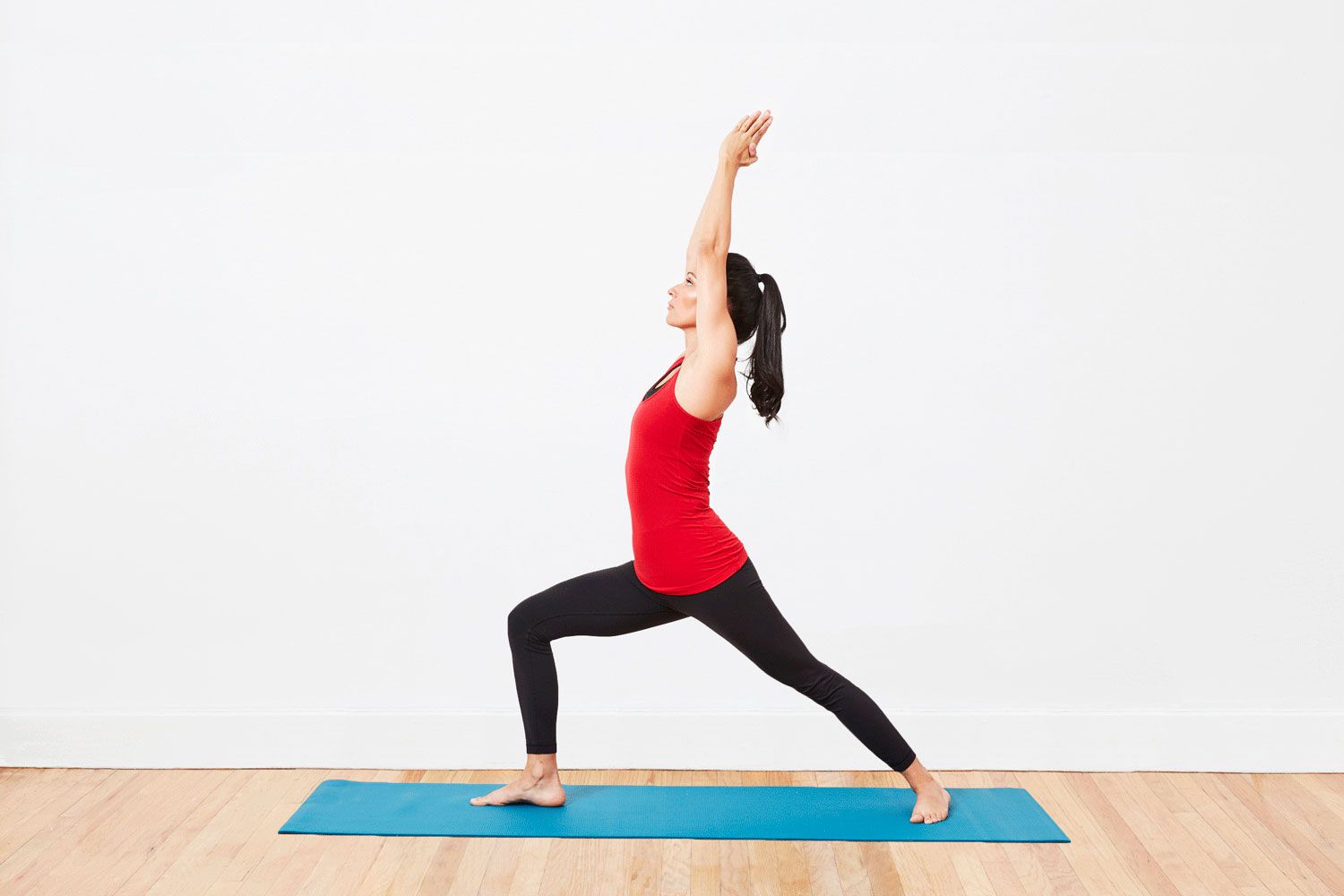
Warrior I Pose (Virabhadrasana I)

Warrior I is a powerful standing pose that builds strength and stamina. It also improves focus and balance. Here’s how to do it:

  • Steps:
    1. Start in Mountain Pose at the top of your mat.
    2. Step your left foot back about four feet, turning it out to a 45-degree angle.
    3. Bend your right knee, keeping it directly over your ankle.
    4. Square your hips and shoulders to the front of the mat.
    5. Inhale as you raise your arms overhead, palms facing each other.
    6. Hold the pose for several breaths, feeling the strength in your legs and the stretch in your upper body.
    7. Repeat on the other side.

Warrior I Pose is excellent for strengthening the legs, opening the hips, and improving overall body awareness.

6. Building a Beginner’s Yoga Routine

How to Structure a 20-Minute Daily Yoga Routine

Creating a consistent yoga routine is essential for progress and reaping the full benefits of the practice. A 20-minute daily routine is a great starting point for beginners. Here’s a simple structure you can follow:

  • Warm-Up (5 minutes): Start with gentle stretches and movements like Cat-Cow Pose, Child’s Pose, and Downward-Facing Dog to prepare your body.
  • Standing Poses (8 minutes): Incorporate foundational poses like Mountain Pose, Warrior I, and Tree Pose. Focus on alignment and breath.
  • Seated Poses (5 minutes): Move into seated poses like Seated Forward Bend or Butterfly Pose. These poses help stretch the hamstrings, hips, and lower back.
  • Cool Down (2 minutes): Finish with gentle stretches and a few moments in Savasana (Corpse Pose) to relax and integrate the benefits of your practice.

This routine can be adjusted based on your needs and time availability. The key is consistency—practicing daily, even for a short time, is more beneficial than long, infrequent sessions.

Tips for Consistency and Discipline

Staying consistent with your yoga practice can be challenging, especially for beginners. Here are some tips to help you maintain discipline:

  • Set a Schedule: Choose a specific time each day for your practice and stick to it. Morning or evening sessions work well for most people.
  • Start Small: Begin with short sessions and gradually increase the duration as you become more comfortable.
  • Create a Ritual: Develop a pre-yoga ritual, like lighting a candle or playing soft music, to signal to your mind and body that it’s time for yoga.
  • Track Your Progress: Keep a journal of your yoga practice, noting how you feel before and after each session. This can help you stay motivated and see your progress over time.
  • Be Patient: Remember that yoga is a journey, not a destination. Progress may be slow, but with patience and persistence, you’ll see improvement.

Progression: Moving from Basic to Intermediate Poses

As you become more comfortable with the foundational poses, you may feel ready to explore more challenging poses. Progressing in yoga involves building strength, flexibility, and confidence gradually. Here’s how to safely advance your practice:

  • Master the Basics: Ensure you’re comfortable with basic poses like Downward-Facing Dog, Warrior I, and Tree Pose before moving on to more advanced poses.
  • Listen to Your Body: Pay attention to how your body feels in each pose. Never force yourself into a position that feels uncomfortable or painful.
  • Incorporate Props: Use props like blocks, straps, and bolsters to help you access more challenging poses with proper alignment.
  • Seek Guidance: Consider taking a class or working with a yoga instructor to ensure you’re practicing safely and effectively as you advance.
  • Be Open to Modifications: Every body is different, and some poses may require modifications to suit your unique needs. Don’t hesitate to adjust poses as needed.

Progression in yoga is a natural process that happens over time. Focus on enjoying the journey and celebrating each milestone along the way.

7. Yoga and Mindfulness

Introduction to Mindfulness in Yoga

Mindfulness is a core component of yoga, involving paying full attention to the present moment without judgment. It’s about being fully aware of your body, breath, and thoughts during your practice. Mindfulness enhances the benefits of yoga by deepening the connection between your mind and body.

Incorporating mindfulness into your yoga practice involves focusing on your breath, noticing the sensations in your body, and being aware of your thoughts and emotions. It’s about practicing yoga with intention and presence, rather than going through the motions.

Breathing Techniques to Enhance Mindfulness

Breathing is central to both yoga and mindfulness. It acts as an anchor, helping you stay present and connected to your practice. Here are some breathing techniques that can enhance mindfulness:

  • Ujjayi Breath (Ocean Breath): Inhale deeply through your nose, then exhale through your nose while slightly constricting the back of your throat, creating a gentle “ocean” sound. This breath is calming and helps you stay focused during your practice.
  • Belly Breathing: Place one hand on your abdomen and inhale deeply, allowing your belly to rise. Exhale slowly, feeling your belly fall. This deep, diaphragmatic breathing promotes relaxation and mindfulness.
  • 4-7-8 Breathing: Inhale through your nose for a count of 4, hold your breath for a count of 7, and exhale through your mouth for a count of 8. This technique helps calm the nervous system and brings your focus inward.

Practicing these breathing techniques regularly can help you cultivate mindfulness both on and off the mat.

The Connection Between Mind and Body

Yoga emphasizes the connection between the mind and body, recognizing that physical and mental health are deeply intertwined. The practice of yoga helps bring awareness to this connection, encouraging a holistic approach to well-being.

  • Physical Benefits: Yoga helps to increase flexibility, strength, and balance. It also promotes better posture, reduces pain, and improves overall physical health.
  • Mental Benefits: Yoga can reduce stress, anxiety, and depression by promoting relaxation and mental clarity. It also enhances concentration, self-awareness, and emotional resilience.

By practicing yoga mindfully, you can cultivate a deeper understanding of your body and mind, leading to greater overall well-being.

The Role of Meditation in Yoga

Meditation is a key component of yoga, often practiced at the beginning or end of a session. It involves focusing the mind, usually on the breath, a mantra, or a specific point of awareness, to achieve a state of mental calm and clarity.

  • Guided Meditation: This involves following a guided audio or instructor-led meditation that provides direction and support. It’s a great option for beginners.
  • Breath Awareness Meditation: Focus on your breath, noticing the sensation of each inhale and exhale. This simple practice helps to center the mind and reduce distractions.
  • Body Scan Meditation: Slowly bring your awareness to each part of your body, starting from the toes and moving up to the head. This practice helps release tension and promotes relaxation.

Incorporating meditation into your yoga practice can deepen your experience, helping you achieve a greater sense of peace and mindfulness.

8. Staying Safe in Your Yoga Practice

Picture Credit – iStock photo

Common Injuries and How to Avoid Them

While yoga is generally safe, like any physical activity, it carries a risk of injury if not practiced mindfully. Common injuries in yoga include:

  • Wrist Strain: Often caused by placing too much weight on the wrists in poses like Plank or Downward-Facing Dog. To avoid this, distribute your weight evenly across your hands and fingers.
  • Lower Back Pain: Can result from improper alignment in poses that involve forward bending or twisting. Engage your core and lengthen your spine to protect your back.
  • Knee Injuries: Occur when the knees are not properly aligned, especially in poses like Warrior I or II. Keep your knee directly over your ankle and avoid overextending.
  • Hamstring Strain: Overstretching the hamstrings can lead to strain or injury. Always warm up before attempting deep stretches and listen to your body’s limits.

To stay safe in your yoga practice, it’s important to:

  • Listen to Your Body: Pay attention to how your body feels in each pose. If something doesn’t feel right, stop and adjust your position.
  • Use Props: Props can help you achieve proper alignment and prevent injury. Don’t hesitate to use blocks, straps, or bolsters as needed.
  • Start Slow: Gradually build your strength and flexibility. Don’t rush into advanced poses before you’re ready.
  • Seek Guidance: If you’re new to yoga or unsure about your form, consider taking a class or consulting with a qualified instructor.

Modifications and Alternatives for Beginners

Yoga is for everyone, regardless of age, fitness level, or physical condition. Many poses can be modified to suit your needs. Here are some common modifications:

  • Using a Chair: If you have difficulty getting down to the floor, try practicing seated yoga poses using a chair. This can be especially helpful for seniors or those with mobility issues.
  • Using Blocks: Place blocks under your hands in poses like Forward Fold or Triangle Pose to bring the floor closer to you and reduce strain.
  • Bent Knees: In poses like Forward Fold or Downward-Facing Dog, keep your knees slightly bent if your hamstrings are tight. This helps protect your lower back and promotes proper alignment.
  • Wall Support: Use a wall for balance in standing poses like Tree Pose or Warrior III. This provides additional stability and helps you focus on your alignment.

Modifications are not a sign of weakness—they’re a way to honor your body’s needs and make yoga more accessible.

The Importance of Rest and Recovery

Rest and recovery are crucial aspects of any physical practice, including yoga. Giving your body time to recover helps prevent injury and allows you to fully integrate the benefits of your practice.

  • Savasana (Corpse Pose): This resting pose is typically practiced at the end of a yoga session. It allows your body and mind to relax and absorb the benefits of your practice. Spend at least a few minutes in Savasana after each session.
  • Rest Days: Just like with any exercise routine, it’s important to take rest days to allow your muscles to recover. You can practice gentle, restorative yoga or take a day off from physical practice altogether.
  • Listen to Your Body: If you feel fatigued or sore, give yourself permission to rest. Pushing through pain or exhaustion can lead to injury and burnout.
  • Stay Hydrated: Drink plenty of water before and after your practice to stay hydrated and support muscle recovery.

Prioritizing rest and recovery helps you maintain a sustainable yoga practice and ensures long-term benefits.

9. Yoga Resources for Continued Learning

Recommended Books for Beginners

Reading about yoga can deepen your understanding of the practice and inspire your journey. Here are some recommended books for beginners:

  • “The Heart of Yoga” by T.K.V. Desikachar: This classic text offers a comprehensive introduction to the philosophy and practice of yoga, making it a great resource for beginners.
  • “Light on Yoga” by B.K.S. Iyengar: A definitive guide to yoga postures and breathing techniques, written by one of the most respected yoga teachers in the world.
  • “Yoga Anatomy” by Leslie Kaminoff and Amy Matthews: This book provides detailed illustrations and explanations of how each yoga pose affects the body, helping you understand the mechanics of your practice.
  • “The Yoga Bible” by Christina Brown: A comprehensive guide to over 170 yoga poses, complete with step-by-step instructions and variations for all levels.
  • “The Art of Yoga” by Sharon Gannon and David Life: A beautifully illustrated guide that explores the spiritual and physical aspects of yoga, with a focus on mindfulness and meditation.

Online Yoga Classes and Tutorials

In today’s digital age, there are countless online resources to support your yoga practice. Here are some popular platforms offering classes and tutorials for beginners:

  • Yoga with Adriene (YouTube): Adriene Mishler offers free, beginner-friendly yoga classes on her YouTube channel. Her approachable teaching style and focus on mindfulness make her videos a great starting point.
  • Gaia: This streaming service offers a vast library of yoga classes, ranging from beginner to advanced levels. It also includes documentaries and educational content on yoga philosophy and wellness.
  • Glo: Glo offers online yoga, meditation, and Pilates classes, with a focus on personalized practice. You can filter classes by level, duration, and style to find what suits you best.
  • Alo Moves: This platform offers a variety of yoga classes, including beginner-friendly sequences and tutorials. The classes are led by experienced instructors and cover a wide range of styles.
  • DoYogaWithMe: A free online resource offering yoga classes, guided meditations, and instructional videos for all levels. The site also includes programs and challenges to help you stay motivated.

Yoga Apps to Enhance Your Practice

Yoga apps can be a convenient way to practice on the go and track your progress. Here are some popular apps for beginners:

  • Down Dog: This app offers customizable yoga practices that adjust to your skill level and preferences. You can choose the duration, style, and intensity of your practice.
  • Yoga Studio: With over 170 video classes and a library of over 280 poses, Yoga Studio is a great app for beginners looking to build their practice. The app also offers meditation sessions and wellness tips.
  • Glo: In addition to its online platform, Glo offers a mobile app that allows you to access yoga, meditation, and Pilates classes from your phone or tablet.
  • Daily Yoga: This app offers guided yoga sessions, a community for support, and various challenges to keep you motivated. It’s suitable for all levels and includes both free and premium content.
  • Pocket Yoga: This app lets you practice yoga anywhere, with detailed voice and visual instructions guiding you through each pose. It also includes a pose dictionary to help you learn the basics.

Continuing Your Yoga Journey

Yoga is a lifelong practice, and there’s always more to learn and explore. As you continue your journey, remember to stay open to new experiences and challenges. Whether you’re deepening your practice, exploring different styles of yoga, or delving into the philosophical aspects of yoga, there’s no limit to the growth and transformation that yoga can bring into your life.

Remember that yoga is not just about physical postures—it’s about cultivating a sense of balance, peace, and harmony in your life. Keep practicing, stay mindful, and enjoy the journey!


Conclusion

Embarking on a yoga journey as a beginner can be both exciting and challenging. This guide is designed to provide you with the knowledge and tools you need to start your practice with confidence. From understanding the basics of yoga to building a daily routine and exploring the deeper aspects of mindfulness, you now have a solid foundation to begin your journey.

Remember, yoga is a personal and evolving practice. There’s no need to rush or compare yourself to others. Take your time, listen to your body, and enjoy the process of learning and growing. With dedication and an open mind, yoga can become a transformative part of your life, bringing physical, mental, and spiritual well-being.

So, roll out your mat, take a deep breath, and embrace the journey ahead. Namaste!

Hope this helps! Feel free to reach out with any revisions or additions you’d like to make.

WhatsApp Channel (Join Now) Join Now
Telegram Channel (Join Now) Join Now

Check More Article  posterify.net

Why You Should Stretching Daily: The Benefits

Introduction to Stretching

What is Stretching?

Stretching is the act of elongating muscles, tendons, and other soft tissues to improve flexibility, range of motion, and overall physical performance. This simple yet effective practice is an integral part of various fitness routines and daily activities, aiding in the prevention of injuries and the enhancement of overall well-being.

Historically, stretching has been a part of human movement since ancient times, incorporated into rituals, sports, and healing practices across different cultures. Whether you’re an athlete, a weekend warrior, or someone just looking to maintain a healthy lifestyle, stretching plays a crucial role in keeping your body in top condition.

History and Evolution of Stretching Practices

Stretching practices have evolved over the centuries, reflecting changes in cultural attitudes towards physical fitness and well-being. In ancient civilizations like Greece and Rome, stretching was an integral part of athletic training and military preparation. Yoga, which originated in ancient India, incorporates stretching as a key component of its practice, blending physical and spiritual elements to promote harmony and balance.

During the 20th century, the fitness industry began to emphasize the importance of stretching as part of a well-rounded exercise routine. Studies on the benefits of flexibility and mobility led to the development of different stretching techniques, each with its own set of advantages and applications.

Why Stretching is a Fundamental Part of Fitness

Picture Credit – iStock photo

Stretching is not just an afterthought to a workout; it is a fundamental aspect of fitness that supports overall health and performance. Regular stretching helps to maintain and improve flexibility, making everyday movements easier and more efficient. It also enhances circulation, reduces muscle tension, and can even boost mental clarity by promoting relaxation.

Incorporating stretching into your fitness routine can help prevent injuries by ensuring that your muscles and joints are prepared for physical activity. It can also aid in recovery, reducing muscle soreness and stiffness after exercise. Whether you’re lifting weights, running, or practicing yoga, stretching is essential to achieving optimal results and maintaining a healthy body.

The Science Behind Stretching

How Stretching Affects the Muscles

When you stretch a muscle, you are essentially lengthening the muscle fibers and increasing the distance between the muscle’s origin and insertion points. This process can improve flexibility and range of motion, making it easier for your muscles to perform their functions.

The muscle spindle and Golgi tendon organ are two key components in this process. The muscle spindle detects changes in muscle length and sends signals to the brain to prevent overstretching, while the Golgi tendon organ responds to changes in muscle tension, promoting relaxation when the muscle is being stretched. Together, these mechanisms protect the muscles from injury and help to improve flexibility over time.

The Role of Fascia in Stretching

Fascia is a connective tissue that surrounds muscles, bones, and organs, providing support and structure to the body. When you stretch, you’re not just affecting the muscles but also the fascia, which can become tight and restricted due to inactivity, injury, or stress.

Stretching helps to release tension in the fascia, allowing for greater freedom of movement and reducing the risk of injury. Techniques like myofascial release, which involves applying pressure to specific points on the fascia, can further enhance the benefits of stretching by breaking up adhesions and promoting greater elasticity in the tissue.

The Impact of Stretching on Flexibility and Mobility

Flexibility refers to the ability of a muscle to lengthen, while mobility is the range of motion available at a joint. Stretching improves both flexibility and mobility by elongating the muscles and allowing for greater movement at the joints.

Regular stretching can lead to long-term improvements in flexibility, making it easier to perform everyday activities and reducing the risk of injury. Enhanced mobility also supports better posture and alignment, which can alleviate pain and discomfort in the back, neck, and shoulders.

Types of Stretch

Static Stretching: What It Is and When to Use It

Static stretching involves holding a stretch in a challenging but comfortable position for a period of time, typically 15-60 seconds. This type of stretch is most effective when performed after a workout, as it helps to relax the muscles and improve flexibility.

Static stretch is particularly beneficial for increasing the length of muscles and improving overall flexibility. It is often used in yoga, pilates, and other practices that emphasize slow, controlled movements and deep breathing.

Dynamic Stretching: Preparing the Body for Movement

Dynamic stretching involves moving the muscles through their full range of motion in a controlled, deliberate manner. Unlike static stretch, dynamic stretches are not held for an extended period of time but are performed in a continuous, flowing motion.

This type of stretching is ideal for warming up before a workout, as it increases blood flow, raises the heart rate, and prepares the muscles and joints for physical activity. Dynamic stretch can include movements like leg swings, arm circles, and walking lunges, all of which help to enhance flexibility and mobility while reducing the risk of injury.

PNF Stretching: The Power of Proprioceptive Neuromuscular Facilitation

Proprioceptive Neuromuscular Facilitation (PNF) stretch is a more advanced technique that involves both stretching and contracting the muscle. PNF is often performed with a partner, where one person provides resistance while the other stretches the muscle.

This method is highly effective for improving flexibility and range of motion, particularly in athletes and individuals recovering from injury. PNF stretch is based on the principle that contracting a muscle before stretching it can enhance the stretch by activating the muscle’s reflexes and promoting relaxation.

Passive vs. Active stretch : Understanding the Differences

Passive stretching involves using an external force, such as a partner, a strap, or gravity, to stretch the muscle. The individual remains relaxed while the external force does the work. This type of stretching is often used in rehabilitation settings to improve flexibility without putting additional strain on the muscles.

Active stretching, on the other hand, requires the individual to actively engage the muscle while stretch it. This type of stretching helps to improve both flexibility and strength by requiring the muscles to work through their full range of motion.

Ballistic stretch : Risks and Rewards

Ballistic stretching involves using momentum to force a muscle beyond its normal range of motion. This type of stretching is characterized by bouncing movements that push the muscle into a stretch.

While ballistic stretch can increase flexibility, it also carries a higher risk of injury due to the rapid, uncontrolled movements involved. This technique is generally not recommended for beginners or individuals with limited flexibility, as it can lead to muscle strains and other injuries.

Benefits of Daily stretch

Improved Flexibility and Range of Motion

One of the most well-known benefits of stretch is its ability to improve flexibility and range of motion. Regular stretching helps to lengthen the muscles and increase the distance that your joints can move. This can make everyday activities like bending, reaching, and twisting much easier and more comfortable.

Improved flexibility also reduces the risk of injury, as flexible muscles and joints are less likely to become strained or torn during physical activity. Whether you’re an athlete looking to enhance your performance or someone who simply wants to move more easily, stretch is key to achieving greater flexibility.

Enhanced Athletic Performance

Stretching is an essential component of athletic performance, helping to prepare the muscles and joints for the demands of physical activity. By improving flexibility and range of motion, stretch allows athletes to move more efficiently and with greater power.

In addition to improving performance, stretch also aids in recovery by reducing muscle soreness and stiffness after exercise. Athletes who incorporate stretch into their training routines are less likely to experience injuries and are able to maintain peak performance levels for longer periods of time.

Injury Prevention and Rehabilitation

Stretching plays a crucial role in both preventing and rehabilitating injuries. By improving flexibility and range of motion, stretch helps to reduce the risk of muscle strains, ligament sprains, and other injuries that can occur during physical activity.

For those recovering from an injury, stretch can help to restore mobility and strength to the affected area. It also promotes circulation and reduces stiffness, which can accelerate the healing process and prevent further injury.

Better Posture and Alignment

Poor posture is a common issue that can lead to pain and discomfort in the back, neck, and shoulders. Stretching helps to correct posture by lengthening tight muscles and promoting proper alignment of the spine.

Regular stretch can alleviate the effects of poor posture by relaxing tight muscles and strengthening weak ones. This not only improves your appearance but also reduces the risk of developing chronic pain conditions.

Stress Reduction and Mental Clarity

Stretching is not just beneficial for the body; it also has a positive impact on the mind. Stretching helps to reduce stress by promoting relaxation and releasing tension in the muscles. The slow, deliberate movements and deep breathing associated with stretch can also enhance mental clarity and focus.

Incorporating stretching into your daily routine can provide a much-needed break from the stresses of daily life, helping you to feel more relaxed and centered. Whether you’re stretch in the morning to start your day on a positive note or in the evening to unwind before bed, stretch is a simple and effective way to reduce stress and improve mental well-being.

Enhanced Circulation and Blood Flow

Stretching helps to improve circulation by increasing blood flow to the muscles and other tissues. This increased blood flow delivers more oxygen and nutrients to the muscles, which can enhance their performance and promote faster recovery after exercise.

Improved circulation also supports overall health by helping to regulate blood pressure, reduce inflammation, and support the function of the heart and lungs. Whether you’re looking to boost your athletic performance or simply improve your overall health, stretch is a powerful tool for enhancing circulation and blood flow.

Relief from Chronic Pain and Discomfort

Chronic pain, whether it’s in the back, neck, shoulders, or other areas, can be debilitating and affect your quality of life. stretch can provide relief from chronic pain by releasing tension in tight muscles and promoting proper alignment of the joints.

Regular stretch can also help to prevent the recurrence of chronic pain by keeping the muscles and joints flexible and strong. Whether you’re dealing with chronic pain due to poor posture, injury, or other factors, stretching can be a valuable part of your pain management plan.

Improved Sleep Quality

Stretching before bed can help to improve sleep quality by promoting relaxation and reducing tension in the body. Gentle stretch can help to calm the mind and prepare the body for rest, making it easier to fall asleep and stay asleep throughout the night.

Whether you’re dealing with insomnia or simply want to improve the quality of your sleep, incorporating stretching into your evening routine can make a significant difference. By helping to release physical and mental tension, stretch can create the ideal conditions for a restful night’s sleep.

stretch for Different Age Groups

Picture Credit – iStock photo

Stretching for Children: Building Healthy Habits Early

Children are naturally flexible, but that flexibility can diminish as they grow older if not maintained through regular stretch . Encouraging children to stretch regularly can help to build healthy habits that will benefit them throughout their lives.

Stretching can also support children’s physical development by improving flexibility, balance, and coordination. Whether it’s part of a sports routine or simply a daily activity, stretch can help children to stay active and healthy.

stretch for Teens: Supporting Growth and Development

The teenage years are a time of rapid growth and development, which can lead to muscle tightness and imbalances. stretch can help to address these issues by promoting flexibility and preventing injuries.

For teens involved in sports, stretch is particularly important for maintaining performance and reducing the risk of injury. Regular stretching can also support overall physical and mental well-being, helping teens to navigate the challenges of adolescence with greater ease.

Stretching for Adults: Maintaining Mobility and Health

As we age, our muscles and joints can become less flexible, leading to stiffness and reduced mobility. Regular stretching can help to maintain flexibility and prevent the loss of mobility that often comes with aging.

For adults, stretch is an important part of a balanced fitness routine, supporting overall health and well-being. Whether you’re an active athlete or simply looking to stay healthy and active, stretch can help you to maintain your mobility and enjoy a higher quality of life.

stretch for Seniors: Preserving Independence and Quality of Life

For seniors, maintaining flexibility and mobility is crucial for preserving independence and quality of life. stretch can help to prevent falls and injuries by improving balance, coordination, and muscle strength.

Incorporating stretch into a daily routine can also help seniors to manage chronic pain and stiffness, improving overall comfort and well-being. Whether it’s through gentle yoga, tai chi, or simple stretching exercises, staying flexible is key to aging gracefully and maintaining an active, independent lifestyle.

stretch for Specific Lifestyles and Professions

stretch for Office Workers: Combatting the Effects of Sitting

Sitting for long periods can lead to tight muscles, poor posture, and discomfort in the back, neck, and shoulders. stretch can help to counteract these effects by releasing tension and promoting proper alignment.

For office workers, incorporating regular stretch breaks into the workday can improve comfort and productivity. Simple stretches like neck rolls, shoulder shrugs, and hamstring stretches can make a significant difference in how you feel at the end of the day.

stretch for Athletes: Maximizing Performance and Recovery

For athletes, stretch is an essential part of training and recovery. Stretching helps to prepare the muscles and joints for physical activity, reducing the risk of injury and enhancing performance.

In addition to improving flexibility and range of motion, stretch also aids in recovery by reducing muscle soreness and stiffness. Whether you’re a runner, a weightlifter, or a dancer, stretch is key to maintaining peak performance and staying injury-free.

stretch for Pregnant Women: Supporting a Healthy Pregnancy

Pregnancy can put a lot of strain on the body, leading to discomfort and muscle tightness. stretch can help to relieve this discomfort by promoting flexibility and reducing tension in the muscles.

For pregnant women, gentle stretch can also support a healthy pregnancy by improving circulation, reducing stress, and promoting relaxation. It’s important to consult with a healthcare provider before starting a stretching routine during pregnancy to ensure that the exercises are safe and appropriate for your individual needs.

stretch for Dancers: Enhancing Grace and Flexibility

Dancers require a high level of flexibility and range of motion to perform their movements with grace and precision. stretch is an essential part of a dancer’s training, helping to improve flexibility, prevent injuries, and enhance performance.

For dancers, regular stretch can also support overall strength and stability, allowing them to move with greater control and fluidity. Whether you’re a ballet dancer, a contemporary dancer, or a hip-hop dancer, stretching is key to achieving your full potential.

stretch for Yogis: Deepening Your Practice

Yoga is inherently focused on stretching and flexibility, with many poses designed to lengthen the muscles and increase range of motion. For yogis, regular stretch is essential for deepening your practice and achieving greater physical and mental harmony.

Incorporating stretch into your yoga practice can help to improve flexibility, reduce stress, and enhance your mind-body connection. Whether you’re a beginner or an advanced practitioner, stretching is a vital part of achieving balance and harmony in your yoga practice.

stretch for Martial Artists: Boosting Agility and Power

Martial arts require a unique combination of flexibility, strength, and agility. stretch is an essential part of martial arts training, helping to improve flexibility and range of motion while reducing the risk of injury.

For martial artists, regular stretching can also enhance power and speed by promoting greater muscle elasticity and control. Whether you’re practicing karate, judo, or taekwondo, stretch is key to achieving peak performance and staying injury-free.

Common Myths and Misconceptions About stretch

Debunking the Myth that stretch is Only for Athletes

One of the most common misconceptions about stretch is that it’s only necessary for athletes or those involved in intense physical activity. In reality, stretching is beneficial for everyone, regardless of fitness level or activity level.

Whether you’re an office worker, a stay-at-home parent, or a senior citizen, stretch can help to improve flexibility, reduce stress, and enhance overall well-being. Incorporating stretch into your daily routine can provide a wide range of physical and mental benefits, no matter who you are or what you do.

Is stretch Before Exercise Bad?

There’s a common belief that stretching before exercise can actually do more harm than good. While it’s true that static stretching before exercise can reduce muscle strength and power, dynamic stretch is a safe and effective way to prepare the muscles and joints for physical activity.

Dynamic stretch involves moving the muscles through their full range of motion, which can help to warm up the body, increase blood flow, and reduce the risk of injury. Whether you’re heading out for a run or hitting the gym, dynamic stretching is a great way to get your body ready for action.

The Truth About stretch and Muscle Soreness

Many people believe that stretch can prevent or reduce muscle soreness after exercise. While stretching can help to improve flexibility and range of motion, it does not actually prevent muscle soreness.

Delayed onset muscle soreness (DOMS) is a natural response to exercise, particularly when engaging in new or intense activities. While stretch can help to alleviate some of the discomfort associated with DOMS, it is not a cure-all for muscle soreness.

Can You Overstretch? Understanding the Limits

stretch is beneficial for improving flexibility and range of motion, but it’s possible to overdo it. Overstretching can lead to muscle strains, ligament sprains, and other injuries.

It’s important to listen to your body and avoid pushing yourself too far when stretch . Stretching should be a comfortable, gentle process that promotes relaxation and flexibility, not pain or discomfort.

How to Incorporate stretch into Your Daily Routine

Morning Stretching: Starting Your Day with Energy

Starting your day with a few simple stretches can help to wake up your body, increase circulation, and set a positive tone for the day ahead. Morning stretch can also help to alleviate any stiffness or tension that may have developed overnight, making it easier to move and feel energized throughout the day.

Incorporating a few minutes of stretch into your morning routine is a simple and effective way to improve your overall well-being. Whether you prefer a full yoga session or just a few basic stretches, morning stretching can help you to start your day on the right foot.

Midday Stretching: Reenergizing During the Workday

Taking a few minutes to stretch during the workday can help to reenergize your body and mind, improving focus and productivity. Midday stretch can also help to alleviate the discomfort and stiffness that can develop from sitting for long periods.

Incorporating regular stretching breaks into your workday is a simple and effective way to improve your overall well-being and stay focused and productive. Whether you’re at your desk or on the go, stretch can help you to stay energized and comfortable throughout the day.

Evening stretch : Unwinding Before Bed

Stretching before bed can help to promote relaxation and prepare your body for a restful night’s sleep. Evening stretch can also help to alleviate any tension or discomfort that may have developed during the day, making it easier to unwind and fall asleep.

Incorporating a few minutes of stretch into your evening routine is a simple and effective way to improve your overall well-being and enhance your sleep quality. Whether you prefer gentle yoga or just a few basic stretches, evening stretch can help you to end your day on a positive note.

stretch on the Go: Simple Moves You Can Do Anywhere

Even if you’re constantly on the move, it’s still possible to incorporate stretch into your daily routine. Simple stretches like neck rolls, shoulder shrugs, and calf raises can be done anywhere, whether you’re at work, traveling, or running errands.

Incorporating stretch into your daily routine doesn’t have to be complicated or time-consuming. With a few simple moves, you can stay flexible and comfortable no matter where you are or what you’re doing.

Creating a Personal stretch Plan

Creating a personal stretching plan is a great way to ensure that you’re incorporating stretch into your daily routine in a way that works for you. Whether you’re focusing on specific areas of the body or just looking to improve your overall flexibility, a stretching plan can help you to stay on track and achieve your goals.

Incorporating stretch into your daily routine is a simple and effective way to improve your overall well-being. With a personalized stretch plan, you can stay flexible, comfortable, and healthy no matter what life throws your way.

Tools and Equipment to Enhance Your stretch Routine

Foam Rollers: Benefits and Best Practices

Foam rollers are a popular tool for enhancing flexibility and promoting muscle recovery. Foam rolling, also known as self-myofascial release, involves using a foam roller to apply pressure to specific points on the muscles, helping to release tension and improve flexibility.

Incorporating foam rolling into your stretch routine can help to enhance the benefits of stretching by breaking up adhesions in the fascia and promoting greater muscle elasticity. Whether you’re using a foam roller before or after a workout, it’s a great tool for improving flexibility and reducing muscle soreness.

stretch Straps: How to Use Them Effectively

Stretching straps are a simple and effective tool for enhancing flexibility and promoting proper alignment during stretching. stretch straps can be used to help you achieve deeper stretches, particularly in hard-to-reach areas like the hamstrings, shoulders, and back.

Incorporating stretching straps into your stretch routine can help to improve flexibility, reduce the risk of injury, and promote proper alignment. Whether you’re using a stretching strap during yoga or as part of your daily stretching routine, it’s a valuable tool for enhancing your flexibility and overall well-being.

Yoga Blocks and Bolsters: Supporting Your stretch

Yoga blocks and bolsters are versatile tools that can be used to support your stretch practice. Yoga blocks can be used to modify poses and provide additional support, making it easier to achieve proper alignment and deepen your stretches.

Bolsters can be used to support the body during restorative yoga poses, promoting relaxation and reducing tension. Whether you’re using them during yoga or as part of your daily stretch routine, yoga blocks and bolsters are valuable tools for enhancing your flexibility and overall well-being.

Apps and Online Resources for Guided stretch

There are many apps and online resources available that can provide guided stretch routines and support your stretching practice. Whether you’re looking for a full yoga session or just a few simple stretches, there are plenty of options available to suit your needs.

Incorporating guided stretching into your daily routine can help to ensure that you’re stretch safely and effectively. Whether you’re using an app or following along with an online video, guided stretch can provide the support and guidance you need to achieve your flexibility goals.

Case Studies and Personal Stories

Real-Life Success Stories of Daily stretch

There are countless stories of individuals who have transformed their lives through daily stretch . Whether it’s an athlete who improved their performance, a senior who regained their mobility, or an office worker who alleviated their back pain, the benefits of stretch are clear.

Incorporating stretch into your daily routine can have a profound impact on your overall well-being. By hearing the success stories of others, you can be inspired to start your own stretch journey and experience the benefits for yourself.

How stretch Transformed My Flexibility: A Personal Account

stretch has the power to transform your body and mind, as evidenced by countless personal accounts of individuals who have experienced the benefits firsthand. Whether it’s increased flexibility, reduced pain, or improved mental clarity, stretch can make a significant difference in your life.

By incorporating stretch into your daily routine, you can experience the same benefits and transform your body and mind. Whether you’re just starting out or have been stretch for years, there’s always room for improvement and growth.

Professional Athletes Who Swear by stretch

Many professional athletes incorporate stretch into their training routines to enhance performance, prevent injuries, and promote recovery. From runners to dancers to weightlifters, stretching is a crucial part of staying at the top of their game.

By incorporating stretching into your own routine, you can experience the same benefits and achieve your fitness goals. Whether you’re an athlete or just someone looking to stay healthy and active, stretching is key to achieving your full potential.

The Connection Between Stretching and Mindfulness

Picture Credit – iStock photo

How Stretching Can Enhance Your Mind-Body Connection

Stretching is not just a physical activity; it also has the power to enhance your mind-body connection. By focusing on your breath and being present in your body, stretching can help you to achieve greater mental clarity and focus.

Incorporating mindfulness into your stretching practice can help to deepen your connection with your body and promote overall well-being. Whether you’re practicing yoga or simply stretching at home, being mindful during your stretches can help you to achieve a greater sense of balance and harmony.

The Role of Breathing in Stretching

Breathing is a crucial component of stretching, helping to promote relaxation and enhance the benefits of your stretches. By focusing on your breath and using deep, controlled breaths during stretching, you can achieve greater flexibility and reduce tension in the muscles.

Incorporating breathing techniques into your stretching practice can help to improve your overall well-being and enhance your mind-body connection. Whether you’re using deep breathing during yoga or simply focusing on your breath during stretching, it’s a valuable tool for achieving greater flexibility and relaxation.

Combining Stretching with Meditation for a Holistic Approach

Combining stretching with meditation can provide a holistic approach to well-being, promoting both physical and mental relaxation. By incorporating mindfulness and meditation into your stretching routine, you can achieve greater mental clarity and reduce stress.

Incorporating meditation into your stretching practice can help to enhance your mind-body connection and promote overall well-being. Whether you’re practicing yoga or simply stretching at home, combining stretching with meditation is a powerful way to achieve balance and harmony in your life.

Conclusion: The Lasting Impact of Daily Stretching on Your Health and Well-Being

Incorporating stretching into your daily routine is a simple and effective way to improve your overall health and well-being. Whether you’re looking to increase flexibility, reduce stress, or enhance your athletic performance, stretching offers a wide range of benefits for both the body and mind.

By making stretching a regular part of your day, you can experience the lasting impact of greater flexibility, improved posture, reduced pain, and enhanced mental clarity. Whether you’re an athlete, an office worker, or a senior citizen, stretching is a valuable tool for achieving your full potential and enjoying a higher quality of life.

Encouragement to Start Your Own Stretching Journey

If you’re ready to experience the benefits of stretching for yourself, there’s no better time to start than today. Whether you’re new to stretching or have been doing it for years, there’s always room for improvement and growth.

By incorporating stretching into your daily routine, you can transform your body and mind and enjoy a higher quality of life. So why wait? Start your stretching journey today and experience the lasting benefits for yourself!

WhatsApp Channel (Join Now) Join Now
Telegram Channel (Join Now) Join Now

Check More Article  posterify.net

The Best Workout Clothes for Women in 2024

Introduction

Importance of Quality Workout Clothes

When it comes to achieving your fitness goals, the clothes you wear play a pivotal role. Quality workout attire isn’t just about looking good—it’s about enhancing performance, providing comfort, and even preventing injury. Whether you’re hitting the gym, running, or doing yoga, the right workout clothes can make all the difference. They offer the support you need, wick away moisture, and allow your skin to breathe, helping you stay focused and motivated during your workout.

Evolution of Women’s Workout Apparel

The evolution of women’s workout clothes reflects broader changes in society, particularly regarding women’s roles in sports and fitness. In the early 20th century, workout clothes for women were more about modesty than performance, with heavy fabrics and restrictive designs. As fitness became more popular, especially during the 1970s and 1980s, the market saw a surge in the development of more functional, comfortable, and stylish workout gear. Today, workout clothes are designed with advanced technology and high-performance materials, catering to a variety of activities while also embracing fashion-forward styles.

The Rise of Athleisure

One of the most significant trends in fashion over the past decade has been the rise of athleisure—a style of clothing designed for athletic activities that is also suitable for casual, everyday wear. Athleisure has blurred the lines between gym wear and streetwear, allowing women to transition seamlessly from a workout session to a lunch date or even a day at the office. This trend has led to an explosion of options in workout clothes, with brands competing to offer the most stylish, comfortable, and functional pieces that can be worn both in and out of the gym.

Key Factors to Consider When Choosing Workout Clothes

Fabric and Material

The fabric of your workout clothes can greatly influence your performance and comfort. Some fabrics are better suited for certain activities than others, and understanding the differences can help you make the best choice.

  • Polyester: This synthetic fabric is one of the most popular for workout clothes due to its durability and moisture-wicking properties. It’s lightweight and breathable, making it a great choice for intense workouts. However, it can retain odors more than natural fabrics.
  • Nylon: Known for its smooth texture and ability to dry quickly, nylon is another common choice. It’s stretchable, making it ideal for activities that require a lot of movement, like yoga or Pilates.
  • Spandex/Elastane: Often blended with other fabrics, spandex provides the stretch needed for a snug fit and freedom of movement. It’s a key component in many types of workout clothing, especially in items like leggings and sports bras.
  • Organic Cotton: While not as moisture-wicking as synthetic fabrics, organic cotton is breathable and soft, making it a comfortable choice for low-impact activities like walking or stretching.
  • Bamboo: Bamboo fabric is becoming increasingly popular due to its natural breathability and moisture-wicking abilities. It’s also hypoallergenic and has a soft feel, making it suitable for sensitive skin.
  • Recycled Fabrics: With the growing focus on sustainability, many brands are now offering workout clothes made from recycled materials, such as recycled polyester. These fabrics offer similar performance benefits to their non-recycled counterparts but with a smaller environmental footprint.

Fit and Comfort

When it comes to workout clothes, fit is everything. Ill-fitting clothes can not only be uncomfortable but also hinder your performance. For instance, too-tight leggings can restrict movement, while a loose sports bra might not provide enough support. It’s essential to choose workout clothes that fit well and allow you to move freely, without causing chafing or irritation. Many brands offer a range of fits, from form-fitting to relaxed, so you can choose what feels best for you.

Durability

Workout clothes go through a lot of wear and tear, from intense workouts to frequent washing. Durability is a key factor to consider, especially if you’re investing in high-quality pieces. Look for fabrics that are known for their strength and resistance to pilling, fading, and stretching. Seams should be sturdy and flat to prevent irritation during movement. Additionally, consider the quality of zippers, elastic bands, and other features that can affect the longevity of your clothes.

Moisture-Wicking and Breathability

One of the most important functions of workout clothes is to manage sweat. Moisture-wicking fabrics draw sweat away from your skin and help it evaporate quickly, keeping you dry and comfortable during your workout. Breathability is equally important, as it allows air to circulate through the fabric, preventing overheating. Fabrics like polyester, nylon, and bamboo are excellent at wicking moisture and promoting breathability.

Style and Aesthetic Appeal

While functionality is crucial, style and aesthetic appeal are also important considerations for many women when choosing workout clothes. The rise of athleisure has made it possible to find workout clothes that are not only functional but also fashionable. From bold prints and vibrant colors to sleek, minimalist designs, there’s something to suit every taste. Matching sets, high-waisted leggings, and unique details like mesh inserts or cutouts can add a stylish edge to your workout wardrobe.

Sustainability and Ethical Production

As consumers become more conscious of their environmental impact, sustainability and ethical production have become significant factors in choosing workout clothes. Many brands are now offering eco-friendly options made from organic or recycled materials, using ethical manufacturing practices. When shopping for workout clothes, consider the brand’s commitment to sustainability, such as their use of eco-friendly fabrics, fair labor practices, and efforts to reduce waste.

Top Fabrics for Workout Clothes in 2024

Picture Credit – iStock photo

Polyester: Pros and Cons

Polyester remains a staple in workout clothing due to its durability, moisture-wicking properties, and ability to hold color well, even after many washes. However, polyester can sometimes trap odors and is less breathable compared to natural fabrics. Despite these drawbacks, it’s an excellent choice for high-intensity workouts where durability and moisture management are crucial.

Nylon: Pros and Cons

Nylon is favored for its soft texture and quick-drying properties. It’s highly durable and resistant to abrasion, making it a good choice for activities that involve a lot of movement. However, nylon is also synthetic, which means it shares some of the same drawbacks as polyester, such as potential odor retention and less breathability than natural fibers.

Spandex/Elastane: Pros and Cons

Spandex, also known as elastane, is essential in workout clothes that require stretch, such as leggings and fitted tops. It allows for a snug fit and supports a wide range of motion, making it ideal for yoga, dance, and other flexible activities. However, spandex is not as breathable as other fabrics, so it’s often blended with other materials to enhance comfort.

Organic Cotton: Pros and Cons

Organic cotton is a natural, breathable fabric that feels soft against the skin. It’s an excellent choice for low-impact activities and those with sensitive skin. However, it doesn’t wick moisture as effectively as synthetic fabrics, so it may not be the best choice for high-intensity workouts where you’ll be sweating heavily.

Bamboo: Pros and Cons

Bamboo fabric is gaining popularity for its natural moisture-wicking and breathable qualities. It’s also hypoallergenic and incredibly soft, making it suitable for those with sensitive skin or allergies. The downside is that bamboo fabric can be less durable than synthetic materials, so it may not last as long with frequent, intense use.

Recycled Fabrics: Pros and Cons

Recycled fabrics are becoming increasingly popular as sustainability becomes a priority for consumers. These fabrics often perform similarly to their non-recycled counterparts but have the added benefit of reducing environmental impact. However, the quality of recycled fabrics can vary, and they might be slightly more expensive due to the production process.

Trending Styles in Women’s Workout Clothes

High-Waisted Leggings

High-waisted leggings continue to be a favorite among women for their flattering fit and comfort. They provide extra support around the midsection, which can enhance confidence and help with posture during workouts. These leggings are versatile and can be worn for various activities, from yoga to running, and even as part of a casual outfit outside the gym.

Sports Bras with Extra Support

As workouts become more intense, the need for sports bras with better support has grown. In 2024, we see a trend towards sports bras that offer not only support but also style. Features like adjustable straps, underwire, and wide bands are becoming more common, providing the necessary support for high-impact activities while ensuring comfort and reducing strain.

Mesh Inserts and Cutouts

Mesh inserts and cutouts are popular design elements that add both style and functionality to workout clothes. Mesh panels can enhance breathability in areas where you sweat the most, such as under the arms or on the back. Cutouts, on the other hand, add a trendy touch while also improving ventilation. These elements are often found in leggings, sports bras, and tops, making them both functional and fashionable.

Seamless Workout Clothes

Seamless workout clothes are designed to reduce chafing and irritation by eliminating traditional seams. This design is especially beneficial for activities that involve a lot of movement, such as running or HIIT. Seamless clothes are also known for their sleek appearance and comfortable fit, making them a popular choice for both performance and style.

Matching Sets

Matching sets have become a staple in women’s workout wardrobes. These coordinated outfits, typically consisting of a sports bra and leggings or shorts, offer a polished and put-together look. They’re perfect for those who want to look stylish with minimal effort and are available in various colors, patterns, and styles to suit different preferences.

Color Blocking and Bold Prints

Color blocking and bold prints are making a strong statement in 2024. These designs add a fun and vibrant touch to workout clothes, allowing women to express their personalities through their fitness wear. Whether it’s a striking animal print or a geometric color-blocked design, these styles are sure to stand out in any gym or fitness class.

Best Brands for Women’s Workout Clothes in 2024

Nike

Nike remains a top choice for women’s workout clothes due to its extensive range of high-performance apparel. Known for its innovative technology and stylish designs, Nike offers everything from supportive sports bras to moisture-wicking leggings. The brand also caters to various body types and fitness needs, making it a reliable choice for many women.

Lululemon

Lululemon is synonymous with high-quality, stylish workout clothes, particularly in the yoga and athleisure space. The brand’s leggings, like the popular Align Pant, are praised for their soft, buttery feel and exceptional fit. Lululemon also offers a range of tops, bras, and outerwear designed to perform well during various activities, all while looking effortlessly chic.

Athleta

Athleta, a brand under the Gap Inc. umbrella, is known for its focus on both performance and sustainability. The brand offers a wide range of workout clothes, from supportive leggings to versatile tops, all made with eco-friendly materials. Athleta’s commitment to size inclusivity also makes it a go-to brand for women of all shapes and sizes.

Under Armour

Under Armour is celebrated for its performance-driven workout clothes that cater to athletes and fitness enthusiasts alike. The brand is known for its use of advanced technology, such as moisture-wicking fabrics and compression gear, designed to enhance performance. Under Armour’s workout clothes are durable, making them a great investment for those who engage in intense workouts regularly.

Gymshark

Gymshark has become a favorite among the fitness community, especially on social media. The brand is known for its stylish and affordable workout clothes that cater to a younger audience. Gymshark’s seamless leggings and matching sets are particularly popular, offering both comfort and style for various workouts, from weightlifting to yoga.

Outdoor Voices

Outdoor Voices is a brand that focuses on versatile, everyday workout clothes that are as stylish as they are functional. The brand’s playful designs and emphasis on movement encourage women to stay active in their daily lives. Outdoor Voices also prioritizes sustainability, offering pieces made from recycled materials and eco-friendly fabrics.

Alo Yoga

Alo Yoga is another brand that blends fashion and fitness seamlessly. Known for its high-quality yoga wear, Alo Yoga offers stylish pieces that can easily transition from the studio to the street. The brand’s leggings and sports bras are designed to flatter and support, making them a favorite among yoga practitioners and athleisure enthusiasts alike.

Girlfriend Collective

Girlfriend Collective is a leader in sustainable activewear, offering workout clothes made from recycled materials like plastic bottles and fishing nets. The brand is also committed to size inclusivity, offering a wide range of sizes. Girlfriend Collective’s designs are minimalist yet stylish, making them a great choice for women who prioritize both sustainability and fashion.

Workout Clothes for Different Types of Workouts

Yoga: Comfort and Flexibility

For yoga, comfort and flexibility are key. Look for clothes made from stretchy, breathable fabrics like spandex or a spandex-cotton blend. High-waisted leggings and fitted tops are ideal, as they stay in place during various poses. A supportive sports bra is also important, especially for more dynamic yoga practices like Vinyasa or Ashtanga.

Running: Support and Breathability

Running requires workout clothes that provide support and enhance breathability. Compression leggings or shorts can help improve circulation and reduce muscle fatigue, while a moisture-wicking top will keep you dry. A high-impact sports bra is essential for support, and don’t forget about lightweight, moisture-wicking socks to prevent blisters.

Strength Training: Durability and Mobility

When it comes to strength training, durability and mobility are crucial. Look for clothes made from strong, stretchable fabrics that can withstand the rigors of lifting weights. Fitted tops and leggings with a good amount of spandex will allow for a full range of motion without compromising on comfort or style.

HIIT: Moisture-Wicking and Support

HIIT workouts are intense and require workout clothes that can keep up. Moisture-wicking fabrics are a must to manage sweat, and supportive sports bras and leggings will ensure you’re comfortable throughout the session. Look for seamless designs to minimize chafing, and consider breathable mesh panels for added ventilation.

Cycling: Fit and Aerodynamics

Cycling demands clothes that are both aerodynamic and comfortable. Tight-fitting tops and shorts made from moisture-wicking fabrics are ideal, as they reduce wind resistance and keep you dry. Padded cycling shorts can provide extra comfort during long rides, while a fitted, breathable top will keep you cool.

Pilates: Softness and Stretch

Pilates focuses on controlled movements and flexibility, so soft, stretchable fabrics are essential. High-waisted leggings and form-fitting tops made from spandex or a spandex-cotton blend work well, providing the comfort and range of motion needed for this low-impact workout. A supportive but not overly restrictive sports bra is also important.

How to Care for Your Workout Clothes

Picture Credit – iStock photo

Washing Tips

Proper care of your workout clothes ensures they last longer and maintain their performance qualities. Always follow the care instructions on the label, but here are some general tips:

  • Wash Inside Out: Turning clothes inside out helps preserve the fabric’s appearance and prevents pilling.
  • Use Cold Water: Cold water is gentler on fabrics and helps prevent colors from fading.
  • Avoid Fabric Softeners: Fabric softeners can clog the fibers of moisture-wicking fabrics, reducing their effectiveness.

Drying Tips

Air drying is often the best option for workout clothes, as high heat can damage the elasticity of the fabric.

  • Hang Dry: Hanging clothes on a drying rack or line helps them maintain their shape and elasticity.
  • Avoid Direct Sunlight: Prolonged exposure to sunlight can fade colors and weaken fabrics, so dry your clothes in the shade or indoors.

Stain Removal

Sweat and other stains can be tough on workout clothes, but prompt treatment can help:

  • Pre-Treat Stains: Apply a stain remover or a mixture of water and vinegar to the affected area before washing.
  • Avoid Bleach: Bleach can damage the fabric and affect its performance, so opt for gentler stain removal methods.

Tips to Extend Longevity

To get the most out of your workout clothes:

  • Rotate Your Wardrobe: Avoid wearing the same items repeatedly without washing them, as this can cause wear and tear.
  • Store Properly: Keep workout clothes in a cool, dry place to prevent mildew and fading.
  • Repair When Necessary: Fix small holes, loose seams, or broken zippers promptly to extend the life of your clothes.

The Role of Technology in Modern Workout Clothes

Smart Fabrics

Smart fabrics are revolutionizing workout clothes by incorporating technology that enhances performance. These fabrics can monitor biometric data, regulate body temperature, and even provide feedback on your workout form. As technology advances, expect to see more innovative features in workout apparel.

Compression Technology

Compression clothing is designed to improve circulation and support muscles during workouts. It can reduce muscle soreness and improve recovery times, making it a popular choice for athletes and fitness enthusiasts alike. Compression garments are often used in running, cycling, and strength training.

Antimicrobial Properties

Antimicrobial fabrics are treated to resist the growth of bacteria and fungi, which can cause odors and infections. These fabrics are particularly useful in workout clothes, where sweat can create a breeding ground for bacteria. Brands are increasingly incorporating antimicrobial technology into their products to keep workout clothes fresh for longer.

UV Protection

With more people exercising outdoors, UV protection in workout clothes is becoming more important. Fabrics with built-in UV protection help shield the skin from harmful rays, reducing the risk of sunburn and skin damage. This feature is especially valuable for runners, cyclists, and outdoor fitness enthusiasts.

3D Printing in Activewear

3D printing is an emerging technology in the fashion industry, and it’s starting to make its way into activewear. This technology allows for the creation of custom-fit garments with unique designs and features that would be difficult to achieve with traditional manufacturing methods. 3D printed workout clothes can offer improved fit, performance, and style.

Sustainable Workout Clothes: Eco-Friendly Choices for 2024

Brands Leading the Eco-Friendly Charge

Several brands are at the forefront of sustainable workout clothes, offering products made from eco-friendly materials and using ethical manufacturing practices. Brands like Patagonia, Girlfriend Collective, and Tentree are known for their commitment to sustainability, offering high-quality, stylish workout clothes that are kind to the planet.

The Impact of Fast Fashion on Workout Clothes

Fast fashion has had a significant impact on the workout clothes industry, often prioritizing cheap, trendy items over quality and sustainability. This has led to a rise in disposable workout clothes that wear out quickly and contribute to environmental waste. Consumers are becoming more aware of this issue and are seeking out brands that offer more sustainable options.

How to Make More Sustainable Choices

To make more sustainable choices when shopping for workout clothes:

  • Choose High-Quality Items: Invest in durable, high-quality pieces that will last longer and reduce the need for frequent replacements.
  • Opt for Eco-Friendly Fabrics: Look for clothes made from organic cotton, recycled polyester, or other sustainable materials.
  • Support Ethical Brands: Choose brands that prioritize ethical production practices, such as fair labor conditions and eco-friendly manufacturing.

The Future of Sustainable Activewear

The future of sustainable activewear looks promising, with more brands and consumers embracing eco-friendly practices. Innovations in fabric technology and manufacturing methods are likely to make sustainable workout clothes more accessible and affordable. As awareness grows, the demand for sustainable options is expected to continue rising, driving further change in the industry.

How to Build a Versatile Workout Wardrobe

Essential Pieces Every Woman Should Own

A versatile workout wardrobe should include a few essential pieces that can be mixed and matched for different activities:

  • High-Waisted Leggings: These are versatile and can be worn for most types of workouts, from yoga to running.
  • Supportive Sports Bra: Choose one that offers the right level of support for your preferred activities.
  • Moisture-Wicking Top: A lightweight, breathable top is essential for staying cool and comfortable.
  • Versatile Jacket: A lightweight jacket that can be worn over your workout clothes is perfect for cooler weather or outdoor workouts.

Mixing and Matching for Different Workouts

Building a versatile workout wardrobe means choosing pieces that can be easily mixed and matched for different activities. For example, a pair of high-waisted leggings can be paired with a sports bra and a tank top for a yoga session, or with a moisture-wicking top and a jacket for an outdoor run. This approach not only saves money but also ensures you’re always ready for any type of workout.

Seasonal Considerations: Summer vs. Winter Gear

When building your workout wardrobe, consider the seasonal variations in your workouts:

  • Summer: Opt for lightweight, breathable fabrics that wick moisture away from the skin. Shorts, tank tops, and lightweight sports bras are ideal for staying cool.
  • Winter: Layering is key in colder weather. Choose moisture-wicking base layers, insulated jackets, and long leggings to keep warm without overheating.

Transitioning from Workout to Streetwear

Athleisure has made it easier than ever to transition from a workout to everyday activities without needing to change. Choose stylish workout pieces that can double as casual wear, such as a chic jacket or a trendy matching set. Pair your workout clothes with sneakers and minimal accessories for an effortlessly cool look that works both in and out of the gym.

Athleisure: The Intersection of Fashion and Fitness

The Growth of Athleisure in Recent Years

Athleisure has become a dominant trend in fashion, blending the comfort and functionality of workout clothes with the style and versatility of everyday wear. This trend has been driven by the increasing focus on health and wellness, as well as the desire for clothing that can easily transition from the gym to other aspects of life. As a result, many brands are now designing workout clothes that are just as suitable for running errands or meeting friends as they are for working out.

How to Style Athleisure for Everyday Wear

Styling athleisure for everyday wear is all about finding the right balance between sporty and chic. Here are a few tips:

  • Layering: Pair a stylish sports bra or crop top with a lightweight jacket or hoodie for a casual, layered look.
  • Accessorize: Add simple accessories, like a sleek watch or a trendy hat, to elevate your outfit.
  • Mix and Match: Combine athletic pieces with non-athletic items, such as pairing leggings with a cozy sweater or a fitted tank top with a denim jacket.

Athleisure Brands to Watch in 2024

Several brands are leading the charge in the athleisure trend:

  • Vuori: Known for its comfortable, versatile pieces that transition seamlessly from workout to casual wear.
  • Varley: Offers chic, fashion-forward athleisure pieces that are perfect for both the gym and the street.
  • Beyond Yoga: Focuses on soft, luxurious fabrics that provide comfort and style, making their pieces ideal for everyday wear.

The Future of Athleisure

The athleisure trend shows no signs of slowing down. As more people prioritize health and wellness, the demand for versatile, stylish workout clothes that can double as everyday wear will continue to grow. Innovations in fabric technology and design will likely drive the evolution of athleisure, offering even more options for consumers who want to look good and feel comfortable, whether they’re working out or just hanging out.

Inclusive Workout Clothes: Catering to All Body Types

Picture Credit – iStock photo

The Importance of Size-Inclusive Clothing

Size inclusivity is becoming increasingly important in the fitness industry. Women of all shapes and sizes deserve access to workout clothes that fit well, provide support, and make them feel confident. Size-inclusive clothing not only ensures that more women can find the right fit, but it also promotes body positivity and self-acceptance.

Brands Offering Extended Sizes

Several brands are leading the way in size inclusivity, offering extended sizes that cater to a wider range of body types:

  • Fabletics: Offers a wide range of sizes, from XXS to 4X, ensuring that all women can find stylish, comfortable workout clothes.
  • Old Navy Active: Known for its affordable, size-inclusive workout clothes, with options ranging from XS to 4X.
  • Torrid: Specializes in plus-size workout clothes, offering a variety of stylish and supportive options for women with curvier figures.

Adapting Styles for Different Body Types

Different body types have different needs when it comes to workout clothes. For example:

  • Hourglass Figure: High-waisted leggings and fitted tops can help accentuate curves while providing support.
  • Pear Shape: Look for leggings with a wider waistband and tops that offer a bit more room in the hips.
  • Apple Shape: Opt for tops with a relaxed fit and leggings with good support to create a balanced silhouette.

The Role of Body Positivity in Fitness Fashion

Body positivity has become a powerful movement in the fitness industry, challenging traditional beauty standards and promoting self-love and acceptance. Brands that embrace body positivity by offering size-inclusive clothing and featuring diverse models in their marketing are resonating with consumers. This shift is not only empowering women but also encouraging them to embrace fitness and wellness without feeling pressured to conform to a certain body type.

Conclusion: Finding the Perfect Workout Clothes for 2024

As we move through 2024, the world of women’s workout clothes continues to evolve, offering more options, better technology, and greater inclusivity than ever before. Whether you’re looking for high-performance gear, stylish athleisure, or sustainable options, there’s something out there for everyone. By considering your specific needs, such as the type of workout you do, your body type, and your style preferences, you can build a versatile, functional, and fashionable workout wardrobe that will help you look and feel your best.

Key Takeaways

  • Material Matters: Choose the right fabric for your workout based on breathability, moisture-wicking, and durability.
  • Trending Styles: High-waisted leggings, sports bras with extra support, and seamless designs are key trends in 2024.
  • Best Brands: Nike, Lululemon, and Athleta remain top choices, with emerging brands like Girlfriend Collective gaining popularity for their eco-friendly focus.
  • Workout-Specific Clothes: Tailor your wardrobe to your workouts, whether it’s yoga, running, strength training, or cycling.
  • Sustainability and Inclusivity: Sustainable fabrics and size-inclusive options are increasingly important to consumers.
  • Athleisure: The trend continues to blur the lines between workout gear and everyday fashion.
  • Care Tips: Proper care, including washing in cold water and air drying, can extend the life of your workout clothes.

With these insights, you’re well-equipped to make informed choices when it comes to your workout wardrobe in 2024. Whether you’re hitting the gym, practicing yoga, or simply embracing an active lifestyle, the right workout clothes can make all the difference in your comfort, performance, and confidence.

WhatsApp Channel (Join Now) Join Now
Telegram Channel (Join Now) Join Now

Check More Article  posterify.net


Top Men Fitness Apparel for Every Workout

Introduction to Men Fitness Apparel

Fitness is not just about lifting weights or running miles; it’s also about feeling comfortable and confident while doing so. The right apparel can make all the difference, whether you’re hitting the gym, going for a run, or practicing yoga. Men fitness apparel has evolved significantly over the years, with a wide range of options available that cater to different workout needs and preferences.

Importance of Proper Fitness Apparel

Wearing the right gear isn’t just about looking good; it’s about performance, safety, and comfort. Proper fitness apparel can enhance your workout by allowing a full range of motion, keeping you cool and dry, and even preventing injuries. The science behind fabrics like moisture-wicking and breathable materials ensures that you stay comfortable, no matter how intense your workout is.

Overview of the Current Market for Men Fitness Apparel

The market for men fitness apparel is booming, with a plethora of brands offering specialized gear. From big names like Nike and Adidas to niche brands like Gymshark and Rhone, the options are endless. The demand for stylish yet functional apparel has led to innovations in fabric technology, design, and sustainability, making it easier than ever to find the perfect outfit for any workout.


Understanding Different Types of Workouts

To choose the right fitness apparel, it’s crucial to understand the different types of workouts you might engage in. Each type of exercise has unique demands, and the right gear can help you meet them effectively.

Cardio Workouts

Cardio workouts include activities like running, cycling, and rowing. These exercises are high-intensity and often involve a lot of movement, making lightweight, breathable clothing essential. Look for moisture-wicking fabrics that keep you dry and comfortable, even during long sessions.

Strength Training

When lifting weights, your clothing needs to allow for a full range of motion while providing the necessary support. Compression gear can be particularly useful in strength training, as it supports muscle recovery and enhances performance. Loose-fitting shorts and breathable tops are also great choices.

Yoga and Flexibility Workouts

Yoga and other flexibility-focused workouts require clothing that is both comfortable and non-restrictive. Stretchy fabrics that move with your body are ideal. Yoga pants or shorts paired with a fitted, breathable top can provide the comfort and freedom needed for complex poses.

High-Intensity Interval Training (HIIT)

HIIT workouts are intense and involve quick, explosive movements. Your apparel should be durable, flexible, and able to handle the stress of high-impact activities. Compression gear is often recommended, as it helps reduce muscle fatigue and improves circulation.

Outdoor Workouts

Exercising outdoors brings additional challenges, such as varying weather conditions. Layering is key for outdoor workouts. Choose moisture-wicking base layers, insulating mid-layers, and weather-resistant outerwear to stay comfortable in any climate.

CrossFit

CrossFit combines elements of cardio, strength training, and HIIT, making it one of the most demanding workouts in terms of apparel. Your clothing needs to be versatile, durable, and able to handle a wide range of movements. Look for gear specifically designed for CrossFit, including compression shirts, durable shorts, and supportive footwear.

Swimming and Aquatic Workouts

Aquatic workouts require specialized apparel, such as swim trunks or jammers that offer a snug fit and reduce drag. Rash guards and sun protection shirts are also important for outdoor swimming, while water shoes can provide additional grip and protection.


Essential Features to Look for in Fitness Apparel

Picture Credit – iStock photo

Choosing the right fitness apparel involves more than just picking what looks good. Certain features are crucial for ensuring comfort, durability, and performance during your workouts.

Breathability

Breathable fabrics are key to keeping cool during workouts. Materials like mesh and lightweight polyester allow air to circulate, preventing overheating and keeping you comfortable during intense sessions.

Moisture-Wicking Fabric

Moisture-wicking fabrics pull sweat away from your skin, helping it evaporate quickly. This not only keeps you dry but also prevents chafing and irritation, making it a must-have feature in any fitness apparel.

Flexibility and Stretch

Flexibility in your clothing allows for a full range of motion, which is particularly important in activities like yoga or strength training. Look for materials with added stretch, such as spandex or elastane blends, which can move with your body.

Durability

Durability is essential for fitness apparel, especially if you engage in high-intensity or frequent workouts. Reinforced stitching, high-quality materials, and abrasion-resistant fabrics ensure that your gear can withstand the rigors of your routine.

Comfort

Comfort is non-negotiable when it comes to workout clothing. Seamless designs, soft fabrics, and ergonomic cuts can make all the difference in how you feel during and after your workout.

Fit and Sizing

Finding the right fit is crucial for both comfort and performance. Clothes that are too tight can restrict movement, while overly loose apparel can get in the way. Choose gear that fits well and is designed to accommodate the specific demands of your workout.

Aesthetics and Style

While functionality is key, style shouldn’t be overlooked. Many brands offer apparel that combines performance features with modern designs, allowing you to look good while you train.

Sustainability and Eco-Friendly Materials

As the fitness industry grows, so does the demand for sustainable apparel. Many brands now offer eco-friendly options made from recycled materials or organic fabrics, allowing you to reduce your environmental impact without sacrificing performance.


Top Brands in Men Fitness Apparel

The market is filled with brands offering high-quality fitness apparel. Here’s a look at some of the top names and what they bring to the table.

Nike

Nike is a giant in the fitness world, known for its innovative designs and high-performance gear. Their Dri-FIT technology is particularly popular, offering moisture-wicking properties that keep you dry and comfortable.

Adidas

Adidas is another major player, offering a wide range of apparel for various sports and workouts. Their Climacool and Primeknit technologies provide breathability and flexibility, making them a go-to brand for athletes.

Under Armour

Under Armour is known for its compression gear, which enhances performance and aids in muscle recovery. Their HeatGear and ColdGear lines are designed to keep you comfortable in extreme temperatures.

Reebok

Reebok has a strong focus on CrossFit, offering apparel that is durable, flexible, and designed to withstand the demands of intense workouts. Their CrossFit-specific line is particularly popular among enthusiasts.

Lululemon

Lululemon is a favorite among yoga practitioners, known for its high-quality, stretchy fabrics and stylish designs. Their apparel is designed to move with your body, making it ideal for flexibility-focused workouts.

Gymshark

Gymshark is a relatively new brand that has quickly gained popularity for its stylish and functional fitness apparel. Their clothing is designed with performance in mind, offering a range of options for different workout types.

Puma

Puma offers a mix of athletic and casual wear, making it a versatile choice for both workouts and everyday wear. Their apparel is known for its comfort, durability, and modern designs.

Patagonia

Patagonia is a leader in sustainable fitness apparel, offering eco-friendly options that don’t compromise on performance. Their clothing is durable, stylish, and made from recycled materials.

Asics

Asics is best known for its high-quality running shoes, but they also offer a range of fitness apparel. Their gear is designed to support runners, with moisture-wicking fabrics and ergonomic designs.

Rhone

Rhone offers premium fitness apparel that combines style with functionality. Their clothing is designed for the modern man, offering performance features like moisture-wicking fabrics and anti-odor technology.


Apparel for Cardio Workouts

Cardio workouts require apparel that is lightweight, breathable, and comfortable, allowing for a full range of motion.

Best Shirts for Cardio

When it comes to cardio, your shirt should be lightweight and breathable. Look for options made from moisture-wicking fabrics that keep you dry and cool. Sleeveless shirts or those with mesh panels can provide additional ventilation.

Ideal Shorts for Running and Biking

For running and biking, shorts should be lightweight and flexible. Look for options with built-in liners for added support, and choose fabrics that wick away sweat to prevent chafing.

Footwear for Cardio Workouts

The right footwear is crucial for cardio workouts. Running shoes should offer good cushioning and support, while cycling shoes should provide a snug fit and optimal power transfer. Choose shoes that match the specific demands of your workout.

Accessories: Hats, Headbands, and Socks

Accessories can enhance your cardio workouts by keeping you comfortable and focused. Moisture-wicking hats and headbands can keep sweat out of your eyes, while cushioned socks can prevent blisters and provide extra support.


Apparel for Strength Training

Picture Credit – iStock photo

Strength training demands apparel that allows for a full range of motion while providing the necessary support.

Best Tops for Weightlifting

For weightlifting, choose tops that are fitted but not restrictive. Compression shirts can provide added support and help with muscle recovery, while breathable fabrics keep you cool during intense sessions.

Optimal Shorts and Pants for Squats and Deadlifts

When performing squats and deadlifts, you need shorts or pants that allow for deep bending without restricting movement. Look for options with a gusseted crotch and stretchable fabric to ensure maximum flexibility.

Footwear for Strength Training

Proper footwear is essential for strength training. Shoes with a flat, stable sole are ideal for exercises like squats and deadlifts, providing the support and balance needed for heavy lifts.

Weightlifting Gloves and Wrist Wraps

Weightlifting gloves can protect your hands from calluses and provide a better grip on the bar. Wrist wraps offer additional support during heavy lifts, helping to stabilize your wrists and prevent injury.


Apparel for Yoga and Flexibility Workouts

Yoga and flexibility workouts require apparel that is comfortable, stretchy, and non-restrictive.

Best Yoga Pants and Shorts

Yoga pants should be stretchy and provide a full range of motion. Look for options with a high waistband for added support and comfort. Shorts can be a good alternative, especially in warmer environments.

Ideal Tops for Yoga and Pilates

Tops for yoga and Pilates should be fitted but not tight, allowing you to move freely without distractions. Breathable, moisture-wicking fabrics are ideal, keeping you comfortable throughout your session.

Accessories: Yoga Socks, Mats, and Towels

Yoga socks can provide extra grip during poses, while a good quality mat ensures stability and comfort. Towels made from moisture-wicking fabrics can help keep you dry and focused during your practice.

Footwear: Barefoot Shoes vs. Yoga Slippers

While many prefer to practice yoga barefoot, barefoot shoes or yoga slippers can provide extra grip and protection, especially on less-than-ideal surfaces. Choose what feels most comfortable and supportive for you.


Apparel for High-Intensity Interval Training (HIIT)

HIIT workouts are intense and require apparel that can keep up with the demands of high-impact movements.

Compression Gear for HIIT

Compression gear can enhance performance by improving circulation and reducing muscle fatigue. It’s particularly beneficial during HIIT, where quick, explosive movements are common.

Ideal Tops and Bottoms for HIIT Workouts

Tops and bottoms for HIIT should be flexible, durable, and moisture-wicking. Look for apparel that offers a snug fit without being restrictive, allowing you to move freely and comfortably.

Footwear for High-Impact Movements

Footwear for HIIT should provide excellent support and cushioning to absorb the impact of high-intensity movements. Cross-training shoes are a good option, offering stability and versatility.

Sweat-Wicking Headbands and Wristbands

Sweat-wicking headbands and wristbands can help keep sweat out of your eyes and off your hands, allowing you to stay focused on your workout.


Apparel for Outdoor Workouts

Outdoor workouts come with their own set of challenges, particularly when it comes to weather conditions. Layering and choosing the right materials are key.

Layering for Outdoor Exercise

Layering is essential for outdoor workouts, allowing you to adjust your clothing as needed. Start with a moisture-wicking base layer, add an insulating mid-layer, and top it off with a weather-resistant outer layer.

Best Jackets and Hoodies for Outdoor Training

When training outdoors, a good jacket or hoodie can keep you warm without overheating. Look for options that offer breathability, insulation, and weather resistance. Lightweight, packable jackets are great for unpredictable weather.

Weather-Resistant Footwear

Weather-resistant footwear is crucial for outdoor workouts, particularly in wet or cold conditions. Choose shoes with water-resistant uppers and good traction to keep your feet dry and stable.

Accessories: Gloves, Hats, and Scarves for Cold Weather

In cold weather, accessories like gloves, hats, and scarves are essential for keeping warm. Opt for moisture-wicking, insulating materials that keep you comfortable without adding bulk.


Apparel for CrossFit

CrossFit is a demanding workout that requires versatile, durable apparel capable of handling a wide range of movements.

Best CrossFit Shorts and Shirts

CrossFit shorts should be durable and flexible, allowing for movements like squats, lunges, and jumps. Shirts should be fitted and moisture-wicking, providing comfort without restricting movement.

Compression Gear for CrossFit

Compression gear can support your muscles during the intense movements typical of CrossFit, improving circulation and reducing muscle fatigue. Consider compression shorts, tops, and sleeves for added performance benefits.

Footwear for CrossFit Training

Footwear for CrossFit should offer stability, support, and versatility. Shoes like the Reebok Nano or Nike Metcon are specifically designed for CrossFit, providing the necessary grip and cushioning for a variety of movements.

Protective Gear: Knee Sleeves and Elbow Pads

Knee sleeves and elbow pads can provide extra support during heavy lifts and high-impact movements, reducing the risk of injury and improving performance.


Apparel for Swimming and Aquatic Workouts

Swimming and aquatic workouts require specialized apparel that offers comfort, support, and durability in water.

Best Swim Trunks and Jammers

Swim trunks and jammers should offer a snug fit to reduce drag in the water. Look for options made from chlorine-resistant fabrics that maintain their shape and color over time.

Rash Guards and Sun Protection Shirts

Rash guards and sun protection shirts are essential for outdoor swimming, protecting your skin from the sun’s harmful rays and preventing irritation from salt or chlorine water.

Footwear: Water Shoes and Flip Flops

Water shoes provide grip and protection when walking on slippery surfaces, making them ideal for aquatic workouts. Flip flops are a good option for poolside use, offering comfort and convenience.

Swim Caps and Goggles

Swim caps reduce drag and protect your hair from chlorine, while goggles ensure clear vision underwater. Choose caps and goggles that fit comfortably and stay in place during your swim.


Budget-Friendly Men Fitness Apparel

Picture Credit – iStock photo

You don’t have to spend a fortune to get quality fitness apparel. Many brands offer budget-friendly options that don’t compromise on performance.

Affordable Brands and Lines

Brands like Old Navy, Decathlon, and Champion offer affordable fitness apparel that is durable and functional. These brands provide a wide range of options, from basics to more specialized gear, without breaking the bank.

Finding Deals and Discounts

Look for deals and discounts online or in-store to get the best prices on fitness apparel. Shopping during sales events, using discount codes, and checking out outlet stores can help you save money on your workout gear.

Balancing Quality and Cost

While it’s important to stick to your budget, don’t sacrifice quality for cost. Look for affordable apparel that offers essential features like moisture-wicking fabrics, durability, and comfort, ensuring that you get the most value for your money.


Premium Men Fitness Apparel

For those willing to invest in their workout gear, premium fitness apparel offers top-of-the-line materials, innovative designs, and superior performance.

High-End Brands and Collections

Brands like Lululemon, Rhone, and Tracksmith offer premium fitness apparel made from high-quality materials and designed with advanced features. These brands often focus on comfort, performance, and style, making them a top choice for serious athletes.

Benefits of Investing in Premium Gear

Premium fitness apparel often lasts longer, offers better performance, and provides a more comfortable fit. Investing in high-end gear can also boost your confidence and motivation, making your workouts more enjoyable and effective.

Longevity and Performance of Premium Apparel

Premium apparel is typically made from durable materials that withstand frequent use and washing. These garments maintain their shape, color, and performance features over time, offering better value in the long run.


Sustainable and Eco-Friendly Fitness Apparel

As awareness of environmental issues grows, more brands are offering sustainable and eco-friendly fitness apparel.

Brands Focusing on Sustainability

Brands like Patagonia, Tentree, and Allbirds are leading the way in sustainable fitness apparel. These companies use recycled materials, organic fabrics, and environmentally-friendly production processes to reduce their impact on the planet.

Materials Used in Eco-Friendly Apparel

Eco-friendly fitness apparel is often made from recycled polyester, organic cotton, bamboo, and other sustainable materials. These fabrics offer the same performance benefits as traditional materials, with a lower environmental footprint.

The Impact of Sustainable Choices on Performance

Choosing sustainable apparel doesn’t mean sacrificing performance. Eco-friendly fabrics are designed to be breathable, moisture-wicking, and durable, ensuring that you stay comfortable and perform at your best during workouts.


Customizing Your Fitness Apparel

Custom fitness apparel allows you to personalize your gear, adding a unique touch to your workout wardrobe.

Personalized Gear: Monograms, Custom Colors, and Logos

Many brands offer customization options, allowing you to add monograms, choose custom colors, or include logos on your fitness apparel. Personalized gear can help you stand out and add a personal touch to your workout routine.

Brands Offering Customization

Brands like Nike, Adidas, and Under Armour offer customization options for certain products. You can design your own shoes, shirts, and more, creating apparel that reflects your personal style and preferences.

Benefits of Custom Apparel for Motivation and Team Spirit

Custom apparel can boost your motivation and team spirit, especially if you’re part of a sports team or fitness group. Wearing personalized gear can help you feel more connected to your team and more committed to your fitness goals.


Maintaining and Caring for Your Fitness Apparel

Proper care is essential for extending the life of your fitness apparel and maintaining its performance features.

Washing and Drying Tips

Follow the care instructions on your fitness apparel to prevent damage. Wash your gear in cold water and avoid using fabric softeners, which can break down moisture-wicking fabrics. Air drying is often recommended to maintain the integrity of the materials.

How to Maintain the Quality of Your Apparel

To keep your fitness apparel in top condition, avoid washing it with heavy or abrasive items like jeans or towels. Store your gear in a cool, dry place, and don’t leave sweaty clothes in a gym bag for extended periods.

Dealing with Sweat and Odor

Sweat and odor can be a challenge with fitness apparel, but using an odor-eliminating detergent or adding a cup of white vinegar to the wash can help. Regular washing and air drying can also prevent the buildup of bacteria and odors.

Extending the Life of Your Workout Gear

Investing in high-quality fitness apparel and taking proper care of it can extend its life. Rotate your workout gear to avoid excessive wear on a single item, and consider using a garment bag for delicate items when washing.


Trends in Men Fitness Apparel

Men fitness apparel is constantly evolving, with new trends and innovations emerging every year.

Latest Fashion Trends in Fitness Apparel

Current trends in men fitness apparel include bold colors, graphic prints, and athleisure styles that transition seamlessly from the gym to everyday wear. Brands are also focusing on minimalist designs that offer both style and functionality.

Technological Innovations in Workout Gear

Technology is playing an increasingly important role in fitness apparel, with innovations like smart fabrics, built-in fitness trackers, and temperature-regulating materials. These advancements are designed to enhance performance and comfort during workouts.

The Rise of Athleisure Wear

Athleisure wear has become a major trend, blurring the lines between fitness apparel and casual clothing. This trend allows men to wear comfortable, stylish workout gear in a variety of settings, from the gym to the office.


How to Choose the Right Fitness Apparel for You

With so many options available, choosing the right fitness apparel can be overwhelming. Here are some tips to help you make the best choice for your needs.

Assessing Your Workout Needs

Consider the types of workouts you do most frequently and choose apparel that is designed for those activities. Whether you’re into running, lifting, or yoga, there’s gear specifically designed to enhance your performance.

Understanding Your Body Type and Fit Preferences

Your body type and personal preferences should play a major role in your choice of fitness apparel. Choose clothing that flatters your shape, fits comfortably, and allows for a full range of motion.

Combining Style with Functionality

While functionality is crucial, don’t forget about style. Choose fitness apparel that makes you feel confident and motivated, whether that means opting for bold colors, sleek designs, or classic neutrals.


Conclusion

Recap of Key Points

Choosing the right men fitness apparel is about more than just picking what looks good. It’s about finding gear that enhances your performance, keeps you comfortable, and matches your personal style.

Final Tips for Choosing the Best Fitness Apparel

Invest in quality gear that meets the specific demands of your workouts, and don’t be afraid to mix style with functionality. Remember, the right apparel can make a significant difference in how you feel and perform during your workouts.

Encouragement to Invest in Quality Gear

Investing in high-quality fitness apparel is an investment in your health and well-being. Quality gear lasts longer, performs better, and can make your workouts more enjoyable and effective. So, take the time to choose the right apparel, and enjoy the benefits it brings to your fitness journey.

WhatsApp Channel (Join Now) Join Now
Telegram Channel (Join Now) Join Now

Check More Article  posterify.net

Google Tag:- Top Men Fitness Apparel ,Top Men Fitness Apparel ,Top Men Fitness Apparel ,Top Men Fitness Apparel ,Top Men Fitness Apparel ,Top Men Fitness Apparel ,Top Men Fitness Apparel ,Top Men Fitness Apparel ,Top Men Fitness Apparel ,Top Men Fitness Apparel ,Top Men Fitness Apparel ,Top Men Fitness Apparel ,Top Men Fitness Apparel ,Top Men Fitness Apparel ,

Top Men Fitness Apparel ,Top Men Fitness Apparel ,Top Men Fitness Apparel ,Top Men Fitness Apparel ,Top Men Fitness Apparel ,Top Men Fitness Apparel ,Top Men Fitness Apparel ,Top Men Fitness Apparel ,Top Men Fitness Apparel ,Top Men Fitness Apparel ,Top Men Fitness Apparel ,Top Men Fitness Apparel ,Top Men Fitness Apparel ,Top Men Fitness Apparel ,Top Men Fitness Apparel ,Top Men Fitness Apparel ,Top Men Fitness Apparel ,Top Men Fitness Apparel ,Top Men Fitness Apparel ,Top Men Fitness Apparel ,Top Men Fitness Apparel ,Top Men Fitness Apparel ,


Top Fitness Tracking Apps to Monitor Progress

Introduction

What Are Fitness Tracking Apps?

In today’s digital age, fitness tracking apps have revolutionized the way we approach health and wellness. These apps are software applications designed to monitor and record various aspects of physical activity, including steps taken, calories burned, heart rate, and even sleep patterns. They act as personal trainers in our pockets, guiding us toward achieving our fitness goals with real-time data and insights.

The rise of fitness tracking apps has been driven by advancements in mobile technology, the increasing popularity of wearable devices, and a growing awareness of the importance of maintaining a healthy lifestyle. With just a few taps on a smartphone, users can access a wealth of information about their physical activities, enabling them to make informed decisions about their health.

Importance of Monitoring Fitness Progress

Monitoring fitness progress is crucial for anyone looking to improve their physical health. By tracking key metrics such as steps, heart rate, and calories burned, individuals can gain a clear understanding of their current fitness level and make adjustments to their routines as needed. This data-driven approach allows users to set realistic goals, stay motivated, and measure their progress over time.

Moreover, tracking progress helps in identifying patterns and trends in physical activity, which can be used to optimize workouts and improve overall performance. Whether you’re training for a marathon, trying to lose weight, or simply aiming to stay active, monitoring your fitness progress is essential for success.

Evolution of Fitness Tracking Technologies

The evolution of fitness tracking technologies has been nothing short of remarkable. From the early days of simple pedometers to today’s sophisticated apps that can monitor everything from heart rate variability to sleep quality, the journey has been one of continuous innovation.

In the past, fitness tracking was largely limited to professional athletes and fitness enthusiasts who could afford specialized equipment. However, with the advent of smartphones and wearable devices like fitness bands and smartwatches, fitness tracking has become accessible to everyone.

Modern fitness tracking apps are powered by advanced algorithms that can analyze a wide range of data points, providing users with personalized insights and recommendations. The integration of artificial intelligence and machine learning has further enhanced the capabilities of these apps, enabling them to adapt to individual user needs and preferences.

As we look to the future, the potential for further advancements in fitness tracking technology is immense. From the integration of augmented reality to the use of biometric sensors, the possibilities are endless, and the impact on our health and well-being is bound to be profound.

Key Features of Fitness Tracking Apps

Picture Credit – iStock photo

Step Counting

One of the most basic yet essential features of fitness tracking apps is step counting. This feature tracks the number of steps you take throughout the day, providing a simple yet effective way to monitor your activity levels. The step count is often displayed in real-time, allowing users to see how close they are to reaching their daily step goals.

Step counting is particularly useful for those looking to increase their daily physical activity. Many fitness apps set a default goal of 10,000 steps per day, a target that has become widely accepted as a benchmark for maintaining good health. By consistently tracking steps, users can gradually increase their activity levels, leading to improved cardiovascular health, weight management, and overall fitness.

Heart Rate Monitoring

Heart rate monitoring is another critical feature found in many fitness tracking apps. This feature allows users to track their heart rate in real-time during exercise and throughout the day. By monitoring heart rate, users can gauge the intensity of their workouts and ensure they are exercising within their target heart rate zone.

Tracking heart rate is particularly important for those engaged in cardiovascular exercises such as running, cycling, or swimming. By staying within the optimal heart rate zone, users can maximize the effectiveness of their workouts, improve endurance, and reduce the risk of overtraining.

Calorie Tracking

Calorie tracking is a popular feature that helps users monitor their daily caloric intake and expenditure. By tracking the number of calories consumed through food and the number of calories burned through physical activity, users can maintain a balanced diet and achieve their weight management goals.

Many fitness tracking apps integrate with food databases, allowing users to log their meals and snacks easily. The app then calculates the total caloric intake for the day and compares it to the number of calories burned. This feature is particularly beneficial for those looking to lose weight or maintain a healthy weight, as it provides a clear picture of energy balance.

Sleep Analysis

Sleep analysis is a feature that has gained popularity in recent years, as more people recognize the importance of quality sleep for overall health. Fitness tracking apps that include sleep analysis can monitor the duration and quality of sleep, providing insights into sleep patterns and potential issues such as insomnia or sleep apnea.

By tracking sleep, users can identify factors that may be affecting their sleep quality, such as stress, caffeine intake, or irregular sleep schedules. Armed with this information, they can make adjustments to their routines and improve their sleep hygiene, leading to better overall health and well-being.

Workout Tracking

Workout tracking is a core feature of fitness tracking apps, allowing users to log and monitor their exercise routines. Whether you’re lifting weights, running, swimming, or practicing yoga, workout tracking enables you to keep a detailed record of your activities, including duration, intensity, and calories burned.

This feature is particularly useful for those following structured workout programs or training for specific events. By tracking workouts, users can assess their progress, make adjustments to their routines, and stay motivated to achieve their fitness goals.

GPS Functionality

GPS functionality is a valuable feature for outdoor enthusiasts who engage in activities such as running, cycling, hiking, or walking. By using GPS, fitness tracking apps can map your routes, calculate distances, and provide real-time data on speed and elevation.

This feature is especially beneficial for those training for races or exploring new routes. The ability to track your progress on a map and analyze your performance over different terrains adds an extra layer of motivation and helps in setting and achieving personal bests.

Social Sharing and Community Engagement

Social sharing and community engagement features are designed to keep users motivated and accountable. Many fitness tracking apps allow users to share their achievements, workouts, and progress with friends and the wider community. This social aspect adds an element of fun and competition, encouraging users to stay active and reach their goals.

In addition to sharing progress, some apps offer community challenges, leaderboards, and the ability to join fitness groups. These features foster a sense of camaraderie and support, making the fitness journey more enjoyable and less solitary.

Best Fitness Tracking Apps in 2024

Fitbit

Fitbit is one of the most well-known and widely used fitness tracking apps, offering a comprehensive range of features to monitor physical activity, sleep, heart rate, and more. The app integrates seamlessly with Fitbit’s line of wearable devices, providing users with real-time data and personalized insights.

Fitbit’s user-friendly interface and robust feature set make it a popular choice for both beginners and experienced fitness enthusiasts. The app also offers guided workouts, mindfulness sessions, and nutrition tracking, making it a well-rounded tool for overall health and wellness.

MyFitnessPal

MyFitnessPal is a versatile app that focuses primarily on calorie tracking and nutrition management. With an extensive food database and the ability to log meals and track caloric intake, MyFitnessPal is an excellent choice for those looking to manage their weight and maintain a balanced diet.

In addition to calorie tracking, MyFitnessPal also offers workout logging and integration with other fitness apps and devices, making it a comprehensive tool for tracking overall health and fitness progress.

Strava

Strava is a popular app among runners, cyclists, and outdoor enthusiasts. Known for its GPS tracking and performance analysis features, Strava allows users to map their routes, track their progress, and compare their performance with others in the community.

Strava’s social features, such as leaderboards, challenges, and the ability to follow friends and fellow athletes, add a competitive element that keeps users motivated and engaged. The app also offers in-depth performance analysis, making it a valuable tool for serious athletes.

Apple Health

Apple Health is a comprehensive health and fitness app that comes pre-installed on iPhones. The app integrates with various third-party apps and devices, allowing users to track a wide range of health metrics, including steps, heart rate, sleep, and nutrition.

One of Apple Health’s key strengths is its ability to aggregate data from multiple sources, providing users with a holistic view of their health and fitness. The app also includes features for tracking mindfulness and managing health records, making it a valuable tool for overall wellness.

Google Fit

Google Fit is a versatile fitness tracking app that integrates seamlessly with Android devices and various wearables. The app tracks steps, heart rate, and other physical activities, providing users with personalized fitness goals based on their activity levels.

Google Fit’s simple and intuitive interface makes it easy to use, and its integration with other Google services, such as Google Maps and Google Calendar, adds an extra layer of convenience. The app also supports integration with third-party apps and devices, making it a flexible tool for tracking overall health and fitness.

Garmin Connect

Garmin Connect is a powerful fitness tracking app designed for use with Garmin’s line of wearable devices. The app offers a wide range of features, including GPS tracking, workout logging, heart rate monitoring, and sleep analysis.

Garmin Connect is particularly popular among athletes and outdoor enthusiasts, thanks to its advanced performance analysis tools and robust GPS functionality. The app also offers social features, such as challenges and leaderboards, to keep users motivated and engaged.

Samsung Health

Samsung Health is a comprehensive health and fitness app that offers a wide range of features, including step counting, heart rate monitoring, sleep analysis, and workout tracking. The app integrates seamlessly with Samsung’s line of wearable devices, providing users with real-time data and personalized insights.

Samsung Health’s user-friendly interface and extensive feature set make it a popular choice for users looking to track their overall health and fitness. The app also offers guided workouts, nutrition tracking, and mindfulness sessions, making it a well-rounded tool for overall wellness.

How to Choose the Right Fitness Tracking App

Identifying Your Fitness Goals

When choosing a fitness tracking app, the first step is to identify your fitness goals. Are you looking to lose weight, build muscle, improve your cardiovascular health, or simply stay active? Understanding your goals will help you select an app that offers the features and tools you need to achieve them.

For example, if your primary goal is weight loss, you may want to choose an app that offers robust calorie tracking and nutrition management features, such as MyFitnessPal. If you’re training for a marathon or other endurance event, an app with advanced GPS tracking and performance analysis, such as Strava, may be a better fit.

Compatibility with Devices

Compatibility with your devices is another crucial factor to consider when choosing a fitness tracking app. Most fitness apps are designed to work with specific operating systems, such as iOS or Android, so it’s essential to choose an app that is compatible with your smartphone or tablet.

Additionally, if you plan to use a wearable device, such as a fitness band or smartwatch, make sure the app is compatible with your device. Many fitness tracking apps, such as Fitbit and Garmin Connect, are designed to work seamlessly with their respective wearable devices, providing users with real-time data and insights.

User Interface and Experience

The user interface and overall experience of a fitness tracking app can significantly impact your motivation and engagement. Look for an app with a clean, intuitive interface that is easy to navigate and use. The app should make it simple to track your activities, log your workouts, and view your progress over time.

Consider downloading a few different apps and trying them out to see which one you find most user-friendly. Many fitness tracking apps offer free versions with basic features, allowing you to test the app before committing to a paid subscription.

Data Privacy and Security Concerns

Data privacy and security are essential considerations when choosing a fitness tracking app. These apps collect and store a significant amount of personal health data, so it’s crucial to choose an app that takes data privacy seriously.

Look for apps that offer robust security features, such as encryption and two-factor authentication, to protect your data. Additionally, review the app’s privacy policy to understand how your data will be used and shared. Some apps may share your data with third parties for marketing purposes, so it’s essential to choose an app that aligns with your privacy preferences.

Cost and Subscription Plans

Cost is another factor to consider when choosing a fitness tracking app. While many apps offer free versions with basic features, more advanced features often require a paid subscription. Consider your budget and determine how much you’re willing to spend on a fitness tracking app.

Some apps, such as MyFitnessPal and Strava, offer premium subscriptions that provide access to additional features and tools. Before committing to a paid subscription, make sure the app offers the features you need to achieve your fitness goals.

Integration with Other Apps and Devices

Finally, consider the app’s ability to integrate with other apps and devices. Many fitness tracking apps can sync with other health and fitness apps, such as Apple Health, Google Fit, and MyFitnessPal, allowing you to consolidate your health data in one place.

Integration with other apps and devices can enhance your overall fitness experience, providing you with a more comprehensive view of your health and fitness progress. If you use multiple apps or devices to track different aspects of your health, look for an app that supports seamless integration.

In-Depth Reviews of Top Fitness Tracking Apps

Picture Credit – iStock photo

Fitbit

Overview of Features

Fitbit is one of the most popular fitness tracking apps, known for its user-friendly interface and extensive feature set. The app offers a wide range of features, including step counting, heart rate monitoring, sleep analysis, workout tracking, and more. Fitbit integrates seamlessly with the brand’s line of wearable devices, providing users with real-time data and personalized insights.

In addition to tracking physical activity, Fitbit also offers features for tracking nutrition, hydration, and mindfulness. The app includes guided workouts, meditation sessions, and sleep coaching, making it a comprehensive tool for overall health and wellness.

Pros and Cons

Pros:

  • User-friendly interface
  • Wide range of features
  • Seamless integration with Fitbit devices
  • Personalized insights and recommendations
  • Strong community and social features

Cons:

  • Some features require a premium subscription
  • Limited compatibility with non-Fitbit devices
  • Battery life of Fitbit devices may vary

Ideal User Profile

Fitbit is an excellent choice for users looking for a comprehensive fitness tracking app that covers all aspects of health and wellness. Whether you’re a beginner just starting your fitness journey or an experienced athlete, Fitbit offers the tools and features you need to monitor your progress and achieve your goals.

MyFitnessPal

Overview of Features

MyFitnessPal is a versatile app that focuses primarily on calorie tracking and nutrition management. The app features an extensive food database, allowing users to log their meals and track their caloric intake with ease. In addition to calorie tracking, MyFitnessPal also offers workout logging and integration with other fitness apps and devices.

MyFitnessPal’s simple and intuitive interface makes it easy to use, and the app provides personalized recommendations based on your goals and activity levels. The app also offers a premium subscription that includes additional features, such as macronutrient tracking, guided workouts, and meal plans.

Pros and Cons

Pros:

  • Extensive food database
  • Easy-to-use interface
  • Personalized recommendations
  • Integration with other apps and devices
  • Free version available

Cons:

  • Some features require a premium subscription
  • Ads in the free version can be intrusive
  • Limited workout tracking features compared to other apps

Ideal User Profile

MyFitnessPal is ideal for users who are focused on managing their diet and caloric intake. Whether you’re looking to lose weight, maintain a healthy weight, or simply improve your nutrition, MyFitnessPal offers the tools and features you need to achieve your goals.

Strava

Overview of Features

Strava is a popular app among runners, cyclists, and outdoor enthusiasts. The app offers advanced GPS tracking and performance analysis features, allowing users to map their routes, track their progress, and compare their performance with others in the community.

In addition to GPS tracking, Strava also offers features such as workout logging, heart rate monitoring, and social sharing. The app’s strong community features, including leaderboards, challenges, and the ability to follow friends and fellow athletes, add a competitive element that keeps users motivated and engaged.

Pros and Cons

Pros:

  • Advanced GPS tracking and performance analysis
  • Strong community and social features
  • Integration with a wide range of devices
  • Free version available
  • Regular updates and new features

Cons:

  • Some features require a premium subscription
  • Limited indoor workout tracking features
  • GPS accuracy can vary depending on location

Ideal User Profile

Strava is ideal for runners, cyclists, and outdoor enthusiasts who are looking for an app that offers advanced GPS tracking and performance analysis. The app’s strong community features also make it a great choice for users who enjoy competing with others and staying motivated through social engagement.

Apple Health

Overview of Features

Apple Health is a comprehensive health and fitness app that comes pre-installed on iPhones. The app integrates with a wide range of third-party apps and devices, allowing users to track various health metrics, including steps, heart rate, sleep, and nutrition.

One of Apple Health’s key strengths is its ability to aggregate data from multiple sources, providing users with a holistic view of their health and fitness. The app also includes features for tracking mindfulness and managing health records, making it a valuable tool for overall wellness.

Pros and Cons

Pros:

  • Pre-installed on iPhones
  • Integrates with a wide range of apps and devices
  • Aggregates data for a holistic view of health
  • Includes features for mindfulness and health records
  • Free to use

Cons:

  • Limited features compared to specialized fitness apps
  • No built-in workout logging or guided workouts
  • Only available on iOS devices

Ideal User Profile

Apple Health is ideal for iPhone users who want a comprehensive health and fitness app that integrates with a wide range of third-party apps and devices. The app is particularly useful for those who prefer a holistic view of their health and fitness, as it aggregates data from multiple sources.

Google Fit

Overview of Features

Google Fit is a versatile fitness tracking app that integrates seamlessly with Android devices and various wearables. The app tracks steps, heart rate, and other physical activities, providing users with personalized fitness goals based on their activity levels.

Google Fit’s simple and intuitive interface makes it easy to use, and its integration with other Google services, such as Google Maps and Google Calendar, adds an extra layer of convenience. The app also supports integration with third-party apps and devices, making it a flexible tool for tracking overall health and fitness.

Pros and Cons

Pros:

  • Seamless integration with Android devices
  • Simple and intuitive interface
  • Personalized fitness goals
  • Integration with other Google services
  • Free to use

Cons:

  • Limited features compared to specialized fitness apps
  • No built-in workout logging or guided workouts
  • Data accuracy can vary depending on the device

Ideal User Profile

Google Fit is ideal for Android users who want a simple and versatile fitness tracking app that integrates seamlessly with their devices. The app is particularly useful for those who prefer a straightforward approach to tracking their physical activity and health.

Garmin Connect

Overview of Features

Garmin Connect is a powerful fitness tracking app designed for use with Garmin’s line of wearable devices. The app offers a wide range of features, including GPS tracking, workout logging, heart rate monitoring, and sleep analysis.

Garmin Connect is particularly popular among athletes and outdoor enthusiasts, thanks to its advanced performance analysis tools and robust GPS functionality. The app also offers social features, such as challenges and leaderboards, to keep users motivated and engaged.

Pros and Cons

Pros:

  • Advanced GPS tracking and performance analysis
  • Seamless integration with Garmin devices
  • Wide range of features for tracking physical activity and health
  • Strong community and social features
  • Regular updates and new features

Cons:

  • Limited compatibility with non-Garmin devices
  • Some features require a premium subscription
  • Battery life of Garmin devices may vary

Ideal User Profile

Garmin Connect is ideal for athletes and outdoor enthusiasts who are looking for a powerful fitness tracking app that offers advanced GPS tracking and performance analysis. The app’s strong community features also make it a great choice for users who enjoy competing with others and staying motivated through social engagement.

Samsung Health

Overview of Features

Samsung Health is a comprehensive health and fitness app that offers a wide range of features, including step counting, heart rate monitoring, sleep analysis, and workout tracking. The app integrates seamlessly with Samsung’s line of wearable devices, providing users with real-time data and personalized insights.

Samsung Health’s user-friendly interface and extensive feature set make it a popular choice for users looking to track their overall health and fitness. The app also offers guided workouts, nutrition tracking, and mindfulness sessions, making it a well-rounded tool for overall wellness.

Pros and Cons

Pros:

  • Seamless integration with Samsung devices
  • Wide range of features for tracking physical activity and health
  • User-friendly interface
  • Guided workouts and mindfulness sessions
  • Free to use

Cons:

  • Limited compatibility with non-Samsung devices
  • Some features require a premium subscription
  • Data accuracy can vary depending on the device

Ideal User Profile

Samsung Health is ideal for Samsung users who want a comprehensive health and fitness app that integrates seamlessly with their devices. The app is particularly useful for those looking to track all aspects of their health and fitness, from physical activity to nutrition and mindfulness.

Advantages of Using Fitness Tracking Apps

Picture Credit – iStock photo

Personalized Fitness Plans

One of the significant advantages of using fitness tracking apps is the ability to create personalized fitness plans. These apps analyze your activity levels, fitness goals, and preferences to provide customized workout routines and recommendations. This personalized approach ensures that your fitness plan is tailored to your unique needs, making it more effective and sustainable.

Real-Time Progress Tracking

Fitness tracking apps provide real-time progress tracking, allowing you to monitor your performance as you exercise. This immediate feedback helps you stay on track with your fitness goals and make adjustments to your routine as needed. Whether you’re trying to reach a specific step count, burn a certain number of calories, or maintain your heart rate within a target zone, real-time tracking keeps you informed and motivated.

Enhanced Motivation and Accountability

Many fitness tracking apps include social features, such as challenges, leaderboards, and the ability to share your progress with friends. These features add an element of competition and accountability, which can enhance motivation and keep you engaged in your fitness journey. Knowing that others are tracking your progress can encourage you to stay consistent and push yourself to achieve your goals.

Access to Expert Advice and Training Programs

Fitness tracking apps often include access to expert advice and training programs, providing you with guidance on how to achieve your fitness goals. Whether you’re looking for workout routines, nutrition tips, or mindfulness exercises, these apps offer a wealth of resources to help you stay on track. Some apps even offer virtual coaching and personalized feedback, making it easier to reach your full potential.

Integration with Wearable Devices

Many fitness tracking apps integrate seamlessly with wearable devices, such as fitness bands and smartwatches. This integration allows you to collect more accurate data on your physical activity, heart rate, sleep, and other health metrics. Wearable devices also provide real-time feedback, helping you stay informed and motivated throughout the day.

Challenges and Limitations of Fitness Tracking Apps

Accuracy of Data

One of the main challenges of using fitness tracking apps is the accuracy of the data they collect. While these apps use advanced algorithms to track various health metrics, the data may not always be 100% accurate. Factors such as device placement, sensor quality, and user input can affect the accuracy of the information collected.

Over-reliance on Technology

Another potential drawback of fitness tracking apps is the risk of over-reliance on technology. While these apps can provide valuable insights and motivation, it’s essential to remember that they are just tools. Relying too heavily on technology can lead to a loss of connection with your body’s natural signals and instincts, which are also crucial for maintaining good health.

Privacy Concerns

Privacy is a significant concern when using fitness tracking apps, as these apps collect and store a considerable amount of personal health data. It’s essential to choose an app with strong security features and a clear privacy policy. Additionally, be mindful of how your data is shared and used, as some apps may share your information with third parties for marketing or other purposes.

Battery Life and Device Limitations

Using fitness tracking apps and wearable devices can drain your smartphone or device’s battery life, which may be a limitation for some users. Additionally, the accuracy and functionality of these apps can be affected by the limitations of the devices they are used with. For example, older smartphones or wearables may not support all the features of newer apps, leading to a less optimal user experience.

The Future of Fitness Tracking Apps

AI and Machine Learning in Fitness Tracking

Artificial intelligence (AI) and machine learning are set to play a significant role in the future of fitness tracking apps. These technologies can analyze vast amounts of data to provide more personalized insights and recommendations, adapting to your fitness progress and preferences over time. AI-powered apps may also offer virtual coaching, helping users achieve their goals more efficiently.

Integration with Smart Home Devices

As smart home technology continues to evolve, we can expect fitness tracking apps to integrate with various smart home devices. Imagine a future where your fitness app syncs with your smart refrigerator to suggest healthy meal options based on your workout routine or adjusts your smart thermostat to optimize your sleep environment. These integrations will create a more connected and holistic approach to health and wellness.

Enhanced Personalization and Customization

The future of fitness tracking apps will likely see even more personalization and customization options. Users will be able to tailor their fitness plans, workout routines, and health goals to match their unique needs and preferences. This level of customization will make fitness tracking apps more effective and engaging, helping users stay motivated and on track.

The Role of Augmented Reality in Fitness Tracking

Augmented reality (AR) is another emerging technology that could revolutionize fitness tracking apps. AR can create immersive workout experiences, such as virtual running routes or guided yoga sessions, making exercise more engaging and enjoyable. This technology could also be used to provide real-time feedback on form and technique, helping users improve their performance and reduce the risk of injury.

Conclusion: The Impact of Fitness Tracking Apps on Health and Well-Being

Fitness tracking apps have undoubtedly made a significant impact on health and well-being by providing users with the tools and insights needed to monitor their progress, stay motivated, and achieve their fitness goals. While there are challenges and limitations to consider, the benefits of using these apps far outweigh the drawbacks.

As technology continues to evolve, we can expect fitness tracking apps to become even more advanced, personalized, and integrated into our daily lives. By choosing the right app for your needs and staying mindful of the challenges, you can harness the power of fitness tracking technology to improve your health and well-being.

WhatsApp Channel (Join Now) Join Now
Telegram Channel (Join Now) Join Now

Check More Article  posterify.net
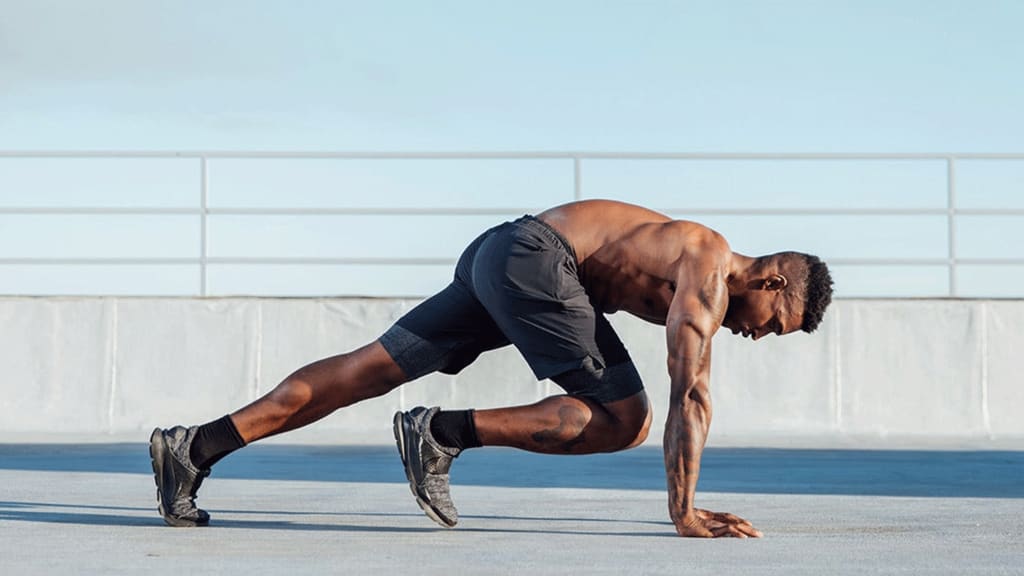
The Best Online Workout Programs You Should Try

Introduction

The Evolution of Online Workout Programs

Online workout programs have come a long way since their inception. What started as simple workout videos on DVDs has evolved into a multi-billion dollar industry offering a plethora of choices. The accessibility, variety, and convenience of online workouts have revolutionized the fitness industry, making it easier than ever to get in shape from the comfort of your home. Whether you’re a fitness novice or a seasoned athlete, there’s an online workout program designed just for you.

Benefits of Online Workout Programs

One of the biggest advantages of online workout programs is flexibility. You can work out whenever and wherever you want, without the constraints of gym hours. Additionally, online programs often offer a wide variety of workout styles, so you can switch up your routine to prevent boredom. These programs also allow you to work at your own pace, making them ideal for people of all fitness levels.

Section 1: Understanding Online Workout Programs

Picture Credit – iStock photo

What Are Online Workout Programs?

Online workout programs are structured fitness routines that you can access via the internet. These programs often include a combination of video workouts, live streams, and downloadable resources. They are designed to cater to various fitness goals, whether you’re looking to lose weight, build muscle, or simply stay active.

The Rise of Digital Fitness

The digital fitness industry has seen exponential growth in recent years, largely due to the increasing demand for convenient workout solutions. With the advent of high-speed internet and smart devices, accessing high-quality fitness content online has become easier than ever. The COVID-19 pandemic further accelerated this trend, as people sought alternatives to in-person gym sessions.

Key Features of Online Workout Programs

Online workout programs typically offer a range of features to enhance the user experience. These may include personalized workout plans, progress tracking, virtual coaching, and community support. Many platforms also offer flexibility in terms of workout length and intensity, allowing you to tailor your routine to your schedule and fitness level.

How Online Workout Programs Differ from Traditional Gym Workouts

While traditional gym workouts require you to be physically present at a gym, online workout programs allow you to exercise from anywhere. This convenience is a major draw for many people, especially those with busy schedules. Additionally, online programs often provide a more diverse range of workout options, from HIIT and yoga to dance and strength training.

Why People Choose Online Workout Programs

People opt for online workout programs for various reasons, including convenience, affordability, and variety. Unlike traditional gym memberships, which can be expensive and time-consuming, online programs often offer more flexible pricing and scheduling options. Additionally, the ability to work out from home eliminates the need for commuting, making it easier to fit exercise into a busy lifestyle.

Section 2: Types of Online Workout Programs

Subscription-Based Online Workout Programs

Subscription-based programs are among the most popular options for online fitness enthusiasts. These programs typically require a monthly or annual fee and provide access to a vast library of workouts. The subscription model allows for continuous updates and new content, ensuring that you always have fresh workouts to try.

One-Time Purchase Online Workout Programs

For those who prefer not to commit to a subscription, one-time purchase programs offer a great alternative. These programs usually come as downloadable content or DVD sets that you can access indefinitely. While they may not offer the same level of variety as subscription-based programs, they can be a cost-effective option for those who know what they want.

Live Streaming vs. On-Demand Classes

One of the key distinctions in online workout programs is whether they offer live streaming or on-demand classes. Live streaming classes provide real-time interaction with instructors and other participants, creating a more communal experience. On-demand classes, on the other hand, allow you to work out at your own convenience, with the ability to pause, rewind, or repeat workouts as needed.

Specialized Online Workout Programs (Yoga, Pilates, HIIT, etc.)

Specialized online workout programs cater to specific fitness interests, such as yoga, Pilates, HIIT, or dance. These programs are designed to target particular areas of the body or achieve specific fitness goals. For example, yoga and Pilates programs focus on flexibility and core strength, while HIIT programs are aimed at burning fat and improving cardiovascular health.

Free Online Workout Programs

Many online workout programs are available for free, offering a cost-effective way to stay fit. While these programs may not offer the same level of personalization or advanced features as paid options, they can still provide excellent workout routines. Popular platforms like YouTube host a wide variety of free workout videos from reputable fitness instructors.

Virtual Personal Training

Virtual personal training is an increasingly popular option for those seeking a more personalized fitness experience. These programs connect you with a certified trainer who creates a custom workout plan based on your goals, fitness level, and available equipment. Sessions are typically conducted via video calls, allowing for real-time feedback and adjustments.

Community-Based Online Workout Programs

Community-based online workout programs focus on creating a sense of camaraderie among participants. These programs often include forums, social media groups, and live chat features where users can share their progress, ask questions, and motivate each other. This sense of community can be a powerful motivator, helping you stay committed to your fitness goals.

Workout Programs for Beginners

Beginner-friendly online workout programs are designed to introduce new users to the basics of fitness. These programs typically offer low-impact exercises with clear instructions, making them accessible to people who are new to working out. Many beginner programs also include educational content on topics like proper form, nutrition, and goal setting.

Advanced Workout Programs

For seasoned athletes and fitness enthusiasts, advanced online workout programs provide challenging routines that push the limits of strength, endurance, and flexibility. These programs often include high-intensity workouts, complex movements, and advanced techniques. They are ideal for those looking to take their fitness to the next level.

Online Programs Focused on Weight Loss

Weight loss is a common goal for many people starting an online workout program. These programs are specifically designed to burn calories and shed fat through a combination of cardio, strength training, and HIIT exercises. Many also include nutritional guidance to help users achieve their weight loss goals more effectively.

Strength Training Online Programs

Strength training online programs focus on building muscle and increasing overall strength. These programs typically include a mix of weightlifting, resistance training, and bodyweight exercises. They may also provide guidance on proper form, progressive overload, and recovery strategies to maximize muscle growth.

Flexibility and Mobility Online Programs

Flexibility and mobility are crucial components of overall fitness, and online programs dedicated to these areas are becoming increasingly popular. These programs often include stretching routines, yoga, and Pilates exercises designed to improve range of motion, reduce stiffness, and prevent injury. They are suitable for all fitness levels and can be easily integrated into other workout routines.

Section 3: Top Online Workout Platforms

Peloton

Peloton is one of the most well-known names in the online fitness world. Initially famous for its high-end stationary bikes and interactive cycling classes, Peloton has expanded its offerings to include a wide range of workouts, from strength training to yoga. With live and on-demand classes, Peloton provides a comprehensive fitness solution that caters to all levels.

Beachbody On Demand

Beachbody On Demand is another popular platform that offers a vast library of workout programs. Known for its high-intensity programs like P90X and Insanity, Beachbody also offers options for yoga, Pilates, and dance. The platform provides a structured approach to fitness, with programs designed to deliver results in a specific time frame.

Daily Burn

Daily Burn is a versatile online workout platform that offers something for everyone. Whether you’re into cardio, strength training, yoga, or dance, Daily Burn has a program that fits your needs. The platform’s user-friendly interface and personalized recommendations make it easy to find the right workout for your fitness level and goals.

Alo Moves

Alo Moves specializes in yoga and mindfulness practices, offering a wide variety of classes that range from beginner to advanced levels. The platform also features Pilates, barre, and meditation classes, making it a well-rounded option for those looking to improve both their physical and mental well-being.

Glo

Glo is another platform focused on yoga, Pilates, and meditation. With classes led by world-renowned instructors, Glo offers a premium experience for those who want to deepen their practice. The platform also provides programs that cater to specific goals, such as stress relief, flexibility, and strength.

FitOn

FitOn is a free online workout platform that offers a wide variety of classes, including cardio, strength training, yoga, and dance. The platform is known for its celebrity trainers and high-energy workouts. FitOn also includes social features, allowing users to connect with friends and share their progress.

Obé Fitness

Obé Fitness stands out for its bright, colorful aesthetic and energetic classes. The platform offers live and on-demand workouts in a variety of styles, including cardio, strength, dance, and yoga. Obé also provides short, 10-minute workouts that are perfect for busy schedules.

Centr

Centr, founded by actor Chris Hemsworth, offers a holistic approach to fitness that includes workouts, meal plans, and mindfulness practices. The platform provides a variety of workout styles, from HIIT and boxing to yoga and strength training. Centr’s emphasis on overall wellness makes it a comprehensive fitness solution.

Nike Training Club

Nike Training Club is a free app that offers a wide range of workouts, from bodyweight exercises to yoga and strength training. The app features expert guidance from Nike trainers and allows users to create personalized workout plans. With its high-quality production and professional expertise, Nike Training Club is a top choice for fitness enthusiasts.

Les Mills On Demand

Les Mills On Demand offers high-energy group fitness classes that are perfect for those who love a good sweat session. The platform includes popular workouts like BodyPump, BodyCombat, and RPM, as well as options for yoga and mindfulness. Les Mills’ dynamic classes and motivating instructors make it a great option for those who thrive in a group fitness environment.

Tone It Up

Tone It Up is a community-driven fitness platform designed specifically for women. The platform offers a variety of workouts, including strength training, cardio, yoga, and Pilates. Tone It Up also provides nutrition guidance and a supportive community, making it a well-rounded option for those looking to improve their overall health and fitness.

P.volve

P.volve is a low-impact workout program that focuses on functional movements and body alignment. The program is designed to sculpt and tone muscles while improving mobility and reducing the risk of injury. P.volve’s unique approach to fitness makes it an excellent choice for those looking to improve their overall functional strength.

Myx Fitness

Myx Fitness is an online workout platform that offers a personalized approach to fitness. The platform’s signature product is a stationary bike, but it also offers a variety of other workout options, including strength training, yoga, and HIIT. Myx Fitness emphasizes heart rate-based training, ensuring that users work out at the right intensity for their fitness level.

Apple Fitness+

Apple Fitness+ is a subscription-based fitness service that integrates seamlessly with Apple devices. The platform offers a variety of workouts, including HIIT, yoga, strength training, and cycling. With top-notch instructors and high-quality production, Apple Fitness+ provides a premium fitness experience for Apple users.

Section 4: Choosing the Right Online Workout Program

Picture Credit – iStock photo

Assessing Your Fitness Goals

When choosing an online workout program, it’s important to start by assessing your fitness goals. Are you looking to lose weight, build muscle, increase flexibility, or improve overall fitness? Understanding your goals will help you narrow down your options and choose a program that aligns with what you want to achieve.

Budget Considerations

Budget is another crucial factor to consider when selecting an online workout program. Subscription-based programs can range from a few dollars a month to over a hundred dollars annually. Free programs and one-time purchase options are also available, offering a wide range of choices to fit different budgets.

Technical Requirements (Equipment, Internet Speed, etc.)

Before committing to an online workout program, it’s important to consider the technical requirements. Some programs may require specific equipment, such as dumbbells, resistance bands, or a stationary bike. Additionally, you’ll need a reliable internet connection, especially if you’re streaming live or on-demand classes.

Program Duration and Flexibility

The duration and flexibility of a program are also key considerations. Some programs offer short, 10-15 minute workouts, while others may require a commitment of 60 minutes or more. It’s important to choose a program that fits your schedule and allows for flexibility, especially if you have a busy lifestyle.

Instructor Credentials and Expertise

The quality of the instructors is another important factor to consider. Look for programs that feature certified trainers with expertise in the type of workout you’re interested in. Reading reviews and testimonials can also provide insight into the instructor’s teaching style and effectiveness.

Community Support and Engagement

Community support can be a powerful motivator when it comes to sticking with a fitness program. Many online workout platforms offer forums, social media groups, and live chat features that allow users to connect with others who share similar goals. Engaging with a supportive community can help you stay motivated and accountable.

Trial Periods and Free Versions

Many online workout programs offer trial periods or free versions, allowing you to test out the platform before committing. This is a great way to see if a program is a good fit for you without making a long-term financial commitment. Be sure to take advantage of these options when exploring different programs.

Section 5: Tips for Maximizing Your Online Workout Experience

Creating a Dedicated Workout Space

To get the most out of your online workout program, it’s important to create a dedicated workout space. This could be a spare room, a corner of your living room, or even an outdoor area. Having a designated space for exercise can help you stay focused and motivated during your workouts.

Staying Motivated and Consistent

Consistency is key when it comes to seeing results from your workout program. Set a regular workout schedule and stick to it as much as possible. If you’re struggling to stay motivated, try setting small, achievable goals, or consider joining an online fitness community for support and encouragement.

Tracking Your Progress

Tracking your progress is a great way to stay motivated and see how far you’ve come. Many online workout programs offer built-in progress tracking features, allowing you to log your workouts, monitor your performance, and celebrate your achievements. You can also keep a fitness journal to record your goals, challenges, and successes.

Engaging with the Online Community

One of the benefits of online workout programs is the opportunity to connect with others who share similar fitness goals. Engaging with the online community can provide additional motivation, accountability, and support. Participate in forums, join social media groups, and interact with other users to enhance your workout experience.

Incorporating Rest and Recovery

Rest and recovery are essential components of any fitness program. Be sure to schedule rest days into your workout routine to allow your body to recover and prevent injury. Incorporating activities like stretching, yoga, and meditation can also help with recovery and improve overall well-being.

Supplementing Online Workouts with Nutrition Plans

To achieve your fitness goals, it’s important to pair your workout program with a healthy diet. Many online workout platforms offer nutrition plans and guidance to complement your exercise routine. Consider following these plans or working with a nutritionist to create a balanced diet that supports your fitness goals.

Preventing Injury While Exercising at Home

Exercising at home comes with its own set of challenges, including the risk of injury. To prevent injury, make sure you’re using proper form during exercises, and consider investing in equipment like a yoga mat or resistance bands to provide support. If you’re unsure about a particular exercise, consult a certified trainer for guidance.

Section 6: Success Stories and Testimonials

Real-Life Transformations with Online Workout Programs

Many people have achieved incredible transformations with the help of online workout programs. From weight loss to muscle gain, these success stories serve as inspiration for others looking to improve their fitness. Hearing about real-life experiences can motivate you to stay committed to your own fitness journey.

Celebrity Endorsements and Success Stories

Celebrity endorsements have played a significant role in the popularity of online workout programs. Many celebrities, including actors, athletes, and influencers, have shared their fitness journeys and endorsed specific programs. These endorsements can add credibility to a program and inspire others to give it a try.

Testimonials from Everyday Users

Testimonials from everyday users provide valuable insights into the effectiveness of online workout programs. Reading about others’ experiences can help you determine whether a program is a good fit for your needs and goals. Look for testimonials that highlight both the pros and cons of the program to get a well-rounded perspective.

Case Studies of Online Fitness Programs

Case studies offer an in-depth look at how specific online fitness programs have helped individuals achieve their goals. These studies often include before-and-after photos, detailed descriptions of the participant’s experience, and analysis of the program’s impact on their fitness level. Case studies can be a powerful tool for understanding the potential benefits of a program.

Section 7: Future Trends in Online Fitness

The Impact of AI and Machine Learning on Online Fitness

Artificial intelligence (AI) and machine learning are set to revolutionize the online fitness industry. These technologies can be used to create personalized workout plans, provide real-time feedback, and track progress more accurately. As AI continues to evolve, we can expect to see even more innovative features in online workout programs.

Virtual Reality Workouts

Virtual reality (VR) is another exciting trend in the world of online fitness. VR workouts offer an immersive experience, allowing users to feel like they’re working out in a different environment, such as a beach or mountain trail. This technology can make workouts more engaging and enjoyable, helping users stay motivated.

The Growing Popularity of Hybrid Workout Models

Hybrid workout models, which combine online and in-person fitness experiences, are becoming increasingly popular. These models offer the convenience of online workouts with the added benefits of in-person coaching and social interaction. As fitness studios and gyms adapt to changing consumer preferences, we can expect to see more hybrid options available.

Wearable Technology and Online Fitness

Wearable technology, such as fitness trackers and smartwatches, is playing an increasingly important role in online fitness. These devices can monitor various aspects of your workout, including heart rate, calories burned, and steps taken. Integrating wearable technology with online workout programs allows for more accurate tracking and personalized recommendations.

The Role of Social Media in Shaping Online Fitness Trends

Social media continues to be a powerful force in shaping online fitness trends. Platforms like Instagram, YouTube, and TikTok are filled with fitness influencers who share workout routines, tips, and motivation with their followers. Social media also allows users to connect with others, share their progress, and participate in fitness challenges.

Picture Credit – iStock photo

Conclusion

Recap of Key Points

Online workout programs offer a convenient, flexible, and cost-effective way to stay fit. With a wide variety of options available, there’s something for everyone, regardless of fitness level or goals. Whether you prefer live classes, on-demand workouts, or specialized programs, the online fitness world has you covered.

Final Thoughts on Online Workout Programs

As the fitness industry continues to evolve, online workout programs are likely to become even more popular. The combination of convenience, variety, and community support makes these programs an excellent choice for anyone looking to improve their health and fitness. With so many options to choose from, it’s easier than ever to find a program that fits your needs.

Encouragement to Start Your Fitness Journey Today

There’s no better time than now to start your fitness journey. With the vast array of online workout programs available, you’re sure to find one that aligns with your goals and lifestyle. Take the first step today, and you’ll be on your way to a healthier, happier you.

WhatsApp Channel (Join Now) Join Now
Telegram Channel (Join Now) Join Now

Check More Article  posterify.net

Best Group Fitness Challenges for Team Motivation

Introduction

What Are Group Fitness Challenges?

Group fitness challenges are organized activities where individuals participate in fitness-related tasks as a team. These challenges are designed to promote physical activity, boost morale, and foster a sense of camaraderie among participants. Unlike individual fitness goals, group challenges focus on collective participation, encouraging team members to support and motivate each other.

These challenges can vary widely in scope and intensity, ranging from simple daily step counts to complex, multi-week workout regimens. The key element that defines group fitness challenges is the shared goal, which binds participants together and promotes teamwork.

Importance of Group Fitness in Team Motivation

Team motivation is a crucial factor in any organization’s success. Group fitness challenges can play a significant role in enhancing team motivation by creating a shared experience that everyone can engage in. When team members work together to achieve a common goal, they build stronger relationships, increase trust, and improve communication—all of which contribute to a more motivated and cohesive team.

The physical activity involved in these challenges also has direct benefits for mental and emotional well-being, which further boosts team motivation. Regular exercise is known to reduce stress, increase energy levels, and improve overall mood. When these benefits are experienced collectively, the positive impact on team motivation is even greater.

The Psychology Behind Fitness Challenges and Team Building

The psychological principles underlying fitness challenges and team building are rooted in social psychology and group dynamics. One of the key concepts is the idea of social facilitation, where individuals perform better when they are part of a group. The presence of others can enhance motivation and accountability, leading to improved performance.

Another important concept is the idea of a “challenge mindset.” When individuals perceive a task as a challenge rather than a threat, they are more likely to approach it with enthusiasm and determination. Group fitness challenges leverage this mindset by framing physical activity as a positive, shared experience that brings the team together.

Additionally, fitness challenges often involve goal setting, which is a powerful motivator. When team members set and work toward common goals, they experience a sense of accomplishment that boosts their confidence and strengthens their commitment to the team.

Benefits of Group Fitness Challenges for Corporate Teams

Group fitness challenges offer numerous benefits for corporate teams, including:

  • Improved Health and Wellbeing: Regular physical activity helps reduce the risk of chronic diseases, improves mental health, and increases overall energy levels.
  • Enhanced Team Collaboration: Working together on fitness challenges fosters communication, trust, and cooperation among team members.
  • Increased Productivity: Healthier, more motivated employees are often more productive and engaged in their work.
  • Stronger Organizational Culture: Group fitness challenges contribute to a positive workplace culture by promoting shared values of health, well-being, and teamwork.
  • Employee Retention and Satisfaction: Offering wellness programs, including fitness challenges, can improve employee satisfaction and reduce turnover rates.

Types of Group Fitness Challenges

Picture Credit – iStock

Physical Fitness Challenges

Cardio-Based Challenges

Cardio-based challenges focus on activities that raise the heart rate and improve cardiovascular endurance. These challenges are ideal for teams looking to increase their overall fitness levels through aerobic exercises. Examples of cardio-based challenges include:

  • Step Challenges: Participants aim to achieve a certain number of steps each day, tracked via pedometers or fitness apps.
  • Running or Walking Competitions: Teams compete to see who can cover the most distance over a set period, either individually or collectively.
  • Cycling Challenges: Team members cycle a certain distance, with the goal of reaching a cumulative total by the end of the challenge.

Cardio challenges are highly effective for improving cardiovascular health, increasing stamina, and burning calories. They can be easily adapted to different fitness levels, making them accessible to all team members.

Strength Training Challenges

Strength training challenges focus on building muscle and improving physical strength. These challenges can include activities like weightlifting, bodyweight exercises, and resistance training. Examples of strength training challenges include:

  • Push-Up Challenges: Participants aim to complete a certain number of push-ups each day, with variations for different fitness levels.
  • Weightlifting Competitions: Teams track the total weight lifted over a set period, either individually or as a group.
  • Bodyweight Circuits: Participants complete circuits of bodyweight exercises (e.g., squats, lunges, planks) to build strength and endurance.

Strength training challenges are excellent for improving muscle tone, increasing metabolism, and enhancing overall physical fitness. These challenges can be customized to suit the varying strength levels of team members.

Flexibility and Mobility Challenges

Flexibility and mobility challenges focus on improving range of motion, reducing muscle stiffness, and enhancing overall physical flexibility. These challenges often include activities like stretching, yoga, and Pilates. Examples of flexibility and mobility challenges include:

  • Daily Stretching Routines: Participants follow a guided stretching routine each day to improve flexibility and prevent injury.
  • Yoga Challenges: Teams engage in daily or weekly yoga sessions, focusing on different aspects of flexibility and mindfulness.
  • Mobility Workouts: Participants perform exercises that enhance joint mobility and reduce the risk of injury during other physical activities.

Flexibility and mobility challenges are crucial for maintaining overall physical health and preventing injuries. They are particularly beneficial for teams with varying fitness levels, as they can be easily modified to suit individual needs.

Mental and Emotional Wellness Challenges

Mindfulness and Meditation Challenges

Mindfulness and meditation challenges focus on improving mental clarity, reducing stress, and enhancing emotional well-being. These challenges typically involve daily mindfulness practices, guided meditations, and breathing exercises. Examples of mindfulness and meditation challenges include:

  • Daily Meditation Sessions: Participants engage in guided meditation sessions each day, focusing on different aspects of mindfulness.
  • Mindful Breathing Exercises: Teams practice mindful breathing techniques to reduce stress and increase focus.
  • Gratitude Journaling: Participants maintain a daily gratitude journal, reflecting on positive aspects of their lives and work.

Mindfulness and meditation challenges are highly effective for reducing stress, improving focus, and enhancing emotional well-being. These challenges can be easily integrated into the workday, making them accessible to all team members.

Mental Toughness Challenges

Mental toughness challenges focus on building resilience, improving focus, and enhancing overall mental strength. These challenges often involve activities that push participants out of their comfort zones and encourage them to develop a growth mindset. Examples of mental toughness challenges include:

  • Cold Exposure Challenges: Participants gradually increase their exposure to cold temperatures, such as cold showers or ice baths, to build mental toughness.
  • Endurance Challenges: Teams engage in physically demanding activities that require mental perseverance, such as long-distance running or hiking.
  • Goal-Setting Challenges: Participants set and work toward challenging personal or professional goals, building mental resilience in the process.

Mental toughness challenges are excellent for developing resilience, improving focus, and enhancing overall mental strength. These challenges can be tailored to suit the individual needs and goals of team members.

Stress Management Challenges

Stress management challenges focus on reducing stress and promoting relaxation. These challenges often involve activities like deep breathing, progressive muscle relaxation, and stress-relief exercises. Examples of stress management challenges include:

  • Progressive Muscle Relaxation: Participants practice progressive muscle relaxation techniques to reduce stress and tension in the body.
  • Guided Relaxation Sessions: Teams engage in guided relaxation sessions, focusing on different aspects of stress relief and relaxation.
  • Stress-Relief Challenges: Participants identify and implement strategies for reducing stress in their daily lives, such as time management techniques or mindfulness practices.

Stress management challenges are essential for maintaining overall mental and emotional well-being. These challenges can be easily integrated into the workday, making them accessible to all team members.

Hybrid Challenges

Combination of Physical and Mental Fitness

Hybrid challenges combine elements of both physical and mental fitness, providing a comprehensive approach to team well-being. These challenges often include a mix of physical activities, mindfulness practices, and mental toughness exercises. Examples of hybrid challenges include:

  • Mindful Movement Challenges: Participants engage in activities that combine physical movement with mindfulness practices, such as yoga or Tai Chi.
  • Holistic Wellness Programs: Teams participate in comprehensive wellness programs that include physical fitness, mental health, and emotional well-being components.
  • Adventure Challenges: Participants engage in outdoor activities that challenge both physical and mental fitness, such as hiking, rock climbing, or obstacle courses.

Hybrid challenges are highly effective for promoting overall well-being and team cohesion. These challenges can be customized to suit the varying fitness levels and goals of team members.

Virtual Fitness Challenges

Virtual fitness challenges are designed for teams that are working remotely or in different locations. These challenges often involve online platforms and apps that track participants’ progress and facilitate communication and competition. Examples of virtual fitness challenges include:

  • Virtual Step Challenges: Participants track their daily steps using fitness apps, with progress shared online in real-time.
  • Online Group Workouts: Teams participate in live or recorded workout sessions, either together or individually, from their respective locations.
  • Remote Fitness Competitions: Participants compete in various fitness challenges, such as running, cycling, or weightlifting, with results tracked and shared online.

Virtual fitness challenges are ideal for remote teams or organizations with employees in different locations. These challenges leverage technology to facilitate engagement and communication, ensuring that all team members can participate regardless of their location.

Competitive vs. Cooperative Challenges

Fitness challenges can be designed as either competitive or cooperative, depending on the goals and preferences of the team. Competitive challenges involve participants competing against each other to achieve the best results, while cooperative challenges focus on working together to achieve a common goal. Examples of competitive and cooperative challenges include:

  • Competitive Challenges: Participants compete to achieve the highest number of steps, lift the most weight, or complete the most workouts. These challenges are ideal for teams that thrive on friendly competition and individual achievement.
  • Cooperative Challenges: Teams work together to achieve a collective goal, such as reaching a cumulative step count or completing a group workout program. These challenges are ideal for teams that value collaboration and mutual support.

Both competitive and cooperative challenges have their own unique benefits, and the choice between the two will depend on the team’s goals and dynamics.


Setting Up a Group Fitness Challenge

Picture Credit – iStock

Identifying the Goals and Objectives

The first step in setting up a group fitness challenge is identifying the goals and objectives. This involves understanding the needs and preferences of the team, as well as the desired outcomes of the challenge. Key considerations include:

  • Team Fitness Levels: Assess the current fitness levels of the team to determine the appropriate level of difficulty for the challenge.
  • Team Motivation: Understand what motivates the team and what types of challenges they are likely to engage with.
  • Desired Outcomes: Define the specific outcomes you want to achieve, such as improved fitness, enhanced team collaboration, or reduced stress.
  • Timeline: Determine the appropriate timeline for the challenge, considering factors such as the availability of team members and the time required to achieve the desired outcomes.

By clearly defining the goals and objectives, you can create a fitness challenge that is tailored to the needs of your team and more likely to achieve the desired results.

Selecting the Right Challenge for Your Team

Once the goals and objectives have been identified, the next step is selecting the right challenge for your team. This involves choosing a challenge that aligns with the team’s fitness levels, preferences, and goals. Key considerations include:

  • Type of Challenge: Decide whether to focus on physical fitness, mental wellness, or a combination of both. Consider the team’s interests and the specific outcomes you want to achieve.
  • Level of Difficulty: Choose a challenge that is appropriately challenging for the team, but not so difficult that it becomes discouraging.
  • Duration: Select a challenge with a timeline that fits the team’s availability and the desired outcomes. Shorter challenges may be more engaging, while longer challenges may provide more significant results.
  • Format: Decide whether the challenge will be competitive or cooperative, and whether it will be conducted in person or virtually.

By selecting a challenge that is well-suited to your team’s needs and preferences, you can increase the likelihood of participation and success.

Creating a Balanced Fitness Challenge Program

A balanced fitness challenge program includes a variety of activities that target different aspects of fitness and well-being. This ensures that the challenge is engaging and provides comprehensive benefits for the team. Key considerations for creating a balanced program include:

  • Variety of Activities: Include a mix of cardio, strength, flexibility, and mental wellness activities to ensure that all aspects of fitness are addressed.
  • Progression: Design the challenge so that it gradually increases in difficulty over time, allowing participants to build their fitness levels and confidence.
  • Rest and Recovery: Incorporate rest days and recovery activities to prevent burnout and reduce the risk of injury.
  • Customization: Allow for flexibility in the program so that participants can adjust the activities to suit their individual fitness levels and preferences.

By creating a balanced fitness challenge program, you can ensure that the challenge is both effective and enjoyable for all participants.

Tools and Platforms for Managing Group Fitness Challenges

Managing a group fitness challenge requires the right tools and platforms to track progress, facilitate communication, and engage participants. Key considerations for selecting tools and platforms include:

  • Fitness Apps: Choose a fitness app that allows participants to track their progress, set goals, and connect with teammates. Popular options include Fitbit, Strava, and MyFitnessPal.
  • Communication Platforms: Use communication platforms like Slack, Microsoft Teams, or Zoom to keep participants informed and engaged throughout the challenge.
  • Leaderboards and Progress Tracking: Consider using platforms that offer leaderboards and progress tracking to encourage friendly competition and motivate participants.
  • Incentives and Rewards: Use tools that allow you to track and reward participation, such as gift cards, wellness incentives, or recognition in team meetings.

By using the right tools and platforms, you can effectively manage the group fitness challenge and ensure that participants stay engaged and motivated.


Designing Effective Group Fitness Challenges

Customizing Challenges for Different Fitness Levels

One of the key factors in designing an effective group fitness challenge is ensuring that it is accessible to participants of all fitness levels. This involves customizing the challenge so that it is challenging yet achievable for everyone. Key considerations include:

  • Scalable Activities: Choose activities that can be scaled up or down in intensity, allowing participants to adjust the challenge to their fitness level. For example, a push-up challenge can be modified to include knee push-ups or wall push-ups for beginners.
  • Alternative Options: Provide alternative activities for participants who may have physical limitations or injuries. For example, participants with knee issues might opt for swimming instead of running.
  • Support and Encouragement: Foster a supportive environment where participants feel comfortable adjusting the challenge to suit their needs. Encourage team members to support and motivate each other, regardless of fitness level.

By customizing challenges for different fitness levels, you can ensure that all participants feel included and motivated to participate.

Incorporating Team Roles and Responsibilities

Incorporating team roles and responsibilities into the fitness challenge can enhance engagement and foster a sense of ownership among participants. Key considerations include:

  • Team Leaders: Appoint team leaders who are responsible for organizing activities, tracking progress, and motivating team members. These leaders can play a crucial role in maintaining momentum and ensuring that everyone stays on track.
  • Buddy Systems: Pair participants with a “fitness buddy” who provides support, encouragement, and accountability throughout the challenge. This can help build stronger relationships and increase motivation.
  • Rotating Responsibilities: Consider rotating roles and responsibilities so that all participants have the opportunity to lead and contribute to the challenge. This can help keep the challenge fresh and engaging for everyone.

By incorporating team roles and responsibilities, you can create a more engaging and collaborative fitness challenge.

Utilizing Technology and Apps for Engagement

Technology and apps can play a crucial role in enhancing engagement and tracking progress in group fitness challenges. Key considerations include:

  • Fitness Trackers: Encourage participants to use fitness trackers or apps to monitor their progress, set goals, and stay motivated. Popular options include Fitbit, Apple Watch, and Garmin.
  • Virtual Leaderboards: Use virtual leaderboards to track progress and encourage friendly competition among participants. Leaderboards can be shared via apps, email, or communication platforms like Slack.
  • Gamification: Consider incorporating gamification elements, such as badges, points, or challenges, to increase engagement and motivation. Many fitness apps offer built-in gamification features that can be customized for your challenge.
  • Social Media Integration: Encourage participants to share their progress on social media, either through a dedicated hashtag or within a private group. This can help build a sense of community and increase accountability.

By utilizing technology and apps, you can enhance engagement and ensure that participants stay motivated throughout the challenge.

Setting Realistic Timeframes and Goals

Setting realistic timeframes and goals is essential for the success of a group fitness challenge. This involves balancing the challenge’s difficulty with the team’s availability and fitness levels. Key considerations include:

  • Time Commitment: Ensure that the challenge’s time commitment is reasonable and fits within the team’s schedule. Consider the team’s workload, personal commitments, and availability when setting the challenge’s duration.
  • Achievable Goals: Set goals that are challenging yet achievable for participants. Consider using SMART (Specific, Measurable, Achievable, Relevant, Time-bound) goals to ensure that the challenge is well-structured and attainable.
  • Milestones: Break the challenge down into smaller milestones or checkpoints, allowing participants to track their progress and celebrate their achievements along the way.
  • Flexibility: Allow for flexibility in the challenge’s timeline and goals, so that participants can adjust their pace or take breaks as needed.

By setting realistic timeframes and goals, you can ensure that the challenge is both effective and sustainable for participants.


Examples of Successful Group Fitness Challenges

Corporate Fitness Challenges

30-Day Step Challenge

The 30-Day Step Challenge is a popular corporate fitness challenge that encourages participants to increase their daily step count over the course of a month. Participants track their steps using fitness apps or pedometers, with the goal of reaching a cumulative step count by the end of the challenge.

  • How It Works: Participants set a daily step goal (e.g., 10,000 steps) and track their progress throughout the month. The challenge can be competitive, with participants competing to achieve the highest step count, or cooperative, with teams working together to reach a collective goal.
  • Benefits: The 30-Day Step Challenge is easy to implement, accessible to participants of all fitness levels, and encourages regular physical activity. It can also be adapted for remote teams by using virtual tracking tools.
  • Success Tips: Encourage participants to take walking meetings, use stairs instead of elevators, and incorporate more physical activity into their daily routines. Provide incentives for reaching milestones, such as gift cards or wellness rewards.

The 30-Day Step Challenge is a simple yet effective way to promote physical activity and team engagement in the workplace.

Weekly Workout Bingo

Weekly Workout Bingo is a fun and engaging fitness challenge that combines physical activity with a game of bingo. Participants complete various workouts to fill in their bingo cards, with the goal of achieving a “bingo” by the end of the week.

  • How It Works: Each participant receives a bingo card with different workout activities in each square (e.g., 10 push-ups, 15-minute walk, 20 squats). Participants complete the activities and mark off the corresponding squares. The first participant to achieve a bingo (a complete row, column, or diagonal) wins a prize.
  • Benefits: Weekly Workout Bingo adds an element of fun and competition to the fitness challenge, making it more engaging for participants. It also encourages participants to try a variety of different exercises, promoting overall fitness.
  • Success Tips: Customize the bingo cards to include activities that suit the team’s fitness levels and preferences. Consider offering different levels of difficulty (e.g., beginner, intermediate, advanced) to accommodate all participants.

Weekly Workout Bingo is a creative and interactive way to promote fitness and team engagement in the workplace.

Team-Based Running or Walking Competitions

Team-based running or walking competitions are group fitness challenges where participants work together to cover a certain distance or achieve a specific goal. These competitions can be held over a set period, such as a week or month, and can be customized to suit the team’s fitness levels.

  • How It Works: Teams of participants compete to see who can cover the most distance over a set period. The competition can be structured as a relay race, with each team member contributing to the total distance, or as a cumulative challenge, where the team’s total distance is tracked.
  • Benefits: Team-based running or walking competitions promote physical activity, teamwork, and friendly competition. They can also be adapted for remote teams by using virtual tracking tools.
  • Success Tips: Encourage team members to support and motivate each other throughout the competition. Provide regular updates on the team’s progress and celebrate achievements along the way.

Team-based running or walking competitions are a great way to promote fitness and team collaboration in the workplace.

Fitness Challenges for Remote Teams

Virtual Step Challenges

Virtual step challenges are group fitness challenges designed for remote teams. Participants track their daily steps using fitness apps or pedometers, with progress shared online in real-time. The goal is to encourage regular physical activity and foster a sense of connection among remote team members.

  • How It Works: Participants track their steps using fitness apps like Fitbit, Google Fit, or Apple Health. The challenge can be structured as a competitive or cooperative activity, with participants either competing to achieve the highest step count or working together to reach a collective goal.
  • Benefits: Virtual step challenges are accessible to all team members, regardless of location. They encourage regular physical activity and provide a platform for team members to connect and engage with each other.
  • Success Tips: Use virtual leaderboards to track progress and encourage friendly competition. Consider offering incentives or rewards for reaching milestones, such as wellness gift cards or recognition in team meetings.

Virtual step challenges are an effective way to promote fitness and team engagement among remote teams.

Online Group Workouts

Online group workouts are fitness challenges where participants engage in live or recorded workout sessions, either together or individually, from their respective locations. These workouts can include activities like yoga, HIIT, or strength training and can be customized to suit the team’s fitness levels.

  • How It Works: Participants join live or recorded workout sessions via video conferencing platforms like Zoom or Teams. The workouts can be led by a professional instructor or a team member, and can be tailored to the team’s preferences and fitness levels.
  • Benefits: Online group workouts provide a structured and social way for remote teams to stay active. They also offer an opportunity for team members to connect and engage with each other in a non-work setting.
  • Success Tips: Schedule workouts at convenient times for all participants, considering time zone differences. Encourage team members to share their workout experiences and progress with each other.

Online group workouts are a great way to promote fitness and team engagement among remote teams.

Social Media Fitness Campaigns

Social media fitness campaigns are challenges where participants share their fitness progress and achievements on social media platforms. These campaigns can include activities like daily workouts, fitness tips, or progress photos, and can be customized to suit the team’s preferences and goals.

  • How It Works: Participants use a dedicated hashtag or private group to share their fitness progress and achievements on social media platforms like Instagram, Facebook, or LinkedIn. The challenge can be structured as a competitive or cooperative activity, with participants either competing for the most likes or working together to achieve a collective goal.
  • Benefits: Social media fitness campaigns promote accountability and motivation by encouraging participants to share their progress with others. They also provide a platform for team members to connect and engage with each other, regardless of location.
  • Success Tips: Encourage participants to share their progress regularly and to support and motivate each other through likes, comments, and positive feedback. Consider offering incentives or rewards for the most engaging posts or the most progress made.

Social media fitness campaigns are a creative and interactive way to promote fitness and team engagement among remote teams.

Community and Social Fitness Challenges

Picture Credit – iStock

Charity-Based Fitness Challenges

Charity-based fitness challenges are group fitness challenges where participants raise money for a charitable cause through physical activity. These challenges can include activities like runs, walks, or bike rides, and can be customized to suit the team’s fitness levels and preferences.

  • How It Works: Participants raise money for a charitable cause by completing a physical activity challenge, such as a 5K run, a 100-mile bike ride, or a month-long step challenge. The challenge can be structured as a competitive or cooperative activity, with participants either competing to raise the most money or working together to achieve a collective fundraising goal.
  • Benefits: Charity-based fitness challenges promote physical activity while also supporting a good cause. They also provide an opportunity for team members to connect and engage with each other while making a positive impact in the community.
  • Success Tips: Choose a charitable cause that resonates with the team and encourage participants to share their fundraising progress with others. Consider offering incentives or rewards for the most money raised or the most progress made.

Charity-based fitness challenges are a great way to promote fitness, team engagement, and social responsibility in the workplace.

Local Community Fitness Events

Local community fitness events are group fitness challenges where participants engage in physical activity as part of a larger community event. These events can include activities like charity runs, fitness festivals, or outdoor workout classes, and can be customized to suit the team’s fitness levels and preferences.

  • How It Works: Participants join a local community fitness event, such as a charity run, a fitness festival, or an outdoor workout class. The challenge can be structured as a competitive or cooperative activity, with participants either competing for the best time or working together to achieve a collective goal.
  • Benefits: Local community fitness events promote physical activity while also providing an opportunity for team members to connect and engage with others in their community. They also offer a platform for team members to showcase their fitness achievements and support a good cause.
  • Success Tips: Choose a local community fitness event that aligns with the team’s fitness levels and preferences. Encourage participants to support and motivate each other throughout the event and to share their progress with others.

Local community fitness events are a great way to promote fitness, team engagement, and community involvement in the workplace.

Online Fitness Communities and Challenges

Online fitness communities and challenges are group fitness challenges where participants join a virtual community of like-minded individuals who share similar fitness goals. These communities can include activities like daily workouts, fitness tips, or progress tracking, and can be customized to suit the team’s fitness levels and preferences.

  • How It Works: Participants join an online fitness community, such as a Facebook group, a fitness app, or a dedicated website, where they can share their fitness progress, participate in challenges, and connect with others. The challenge can be structured as a competitive or cooperative activity, with participants either competing for the most progress or working together to achieve a collective goal.
  • Benefits: Online fitness communities and challenges provide a supportive and motivating environment for participants to achieve their fitness goals. They also offer a platform for team members to connect and engage with others, regardless of location.
  • Success Tips: Encourage participants to share their progress regularly and to support and motivate each other through likes, comments, and positive feedback. Consider offering incentives or rewards for the most progress made or the most engaging posts.

Online fitness communities and challenges are a great way to promote fitness and team engagement among remote teams.


Conclusion

Group fitness challenges are an effective way to promote physical activity, mental wellness, and team engagement in the workplace. Whether your team is working in person or remotely, there are a variety of fitness challenges that can be customized to suit your team’s needs and goals. By setting clear objectives, selecting the right challenge, and utilizing technology and apps for engagement, you can create a successful and sustainable fitness challenge that benefits both individual participants and the team as a whole.

WhatsApp Channel (Join Now) Join Now
Telegram Channel (Join Now) Join Now

Check More Article  posterify.net

PlayStation Portal Review: Top Features & Pricing

Introduction

Brief Overview of PlayStation Portal Remote Player

The PlayStation Portal Remote Player is Sony’s latest innovation in the gaming world, designed to revolutionize the way gamers interact with their PlayStation consoles. Launched with much anticipation, this device is crafted to offer a seamless remote gaming experience, allowing players to enjoy their favorite titles on an 8-inch LCD display, no matter where they are. With the increasing demand for mobility in gaming, the PlayStation Portal Remote Player is set to become a pivotal tool for gamers who seek flexibility without compromising on quality.

Importance of PlayStation Portal in the Gaming Industry

In an era where gaming is not just a hobby but a significant cultural and economic force, the PlayStation Portal Remote Player stands out as a key player in advancing remote gaming technology. It caters to the growing segment of gamers who prefer playing on the go, without being tethered to a console or TV screen. By bridging the gap between handheld gaming devices and traditional consoles, the PlayStation Portal is not just another gadget—it’s a symbol of the future of gaming. Its launch signifies Sony’s commitment to innovation and its understanding of the evolving needs of the global gaming community.

Purpose of the Article

This article aims to provide an in-depth exploration of the PlayStation Portal Remote Player, covering everything from its features and pricing to its impact on the gaming industry. Whether you’re a casual gamer, a hardcore enthusiast, or simply someone interested in the latest tech trends, this comprehensive guide will equip you with all the information you need to understand what makes the PlayStation Portal Remote Player a game-changer.


Understanding PlayStation Portal Remote Player

Picture Credit – YouTube SpawnPoiint

What is the PlayStation Portal Remote Player?

The PlayStation Portal Remote Player is a handheld device designed by Sony to enable remote play of PlayStation games. This device connects to your PlayStation console over Wi-Fi, allowing you to stream and play games directly on its 8-inch LCD screen. Unlike traditional handheld consoles, the PlayStation Portal is not a standalone gaming device; instead, it acts as a bridge between your console and the portable gaming experience, providing access to your PlayStation library without needing to be in front of your TV.

Key Features of the PlayStation Portal Remote Player

The PlayStation Portal comes packed with features that cater to both casual and hardcore gamers. These include:

  • 8-Inch LCD Display: Offers a bright, crisp display with a resolution that brings your games to life, even on a smaller screen.
  • Remote Play Compatibility: Seamlessly connects with your PlayStation console to stream games over a Wi-Fi connection.
  • Ergonomic Design: Designed for comfort during extended gaming sessions, with intuitive controls that mirror those of the DualSense controller.
  • Long Battery Life: Ensures that you can game for hours without needing to recharge frequently.
  • High-Quality Audio: Provides an immersive audio experience, with support for wireless headphones and built-in speakers.

The 8-Inch LCD Display: A Game-Changer

The standout feature of the PlayStation Portal is undoubtedly its 8-inch LCD display. This screen is specifically designed to deliver high-quality visuals, even when playing graphically intensive games. The display supports a wide color gamut, offering vibrant and true-to-life colors, which enhances the overall gaming experience. Whether you’re exploring vast open worlds or engaging in fast-paced action, the clarity and responsiveness of the screen make the PlayStation Portal a pleasure to use.

Comparing PlayStation Portal with Other Remote Gaming Devices

When compared to other remote gaming devices on the market, the PlayStation Portal Remote Player stands out due to its seamless integration with the PlayStation ecosystem. Unlike generic streaming devices, the Portal is tailored specifically for PlayStation consoles, ensuring a smoother, more intuitive experience. Its direct competition might include devices like the Nintendo Switch for its portability or the Steam Deck for its performance. However, the PlayStation Portal carves out its niche by focusing on enhancing the PlayStation experience rather than competing as an all-in-one gaming device.


The Launch of PlayStation Portal in India

Overview of the Launch Event

The PlayStation Portal Remote Player was launched in India with much fanfare, reflecting the growing importance of the Indian market for global tech companies. The launch event, which was streamed live, featured presentations from Sony executives who highlighted the device’s key features and its potential impact on the gaming community. The event also included demonstrations of the PlayStation Portal in action, showcasing its capabilities in real-world scenarios.

Significance of the Indian Market for PlayStation

India is rapidly emerging as a key market for gaming, with millions of gamers eager to embrace the latest technologies. The launch of the PlayStation Portal in India underscores Sony’s recognition of this trend and its commitment to catering to Indian consumers. With a young and tech-savvy population, India presents a lucrative opportunity for PlayStation to expand its footprint and introduce innovative products like the Portal, which cater to the growing demand for portable and flexible gaming solutions.

Initial Reception and Consumer Response in India

The initial reception of the PlayStation Portal Remote Player in India has been overwhelmingly positive. Gamers and tech enthusiasts alike have praised the device for its high-quality display, ease of use, and the freedom it offers to play PlayStation games anywhere in the home. Social media buzz and early reviews indicate that the device is likely to be a hit among Indian consumers, especially those who are already invested in the PlayStation ecosystem.


Price Analysis

Price of PlayStation Portal Remote Player in India

The PlayStation Portal Remote Player is priced competitively in India, aligning with Sony’s strategy to make premium gaming experiences more accessible to a broader audience. The exact price may vary depending on the retailer and any ongoing promotions, but it is generally positioned within the mid-to-high-end range of gaming accessories.

How the Price Compares to Global Markets

When comparing the price of the PlayStation Portal Remote Player in India to other global markets, it is clear that Sony has taken into account local economic conditions. In many cases, the device is priced slightly lower in India than in Western markets, reflecting the company’s effort to balance affordability with profitability. This pricing strategy is crucial for capturing a larger market share in a price-sensitive market like India.

Factors Influencing the Pricing in India

Several factors influence the pricing of the PlayStation Portal Remote Player in India, including:

  • Import Duties and Taxes: India imposes various taxes and duties on electronic goods, which can affect the final retail price.
  • Currency Exchange Rates: Fluctuations in the value of the Indian Rupee against the US Dollar or Euro can impact pricing.
  • Market Demand: High demand for gaming products in India may allow for competitive pricing, but it also requires careful market analysis to avoid pricing the device out of reach for average consumers.

Is the Price Justified? A Cost-Benefit Analysis

Considering the features and capabilities of the PlayStation Portal Remote Player, the price appears to be justified. The device offers a premium gaming experience with a high-quality display, ergonomic design, and seamless integration with the PlayStation ecosystem. While it may be more expensive than some generic alternatives, the value it provides—especially for dedicated PlayStation users—makes it a worthwhile investment.


In-Depth Look at Features

Display Quality and Performance

The PlayStation Portal Remote Player’s 8-inch LCD display is one of its most talked-about features. The screen delivers sharp, vibrant visuals with excellent color accuracy, making it ideal for all types of games. Whether you’re navigating through dark, atmospheric environments or enjoying colorful platformers, the display enhances the experience with its bright and detailed output.

Battery Life and Charging Capabilities

Battery life is a critical aspect of any portable device, and the PlayStation Portal Remote Player does not disappoint. The device is equipped with a long-lasting battery that can support extended gaming sessions without needing frequent recharges. Additionally, it features fast-charging capabilities, so you can get back to your game quickly after plugging it in.

Connectivity Options and Compatibility

The PlayStation Portal is designed to be highly compatible with various PlayStation consoles, from the PS4 to the latest PS5. It connects wirelessly via Wi-Fi, ensuring a stable and responsive connection for remote play. The device also supports Bluetooth connectivity, allowing you to use wireless headphones or other accessories for a more immersive experience.

User Interface and Ease of Use

The user interface of the PlayStation Portal is intuitive and user-friendly, making it accessible to gamers of all skill levels. The layout is similar to that of the PlayStation console, so users will feel right at home navigating through menus and settings. The touch controls are responsive, and the device supports customization options to tailor the experience to individual preferences.

Design and Ergonomics

Sony has clearly prioritized comfort in the design of the PlayStation Portal Remote Player. The device features an ergonomic layout that fits comfortably in the hands, even during extended gaming sessions. The buttons and controls are strategically placed for easy access, reducing the strain on your hands and fingers.

Audio Quality and Integration with Headphones

The PlayStation Portal delivers impressive audio quality, whether you’re using the built-in speakers or connecting headphones via Bluetooth. The sound is clear and immersive, adding to the overall gaming experience. The device supports various audio profiles, so you can adjust the sound to your liking, whether you’re playing an intense action game or a relaxing puzzle.

Built-in Controls and Customization Options

The PlayStation Portal comes with built-in controls that are similar to those found on the DualSense controller, including adaptive triggers and haptic feedback. These features enhance the gaming experience by providing more tactile feedback and a greater sense of immersion. Additionally, the device allows for extensive customization of controls, so you can set up the layout and sensitivity to match your playstyle.

Security Features and Parental Controls

Security is a key concern for any internet-connected device, and the PlayStation Portal Remote Player includes several features to keep your data safe. These include encrypted connections, secure login procedures, and the ability to set up multiple user profiles with different access levels. Parents can also take advantage of robust parental controls to restrict access to certain games or features, ensuring that the device is safe for younger users.


Performance Review

Picture Credit – YouTube SpawnPoiint

Gaming Experience on PlayStation Portal

The PlayStation Portal Remote Player delivers a gaming experience that rivals that of playing on a traditional console. The device is responsive, with minimal input lag, allowing you to enjoy fast-paced games without any noticeable delay. The combination of the high-quality display, ergonomic design, and built-in controls makes gaming on the Portal both comfortable and engaging.

Speed and Responsiveness of the Remote Play

Remote play is where the PlayStation Portal truly shines. The device is optimized for speed and responsiveness, ensuring that your inputs are quickly and accurately translated to the game. This is particularly important for games that require precise timing, such as first-person shooters or fighting games, where even a slight delay can make a significant difference.

Comparing the Performance with Traditional Consoles

While the PlayStation Portal Remote Player cannot fully replicate the experience of playing on a high-end console with a large 4K TV, it comes remarkably close. The performance is smooth, and the graphical fidelity is impressive, especially considering the device’s portable nature. For gamers who value mobility, the slight trade-offs in performance are more than compensated by the convenience and flexibility the Portal offers.

Streaming Quality and Latency Issues

Streaming quality is a critical factor for remote gaming, and the PlayStation Portal Remote Player performs well in this regard. The device supports high-definition streaming, with minimal artifacts or compression issues. Latency is kept to a minimum, thanks to the optimized Wi-Fi connectivity, ensuring that your gaming experience remains smooth and enjoyable even when playing over a distance.


Target Audience

Who is the PlayStation Portal Remote Player For?

The PlayStation Portal Remote Player is designed for a wide range of gamers, from casual players who enjoy gaming in short bursts to hardcore enthusiasts who want to stay connected to their PlayStation library wherever they are. It’s also ideal for gamers who share their living space with others and need a portable solution to continue playing without monopolizing the main TV.

Benefits for Casual vs. Hardcore Gamers

For casual gamers, the PlayStation Portal offers an easy-to-use, portable option for gaming that doesn’t require a significant investment of time or space. Hardcore gamers, on the other hand, will appreciate the device’s advanced features and the ability to continue playing their favorite titles without interruption, even when away from their console.

Suitability for Families and Shared Households

In households where multiple people share a single gaming console, the PlayStation Portal Remote Player is a valuable addition. It allows different family members to play their games without needing to take turns on the main TV. The device’s portability and ease of use make it accessible to all members of the household, regardless of age or gaming experience.

Appeal to Mobile Gamers and Tech Enthusiasts

For mobile gamers who are accustomed to playing on smartphones or tablets, the PlayStation Portal Remote Player offers a superior gaming experience, with better controls and a more immersive display. Tech enthusiasts will also find plenty to appreciate, from the device’s cutting-edge technology to its sleek design and innovative features.


The Impact of PlayStation Portal on the Gaming Market

How PlayStation Portal is Changing Remote Gaming

The introduction of the PlayStation Portal Remote Player marks a significant shift in the remote gaming landscape. By offering a device specifically tailored to PlayStation users, Sony is setting a new standard for what remote gaming can be. The Portal’s success could pave the way for more specialized devices that cater to the needs of specific gaming communities, further diversifying the market.

Influence on Competitors and the Broader Market

The PlayStation Portal is likely to influence competitors in the gaming industry, prompting them to develop similar devices or enhance their existing offerings. Companies like Microsoft, Nintendo, and others will need to consider how to respond to this new entry into the market, either by improving their remote play solutions or by introducing new hardware that can compete with the Portal.

Future Trends in Remote Gaming Devices

The success of the PlayStation Portal could signal the beginning of a new era in gaming, where remote play becomes the norm rather than the exception. Future trends may include more powerful portable devices, advancements in streaming technology, and greater integration between different gaming platforms. As the gaming industry continues to evolve, the PlayStation Portal Remote Player is likely to be remembered as one of the key innovations that shaped the future of gaming.


Consumer Feedback and Reviews

Summary of Early User Reviews

Early reviews of the PlayStation Portal Remote Player have been largely positive, with users praising the device for its high-quality display, comfortable design, and smooth performance. Many gamers have noted that the Portal provides a gaming experience that is remarkably close to playing on a full-sized console, making it a valuable addition to their gaming setup.

Common Praises and Complaints

Common praises include the device’s ergonomic design, long battery life, and the ease with which it connects to PlayStation consoles. However, some users have pointed out that the PlayStation Portal is heavily dependent on a strong Wi-Fi connection, and performance can suffer in areas with poor network coverage. Additionally, while the device is well-suited for remote play, it lacks the versatility of other portable gaming devices, which might be a downside for some gamers.

How Consumer Feedback Might Influence Future Updates

Sony is known for taking user feedback seriously, and it’s likely that early reviews of the PlayStation Portal will influence future updates and iterations of the device. Potential areas for improvement could include enhanced connectivity options, additional customization features, and possibly even expanded compatibility with non-PlayStation games or services.


How to Set Up and Use the PlayStation Portal Remote Player

Picture Credit – YouTube SpawnPoiint

Unboxing and Initial Setup

Setting up the PlayStation Portal Remote Player is a straightforward process. Upon unboxing, you’ll find the device, a charging cable, and a quick start guide. The first step is to chargethe device fully before powering it on. Once charged, follow the on-screen instructions to connect the PlayStation Portal to your Wi-Fi network and pair it with your PlayStation console. The setup process is designed to be intuitive, with prompts guiding you through each step to ensure a smooth and hassle-free experience.

Connecting to a PlayStation Console

After the initial setup, the PlayStation Portal needs to be connected to your PlayStation console for remote play. This is done through the device’s settings menu, where you’ll enter the credentials for your PlayStation Network account. The Portal will search for your console and establish a secure connection. Once connected, you can access your game library and start playing directly from the Portal.

Configuring the Display and Settings

The PlayStation Portal allows you to adjust various display settings to optimize your gaming experience. You can configure brightness, contrast, and color settings according to your preferences. Additionally, the device offers options for adjusting the resolution and refresh rate to match your gaming needs. These settings ensure that you get the best possible visual experience, whether you’re playing a high-definition blockbuster or a simpler, more casual game.

Troubleshooting Common Issues

While the PlayStation Portal is designed to provide a seamless experience, you may encounter occasional issues. Common problems include connectivity issues, performance lag, or problems with the display. To troubleshoot these issues:

  • Connectivity Problems: Ensure that your Wi-Fi network is functioning properly and that the device is within range. You may also need to check your PlayStation console’s network settings.
  • Performance Lag: If you experience lag, try reducing the graphical settings on your console or ensure that no other devices are using excessive bandwidth on your network.
  • Display Issues: Adjust the display settings or restart the device if you notice problems with the screen. If the issue persists, consult the user manual or contact customer support for assistance.

Alternatives to PlayStation Portal

Overview of Other Remote Play Devices

The PlayStation Portal Remote Player is not the only device available for remote gaming. Several other devices offer similar functionality, though they each come with their own strengths and weaknesses. Notable alternatives include:

  • Nintendo Switch: Known for its versatility, the Nintendo Switch allows for both portable and console gaming. While it doesn’t directly compete with the PlayStation Portal in terms of remote play, it offers a similar experience in terms of portability.
  • Steam Deck: A powerful handheld gaming device that runs PC games via Steam. It’s a strong competitor in terms of performance and versatility but lacks the PlayStation-specific features of the Portal.
  • GPD Win 3: A portable gaming PC with a slide-out keyboard. It provides a high level of performance but is bulkier compared to the PlayStation Portal.

Pros and Cons Compared to PlayStation Portal

Each of these alternatives has its own set of advantages and disadvantages when compared to the PlayStation Portal:

  • Nintendo Switch: Pros include its flexibility and exclusive games, but it doesn’t offer the same level of integration with PlayStation consoles.
  • Steam Deck: Offers high performance and extensive game library, but it is larger and more expensive than the PlayStation Portal.
  • GPD Win 3: Provides robust performance for PC games but is less portable and more expensive than the Portal.

Why Some Gamers Might Choose Alternatives

Gamers might choose alternatives based on their specific needs and preferences. For example, those who prefer PC gaming might find the Steam Deck more suitable, while those who value the Nintendo game library might opt for the Switch. The choice of device often depends on the type of games a person plays, their preferred gaming platform, and their budget.


Buying Guide

Where to Purchase PlayStation Portal in India

The PlayStation Portal Remote Player is available through various retailers in India, including online stores like Amazon and Flipkart, as well as physical electronics and gaming stores. It’s also available at Sony’s official stores and authorized resellers. When purchasing, it’s important to ensure that you’re buying from a reputable source to avoid counterfeit products.

Tips for Getting the Best Deal

To get the best deal on the PlayStation Portal, consider the following tips:

  • Compare Prices: Check multiple retailers to find the best price. Look for promotions, discounts, and bundle offers.
  • Look for Reviews: Read reviews from other buyers to ensure that you’re getting a genuine product.
  • Check Warranty and Support: Ensure that the retailer offers a warranty and after-sales support in case you encounter any issues with the device.

Warranty and After-Sales Support

The PlayStation Portal Remote Player typically comes with a manufacturer’s warranty that covers defects and issues arising from normal use. Be sure to keep your receipt and register your product to take advantage of warranty services. Additionally, Sony offers customer support through various channels, including online chat, phone support, and in-store assistance.

What to Consider Before Buying

Before purchasing the PlayStation Portal, consider the following factors:

  • Compatibility: Ensure that the device is compatible with your PlayStation console and meets your gaming needs.
  • Portability: Consider how often you’ll use the device on the go and whether its size and weight are suitable for your lifestyle.
  • Budget: Evaluate whether the price of the PlayStation Portal fits within your budget and if the features justify the cost.

Future of PlayStation Portal

Potential Updates and Upgrades

As with any technology, the PlayStation Portal may see updates and upgrades in the future. Sony might introduce new versions with improved features, such as a higher resolution display, enhanced battery life, or additional connectivity options. Keeping an eye on official announcements and product updates will help you stay informed about the latest developments.

Speculations on the Next Generation of PlayStation Portal

Rumors and speculations about the next generation of PlayStation Portal are already circulating. Possible enhancements could include support for emerging technologies, such as augmented reality or virtual reality, which could further revolutionize remote gaming. Additionally, future models may offer improved performance, greater customization options, and expanded compatibility with other gaming platforms.

How Sony Plans to Evolve Remote Gaming

Sony is likely to continue innovating in the remote gaming space, leveraging advancements in technology to enhance the gaming experience. This could involve integrating more cloud-based services, improving network infrastructure for better performance, and exploring new ways to connect gamers across different devices and platforms.


Conclusion

Recap of Key Points

The PlayStation Portal Remote Player represents a significant advancement in remote gaming technology, offering a portable solution that seamlessly integrates with the PlayStation ecosystem. With its high-quality 8-inch LCD display, ergonomic design, and robust features, it provides a compelling option for gamers who want to enjoy their PlayStation games anywhere in the home.

Final Thoughts on PlayStation Portal’s Place in the Market

As a new entrant in the remote gaming market, the PlayStation Portal Remote Player has set a high standard for portable gaming devices. Its blend of performance, convenience, and PlayStation-specific features makes it a valuable addition to any gamer’s collection. While it faces competition from other devices, its unique offerings and integration with the PlayStation ecosystem make it a strong contender in the market.

Should You Buy the PlayStation Portal Remote Player?

If you’re a PlayStation enthusiast who values the ability to play games on the go, the PlayStation Portal Remote Player is well worth considering. Its features and performance offer significant advantages for both casual and dedicated gamers. However, if your gaming needs are different or if you prefer other gaming platforms, you might want to explore alternatives to ensure you’re getting the best fit for your preferences.


Feel free to let me know if there’s anything specific you’d like to add or modify!

WhatsApp Channel (Join Now) Join Now
Telegram Channel (Join Now) Join Now

Check More Article  posterify.net

Discover the Latest Leaks on Vivo X200: Design & Battery Insights

Introduction

The smartphone industry is constantly evolving, with new devices launching frequently, each promising to outshine the last. Among the most anticipated releases is the Vivo X200 series, a follow-up to Vivo’s highly successful X lineup. With leaks surfacing about the Vivo X200’s design and the Pro variant’s battery details, tech enthusiasts worldwide are eager to see how this new series will measure up to its predecessors and competitors.

In this article, we will delve into the latest leaks about the Vivo X200, offering an in-depth analysis of its design, battery, and other critical features. We’ll explore how these aspects might impact the overall user experience and Vivo’s standing in the competitive smartphone market. Additionally, we’ll examine the broader implications of these leaks on the tech industry and consumer expectations.

Vivo X200 Leaked Dummy Unit: Design Overview

Picture Credit – YouTube TRICKY HOST

Unveiling the Aesthetic Appeal of the Vivo X200

Design is often the first aspect that catches the eye when a new smartphone is revealed. The Vivo X200, as seen in the leaked dummy unit, appears to embrace a sleek and modern aesthetic, following the trend of minimalistic yet sophisticated designs. The device’s clean lines and balanced proportions suggest that Vivo is focusing on both form and function, ensuring the phone is as visually appealing as it is practical.

Build Quality and Material Choices

The build quality of a smartphone is crucial, as it directly influences the device’s durability and user experience. The Vivo X200 is rumored to feature a premium combination of materials, likely including a glass front and back with a metal frame. This choice not only adds to the phone’s durability but also gives it a high-end feel, something that is increasingly important in the competitive smartphone market.

Display Features: Size, Resolution, and Refresh Rate

The display is another key element of any smartphone, and the Vivo X200 is expected to impress in this area. The leaked dummy unit suggests a large, edge-to-edge display, possibly around 6.7 inches, with minimal bezels. The screen resolution is likely to be at least 1080p, with some speculation about a QHD+ option for the Pro variant. Additionally, a high refresh rate of 120Hz or even 144Hz is anticipated, which would make for a smoother user experience, particularly for gaming and multimedia consumption.

Camera Module: Design and Placement

Cameras have become a defining feature of modern smartphones, and the Vivo X200 is expected to continue this trend. The leaked images indicate a large, rectangular camera module on the back, housing multiple lenses. This setup suggests that Vivo is prioritizing versatility in photography, offering users a range of options for different shooting conditions. The placement of the camera module appears to be in the upper left corner, a common design choice that helps balance the phone when held in landscape mode.

Button Placement and Port Configuration

Ergonomics play a significant role in a smartphone’s usability, and the Vivo X200 seems to have been designed with this in mind. The buttons are likely to be placed in a way that is both intuitive and convenient, with the power button and volume rockers situated on the right side. As for ports, the Vivo X200 is expected to include a USB-C port for charging and data transfer, with rumors suggesting the possible inclusion of a headphone jack – a feature that has become increasingly rare in flagship devices.

Colors and Finish Options

Color options can significantly influence a consumer’s purchasing decision, and Vivo is likely aware of this. The leaked dummy unit suggests that the Vivo X200 may be available in several finishes, including glossy, matte, and possibly even a frosted glass variant. As for colors, while black and white are almost certain, there could also be more vibrant options like blue, green, or even gradient finishes that shift colors depending on the light.

Innovations in Vivo X200 Design

Sleek and Modern Design Language

The Vivo X200’s design represents a culmination of modern smartphone aesthetics, with a focus on simplicity and elegance. The device’s sleek profile, combined with its minimalistic approach, suggests that Vivo is aiming to create a phone that is not only functional but also visually striking. The thin bezels and edge-to-edge display are in line with current trends, offering a more immersive experience for users.

Edge-to-Edge Display and Minimal Bezels

One of the standout features of the Vivo X200’s design is its edge-to-edge display, which significantly reduces the presence of bezels. This design choice not only maximizes the screen real estate but also enhances the overall visual appeal of the device. The minimal bezels allow for a larger display without increasing the phone’s overall size, making it more comfortable to hold and use.

Comparison with Previous Vivo X Series Models

When comparing the Vivo X200 with its predecessors, it’s clear that Vivo has made significant strides in design. Previous models, such as the Vivo X100, were already well-received for their design, but the X200 appears to take things to the next level. The improvements in build quality, display technology, and overall aesthetic suggest that Vivo is committed to staying ahead of the curve in the highly competitive smartphone market.

User Experience Enhancements through Design

Design is not just about looks; it also plays a crucial role in the user experience. The Vivo X200’s ergonomic design, combined with thoughtful button placement and port configuration, ensures that the device is comfortable to use for extended periods. Additionally, the edge-to-edge display enhances the visual experience, making everything from gaming to browsing the web more enjoyable.

Vivo X200 Pro Battery Details: What’s New?

Picture Credit – YouTube TRICKY HOST

Battery Capacity and Expected Life

Battery life is a critical factor for most smartphone users, and the Vivo X200 Pro is expected to deliver in this area. The leaks suggest that the Pro variant will feature a substantial battery, likely in the range of 4500mAh to 5000mAh. This capacity should provide enough power to get through a full day of heavy usage, including gaming, video streaming, and multitasking.

Charging Capabilities: Wired and Wireless

In addition to a large battery, the Vivo X200 Pro is rumored to support fast charging, both wired and wireless. The wired charging could be as fast as 120W, allowing the battery to charge from 0% to 100% in under 30 minutes. Wireless charging speeds are also expected to be impressive, possibly up to 50W, making it convenient for users who prefer a cable-free charging experience.

Efficiency Improvements in Battery Usage

Efficiency is just as important as capacity when it comes to battery life. The Vivo X200 Pro is expected to feature several efficiency improvements, thanks to its advanced chipset and optimized software. These improvements could help extend battery life by reducing power consumption during tasks such as background processes and screen usage, ensuring that the battery lasts as long as possible.

Battery Safety Features

Safety is always a concern when it comes to smartphone batteries, especially with the increasing popularity of fast charging. The Vivo X200 Pro is likely to include several safety features, such as temperature monitoring and overcharge protection, to prevent any potential issues. These features will help ensure that the battery remains safe and reliable over the long term.

Comparison with Vivo X200 Standard Model

While the Vivo X200 Pro is expected to have a larger battery and faster charging capabilities, the standard Vivo X200 is still likely to offer impressive battery life. The standard model may feature a slightly smaller battery, possibly around 4000mAh, but should still provide enough power for a full day of use. The charging speeds may also be slightly lower, but still fast enough to be convenient for most users.

Impact of Battery on Overall Device Performance

A powerful battery can significantly enhance the overall performance of a smartphone, allowing users to take full advantage of the device’s features without worrying about running out of power. The Vivo X200 Pro’s battery is expected to provide a smooth and uninterrupted experience, whether users are gaming, streaming, or multitasking. This performance boost, combined with the phone’s other high-end features, could make the Vivo X200 Pro a top contender in the flagship smartphone market.

Performance Expectations from Vivo X200 Series

Processor and Chipset Information

Performance is at the core of any flagship smartphone, and the Vivo X200 series is expected to deliver in this department. The leaks suggest that the X200 series will be powered by a cutting-edge chipset, possibly the latest from Qualcomm or MediaTek. This processor will likely offer significant improvements in speed, efficiency, and AI capabilities, ensuring that the X200 series can handle even the most demanding tasks with ease.

RAM and Storage Variants

In addition to a powerful processor, the Vivo X200 series is expected to offer a range of RAM and storage options to suit different user needs. The base model may come with 8GB of RAM and 128GB of storage, while the Pro variant could offer up to 12GB of RAM and 512GB of storage. This variety allows users to choose a configuration that best fits their usage patterns, whether they need more memory for gaming or additional storage for media files.elements, such as the notification shade and quick settings. This level of customization allows users to create a smartphone experience that feels uniquely theirs, enhancing overall satisfaction with the device.

Software Update Policy and Support

The longevity of a smartphone often hinges on its software update policy. Users expect their devices to receive regular updates that not only introduce new features but also address security vulnerabilities and bugs. The Vivo X200 series is anticipated to follow Vivo’s typical update strategy, which usually includes major Android version upgrades as well as security patches for a set period. Ideally, the X200 series will receive at least two major Android updates, along with regular security updates for three years, ensuring the device remains up-to-date and secure throughout its lifespan.

Integration with Vivo’s Ecosystem

Vivo has been building its ecosystem of devices and services, which includes smartwatches, wireless earbuds, and more. The Vivo X200 series is expected to integrate seamlessly with this ecosystem, providing a unified experience for users who own multiple Vivo products. Features such as easy device pairing, synchronized notifications, and cross-device media playback could be included, making it convenient for users to manage all their Vivo devices from a single interface. This level of integration not only enhances the usability of each individual device but also adds value to the Vivo ecosystem as a whole.

Vivo X200 Series: Connectivity and Networking

5G Capabilities and Network Compatibility

As 5G networks continue to expand globally, having a smartphone that supports the latest connectivity standards is essential. The Vivo X200 series is expected to come with comprehensive 5G support, ensuring compatibility with a wide range of networks worldwide. This includes both sub-6GHz and mmWave 5G bands, which offer varying degrees of speed and coverage. With 5G, users can expect faster download and upload speeds, reduced latency, and an overall better mobile internet experience, whether they’re streaming high-definition content, playing online games, or using cloud-based services.

Wi-Fi 6 and Bluetooth 5.2 Features

In addition to 5G, the Vivo X200 series is likely to include support for Wi-Fi 6, the latest Wi-Fi standard that offers improved speed, range, and efficiency compared to previous generations. Wi-Fi 6 is particularly beneficial in environments with many connected devices, such as crowded public spaces or smart homes, where it helps to maintain stable and fast connections. Bluetooth 5.2 is also expected to be part of the package, providing better energy efficiency, improved audio quality for wireless headphones, and enhanced range, making it easier to connect to a variety of peripherals.

GPS and Navigation Services

Accurate GPS and navigation services are crucial for many smartphone users, particularly those who rely on their devices for directions or location-based services. The Vivo X200 series is expected to feature advanced GPS capabilities, including support for multiple satellite systems such as GLONASS, BeiDou, and Galileo. This multi-system support ensures more accurate positioning, faster location fixes, and better performance in challenging environments, such as urban canyons or dense forests.

Dual SIM and eSIM Support

Flexibility in network usage is a significant advantage for many users, especially those who travel frequently or need to manage multiple phone numbers. The Vivo X200 series is expected to offer dual SIM functionality, allowing users to use two physical SIM cards simultaneously. Additionally, the device may include eSIM support, which provides even more flexibility by enabling users to switch between carriers without needing a physical SIM card. This feature is particularly useful for travelers who need to quickly switch to a local carrier in a new country.

Connectivity Ports and Their Uses

While wireless connectivity is increasingly important, physical ports remain essential for many users. The Vivo X200 series is expected to feature a USB-C port, which will handle charging, data transfer, and possibly even audio output, depending on whether the device includes a headphone jack. The USB-C port might also support video output, allowing users to connect their phone to an external display for presentations or media consumption. Additionally, there could be a secondary microphone or speaker grille placed strategically for better call quality and media playback.

NFC and Mobile Payment Options

Near Field Communication (NFC) has become a standard feature in modern smartphones, enabling a variety of convenient functions such as contactless payments, pairing with other devices, and accessing transit systems. The Vivo X200 series is expected to include NFC, making it compatible with services like Google Pay and other mobile payment platforms. This feature allows users to make quick and secure payments with just a tap of their phone, eliminating the need to carry physical cards.

Comparison with Competitors

Comparing Vivo X200 with Samsung Galaxy S Series

The Samsung Galaxy S series is one of the most prominent competitors in the flagship smartphone market, known for its cutting-edge technology and premium features. Comparing the Vivo X200 series with the latest Galaxy S models, we can expect the X200 to offer similar high-end specifications, including a powerful processor, a high-refresh-rate display, and advanced camera capabilities. However, the Vivo X200 may differentiate itself through unique design elements, software features, or pricing strategies, potentially offering a more compelling value proposition for certain users.

Comparison with Xiaomi’s Flagship Models

Xiaomi has also become a major player in the smartphone industry, particularly with its flagship models that offer a strong balance of performance and affordability. The Vivo X200 series will likely be compared to Xiaomi’s top-tier devices, such as the Mi or Mix series. Vivo’s focus on design, camera quality, and user experience might set the X200 apart from Xiaomi’s offerings, which are often positioned as value-driven alternatives with high specifications. The competition between these two brands will likely hinge on pricing, feature sets, and brand loyalty.

How Vivo X200 Stacks Up Against Apple’s iPhone Series

Apple’s iPhone series is often seen as the gold standard in the smartphone market, particularly in terms of build quality, user experience, and ecosystem integration. The Vivo X200 series will need to stand out in areas where the iPhone excels, such as camera quality, performance, and software integration, while also offering features that Apple’s devices may lack, such as faster charging or more customizable software. Price could also be a significant factor, with Vivo potentially offering a similar level of performance and quality at a lower price point, appealing to users who seek flagship-level features without the premium price tag.

Price-Performance Ratio Analysis

One of the most critical aspects for consumers is the price-performance ratio, which measures how much value a device offers for its cost. The Vivo X200 series is expected to provide a competitive price-performance ratio, offering flagship features at a more affordable price compared to some of its rivals. By delivering high-end specifications, a premium design, and a robust software experience at a reasonable price, the Vivo X200 could attract a broad audience, from tech enthusiasts to budget-conscious consumers.

Market Positioning and Target Audience

The Vivo X200 series will likely be positioned as a premium offering in Vivo’s lineup, targeting users who demand the latest technology and a high-quality user experience. This positioning suggests that Vivo is aiming to compete directly with other flagship devices from major brands, appealing to consumers who might otherwise consider devices from Samsung, Apple, or Xiaomi. The target audience for the X200 series is likely to include tech-savvy individuals who appreciate cutting-edge features, as well as those looking for a stylish and powerful smartphone that doesn’t break the bank.

Expected Pricing and Availability

Rumored Price Range for Vivo X200 Series

Pricing is always a key factor in the success of a new smartphone series, and the Vivo X200 is no exception. While exact prices have yet to be confirmed, leaks suggest that the Vivo X200 will be priced competitively, likely starting at a mid-to-high-end range depending on the model and configuration. The standard Vivo X200 might be positioned in the $600 to $800 range, while the Pro variant could reach $1,000 or more, especially if it includes additional premium features such as enhanced camera capabilities or faster charging.

Regional Availability and Release Dates

The availability of the Vivo X200 series is expected to be global, with staggered release dates depending on the region. Major markets such as China, India, and Europe are likely to see the device first, followed by other regions like North America and Southeast Asia. The release date is anticipated to be within a few months of the official announcement, with pre-orders potentially opening shortly after the reveal. Availability in different regions might also be influenced by factors such as carrier partnerships and regulatory approvals.

Pre-order Bonuses and Early Bird Offers

To generate excitement and drive early sales, Vivo is likely to offer various pre-order bonuses and early bird promotions. These could include discounts, free accessories like wireless earbuds or cases, or extended warranty periods. Such offers are common in the smartphone industry and are designed to incentivize consumers to commit to purchasing the device before it officially hits the shelves. Early adopters often benefit from these promotions, making it a great time to secure the latest technology at a better value.

Impact of Pricing on Sales

The pricing strategy of the Vivo X200 series will significantly impact its sales performance. If Vivo manages to offer a feature-packed device at a competitive price, it could capture a substantial market share, particularly among consumers who are looking for alternatives to more expensive flagship models from other brands. Conversely, if the price is perceived as too high relative to its competitors, it could struggle to gain traction, especially in price-sensitive markets. Therefore, Vivo’s pricing strategy will be crucial in determining the success of the X200 series.

Analysis of Vivo’s Pricing Strategy

Vivo has traditionally positioned its devices as offering good value for money, often undercutting competitors like Samsung and Apple in terms of price while still delivering premium features. The X200 series is expected to continue this trend, with pricing that reflects the device’s high-end nature but remains accessible to a broader audience. Vivo’s strategy may involve offering different models at various price points, ensuring there’s an option for every type of consumer, from those seeking flagship performance to those who prioritize affordability.

Final Thoughts: Is Vivo X200 Worth the Wait?

Picture Credit – YouTube TRICKY HOST

Strengths of the Vivo X200 Series

The Vivo X200 series is shaping up to be an impressive addition to the smartphone market, with several strengths that could make it a top contender in the flagship category. These include a sleek design, powerful performance, advanced camera capabilities, and a robust software experience. The integration of the latest connectivity standards, such as 5G and Wi-Fi 6, also ensures that the device is future-proof and ready for the next generation of mobile technology. Additionally, the potential for a competitive price-performance ratio could make the Vivo X200 an attractive option for a wide range of consumers.

Potential Drawbacks or Concerns

Despite its many strengths, there are a few potential drawbacks or concerns that prospective buyers might consider. For instance, the presence of pre-installed apps or bloatware could detract from the user experience, particularly if they cannot be easily removed. Additionally, while Vivo’s custom skin offers plenty of features, some users may prefer a more stock Android experience. Another potential concern could be the battery life, especially if the device includes a high-refresh-rate display, which tends to consume more power. Finally, the overall success of the Vivo X200 may depend on its pricing and how it compares to other flagship devices in terms of value for money.

Who Should Consider Buying the Vivo X200?

The Vivo X200 series is likely to appeal to a wide range of users, from tech enthusiasts who demand the latest features to everyday consumers looking for a reliable and stylish smartphone. It could be particularly appealing to those who prioritize camera quality, as Vivo has a strong track record in this area. Additionally, users who want a high-performance device that’s capable of handling gaming, multitasking, and media consumption should find the X200 series to be a solid choice. Finally, those who appreciate customization and a refined user interface will likely enjoy the experience offered by Vivo’s software.

Conclusion: Is the Vivo X200 a Game-Changer?

In conclusion, the Vivo X200 series has the potential to be a game-changer in the smartphone market, offering a combination of cutting-edge technology, premium design, and competitive pricing. While it faces stiff competition from established brands like Samsung, Apple, and Xiaomi, Vivo’s focus on innovation and user experience could give it an edge. Whether or not it becomes a top seller will depend on its execution, particularly in areas like pricing, software experience, and overall value proposition. For those in the market for a new smartphone, the Vivo X200 is definitely worth keeping an eye on as its release date approaches.

WhatsApp Channel (Join Now) Join Now
Telegram Channel (Join Now) Join Now

Check More Article  posterify.net

Tecno Camon 30S Pro: Power-Packed and Affordable Smartphone

Introduction

Overview of Tecno Camon 30S Pro

The Tecno Camon 30S Pro represents a significant leap forward in Tecno’s smartphone lineup, integrating cutting-edge technology with user-centric features that appeal to a broad audience. This model stands out due to its sleek design, powerful performance, and the inclusion of modern amenities like wireless charging, making it a competitive choice in today’s crowded smartphone market.

Significance of the MediaTek Helio G100 SoC

At the heart of the Tecno Camon 30S Pro is the MediaTek Helio G100 SoC, a processor designed to deliver high efficiency and robust performance. This chipset ensures that the smartphone handles everyday tasks with ease, while also providing the necessary power for more demanding applications like gaming and multimedia editing. The Helio G100’s architecture is optimized for both speed and power conservation, making it a perfect match for the Camon 30S Pro’s capabilities.

The Evolution of Tecno’s Smartphone Lineup

Tecno has consistently pushed the boundaries of innovation in its smartphone lineup, with each new release bringing enhancements that cater to the evolving needs of users. From the early days of basic feature phones to the current generation of smartphones packed with advanced technology, Tecno has shown a commitment to providing value and quality. The Camon 30S Pro continues this tradition by integrating top-tier features at a competitive price point.

The Importance of Wireless Charging in Modern Smartphones

Wireless charging has rapidly become a sought-after feature in modern smartphones. It offers the convenience of charging your device without the need for cables, reducing wear and tear on charging ports and eliminating the clutter of wires. As more devices adopt this technology, the Camon 30S Pro’s inclusion of wireless charging ensures it remains competitive and future-proof.

Purpose of the Article

This article aims to provide an in-depth analysis of the Tecno Camon 30S Pro, exploring its features, performance, and place within the broader smartphone market. By examining every aspect of this device, from its hardware to its user experience, readers will gain a comprehensive understanding of what makes the Camon 30S Pro a noteworthy contender in the current smartphone landscape.


Tecno Camon 30S Pro: An In-depth Look

Picture Credit – YouTube
Tech Aariz

History and Background of the Tecno Camon Series

The Tecno Camon series has long been celebrated for its emphasis on camera quality, offering users high-performance cameras at accessible prices. Since its inception, the series has evolved, incorporating new technologies and improving on previous models to meet the demands of photography enthusiasts and casual users alike. The Camon 30S Pro, as the latest addition, builds on this legacy with enhanced camera capabilities and a more refined design.

Design and Build Quality of the Camon 30S Pro

Tecno has paid close attention to the design and build quality of the Camon 30S Pro, ensuring it not only looks premium but also feels robust in the hand. The device features a slim profile with a glossy finish that catches the light beautifully. The materials used are high-quality, providing durability while maintaining a lightweight form factor. The design also includes ergonomic elements that make the device comfortable to hold for extended periods.

Display Features and Technology

The display of the Camon 30S Pro is a highlight, offering vibrant colors and sharp resolution that make multimedia consumption a pleasure. With an ample screen size, users can enjoy immersive viewing experiences, whether watching videos, playing games, or browsing the web. The display is built using the latest technology, which not only enhances the visual output but also contributes to better battery efficiency.

Camera Capabilities and Innovations

Continuing the Camon series’ tradition, the Camon 30S Pro boasts impressive camera features. Equipped with a high-resolution main sensor, this smartphone excels in capturing detailed images in various lighting conditions. Advanced AI algorithms enhance the quality of photos by optimizing settings in real-time, ensuring that every shot is perfect. Additionally, the camera setup includes multiple lenses that allow for wide-angle shots, macro photography, and portrait mode, making it versatile for different photography needs.

Battery Life and Performance

Battery life is a critical aspect of any smartphone, and the Camon 30S Pro doesn’t disappoint. With a high-capacity battery, this device is designed to last through a full day of heavy usage. The power efficiency of the MediaTek Helio G100 SoC further extends battery life, ensuring that users can rely on their device without constantly worrying about recharging. When it does need a charge, the wireless charging feature adds convenience, allowing users to power up without fumbling for cords.

Storage Options and Memory Expansion

The Tecno Camon 30S Pro comes with ample internal storage to accommodate apps, media files, and other data. For users who require more space, the device supports memory expansion via microSD cards, providing flexibility for those who need to store large amounts of content. This ensures that users can customize their storage based on their individual needs, without being limited by the device’s default capacity.


MediaTek Helio G100 SoC: Powering the Tecno Camon 30S Pro

Introduction to MediaTek Helio G100 SoC

The MediaTek Helio G100 SoC is a powerful chipset designed to deliver superior performance across a range of applications. It is engineered with a focus on providing a smooth and responsive user experience, whether for gaming, streaming, or multitasking. The G100 is part of MediaTek’s G-series, which is known for its gaming-centric features and optimizations.

The Architecture of the Helio G100 SoC

The architecture of the Helio G100 SoC is built around multiple cores that handle different tasks efficiently. It includes a mix of high-performance cores for demanding applications and energy-efficient cores for less intensive tasks. This architecture allows the processor to balance power and performance, ensuring that the Tecno Camon 30S Pro can handle a wide variety of tasks without compromising on battery life.

Performance Benchmarks and Comparisons

In benchmark tests, the MediaTek Helio G100 SoC shows impressive results, particularly in areas like gaming performance, multitasking, and power efficiency. When compared to other processors in its category, the G100 stands out for its ability to deliver consistent performance under load, making it a great choice for users who demand a lot from their smartphones.

Benefits of Helio G100 for Gaming and Multitasking

For gamers and multitaskers, the Helio G100 SoC offers a seamless experience. The chipset is equipped with advanced graphics capabilities that enhance gaming visuals, while its processing power ensures that games run smoothly without lag. Additionally, the SoC’s multitasking abilities allow users to switch between apps effortlessly, making it ideal for those who use their smartphones for multiple purposes simultaneously.

Energy Efficiency and Heat Management

One of the standout features of the Helio G100 SoC is its energy efficiency. The chipset is designed to optimize power usage, ensuring that the battery lasts longer even during intensive tasks. Moreover, the G100 includes advanced heat management technologies that prevent the device from overheating, which not only protects the hardware but also enhances the user experience.

Compatibility with Modern Apps and Software

The Helio G100 SoC is fully compatible with modern apps and software, ensuring that the Tecno Camon 30S Pro can run the latest applications without any issues. Whether it’s the latest games, productivity tools, or entertainment apps, the G100 handles them with ease, providing a smooth and responsive experience.


Wireless Charging: A Modern Necessity

Introduction to Wireless Charging Technology

Wireless charging is a technology that allows devices to charge without the need for physical connectors. This technology uses electromagnetic fields to transfer energy between a charging pad and the device, enabling a seamless charging experience. It has become increasingly popular in recent years, especially in high-end smartphones.

How Wireless Charging Works

Wireless charging works through a process called electromagnetic induction. The charging pad creates an electromagnetic field, which is then picked up by the receiving coil in the smartphone. This energy is converted into electrical power, which charges the battery. The process is efficient and eliminates the need for cables, making it a convenient option for users.

Advantages of Wireless Charging

Wireless charging offers several advantages over traditional wired charging. It reduces wear and tear on charging ports, which can extend the lifespan of the device. It also adds convenience, as users can simply place their phone on a charging pad without needing to plug in a cable. Additionally, wireless charging can be more aesthetically pleasing, as it reduces the clutter of cables and chargers.

Comparison with Traditional Wired Charging

While wireless charging is convenient, it is generally slower than wired charging. However, advancements in wireless charging technology are narrowing this gap, with new standards offering faster charging speeds. Despite the speed differences, many users prefer wireless charging for its ease of use and the ability to charge multiple devices simultaneously with a single pad.

The Future of Wireless Charging in Smartphones

The future of wireless charging looks promising, with developments in technology expected to make it even more efficient and widespread. As more devices adopt this feature, it’s likely that wireless charging will become the standard method of charging, with wired charging being used primarily for fast charging or in emergency situations.

Tecno’s Implementation of Wireless Charging in Camon 30S Pro

Tecno’s implementation of wireless charging in the Camon 30S Pro is a testament to the brand’s commitment to staying ahead of technological trends. The device supports fast wireless charging, allowing users to quickly power up their phones without the need for cables. This feature, combined with the device’s long battery life, makes the Camon 30S Pro a convenient and future-proof choice for users.


Features and Specifications of Tecno Camon 30S Pro

Detailed Specifications Table

FeatureSpecification
ProcessorMediaTek Helio G100 SoC
Display6.5-inch FHD+ AMOLED
RAM8GB
Storage128GB/256GB, expandable via microSD
Camera64MP main + 8MP ultra-wide + 2MP macro
Battery4500mAh with wireless charging support
Operating SystemAndroid 12 with HiOS skin
Connectivity5G, Wi-Fi 6, Bluetooth 5.2
SecurityIn-display fingerprint, Face Unlock
AudioStereo speakers, 3.5mm headphone jack

Unique Selling Points (USPs) of the Camon 30S Pro

The Tecno Camon 30S Pro stands out in the crowded smartphone market due to several unique selling points. These include its high-performance MediaTek Helio G100 SoC, the inclusion of wireless charging, and a camera system that rivals those of more expensive devices. The combination of these features at a competitive price point makes the Camon 30S Pro a compelling option for budget-conscious consumers who don’t want to compromise on quality.

Software and User Interface

The Camon 30S Pro runs on Android 12, overlaid with Tecno’s custom HiOS skin. HiOS offers a range of customization options, allowing users to tailor the interface to their preferences. The software is optimized for smooth performance, with features like dark mode, gesture navigation, and various productivity tools enhancing the overall user experience.

Connectivity Options (5G, Wi-Fi, Bluetooth)

The Tecno Camon 30S Pro is well-equipped in terms of connectivity, supporting the latest standards like 5G for fast internet speeds, Wi-Fi 6 for better wireless performance, and Bluetooth 5.2 for improved range and stability when connecting to other devices. These features ensure that users can stay connected, whether they’re streaming content, browsing the web, or using wireless accessories.

Security Features (Fingerprint, Face Unlock)

Security is a key concern for smartphone users, and the Camon 30S Pro addresses this with multiple layers of protection. The device includes an in-display fingerprint sensor, which is fast and reliable, as well as face unlock, which uses the front camera to quickly unlock the phone. These features provide convenient and secure ways to access the device, protecting user data.

Sound Quality and Multimedia Experience

The Camon 30S Pro is designed to deliver an excellent multimedia experience, with stereo speakers providing clear and immersive audio. The device also includes a 3.5mm headphone jack, catering to users who prefer wired headphones. Whether listening to music, watching videos, or playing games, the Camon 30S Pro offers sound quality that enhances the overall experience.


The Competitive Landscape

Picture Credit – YouTube
Tech Aariz

Comparison with Other Smartphones in the Same Price Range

When compared to other smartphones in the same price range, the Tecno Camon 30S Pro holds its own, offering a compelling mix of features that make it a strong contender. While some competitors may offer slightly better specifications in certain areas, the Camon 30S Pro’s combination of design, performance, and unique features like wireless charging make it a standout option.

How Tecno Camon 30S Pro Stands Out in the Market

The Tecno Camon 30S Pro distinguishes itself in the market by focusing on delivering high-end features at an affordable price. The inclusion of wireless charging, a feature typically reserved for more expensive models, along with a powerful processor and a versatile camera system, gives the Camon 30S Pro an edge over its competitors. This approach appeals to consumers who want the latest technology without breaking the bank.

Strengths and Weaknesses of the Camon 30S Pro

Like any device, the Tecno Camon 30S Pro has its strengths and weaknesses. Its strengths include its design, performance, and value for money, while its weaknesses might include areas like the absence of certain premium features found in flagship devices, such as water resistance or higher refresh rate displays. However, these trade-offs are expected at its price point and do not detract significantly from its overall appeal.

Market Reception and Consumer Feedback

Initial market reception of the Tecno Camon 30S Pro has been positive, with consumers appreciating the balance of features and affordability. Tech reviewers have praised the device for its performance, camera capabilities, and the inclusion of wireless charging. Consumer feedback highlights the device’s reliability and the value it offers, making it a popular choice in its segment.

Sales Performance and Availability

The Tecno Camon 30S Pro is available in various markets, with sales performance indicating strong demand. The device is sold both online and through retail outlets, making it accessible to a wide range of consumers. Tecno’s distribution strategy ensures that the Camon 30S Pro is available in key markets, contributing to its success.

Tecno’s Brand Positioning and Marketing Strategy

Tecno has positioned itself as a brand that offers high-quality smartphones at affordable prices, and the Camon 30S Pro is a key part of this strategy. The company’s marketing efforts focus on highlighting the device’s standout features, such as its camera system and wireless charging, while also emphasizing its value proposition. This approach has helped Tecno build a strong brand presence in emerging markets.


User Experience and Reviews

Initial Impressions from Tech Reviewers

Tech reviewers have given the Tecno Camon 30S Pro favorable initial impressions, noting its stylish design and strong performance. The device’s camera capabilities have been particularly praised, with reviewers highlighting the quality of photos and the versatility of the camera system. The inclusion of wireless charging has also been noted as a significant advantage in this price range.

Pros and Cons from Early Adopters

Early adopters of the Tecno Camon 30S Pro have shared their experiences, noting several pros such as its fast performance, long battery life, and user-friendly interface. However, some cons have been mentioned, such as the lack of certain premium features found in higher-end models. Overall, the feedback has been positive, with users appreciating the device’s value for money.

User Testimonials and Case Studies

User testimonials often highlight the Tecno Camon 30S Pro’s reliability and ease of use. Case studies have shown that the device performs well in various scenarios, from daily tasks to more demanding uses like gaming and photography. These real-world examples provide a strong endorsement of the device’s capabilities and appeal.

Long-term Usage Reports

Long-term usage reports of the Tecno Camon 30S Pro indicate that the device maintains its performance over time, with users reporting minimal issues even after extended use. The durability of the device, combined with its consistent software updates, ensures that it remains a reliable choice for users looking for a long-lasting smartphone.

Software Updates and Support

Tecno has committed to providing regular software updates for the Camon 30S Pro, ensuring that the device remains secure and up-to-date with the latest features. This ongoing support enhances the user experience and extends the lifespan of the device, making it a worthwhile investment for consumers.

Warranty and Customer Service Experience

The Tecno Camon 30S Pro comes with a standard warranty, and Tecno’s customer service has been rated positively by users. The company offers responsive support and efficient service, ensuring that any issues with the device are resolved quickly. This level of customer care adds to the overall positive experience of owning a Tecno device.


The Future of Tecno Camon Series

Predicted Trends in the Smartphone Market

As the smartphone market continues to evolve, several trends are expected to shape future developments. These include the increasing adoption of 5G, advancements in AI and machine learning, and the integration of more sophisticated cameras and displays. Tecno is likely to incorporate these trends into future iterations of the Camon series, ensuring that its devices remain competitive.

Expected Upgrades in Future Tecno Models

Future models in the Tecno Camon series are expected to include upgrades such as more powerful processors, enhanced camera systems, and improved battery technology. These upgrades will likely focus on providing even better performance and user experience, building on the foundation laid by the Camon 30S Pro.

The Role of 5G and AI in Future Smartphones

5G and AI are set to play a major role in the future of smartphones, enabling faster internet speeds, smarter apps, and more personalized user experiences. Tecno is expected to leverage these technologies in its future models, offering users enhanced connectivity and intelligent features that adapt to their needs.

Tecno’s Strategy for Competing with Major Brands

Tecno’s strategy for competing with major brands involves offering high-quality smartphones at competitive prices, with a focus on emerging markets. By continuing to innovate and deliver value, Tecno aims to strengthen its position in the global smartphone market and expand its customer base.

Sustainability and Environmental Considerations

Sustainability is becoming increasingly important in the smartphone industry, and Tecno is expected to incorporate more environmentally friendly practices in its manufacturing processes. This could include the use of recycled materials, more energy-efficient designs, and initiatives to reduce electronic waste.

Final Thoughts on the Future of the Tecno Camon Series

The future of the Tecno Camon series looks promising, with the brand likely to continue its focus on innovation and value. As the smartphone market evolves, Tecno is well-positioned to adapt to new trends and meet the changing needs of consumers, ensuring that the Camon series remains a popular choice for users around the world.


Conclusion

Picture Credit – YouTube
Tech Aariz

Summary of Key Points

The Tecno Camon 30S Pro is a feature-packed smartphone that offers excellent value for money. With its powerful MediaTek Helio G100 SoC, impressive camera system, and modern features like wireless charging, it stands out in the competitive smartphone market. The device is designed to cater to a wide range of users, from tech enthusiasts to everyday consumers, making it a versatile and appealing option.

The Impact of Tecno Camon 30S Pro on the Smartphone Industry

The Tecno Camon 30S Pro has made a significant impact on the smartphone industry, particularly in the budget segment. By offering high-end features at an affordable price, Tecno has set a new standard for what consumers can expect from a mid-range smartphone. This has forced other brands to reevaluate their offerings and push for greater innovation at lower price points.

Final Verdict on Whether to Buy Tecno Camon 30S Pro

For users looking for a smartphone that delivers on performance, camera quality, and modern features without breaking the bank, the Tecno Camon 30S Pro is an excellent choice. Its combination of cutting-edge technology and affordability makes it a compelling option in its price range. Whether you’re a gamer, a photography enthusiast, or someone who simply wants a reliable device, the Camon 30S Pro is worth considering.

Closing Thoughts and Recommendations

In conclusion, the Tecno Camon 30S Pro is a strong contender in the smartphone market, offering a well-rounded package that appeals to a broad audience. Its mix of performance, features, and value makes it a standout choice in its category. If you’re in the market for a new smartphone, the Camon 30S Pro should definitely be on your shortlist.

WhatsApp Channel (Join Now) Join Now
Telegram Channel (Join Now) Join Now

Check More Article  posterify.net

Exit mobile version