Best Exercises for Seniors to Stay Active

Staying physically active is one of the most important ways for seniors to maintain their health and independence. Regular exercise not only improves physical health but also boosts mental well-being. For seniors, staying active can help manage conditions like arthritis, heart disease, and diabetes, while also improving mood and mobility. Whether you’re already active or just starting out, there’s an ideal exercise routine for you!

Safety Considerations Before Starting Before beginning any new exercise routine, it’s essential to consult with a healthcare provider. Seniors have unique health needs, so it’s important to choose exercises that match your fitness level. Monitor your breathing and heart rate during exercise, and stop if something doesn’t feel right. If necessary, take a break and consult your doctor.

Warm-up and Stretching Warming up is crucial, especially for seniors. Gentle stretching increases blood flow to your muscles and helps prevent injuries. Simple stretches like neck and shoulder rolls can ease you into your routine. Even a short, 5-minute warm-up can help improve flexibility and get you ready for your workout.

Aerobic Exercises for Cardiovascular Health Aerobic exercises, or “cardio,” are important for heart health. They improve blood circulation, strengthen the lungs, and increase endurance. Fortunately, you don’t need intense workouts to see the benefits!

Walking: The Simplest, Most Effective Option Walking is one of the easiest and most accessible exercises. It’s gentle on the joints and can be done almost anywhere. Whether you choose to walk around your neighborhood or on a treadmill, walking is an excellent way to stay active.

How to Start: Begin with short, 10-minute walks and gradually increase to 30 minutes. Wear supportive shoes and stay hydrated.

Swimming and Water Aerobics Swimming is another fantastic option, especially for seniors with joint pain. Water reduces stress on your joints, making it easier to move without discomfort. Water aerobics can improve strength, flexibility, and cardiovascular health all at once.

Cycling: Stationary and Outdoor Options Cycling, whether on a stationary bike or outdoors, offers a low-impact workout that builds endurance and strengthens the legs. Stationary bikes are a safe indoor option, while outdoor cycling adds the bonus of fresh air.

Strength Training for Muscle Health Strength training is essential to prevent muscle loss, which becomes more common with age. Building muscle improves balance, supports bone health, and enhances overall strength.

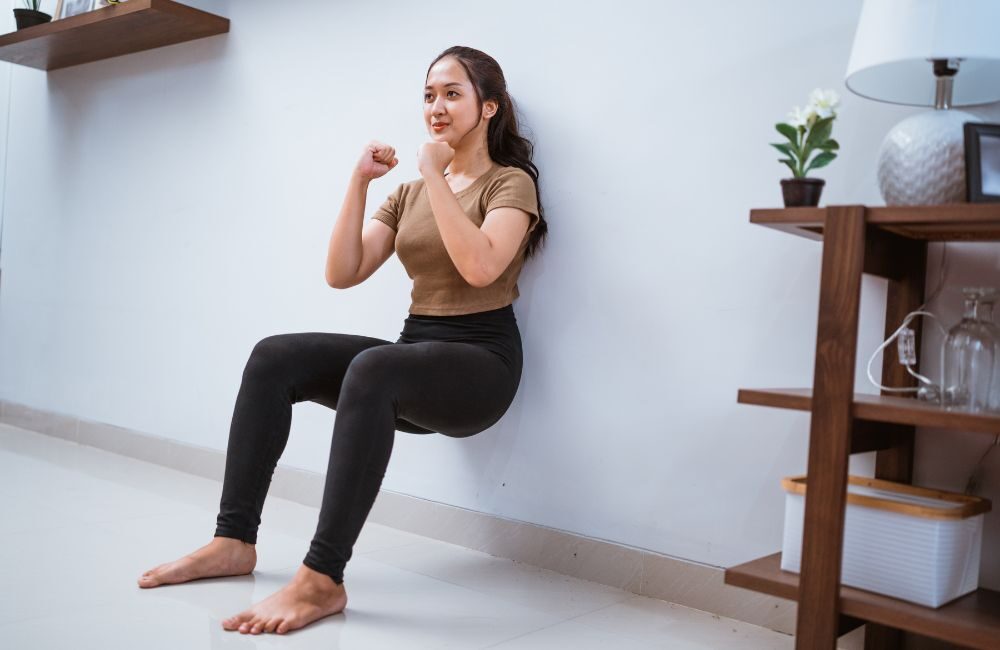
Bodyweight Exercises You don’t need heavy equipment to start strength training. Bodyweight exercises like squats or wall push-ups are perfect for beginners. Start with a few repetitions and increase as you gain strength.

Light Weightlifting Using light weights or resistance bands can significantly improve muscle mass and strength. Focus on using proper form rather than heavy weights to avoid injury. Aim for two or three strength training sessions each week.

Balance Exercises to Prevent Falls Falls are a major concern for seniors, but balance exercises can help reduce this risk. Improving balance can make daily movements, like walking or climbing stairs, safer and easier.

Simple Balance Exercises Try standing on one foot for a few seconds or walking heel-to-toe across a room. You can also practice balance exercises while doing everyday activities, like brushing your teeth or standing at the counter.

Flexibility and Stretching for Mobility Maintaining flexibility is key to staying mobile and reducing stiffness. Regular stretching increases your range of motion, making daily tasks like reaching or bending easier.

Simple Flexibility Stretches For example, a calf stretch involves standing with your hands on a wall and stepping one foot back to stretch your calf muscle. Hamstring stretches are also great for improving leg flexibility.

Yoga for Seniors Yoga is an excellent way to improve flexibility, balance, and relaxation. It’s gentle on the body and can be adapted for all fitness levels. Many seniors find that yoga helps reduce stress and improve sleep.

Gentle Yoga Poses Start with easy poses like the mountain pose for posture and balance. The seated forward bend stretches your back and legs, while the child’s pose relaxes your muscles.

Tai Chi for Balance and Mental Wellness Tai Chi involves slow, flowing movements paired with deep breathing. It’s highly beneficial for improving balance and reducing stress, making it a popular exercise choice for seniors.

Simple Tai Chi Movements Begin with basic Tai Chi forms like “Grasp the Sparrow’s Tail” or “Wave Hands Like Clouds.” These controlled movements help develop balance and coordination.

Strengthening Core Muscles for Stability Core muscles, including the abs, lower back, and pelvis, are crucial for stability and preventing falls. Strengthening the core improves posture and makes daily activities safer.

Simple Core Exercises Seated leg raises and pelvic tilts (lying on your back) are great ways to strengthen the core, particularly the lower abdominal muscles.

Chair Exercises for Limited Mobility For seniors with limited mobility, chair exercises provide a fantastic way to stay active. These exercises can be done from the comfort of a chair but still offer significant health benefits.

Easy Chair Exercises Seated marches, where you lift your legs as if you’re marching in place, strengthen the leg muscles. Seated leg extensions are also effective for improving knee mobility.

Group Exercise Classes and Social Benefits Staying active doesn’t have to be a solo effort! Group exercise classes provide both physical activity and social interaction. Classes like Silver Sneakers or water aerobics offer fun, structured ways to stay fit while connecting with others.

Outdoor Activities for Fun and Fitness Exercising outdoors can add variety and enjoyment to your routine. Activities like gardening or playing with grandchildren keep you active while enjoying the fresh air.

Staying Motivated and Setting Realistic Goals Maintaining motivation can be challenging, but setting small, achievable goals helps. Whether it’s a 15-minute walk or learning a new balance exercise, tracking your progress will keep you on track.

Conclusion Staying active as a senior is key to maintaining both health and independence. From walking and yoga to strength training and Tai Chi, there’s something for everyone. Don’t be afraid to try different exercises to find what you enjoy most—your body and mind will benefit!

FAQs

  1. What is the best exercise for seniors? Walking, strength training, and balance exercises are highly beneficial as they focus on heart health, muscle strength, and fall prevention.
  2. How often should seniors exercise? Aim for at least 150 minutes of moderate aerobic exercise per week, along with two days of strength training.
  3. Can seniors start exercising if they’ve never done it before? Absolutely! Start with low-impact activities like walking or chair exercises, and gradually increase intensity.
  4. Is weightlifting safe for seniors? Yes, as long as it involves light weights and proper form. Weightlifting helps prevent muscle loss and improves strength.
  5. What are some exercises for seniors with limited mobility? Chair exercises, water aerobics, and gentle stretches are excellent for staying active while minimizing strain.


10 Fun Fitness Activities for Kids

Keeping kids active is crucial not only for their physical health but also for their mental well-being. With so much time spent on technology and screens, it’s essential to introduce exciting fitness activities that can get them moving. But how do you make exercise enjoyable for kids who might be reluctant to participate? Fortunately, there are many creative ways to encourage movement without making it feel like traditional exercise. Here are 10 fitness activities that will get your kids moving and having a great time.

  1. Obstacle Courses Obstacle courses are a great way to keep kids active and stimulate their creativity. You can set up simple courses at home using items like cushions, chairs, and ropes, or head to a playground for more natural obstacles. Kids enjoy challenges like crawling, jumping, and balancing through a course. You can even add themes, such as “Ninja Warriors” or “Pirate Adventure,” to make it more immersive.

Benefits: Obstacle courses boost coordination, balance, and strength. They also encourage problem-solving and critical thinking as kids navigate the course.

  1. Dance Parties Exercise can be tons of fun with a dance party! Put on some music and let the kids dance around the living room. Dancing is a fantastic cardio workout that the whole family can enjoy. You can create simple routines or let them dance freely. Introducing them to popular dance challenges from TikTok or YouTube can add extra excitement.

Benefits: Dancing enhances cardiovascular health, coordination, and rhythm. It’s also a great way to release energy and express creativity.

  1. Nature Walks and Scavenger Hunts Make walks more interesting by adding a scavenger hunt! Create a list of things for kids to find, like different colored leaves, flowers, or rocks, and head out for a nature walk. Turning a simple stroll into a game keeps kids engaged and active as they explore the outdoors.

Benefits: Nature walks improve cardiovascular fitness and foster curiosity and a connection to the natural world.

  1. Animal Yoga Yoga becomes much more fun for kids with an animal theme! Combine traditional poses with animal movements, such as stretching like a cat or balancing like a flamingo. Kids love mimicking animal sounds and moves, making this a fun introduction to flexibility and mindfulness.

Benefits: Yoga improves flexibility, balance, and focus, while also promoting relaxation and mindfulness techniques.

  1. Balloon Volleyball For an easy indoor activity, try balloon volleyball! Blow up a balloon, set up a “net” using a string or towel, and challenge kids to keep the balloon off the ground. It’s a low-impact game that’s perfect for coordination and reflexes.

Benefits: Balloon volleyball helps improve hand-eye coordination and teamwork, making it a safe and energetic indoor activity.

  1. Simon Says with a Fitness Twist Put a fitness spin on the classic game “Simon Says” by adding physical activities. Instead of saying “Simon says touch your nose,” try commands like “Simon says do five jumping jacks” or “Simon says hop on one foot.” Kids will love following along with the actions while staying active.

Benefits: This game sharpens listening skills and reflexes while incorporating various exercises.

  1. Jump Rope Challenges Jumping rope is one of the best exercises for kids. It’s great for cardiovascular health, coordination, and mental sharpness as they learn new tricks. Challenge them to see how many jumps they can do in a row or teach them fun rhymes to jump along with.

Benefits: Jump rope builds endurance, strength, and coordination, and can be done anywhere.

  1. Mini Sports Games If your kids are into sports, introduce them to mini versions of their favorite games, like soccer, basketball, or tennis. Set up a mini soccer field in the backyard or bring a small basketball hoop for them to practice shooting.

Benefits: Sports teach teamwork, discipline, and coordination, while also helping kids develop motor skills and burn off energy.

  1. Bike Riding Riding a bike offers kids a sense of freedom and adventure. Whether they’re learning or experienced, bike rides are a great way to enjoy the outdoors and stay active. Plan a family ride around the neighborhood or through a local park.

Benefits: Biking improves cardiovascular health, leg strength, and endurance, while promoting independence and confidence.

  1. Pool Play and Water Games If you have access to a pool, swimming and water games are perfect for keeping kids active. Games like water tag, races, or simple splashing contests are fun ways to get kids moving. The water provides resistance, making it a good workout while being easy on the joints.

Benefits: Swimming improves cardiovascular fitness, strength, and endurance, and is a fun way to cool down during hot days.

Encouraging Kids to Stay Active Fitness doesn’t need to feel like a chore for kids. The key is to make it fun and part of their daily routine. Parents can join in, showing kids that exercise can be enjoyable. Involving the entire family in activities like hikes or sports games helps create positive associations with exercise.

Benefits of Fun Fitness Activities for Kids Physical activities improve kids’ strength, coordination, and energy levels, while also enhancing their mood, reducing anxiety, and boosting confidence. Group activities develop social skills, teamwork, and communication.

Conclusion There are countless ways to keep kids active and entertained. Whether through obstacle courses, dance parties, or yoga, the goal is to keep things fun. By blending fitness with play, kids will naturally develop a love for movement that will benefit them long-term. Start incorporating these activities into their routine and watch as they develop healthy habits while having a blast!

FAQs

How much physical activity do kids need? Children should get at least 60 minutes of physical activity daily, as recommended by health experts.

What are some good indoor activities for kids? Activities like balloon volleyball, dance parties, and yoga are great for keeping kids active indoors.

Can physical activity improve behavior in kids? Yes, regular physical activity can help reduce stress and anxiety, leading to better behavior and mood.

How can I motivate kids who don’t like exercise? Find activities they enjoy, make it a game, and let them choose the activity to keep them engaged.

Are these activities suitable for all ages? Yes, activities like dancing, scavenger hunts, and swimming are fun for all ages, with adjustments for different skill levels.

Best 30-Day Fitness Challenge Ideas to Get in Shape

Looking to get in shape but unsure where to begin? A 30-day fitness challenge could be the perfect solution. These short, focused programs help you build healthy habits, improve your fitness, and see results in just one month. The best part? You don’t need fancy equipment or a gym membership to participate. Whether you’re a beginner or experienced, there’s a challenge that suits everyone.

Let’s dive into why these challenges are effective and how to choose the right one for your fitness goals!

What to Expect from a 30-Day Fitness Challenge

A 30-day fitness challenge is all about dedication. For one month, you’ll commit time daily to reach your goal, whether it’s losing weight, building strength, or increasing flexibility. These challenges provide structure and help you stay focused and motivated.

Initially, you might feel sore, but as you progress, you’ll notice improvements in your strength, endurance, and overall health. The beauty of a 30-day challenge is that it’s long enough to yield results but short enough to keep you motivated throughout.

How to Choose the Right Fitness Challenge for You

Not all fitness challenges are the same, so it’s important to define your goals. Do you want to build muscle, enhance endurance, or improve flexibility? Assess your fitness level and choose a challenge that fits your needs. For instance, if you’re new to strength training, a push-up challenge might be more appropriate than jumping into a high-intensity interval training (HIIT) routine.

Also, think about your schedule—some challenges take just 10-15 minutes a day, while others might require 45 minutes or more.

Full Body 30-Day Fitness Challenges

  1. Total Body Workout Challenge
    This challenge engages all muscle groups with daily exercises focusing on different areas like legs, arms, and core. It includes movements like squats, lunges, push-ups, and planks.
  2. HIIT Challenge (High-Intensity Interval Training)
    Perfect for fat burning and strength building, this challenge involves short bursts of intense exercise with brief rest periods. Exercises like burpees, jumping jacks, and sprints will get your heart pumping.
  3. Cardio and Strength Combo Challenge
    Combine cardiovascular workouts with strength training by alternating between activities like running, cycling, and strength exercises such as squats and deadlifts.

30-Day Strength Training Challenges

  1. Squat Challenge
    Focused on leg and glute strength, this challenge gradually increases the number of squats, starting with 20 on day one and building up to 100+ by day 30.
  2. Push-up Challenge
    Designed to improve upper body strength, you start with a few push-ups and add more each day. By the end, you may be able to do 50 push-ups in one go.
  3. Deadlift Challenge
    For those interested in weightlifting, this challenge focuses on increasing your deadlift weight or reps to build core and lower body strength over 30 days.

30-Day Core Strength Challenges

  1. Plank Challenge
    Gradually increase the time you can hold a plank position. This simple exercise is highly effective for building core strength.
  2. Ab Challenge (Sit-ups, Crunches, and More)
    A combination of sit-ups, crunches, and leg raises, this challenge builds a strong core by increasing reps daily.
  3. Russian Twist Challenge
    Target your obliques with Russian twists, gradually increasing reps for stronger side abs and improved core stability.

30-Day Cardio Fitness Challenges

  1. Running Challenge
    Great for boosting endurance, this challenge starts with a 10-minute run and builds up to 30+ minutes by the end of the month.
  2. Cycling Challenge
    Whether on a stationary bike or outdoors, this challenge gradually increases cycling time or distance, offering a great cardio workout.
  3. Jump Rope Challenge
    Jump rope is an excellent calorie-burning exercise. A jump rope challenge helps improve cardiovascular health while toning the legs and arms.

30-Day Flexibility and Mobility Challenges

  1. Yoga Challenge
    Practice different yoga poses each day to increase flexibility, balance, and mental clarity, while also reducing stress.
  2. Stretching Challenge
    Daily stretching improves mobility and prevents injury, making it easier to move and feel better after just 30 days.
  3. Pilates Challenge
    A low-impact exercise focusing on core strength and flexibility, this challenge enhances posture and muscle tone.

30-Day Home Fitness Challenges

  1. Bodyweight Exercise Challenge
    With no equipment required, this challenge uses bodyweight exercises like lunges, push-ups, and squats to build strength.
  2. No-Equipment Challenge
    Similar to the bodyweight challenge, it focuses on using your own body as resistance, making it perfect for those with a busy schedule.
  3. Resistance Band Challenge
    If you have a resistance band, this challenge intensifies bodyweight exercises, helping to tone muscles without heavy weights.

30-Day Mental and Physical Wellness Challenges

  1. Meditation and Fitness Hybrid Challenge
    Combining fitness with meditation, this challenge promotes mindfulness and reduces stress while keeping you physically active.
  2. Daily Walk and Stretch Challenge
    Perfect for beginners, this simple challenge involves a 30-minute walk followed by 10 minutes of stretching each day.
  3. Self-care and Fitness Challenge
    A holistic challenge that pairs physical exercise with self-care activities like journaling or relaxing, promoting both mental and physical well-being.

How to Track Your Progress in a Fitness Challenge

Tracking your progress is crucial for staying motivated. You can use fitness apps, keep a journal, or take before-and-after photos and measurements to see how far you’ve come. Celebrate small achievements, whether it’s being able to do more reps or feeling more flexible.

Nutrition Tips for Your 30-Day Challenge

Proper nutrition is key during your 30-day challenge. Focus on a balanced diet with lean proteins, healthy fats, and vegetables to fuel your workouts. Stay hydrated and ensure you’re getting enough rest to help your body recover.

Common Mistakes to Avoid in Fitness Challenges

Overtraining can lead to burnout or injury, so listen to your body and take rest days as needed. Focus on maintaining proper form during exercises to prevent injuries, and always warm up and cool down.

How to Stay Motivated Throughout the 30 Days

Staying motivated can be challenging, but setting realistic goals and finding an accountability partner can make it easier. Celebrate milestones with small rewards like a healthy snack or new workout gear.

Conclusion

A 30-day fitness challenge is a great way to kickstart your fitness journey. Whether your goal is to build strength, increase flexibility, or simply move more, there’s a challenge that fits your needs. Consistency is key, so stick with it and celebrate your progress along the way. Once you’ve completed one challenge, you’ll likely be eager to take on another and continue your fitness journey beyond 30 days.

Best Foods to Accelerate Muscle Recovery

If you’re regularly pushing yourself at the gym or engaging in endurance sports, muscle soreness and fatigue are part of the process. That’s why recovery is so important. Did you know that what you eat can significantly influence how quickly your muscles recover? In fact, your post-workout nutrition is just as critical as the exercise itself! Let’s explore the top foods that promote faster muscle recovery so you can get back to doing what you love.

Why Muscle Recovery Matters

Before we dive into the best foods for recovery, it’s essential to understand why recovery is crucial. When you exercise, you create small tears in your muscle fibers. During the recovery phase, your body repairs and strengthens these fibers, making you stronger and more resilient. Failing to provide your muscles with the time and nutrients they need can lead to injury, fatigue, and a plateau in your progress.

Key Nutrients for Muscle Recovery

Certain nutrients are essential for muscle repair, reducing inflammation, and restoring energy. These include:

  • Proteins: Vital for muscle repair and growth.
  • Carbohydrates: Replenish glycogen stores used during exercise.
  • Healthy Fats: Help reduce inflammation and aid recovery.
  • Vitamins and Minerals: Support muscle repair and other bodily functions.
  • Hydration: Prevents cramps and ensures muscles function properly.

Best Foods for Protein Intake

Protein is key for muscle recovery, as it provides amino acids that help rebuild muscle tissue.

  • Lean Meats:
    • Chicken: A lean, versatile source of high-quality protein.
    • Turkey: A low-fat alternative to red meat with excellent protein content.
  • Fish:
    • Salmon: Contains omega-3 fatty acids and protein, which help reduce inflammation and promote muscle repair.
    • Tuna: A lean protein source with heart-healthy omega-3s.
  • Plant-Based Proteins:
    • Lentils: High in protein, fiber, and complex carbs.
    • Chickpeas: Packed with plant-based protein and energy-boosting nutrients.

Carbohydrates for Recovery

Carbohydrates replenish glycogen stores, essential for fueling your next workout.

  • Whole Grains:
    • Brown Rice: A complex carb that provides lasting energy for recovery.
    • Oats: Packed with fiber and slow-digesting carbs, perfect for sustained recovery.
  • Fruits:
    • Bananas: Rich in potassium, which prevents muscle cramps and restores energy.
    • Berries: Full of antioxidants that combat inflammation from intense exercise.
  • Starchy Vegetables:
    • Sweet Potatoes: Nutrient-dense with complex carbs, vitamins, and antioxidants.
    • Quinoa: A complete protein with carbs to help replenish glycogen and support muscle repair.

Healthy Fats to Reduce Inflammation

Healthy fats are vital for reducing muscle soreness and inflammation after workouts.

  • Avocados: Rich in heart-healthy fats, they help reduce inflammation and provide energy for recovery.
  • Nuts and Seeds: Almonds, walnuts, chia seeds, and flaxseeds are loaded with omega-3s, which fight inflammation and support muscle repair.
  • Olive Oil: Known for its anti-inflammatory properties, extra virgin olive oil can speed up recovery.

Vitamins and Minerals Crucial for Recovery

Vitamins and minerals are essential for muscle function and repair.

  • Vitamin C:
    • Oranges: Help with collagen production and provide antioxidants.
    • Bell Peppers: High in vitamin C, aiding muscle recovery.
  • Vitamin D:
    • Egg Yolks: Provide both protein and vitamin D, which supports muscle function.
    • Mushrooms: A plant-based source of vitamin D.
  • Magnesium:
    • Spinach: Helps relax muscles and prevents cramps.
    • Almonds: Rich in magnesium, which aids muscle relaxation and recovery.
  • Potassium:
    • Bananas: Help reduce muscle soreness and prevent cramps.
    • Leafy Greens: Spinach and kale are high in potassium, supporting muscle function.

Hydration for Recovery

Hydration is often overlooked, but it’s vital for preventing cramps, fatigue, and delayed recovery times. Drinking enough water and replenishing electrolytes like sodium, potassium, and magnesium is key to maintaining proper muscle function.

Antioxidants and Muscle Recovery

Antioxidants combat the oxidative stress caused by intense workouts, reducing inflammation and speeding up recovery.

  • Berries: Blueberries and strawberries are rich in antioxidants that help reduce muscle damage post-exercise.
  • Dark Chocolate: A tasty post-workout treat rich in antioxidants, it helps reduce inflammation and provides an energy boost.

Timing and Muscle Recovery

Meal timing is crucial for optimal recovery. Consuming a mix of protein and carbohydrates within 30-60 minutes after exercise is ideal. Small, frequent meals throughout the day can help sustain energy and support recovery.

Supplements for Muscle Recovery

If your diet isn’t enough to meet your recovery needs, supplements like whey protein, branched-chain amino acids (BCAAs), and creatine can speed up the process and support muscle growth.

Foods to Avoid for Optimal Recovery

Avoid processed foods, sugary snacks, and alcohol, as they can increase inflammation and slow down muscle recovery.

Combining Foods for Maximum Recovery

For optimal recovery, pair protein-rich foods with healthy carbs and fats. For example, chicken with quinoa and spinach or salmon with sweet potatoes and avocado provide a well-balanced post-workout meal.

Personalized Nutrition for Muscle Recovery

Everyone’s body is different, so it’s important to tailor your post-workout meals to your individual needs. Consulting with a nutritionist can help you find the best foods for your specific goals.

Conclusion

To speed up muscle recovery and enhance performance, focus on incorporating lean proteins, complex carbohydrates, healthy fats, and plenty of vitamins and minerals into your diet. Stay hydrated and eat your meals at the right time to give your muscles the best chance to recover and grow stronger.

FAQs

  • What’s the best post-workout food for muscle recovery?
    A mix of protein (like chicken or fish) and carbs (such as sweet potatoes or quinoa) is ideal.
  • How much protein should I consume after a workout?
    Aim for 20-30 grams of protein depending on your body weight and the intensity of your exercise.
  • Can plant-based athletes recover as effectively?
    Yes! Lentils, chickpeas, quinoa, and plant-based protein powders are excellent options.
  • Do electrolytes help with recovery?
    Yes, electrolytes like sodium, potassium, and magnesium prevent cramps and muscle fatigue.
  • Are supplements necessary for recovery?
    They aren’t required, but supplements like whey protein or BCAAs can speed up recovery if needed

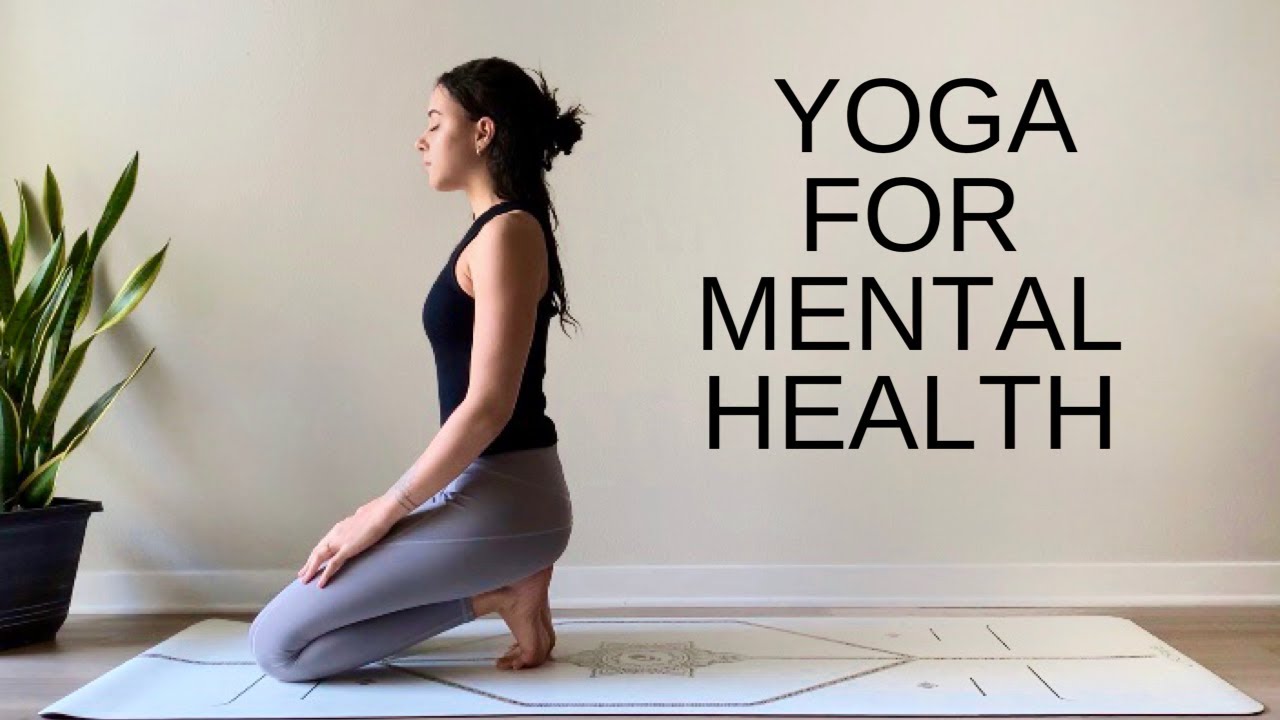
7 Key Benefits of Yoga for Mental Health

We’ve all heard the phrase, “A healthy mind resides in a healthy body.” In today’s fast-paced world, prioritizing mental health is more crucial than ever. Yoga, an ancient practice that combines physical poses, breathing exercises, and meditation, has proven to be a powerful tool not only for physical fitness but also for mental well-being. Whether you’re coping with stress, anxiety, or depression, or simply seeking a way to center your mind, yoga offers a wide range of mental health benefits.

This article highlights seven key mental health benefits of yoga and explains why more individuals are embracing this age-old practice for emotional balance and mental clarity.

What is Yoga? Before exploring yoga’s mental health benefits, let’s define what yoga is. Originating in ancient India, yoga is a holistic practice that includes physical postures (asanas), breathing techniques (pranayama), and meditation. There are various styles of yoga, such as Hatha, Vinyasa, Kundalini, and Ashtanga, but all aim to connect the mind, body, and spirit.

Yoga isn’t just about increasing flexibility or stretching; it’s about cultivating mental clarity and emotional peace through mindful movements and breathwork. This connection between body and mind is what makes yoga such a potent tool for mental health improvement.

The Link Between Yoga and Mental Health Yoga is more than just a physical exercise; it profoundly impacts mental well-being. Since the mind and body are interconnected, stress in one can lead to tension in the other. Yoga integrates mindfulness and breathing with physical movements, helping to cultivate self-awareness and mental calmness.

By encouraging focus on the present moment, yoga helps reduce distractions and promote emotional balance, transforming how we manage emotions, thoughts, and stress.

1. Reduces Stress One of yoga’s most recognized benefits is stress reduction. Stress triggers the release of cortisol, a hormone that can lead to anxiety, fatigue, and weakened immunity. Yoga teaches controlled breathing, which activates the parasympathetic nervous system, reducing cortisol levels.

Poses like Child’s Pose and Forward Bend encourage relaxation, while deep breathing soothes the mind. Yoga helps us slow down, breathe deeply, and disconnect from life’s constant pressures, giving the nervous system a chance to unwind and reset.

2. Eases Anxiety Yoga is also effective in alleviating anxiety. Many people feel calmer and more grounded after practicing yoga due to the deep breathing techniques that activate the body’s natural relaxation response.

Specific postures, like Seated Forward Bend and Legs Up the Wall, paired with breathwork, are especially useful for calming the mind. Research shows that regular yoga practice can significantly reduce anxiety symptoms, making it an excellent tool for managing both daily stress and long-term anxiety disorders.

3. Enhances Mood and Fights Depression Yoga can be a great mood booster and an effective tool in fighting depression. Physical activity triggers the release of endorphins, the body’s “feel-good” chemicals, and yoga boosts serotonin, a neurotransmitter linked to happiness and well-being.

Consistent yoga practice has been shown to increase emotional resilience, helping people cope with difficult emotions. Poses like Warrior II and Bridge Pose can lift your mood and combat feelings of sadness or hopelessness.

4. Improves Concentration and Focus In a world filled with distractions, maintaining focus can be difficult. Yoga helps by training the mind to stay present. Through mindfulness, yoga encourages concentration on breath and movement, sharpening mental focus.

Balance-intensive poses like Tree Pose and Eagle Pose help improve concentration and attention span. With regular practice, yoga enhances cognitive function, making it easier to concentrate on everyday tasks.

5. Promotes Mindfulness and Self-Awareness A key principle of yoga is mindfulness—the practice of being fully present in the moment. Yoga teaches us to listen to our bodies and minds without judgment, which over time enhances self-awareness.

Increased mindfulness leads to mental clarity and helps break free from negative thinking patterns. By practicing yoga, we develop a non-judgmental, compassionate mindset that promotes a more peaceful and content mental state.

6. Enhances Sleep Quality If you struggle with sleep issues, yoga might be the answer. Regular yoga practice can improve sleep quality by calming the mind and helping regulate the body’s natural sleep-wake cycle. Styles such as Restorative Yoga are designed to relax the body and promote deep, restful sleep.

Better sleep has a direct positive impact on mental health, making you more resilient, less stressed, and better equipped to handle emotional challenges.

7. Builds Resilience and Emotional Regulation Yoga helps build resilience—the ability to cope with life’s ups and downs. Through consistent practice, yoga strengthens emotional regulation, enabling you to stay grounded during challenging times.

Breathing exercises combined with grounding poses like Mountain Pose or Child’s Pose teach calmness and centeredness during emotional upheavals, contributing to long-term mental stability.

The Science Behind Yoga’s Mental Health Benefits Yoga’s mental health benefits are backed by scientific research. Studies show that yoga can lower cortisol levels, increase GABA (a calming neurotransmitter), and improve brain function—all of which support better mental health.

Yoga also promotes the release of endorphins and serotonin, improving mood and combating anxiety and depression.

Incorporating Yoga into Your Routine for Mental Health Starting yoga doesn’t have to be overwhelming. Begin with simple poses and breathing exercises for 10-15 minutes a day. Consistency is key. Over time, you’ll notice yoga’s effects on stress management, mood enhancement, and mental clarity.

You don’t need to attend daily classes—there are many online resources and apps that allow you to practice from the comfort of your home.

Conclusion Yoga offers a holistic approach to mental health, from reducing stress and anxiety to boosting mood and improving focus. Whether you’re new to yoga or a seasoned practitioner, its mental health benefits are undeniable. So, roll out your mat, take a deep breath, and begin your journey to a calmer, more balanced mind.

Bodyweight Exercises for Beginners: Kickstart Your Fitness Journey

Ready to embark on your fitness journey but not sure where to begin? You’re not alone! Many people feel the same way when choosing exercises or workout plans. That’s where bodyweight exercises shine—they’re a simple, effective, and equipment-free way to start building strength and endurance.

Bodyweight exercises use your own body for resistance, making them perfect for beginners. Whether you’re at home, in the park, or your living room, these exercises offer a convenient way to get fit without needing a gym.

What Are Bodyweight Exercises? Bodyweight exercises involve using your body’s weight to create resistance, without the need for external weights or machines. From push-ups to squats, they work multiple muscle groups at once, providing an efficient workout for both beginners and seasoned fitness enthusiasts.

Unlike weightlifting, which typically isolates specific muscles, bodyweight exercises encourage natural, functional movements. This helps not only to build strength but also improves flexibility, balance, and coordination.

Benefits of Bodyweight Exercises

  1. Accessibility and Convenience One of the greatest advantages of bodyweight exercises is their flexibility. You can perform them anywhere—at home, in a park, or even a hotel room—without needing any equipment. All you need is a small space to get started!
  2. Building Strength and Flexibility Bodyweight exercises are excellent for developing full-body strength while enhancing flexibility. Exercises like squats, lunges, and push-ups engage multiple muscle groups, promoting functional strength that improves mobility.
  3. Improving Balance and Coordination Because bodyweight exercises require your core and stabilizing muscles to engage, they naturally enhance balance and coordination. This is especially crucial for beginners, as better balance reduces injury risk.

How to Begin with Bodyweight Exercises

  1. Set Realistic Goals Before starting, set clear and achievable goals. Whether you aim to gain strength, increase endurance, or simply move more, having specific objectives helps keep you motivated.
  2. Warm-Up First Warming up is essential to avoid injury. Include light cardio such as jogging in place or dynamic stretches like leg swings and arm circles to get your muscles ready.
  3. Find the Right Space While no equipment is required, ensure you have enough room to move freely. A clear and open space will help you perform your exercises safely.

Basic Bodyweight Exercises for Beginners

  1. Push-Ups Push-ups are great for upper body strength, focusing on the chest, shoulders, and arms. If regular push-ups feel tough, start with knee push-ups and work up to full ones.
  2. Squats Squats target your legs and core. Stand with feet shoulder-width apart, lower your body as though sitting in a chair, then push back up. Keep your knees aligned with your toes.
  3. Planks Planks help build core stability. Hold yourself in a straight line from head to toe with your forearms on the ground. Start by holding for 15-20 seconds and increase over time.
  4. Lunges Lunges strengthen the lower body and improve balance. Step one leg forward, lower your hips until both knees form 90-degree angles, then return to the starting position. Alternate legs.
  5. Glute Bridges Glute bridges are ideal for working your glutes and hamstrings. Lie on your back with bent knees, lift your hips toward the ceiling, and squeeze your glutes at the top.

Beginner Full-Body Workout Routine

Try this simple routine:

  • 3 sets of 10 push-ups
  • 3 sets of 15 bodyweight squats
  • 3 sets of 30-second planks
  • 3 sets of 12 lunges (per leg)
  • 3 sets of 12 glute bridges

Repeat this routine 2-3 times a week for optimal results.

Tips for Progressing with Bodyweight Exercises

Once you’ve mastered the basics, challenge yourself by:

  • Increasing reps or sets: As you build strength, add more repetitions or sets.
  • Trying variations: Switch to advanced push-ups or one-legged squats for added difficulty.

How Often Should You Work Out?

For beginners, start with 3-4 workouts per week, allowing for rest days between sessions. Rest is vital for muscle recovery and preventing burnout.

Importance of Proper Form

Good form is crucial to prevent injuries and maximize the effectiveness of your exercises. For instance, during squats, ensure your back stays straight, and avoid letting your knees collapse inward.

Cardio with Bodyweight Exercises

Bodyweight exercises can also provide cardio benefits. Incorporate:

  • Jumping Jacks for full-body cardio.
  • Mountain Climbers to combine core work with cardiovascular endurance.
  • Burpees to build strength and stamina.

Staying Motivated as a Beginner

Fitness is a long-term commitment! Begin with small goals, such as finishing a workout without stopping. Track your progress to stay motivated and recognize your improvements.

Nutrition for Your Fitness Journey

Nutrition is just as essential as exercise. Focus on whole foods, lean proteins, healthy fats, and vegetables. Staying hydrated is equally important.

Common Beginner Mistakes to Avoid

  • Overdoing it: Start slow to avoid injury or burnout.
  • Skipping rest days: Muscles need time to recover.
  • Neglecting warm-ups: Proper warm-ups are crucial to preparing your body.

Modifying Exercises for Different Fitness Levels

Beginners can modify exercises by reducing the range of motion or moving at a slower pace. As you progress, try more advanced moves like plyometric push-ups or single-leg squats.

Conclusion

Bodyweight exercises offer an ideal starting point for beginners. They’re effective, convenient, and can be adapted to any fitness level. As you continue, you’ll gain strength, confidence, and consistency in your workouts. Remember to stay motivated, maintain good form, and enjoy the process!

FAQs

  1. Struggling with push-ups? Modify them by doing push-ups on your knees or against a wall until you build enough strength for full push-ups.
  2. Can bodyweight exercises help with weight loss? Yes! Paired with a healthy diet, they burn calories and aid fat loss, especially with cardio moves included.
  3. How long should beginner workouts last? Aim for 20-30 minutes, focusing on quality over quantity.
  4. What if I feel sore after workouts? Soreness is normal, especially in the beginning. Rest, stretch, and hydrate to speed recovery.
  5. Can I build muscle with just bodyweight exercises? Absolutely! By progressively increasing intensity and volume, you can build significant muscle.

10 Best HIIT Workouts for Maximum Fat Burn

When it comes to losing fat quickly, high-intensity interval training (HIIT) is a popular choice among both seasoned athletes and beginners. What makes HIIT so effective for fat loss is its combination of short bursts of intense exercise followed by brief recovery periods. This approach forces your body to work harder in a shorter time, burning a lot of calories during the workout and keeping your metabolism elevated long after, leading to more fat burn throughout the day.

Now, let’s break down how HIIT works and explore the 10 best HIIT workouts for maximizing fat loss.

Understanding How HIIT Works
What is HIIT?
HIIT stands for High-Intensity Interval Training, a method of alternating between periods of maximum effort and lower intensity or rest. These intervals challenge your aerobic and anaerobic systems, making it highly effective for fat burning and overall fitness improvement.

How HIIT Promotes Fat Loss
HIIT creates an “oxygen debt” in the body, meaning you continue to burn calories after your workout as your body recovers. This phenomenon is known as the afterburn effect or EPOC (Excess Post-Exercise Oxygen Consumption), which keeps your metabolism elevated for hours post-exercise, ensuring continuous fat burning.

Essential Tips for Effective HIIT Workouts

  1. Warm-Up and Cool Down
    A thorough warm-up prepares your body for intense exercise, while a cool-down helps bring it back to a resting state and prevents injury.
  2. Prioritize Intensity, Not Duration
    HIIT is all about pushing yourself during those high-intensity periods. Focus on giving maximum effort during the workout intervals.
  3. Maintain Proper Form
    Good form not only helps maximize fat burn but also protects you from injuries. Whether sprinting or doing bodyweight exercises, ensure you maintain proper technique.

The 10 Best HIIT Workouts for Maximum Fat Burn

  1. Sprint Intervals
    Sprint intervals are an excellent way to burn fat quickly. Run at full speed for short periods, followed by walking or jogging to recover.

How to Perform:

  • Sprint for 30 seconds at maximum effort.
  • Walk or jog for 1 minute.
  • Repeat for 15-20 minutes.
  1. Tabata Training
    Tabata is a specific type of HIIT involving 20 seconds of intense work followed by 10 seconds of rest. It’s simple yet extremely challenging.

Sample Routine:

  • Push-ups for 20 seconds, then 10 seconds rest.
  • Squats for 20 seconds, then 10 seconds rest.
  • Continue for 4 minutes per exercise.
  1. Burpee Circuit
    Burpees are a full-body movement that spikes your heart rate and burns a significant number of calories.

Burpee Circuit Example:

  • Perform 10 burpees, then rest for 30 seconds.
  • Repeat for 15-20 minutes, incorporating exercises like push-ups or jumping jacks between sets.
  1. Jump Rope HIIT
    Jumping rope is an effective cardiovascular workout that also improves coordination and agility.

Jump Rope HIIT Routine:

  • Jump rope for 1 minute at maximum speed.
  • Rest for 30 seconds.
  • Repeat for 10-15 minutes.
  1. Bodyweight Circuit Training
    Bodyweight circuits combine strength training with cardio, making them a great fat-burning workout without the need for equipment.

Example Circuit:

  • 20 squats
  • 15 push-ups
  • 10 lunges per leg
  • 30 seconds of high knees
  • Rest for 1 minute, then repeat for 3-4 rounds.
  1. Kettlebell HIIT
    Using kettlebells adds resistance to your HIIT routine, helping build muscle while shedding fat.

Kettlebell Workout Example:

  • 20 seconds of kettlebell swings
  • 10 seconds of rest
  • 20 seconds of kettlebell squats
  • Repeat for 10-15 minutes.
  1. Cycling Sprints
    Cycling sprints are a low-impact yet intense cardio workout, perfect for burning fat.

How to Perform:

  • Sprint on the bike for 30 seconds.
  • Pedal slowly for 1 minute.
  • Repeat for 15-20 minutes.
  1. Battle Rope Intervals
    Battle ropes are a powerful tool for building upper body strength while torching fat.

Battle Rope HIIT:

  • 30 seconds of rope slams, then 30 seconds rest.
  • 30 seconds of alternating waves, then 30 seconds rest.
  • Repeat for 10-15 minutes.
  1. Rowing Machine HIIT
    Rowing is a full-body exercise that burns a lot of calories, making it ideal for HIIT.

Sample Rowing HIIT:

  • Row 250 meters at full effort.
  • Rest for 1 minute.
  • Repeat for 15-20 minutes.
  1. Ladder Drills
    Ladder drills are great for improving agility and cardiovascular endurance while burning fat.

Ladder Drill Routine:

  • Perform different footwork drills (like in-and-out steps) for 30 seconds.
  • Rest for 30 seconds.
  • Repeat for 10-15 minutes.

How to Maximize HIIT Results

  • Nutrition for Fat Loss: For the best results, pair your HIIT workouts with a diet rich in lean proteins, healthy fats, and complex carbs to fuel performance and recovery.
  • Rest and Recovery: Since HIIT can be taxing on the body, rest is vital. Include 1-2 rest days each week and get enough sleep to aid recovery.

Common HIIT Mistakes to Avoid

  • Skipping Rest: Proper rest periods are key to sustaining high effort during the workout intervals.
  • Repetitive Workouts: Vary your routine to avoid plateaus and engage different muscle groups.
  • Compromising Form: Focus on technique to prevent injuries and maximize effectiveness.

Conclusion: Why HIIT is the Ultimate Fat-Burning Workout
HIIT is one of the most efficient ways to burn fat, build muscle, and improve cardiovascular health. By mixing sprint intervals, bodyweight circuits, and resistance training, you can boost your metabolism and achieve your fat loss goals. With consistent effort, proper form, and a solid nutrition plan, HIIT can deliver impressive results.

FAQs

  • How often should I do HIIT for fat loss? 3-4 times per week is ideal to avoid overtraining.
  • Can beginners do HIIT? Yes, beginners can start with lower intensity and gradually increase it as they improve.
  • How long should a HIIT session last? Typically 20-30 minutes, but even 10-15 minutes can be effective.
  • Is HIIT better than steady-state cardio for fat loss? HIIT often leads to faster fat loss due to the afterburn effect, but both types have benefits.
  • What should I eat post-HIIT? A meal with lean protein and complex carbs helps with muscle recovery and energy replenishment.

Top 10 Strength Training Tips for Quick Gains

Strength training is an excellent way to build muscle, increase strength, and improve overall fitness. But to see results quickly, you need the right approach. Here are the top 10 tips for fast, sustainable gains.

  1. Emphasize Compound Movements
    Make compound exercises the foundation of your routine. These moves engage multiple muscle groups, allowing you to lift heavier weights and stimulate more growth.

Why Compound Exercises are Essential
Compound lifts like squats, deadlifts, and bench presses activate several muscles and joints, making your workouts more efficient and effective compared to isolation exercises.

Examples of Key Compound Lifts

  • Squats: Works quads, hamstrings, and glutes
  • Deadlifts: Targets the entire posterior chain
  • Bench Press: Focuses on the chest, shoulders, and triceps
  • Pull-ups: Engages the lats, biceps, and shoulders
  1. Progressive Overload is Crucial
    To build strength, you must consistently challenge your muscles by increasing the weight or intensity over time.

Understanding Progressive Overload
As your muscles adapt, you need to gradually increase the load, leading to muscle growth and strength improvement.

How to Apply Progressive Overload
Increase weights by 2.5% to 5% every week or two, or add more reps before increasing weight. This keeps your muscles consistently challenged.

  1. Focus on Proper Form
    While it may be tempting to lift heavy weights, prioritize good form first to prevent injuries and maximize your results.

Why Form Matters
Lifting with poor technique increases your risk of injury and reduces the effectiveness of your workouts, slowing down progress.

Tips for Mastering Form
Maintain correct posture, control the movement, and use a full range of motion. Start with lighter weights if needed and increase gradually as your form improves.

  1. Follow a Structured Training Plan
    Random workouts might yield results initially, but a structured plan is key for long-term progress and avoiding plateaus.

Benefits of a Training Program
A solid program ensures consistent targeting of all major muscle groups and promotes steady progression. Programs like StrongLifts 5×5 or Starting Strength are ideal for beginners.

Popular Strength Programs

  • StrongLifts 5×5
  • Starting Strength
  • Wendler’s 5/3/1
  • Push-Pull-Legs Split
  1. Incorporate Rest and Recovery
    Muscle growth happens during recovery, not during the workout itself. Rest is essential for making gains.

Importance of Rest Days
Overtraining can slow progress and lead to injuries. Rest at least one day between sessions targeting the same muscles.

Active Recovery Ideas
Engage in light activities like stretching, yoga, or foam rolling to promote muscle recovery without putting too much strain on your body.

  1. Optimize Your Nutrition
    Proper nutrition is critical for strength gains. Without the right diet, your body won’t recover or grow efficiently.

Key Nutrients for Muscle Growth
Focus on protein (for muscle repair), carbs (for energy), and healthy fats (for hormone production). Aim for 0.8 to 1 gram of protein per pound of body weight.

Pre- and Post-Workout Meals
Eat a balanced meal with protein and carbs 1-2 hours before your workout. After training, refuel with protein and carbs within 30-60 minutes to support recovery.

  1. Increase Training Volume Gradually
    Training volume, which includes sets, reps, and weight, is essential for muscle growth. However, increasing volume too quickly can lead to burnout or injury.

What is Training Volume?
It’s the total amount of work performed in a workout. Gradually increasing volume helps muscles grow without overtraining.

How to Safely Increase Volume
Add an extra set or 1-2 reps every few weeks as your strength improves.

  1. Progressively Increase Resistance
    Along with training volume, progressively increasing resistance (weight) is key to continuous muscle development.

Methods for Adding Resistance
Increase weights, use resistance bands, or introduce techniques like paused reps or slow negatives to make exercises more challenging.

  1. Train with Intensity
    To see quick results, you need to push yourself beyond your comfort zone without sacrificing form.

Balancing Intensity and Recovery
Train intensely, but don’t overdo it. Combine heavy sets with fewer reps (3-5) and moderate-weight sets with higher reps (8-12) for both strength and hypertrophy.

Time Under Tension (TUT)
Extend the eccentric phase (lowering the weight) to increase time under tension, boosting muscle activation and growth.

  1. Track Your Progress
    Keeping a workout journal allows you to see what works and make adjustments for better results.

Why Tracking is Important
Recording your sets, reps, and weights helps you monitor progress, stay motivated, and decide when to increase volume or intensity.

What to Track
Document how much weight you lift, how many reps you complete, and how you feel during workouts to prevent plateaus and fine-tune your routine.

Conclusion

Strength training requires a strategic approach for fast gains. Focus on compound movements, progressive overload, proper recovery, and follow a structured plan. Consistency, good form, and smart nutrition will help you reach your goals faster.

FAQs

  1. How often should I train for fast gains?
    Train 3-4 times a week, focusing on different muscle groups for optimal gains.
  2. How long before I see results?
    You can expect noticeable strength gains within 4-6 weeks of consistent training.
  3. What’s the best rep range for strength?
    For strength, aim for 3-6 reps per set, while 8-12 reps are best for hypertrophy.
  4. Should I change my routine often?
    Yes, change your workout every 4-8 weeks to avoid plateaus and keep progressing.
  5. Can I build muscle without lifting heavy?
    Yes, using lighter weights with high reps, time under tension, and progressive overload can still build muscle effectively.

Fitness Tips for Effective Weight Loss

Losing weight isn’t just about eating less; it also involves increasing your physical activity. Fitness is a key element in losing those extra pounds, but it’s not as simple as going to the gym and expecting instant results. For effective weight loss, you need a balanced approach combining both diet and exercise. While your diet controls calorie intake, exercise helps burn calories, build muscle, boost metabolism, and enhance overall health. Here are some fitness tips to help make your weight loss journey both successful and enjoyable!

Understanding Weight Loss
Losing weight requires creating a caloric deficit, which means burning more calories than you consume. While this may sound simple, there’s more to it than just reducing calories. Metabolism, which determines how your body uses energy, is influenced by factors like age, muscle mass, and genetics. However, one constant is that consistency is crucial. Whether it’s through eating fewer calories or increasing physical activity, long-term results come from maintaining a regular routine.

Setting Realistic Weight Loss Goals
It’s important to set achievable goals when aiming for weight loss. Many expect quick results, like losing 10 pounds in a week, but this is neither healthy nor sustainable. Aiming for gradual progress, such as losing 1-2 pounds per week, is more realistic and maintains motivation over time. Small, steady achievements build momentum toward your long-term health goals.

The Role of Exercise in Weight Loss
Exercise is one of the best ways to burn calories and reduce fat. Not all workouts are equal though—some are better for fat loss, while others focus on building muscle. For the best outcomes, mix both cardiovascular and strength training into your routine. Also, flexibility and mobility exercises help keep your body functioning well and reduce the risk of injury.

Cardiovascular Workouts: The Key to Fat Loss
For weight loss, cardio exercises are essential. Activities like running, swimming, and cycling burn calories more quickly than other types of workouts. High-Intensity Interval Training (HIIT) is especially effective due to its short, intense bursts of activity that not only burn fat but also elevate metabolism for extended periods. Aim for at least 150 minutes of moderate cardio or 75 minutes of high-intensity cardio weekly for optimal fat loss.

Strength Training for Effective Weight Loss
While often overlooked, strength training is just as important as cardio when trying to lose weight. By building muscle, you increase your metabolism, allowing you to burn more calories even at rest. Compound movements like squats, deadlifts, and bench presses are particularly effective because they engage multiple muscle groups, maximizing calorie burn. Combining strength training with cardio will yield the best results.

Incorporating Flexibility and Mobility Workouts
Many focus only on fat-burning and muscle-building, neglecting flexibility and mobility. Practices like yoga and Pilates not only stretch and lengthen muscles but also prevent injury. Keeping your body flexible helps maintain balance and ensures that you can sustain your exercise routine long-term.

Consistency and Progress Tracking
Staying consistent is one of the most important aspects of weight loss. It’s not just about working out regularly but also tracking your progress. Relying solely on the scale can be misleading, as it doesn’t show the full picture. Consider measuring your waist, tracking how you feel during workouts, and celebrating small victories, like fitting into old clothes or lifting heavier weights.

Nutritional Tips to Complement Your Fitness Routine
Your diet has a direct effect on your workout performance and weight loss success. Eating a balanced diet that includes protein, healthy fats, and complex carbohydrates will give you the energy needed to power through workouts. Staying hydrated is also essential, as dehydration can slow metabolism and hinder weight loss. Keep healthy snacks like nuts and fruits nearby to fuel your body between meals.

Rest and Recovery: The Overlooked Pillars of Weight Loss
Rest and recovery are just as vital as exercising. Your muscles need time to repair, which helps boost metabolism. Additionally, sleep is a major factor in weight loss—lack of sleep can disrupt hunger hormones and lead to cravings for sugary and high-calorie foods. Aim for 7-9 hours of quality sleep each night.

Mindset and Motivation: Staying Focused
The mental aspect of weight loss can be even more challenging than the physical. Motivation may waver when progress seems slow. Surrounding yourself with supportive people, whether it’s a workout buddy or an online community, can help you stay on track. Focus on non-scale victories like improved fitness or feeling stronger to keep yourself motivated.

The Importance of a Personalized Fitness Plan
Everyone’s fitness journey is different, so it’s important to have a plan tailored to your specific goals and needs. Start at your current fitness level and increase intensity gradually as you progress. Don’t be afraid to mix up your routine to avoid plateaus, as your body adapts to repetitive workouts over time.

Common Fitness Mistakes that Hinder Weight Loss
Some common mistakes in weight loss efforts include over-relying on cardio, under-eating, or sticking to the same workout routine for too long. Eating too few calories can slow down metabolism, making fat loss harder. Similarly, failing to change up your workout routine can lead to plateaus where your progress stalls.

Staying Consistent with Long-Term Fitness
Weight loss is not a quick fix but a long-term commitment. Once you achieve your target weight, it’s important to continue a maintenance routine to prevent the weight from returning. Focus on creating healthy, sustainable habits that you can stick to in the long run, prioritizing overall health rather than just numbers on a scale.

Conclusion
Successful weight loss combines cardio, strength training, flexibility, and adequate rest. Understanding how these elements work together helps you develop a balanced fitness routine that not only leads to weight loss but also improves overall health. Stay consistent, track your progress, and adjust your plan as necessary.

FAQs

  • What is the best exercise for weight loss?
    Cardio exercises like running, swimming, and HIIT are great for burning fat.
  • How often should I work out to lose weight?
    Aim for 150 minutes of moderate exercise or 75 minutes of high-intensity exercise each week, along with strength training.
  • Can I lose weight with just strength training?
    Yes, building muscle increases metabolism, but combining it with cardio is more effective for fat loss.
  • Is it okay to eat before a workout?
    Yes, eating a light meal or snack with carbs and protein provides energy for your workout.
  • How do I avoid weight loss plateaus?
    Mix up your workouts, increase intensity, and ensure you’re fueling your body with enough food.

How to Create a Strength Training Program

Creating a strength training program can seem overwhelming at first, but it’s a rewarding journey that can help transform your body and enhance your overall health. Whether your goal is to build muscle, improve endurance, or simply increase your overall strength, having a structured plan is essential for success. This guide will outline the key steps to developing a personalized strength training program tailored to your fitness goals and abilities.

Understanding Your Fitness Goals
The foundation of any strength training program is understanding what you want to accomplish. Your goals will dictate the type of exercises you do, how often you train, and the intensity of your workouts.

Short-term vs. Long-term Goals
Determine if you’re aiming for quick improvements in muscle mass or strength or if you’re focused on long-term goals like achieving a specific body composition or preparing for a competition. Short-term goals, such as improving technique or lifting a certain weight, help with motivation, while long-term goals provide overall direction.

Common Strength Training Goals
Common objectives for strength training programs include:

  • Building muscle (hypertrophy)
  • Improving endurance for sports or physical activities
  • Enhancing overall strength for daily functional movements

Assessing Your Current Fitness Level
Before starting a strength training program, it’s important to assess your current fitness level. This helps prevent injury and allows you to track your progress.

Importance of Fitness Assessments
Whether you’re a beginner or experienced, a fitness assessment helps establish a baseline. You can measure strength with exercises like push-ups, squats, or deadlifts, and flexibility with exercises like the sit-and-reach.

Testing Your Strength
Begin with basic compound lifts such as squats or bench presses, and record how much weight you can lift for a set number of reps. This serves as your starting point for progression.

Key Components of a Strength Training Program
A good strength training program combines compound and isolation exercises.

  • Compound Exercises: These target multiple muscle groups at once (e.g., squats, deadlifts).
  • Isolation Exercises: These focus on specific muscles (e.g., bicep curls).

Free Weights vs. Machines
Free weights (dumbbells and barbells) engage stabilizing muscles, while machines help target specific muscles but restrict movement range.

Bodyweight and Resistance Band Exercises
Bodyweight exercises (e.g., push-ups) and resistance band workouts are ideal for beginners and can be highly effective for building strength.

Designing Your Training Schedule
Your schedule should fit both your goals and your availability.

  • Workout Frequency: Beginners can aim for 3-4 days per week, while advanced lifters may work out 5-6 days a week, depending on recovery needs.
  • Balancing Intensity and Rest: It’s important to find a balance between pushing your limits and allowing time for recovery.

Full-Body vs. Split Routines

  • Full-body routines target all major muscle groups in each session and are great for beginners.
  • Split routines (e.g., upper body one day, lower body the next) allow more focus on specific areas and are suited for more experienced lifters.

Choosing the Right Exercises
A well-rounded strength training program should target all major muscle groups for balanced development.

Key Muscle Groups to Focus On

  • Upper body (chest, back, arms)
  • Lower body (quads, hamstrings, glutes)
  • Core (abs, obliques)

Effective Exercises

  • Squats for lower body strength
  • Deadlifts for overall power
  • Bench presses for chest and arms
  • Pull-ups for back and biceps
  • Planks for core stability

Setting Reps, Sets, and Rest Periods
The number of reps and sets depends on your specific goal, whether it’s strength, muscle growth, or endurance.

  • Beginners: A good starting point is 3 sets of 8-12 reps.
  • Strength: Aim for 4-6 reps with heavier weights.
  • Muscle growth (Hypertrophy): Stick to 8-12 reps.
  • Endurance: Use lighter weights and aim for 12-15 reps or more.

Progressive Overload: The Key to Strength Gains
To continue improving, you need to increase the difficulty of your workouts over time.

What is Progressive Overload?
This means gradually increasing the load on your muscles by adding weight, increasing reps, or reducing rest time between sets.

How to Apply Progressive Overload

  • Gradually add weight to your lifts.
  • Increase the number of sets or reps.
  • Shorten rest periods to make workouts more challenging.

Warm-Ups and Cool-Downs
Warming up and cooling down are critical for performance and recovery.

Importance of a Warm-Up
Spend 5-10 minutes on a dynamic warm-up involving light cardio and mobility exercises to prepare your muscles and joints.

Post-Workout Stretching
After your workout, do static stretches to maintain flexibility and reduce muscle soreness.

Nutrition for Strength Training
Nutrition plays a vital role in muscle growth and recovery.

Macronutrient Focus

  • Protein (e.g., chicken, fish, beans) is essential for muscle repair.
  • Healthy carbohydrates (e.g., whole grains, fruits) provide energy.
  • Fats (e.g., nuts, avocados) support overall health.

Protein Intake
Aim to consume 0.8 to 1 gram of protein per pound of body weight daily to promote muscle growth.

Recovery and Rest
Muscle growth occurs during rest, not during the workout itself, so recovery is essential.

Rest Days
Plan at least 1-2 rest days per week to allow your muscles time to recover.

Active Recovery
On rest days, consider low-impact activities like yoga or walking to promote blood flow and recovery without straining your muscles.

Avoiding Common Mistakes
Even with a solid plan, there are common pitfalls to avoid.

  • Overtraining: Too much intensity without rest can lead to burnout and injury.
  • Poor Technique: Prioritize proper form to avoid injury, especially with heavy weights.

Tracking Progress
Keep a workout log to record weights, sets, and reps, which will help you stay motivated and monitor your progress.

Adapting Your Program Over Time
As you progress, make sure to adjust your program.

When to Change Exercises
If you hit a plateau, switch up exercises or routines to continue challenging your muscles.

Conclusion
Developing a strength training program requires careful planning and dedication. Start by setting clear goals, assess your current fitness level, and follow principles like progressive overload, proper nutrition, and recovery. With consistent effort and adaptability, you’ll achieve lasting results that go beyond physical strength.

FAQs

  • How long should a strength training session last? Sessions usually last between 45 minutes to an hour.
  • Can I combine strength training with cardio? Yes, but it’s often best to do cardio after strength training to save energy for lifting.
  • Do I need heavy weights to build muscle? Not necessarily—you can use lighter weights with progressive overload.
  • How do I prevent injuries? Focus on proper form, don’t rush, and warm up beforehand.
  • When will I see results? Most people start seeing changes after 4-6 weeks of consistent effort.
Exit mobile version